Pittosporum Tenuifolium ‘Variegatum’ (Kohuhu)
Pittosporum tenuifolium ‘Variegatum’, commonly known as Kohuhu, is a versatile evergreen shrub with striking variegated foliage that adds interest and.
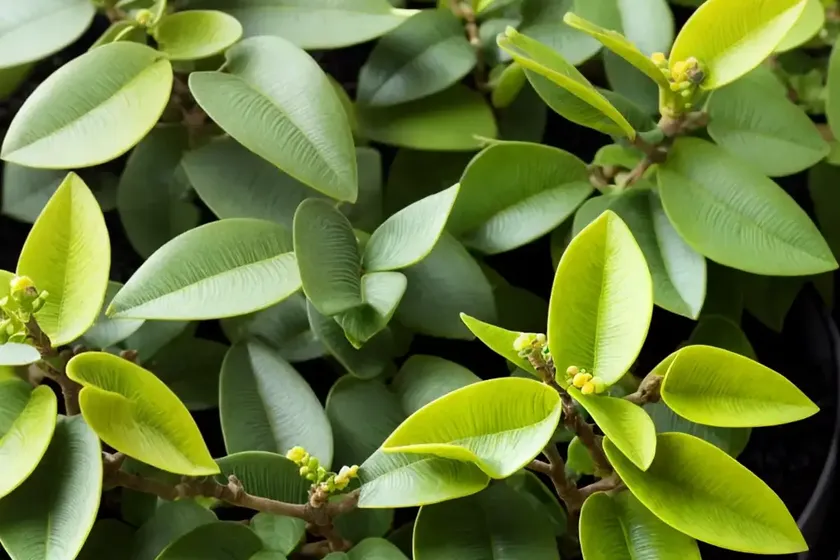
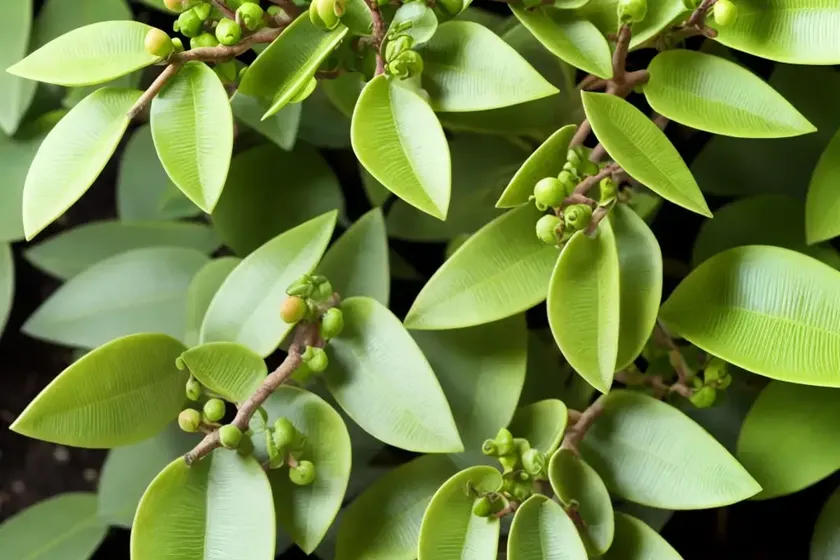
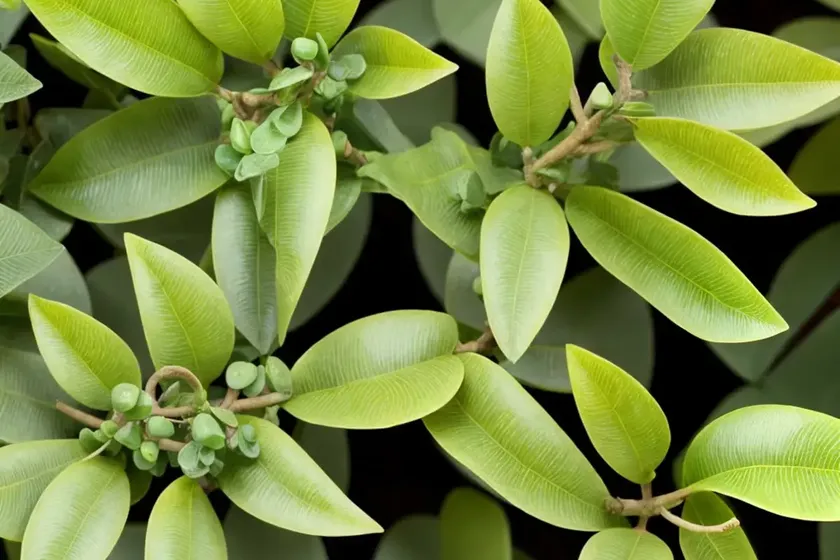
Pittosporum tenuifolium ‘Variegatum’, commonly known as Kohuhu, is a versatile evergreen shrub with striking variegated foliage that adds interest and beauty to any garden or landscape. This plant is highly valued for its ornamental features, adaptability, and low maintenance requirements, making it a popular choice for both amateur and experienced gardeners. In this comprehensive guide, we will delve deep into the various aspects of caring for and cultivating Pittosporum tenuifolium ‘Variegatum’, from its cultural requirements and uses to its propagation and pest management. Whether you are a seasoned horticulturist or a beginner plant enthusiast, this article will provide you with valuable insights into maximizing the growth and health of Kohuhu in your garden.
What is Pittosporum tenuifolium ‘Variegatum’ (Kohuhu)?
Pittosporum tenuifolium ‘Variegatum’ is a cultivar of Pittosporum tenuifolium, a species belonging to the Pittosporaceae family. Native to New Zealand, this evergreen shrub is renowned for its glossy, variegated leaves that display a striking contrast of creamy white and dark green. The plant typically grows in a compact, bushy manner, reaching a height and spread of around 10-15 feet if left unpruned. Its dense foliage and naturally attractive form make it an excellent choice for hedging, borders, or as a standalone specimen in the garden.
Key Takeaways – Pittosporum tenuifolium ‘Variegatum’
Before we delve into the specifics of caring for and cultivating Kohuhu, let’s summarize its key characteristics and benefits:
- Scientific Name: Pittosporum tenuifolium ‘Variegatum’
- Common Name: Kohuhu
- Foliage: Glossy, variegated leaves with a mix of creamy white and dark green
- Growth Habit: Compact, bushy growth reaching a height and spread of around 10-15 feet
- Uses: Suitable for hedging, borders, and standalone ornamental planting
- Low Maintenance: Requires minimal care and is generally resistant to pests and diseases
- Versatile: Thrives in various soil types and is tolerant of coastal conditions
- Attractive to Wildlife: Its dense foliage provides shelter for birds and other wildlife
With these key points in mind, let’s explore the in-depth cultural requirements, uses, and detailed care guidelines for Pittosporum tenuifolium ‘Variegatum’.
Culture
Water
Proper watering is crucial for the healthy growth and development of Pittosporum tenuifolium ‘Variegatum’. While these plants are relatively drought-tolerant once established, they benefit from regular watering, especially during dry spells or in warmer climates.
Watering Guidelines:
- Young Plants: Newly planted Kohuhu shrubs should be watered more frequently to help them establish strong root systems. Water deeply to saturate the root ball and surrounding soil.
- Established Plants: Once the plant is established, reduce the frequency of watering, but ensure that the soil does not dry out completely. Water deeply but infrequently, allowing the soil to partially dry before the next irrigation.
To determine when to water, check the soil moisture by inserting your finger into the soil. If the top few inches feel dry, it’s time to water. Avoid overwatering as it can lead to root rot and other moisture-related issues.
Sunlight
Pittosporum tenuifolium ‘Variegatum’ thrives in a position that receives ample sunlight, although it can tolerate partial shade as well. For optimal growth and foliage coloration, aim to provide the plant with at least 6-8 hours of direct sunlight each day. Insufficient light can result in leggy growth and a loss of the variegated leaf pattern.
Sunlight Requirements:
- Full Sun: Ideally, position the plant in a location with full sun exposure, especially in cooler climates and regions with mild summers.
- Partial Shade: In hotter climates or areas with intense sunlight, partial shade during the hottest part of the day can help protect the plant from heat stress.
Ensure that the selected planting site offers the right balance of sunlight and is sheltered from strong winds or harsh conditions, especially for young, tender specimens.
Fertilizer
Appropriate fertilization can enhance the growth and appearance of Pittosporum tenuifolium ‘Variegatum’, promoting lush foliage and overall plant vigor. While these shrubs are not heavy feeders, periodic feeding with a balanced fertilizer can provide essential nutrients for healthy development.
Fertilizer Application:
- Timing: Apply a slow-release, balanced fertilizer in early spring, just before the start of the growing season. This will supply the necessary nutrients for the plant’s active growth period.
- Frequency: Repeat the fertilization process once a year, preferably in early spring, to sustain the plant’s nutrient requirements.
When applying fertilizer, follow the manufacturer’s recommendations regarding the application rate, and avoid over-fertilization, as this can lead to excessive vegetative growth at the expense of overall plant health.
Soil
Pittosporum tenuifolium ‘Variegatum’ is adaptable to various soil types, as long as the soil is well-draining and fertile. While it can tolerate some degree of soil alkalinity, it generally thrives in neutral to slightly acid soils.
Soil Requirements:
- Drainage: Ensure that the planting site provides good drainage to prevent waterlogging, which can lead to root rot and other moisture-related issues.
- Moisture Retention: Incorporating organic matter, such as compost or well-rotted manure, can improve soil structure and enhance moisture retention, especially in sandy or fast-draining soils.
Perform a soil test to assess the pH and nutrient levels of the planting site. If necessary, amend the soil with organic matter or pH-adjusting supplements to create an optimal growing environment for the Kohuhu shrub.
Pruning
Regular pruning is beneficial for maintaining the shape, size, and overall health of Pittosporum tenuifolium ‘Variegatum’. Proper pruning can also encourage dense, bushy growth and prevent the plant from becoming leggy or unruly.
Pruning Guidelines:
- Timing: Perform major pruning and shaping in late winter to early spring, just before the start of the growing season. This allows the plant to recover and produce new growth during the active growing period.
- Technique: Use clean, sharp pruning shears to make precise cuts, removing any dead, damaged, or overgrown branches. Aim to maintain a balanced and symmetrical form, especially for hedging or formal planting.
It’s important to avoid over-pruning, as excessive removal of foliage can stress the plant and affect its overall vigor. As a best practice, regularly inspect the plant for any signs of pruning requirements and address them promptly to maintain its ideal appearance and health.
Propagation
Propagating Pittosporum tenuifolium ‘Variegatum’ allows you to expand your plant collection and share this beautiful shrub with others. While propagation methods such as seed sowing and cutting propagation are viable options, the latter is more commonly used for producing true-to-type specimens with the desired variegated foliage.
Propagation Techniques:
- Cutting Propagation: Take semi-hardwood cuttings in late summer, ensuring they include a section of the current season’s growth. Remove the lower leaves and dip the cut end in a rooting hormone to stimulate root development. Plant the cuttings in a well-draining propagation medium and maintain a consistently moist, humid environment until roots develop.
Propagation efforts are best undertaken during the warmer months to capitalize on the plant’s natural growth cycle and to optimize the success rate of rooting.
Container Popularity
The compact and attractive nature of Pittosporum tenuifolium ‘Variegatum’ makes it an excellent choice for container cultivation. Whether grown in large pots or decorative containers, Kohuhu shrubs can thrive in a containerized environment, providing a versatile option for gardeners with limited space or those seeking portable ornamental plants.
Container Cultivation Tips:
- Container Selection: Choose a spacious container with adequate drainage holes to ensure proper water management and prevent waterlogged conditions.
- Potting Mix: Opt for a well-draining, high-quality potting mix suitable for ornamental shrubs. Consider incorporating perlite or coarse sand to improve drainage and aeration.
- Maintenance: Regularly check the moisture levels in the container and water as needed, especially during warmer periods. Fertilize container-grown Kohuhu shrubs with a balanced, slow-release fertilizer to support their growth and health.
Container-grown Pittosporum tenuifolium ‘Variegatum’ can be strategically placed in outdoor living spaces, patios, or balconies to introduce a touch of greenery and decorative flair to the surroundings.
Common Diseases
While Pittosporum tenuifolium ‘Variegatum’ is generally resistant to many common plant diseases, it can still be susceptible to certain issues under unfavorable growing conditions or due to environmental stress. Understanding the potential diseases and their prevention strategies is essential for maintaining the plant’s health and vitality.
Common Diseases:
- Powdery Mildew: This fungal disease can manifest as a powdery, white coating on the foliage, leading to stunted growth and reduced vigor. It typically occurs in humid, poorly ventilated conditions.
- Root Rot: Excessive soil moisture and poor drainage can create an ideal environment for root rot pathogens, causing the plant’s roots to decay and resulting in wilting and yellowing of the foliage.
- Leaf Spot Diseases: Various fungal and bacterial pathogens can cause unsightly leaf spots, affecting the overall aesthetic appeal of the plant.
Disease Diagnosis
Prompt diagnosis of potential diseases is essential for implementing effective treatment and management measures. Regularly inspecting the plant for any signs of disease symptoms can help you address issues before they escalate and affect the plant’s overall health.
Diagnosis Techniques:
- Visual Inspection: Carefully examine the foliage, stems, and overall appearance of the plant for any unusual spots, discoloration, or abnormal growth patterns.
- Symptom Identification: Familiarize yourself with common plant diseases and their associated symptoms to accurately identify specific issues that may affect Pittosporum tenuifolium ‘Variegatum’.
- Professional Consultation: If unsure about the cause of observed symptoms, seek guidance from local horticultural experts or plant disease specialists for accurate diagnosis and treatment recommendations.
Early intervention and targeted management strategies can mitigate the impact of plant diseases and aid in preserving the health and vitality of Kohuhu shrubs.
Common Pests
Pittosporum tenuifolium ‘Variegatum’ is relatively resistant to pest infestations, but it can still encounter occasional challenges from certain insects and small pests. Understanding the common pests and their control methods is essential for preventing damage and maintaining the plant’s vigor.
Common Pests:
- Aphids: These small, sap-sucking insects can cluster on the tender young growth of the plant, leading to distorted leaves and reduced vitality.
- Scale Insects: Scale insects can attach themselves to the stems and foliage, feeding on the plant’s sap and causing yellowing of the leaves and overall decline.
- Mealybugs: Mealybugs can leave a sticky honeydew residue on the foliage and cause stunted growth if left unaddressed.
Botanist’s Tips
To support the successful growth and cultivation of Pittosporum tenuifolium ‘Variegatum’, consider the following botanist’s tips:
- Regular Maintenance: Engage in regular inspection and maintenance practices to monitor the plant’s health and address any emerging issues promptly.
- Optimal Growing Conditions: Strive to create an environment that aligns with the plant’s cultural requirements, including sunlight, water, and soil conditions, to promote its best performance.
- Prudent Pruning: Practice careful and strategic pruning to maintain the plant’s form and vigor, while also promoting air circulation and light penetration.
Fun Facts
- The variegated leaves of Pittosporum tenuifolium ‘Variegatum’ can create a visually striking display in the garden, adding interest and contrast to the overall landscape.
- The common name “Kohuhu” is derived from the Maori language, reflecting the plant’s native origins in New Zealand.
- Kohuhu shrubs are known to be relatively low-maintenance, making them an attractive option for gardeners seeking ornamental plants with minimal care requirements.
Links to External Resources
For additional information and resources on Pittosporum tenuifolium ‘Variegatum’ and related topics, you may find the following links helpful:
- Royal Horticultural Society – Pittosporum tenuifolium ‘Variegatum’ Care Guide
- University of Florida IFAS Extension – Pittosporum tenuifolium Information
- Missouri Botanical Garden – Variegated Pittosporum Plant Profile
- American Society for the Prevention of Cruelty to Plants – Kohuhu Landscaping Ideas
- The Spruce – Pruning Tips for Variegated Pittosporum
In conclusion, Pittosporum tenuifolium ‘Variegatum’ (Kohuhu) is a captivating and versatile evergreen shrub that offers a range of ornamental and practical benefits to gardeners and landscapers. By following the recommended cultural practices and care guidelines, you can cultivate and enjoy the beauty of this variegated foliage plant while enhancing the aesthetic appeal and biodiversity of your outdoor spaces. Whether used as a focal point, a border planting, or a container specimen, Kohuhu’s striking appearance and adaptability make it an appealing choice for diverse garden settings.
Would you like to know more about any specific aspect of caring for Pittosporum tenuifolium ‘Variegatum’, or do you have any related questions? Feel free to explore the provided links or reach out with your inquiries. Happy gardening!


