Pittosporum Tenuifolium ‘Tandara Gold’ (Kohuhu)
Plants are an essential and fascinating part of our natural environment. They provide oxygen, food, and habitat for a myriad of organisms. One particular.
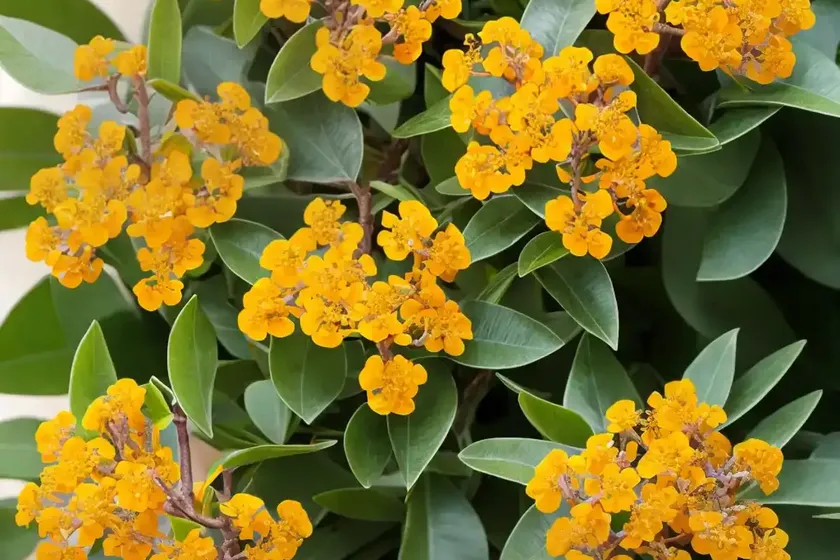
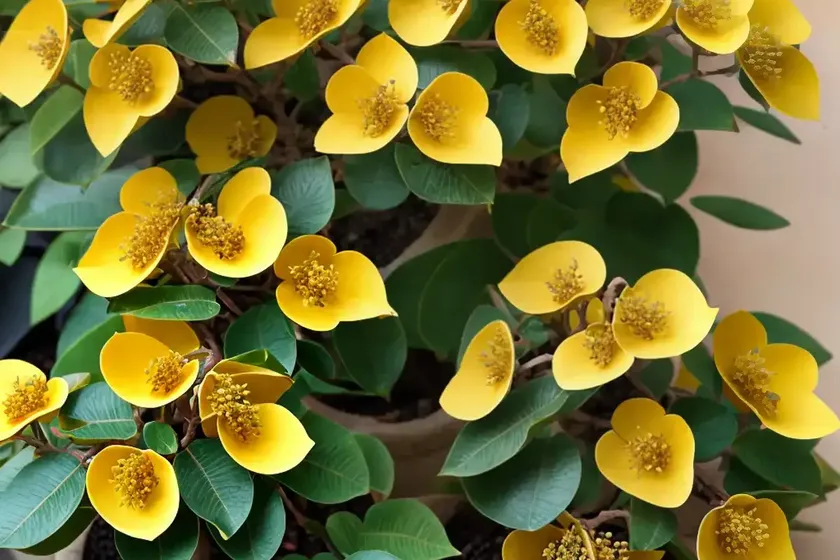
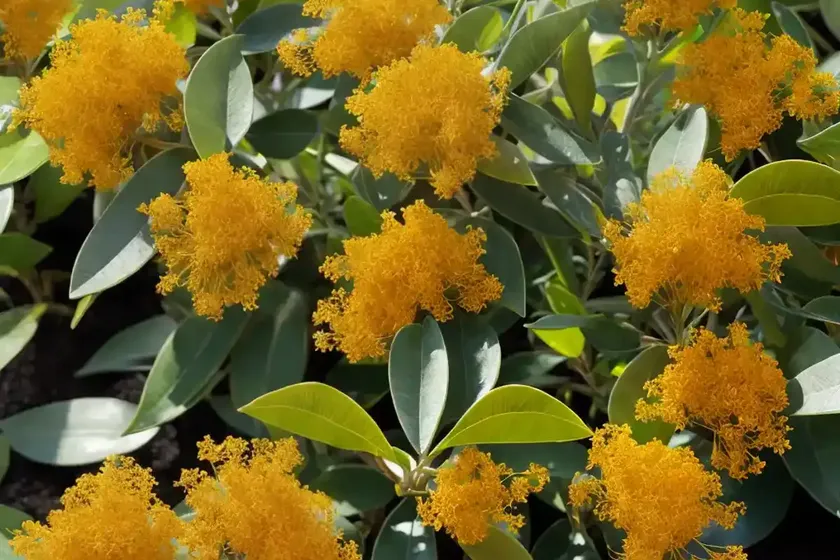
Plants are an essential and fascinating part of our natural environment. They provide oxygen, food, and habitat for a myriad of organisms. One particular plant that has gained popularity in horticulture is the Pittosporum tenuifolium ‘Tandara Gold’, also known as the Kohuhu. This evergreen shrub has unique characteristics and a range of uses that make it a valuable addition to gardens and landscapes. In this comprehensive guide, we will explore the various aspects of this plant, including its cultural requirements, uses, maintenance, and much more.
What is Pittosporum tenuifolium ‘Tandara Gold’ (Kohuhu)?
Pittosporum tenuifolium ‘Tandara Gold’ is a cultivar of the Pittosporum tenuifolium species, commonly known as Kohuhu. It is a part of the Pittosporaceae family and is native to New Zealand. The plant is characterized by its glossy, variegated leaves and compact, rounded growth habit, making it a popular choice for landscaping and ornamental purposes.
Pittosporum tenuifolium ‘Tandara Gold’ Description:
- Scientific Name: Pittosporum tenuifolium ‘Tandara Gold’
- Common Name: Kohuhu
- Family: Pittosporaceae
- Origin: New Zealand
- Foliage: Glossy, variegated
- Growth Habit: Compact, rounded
- Use: Ornamental, landscaping
Key Takeaways – Pittosporum tenuifolium ‘Tandara Gold’ (Kohuhu)
Let’s delve deeper into the various aspects of the Pittosporum tenuifolium ‘Tandara Gold’, including its cultural requirements, uses, maintenance, and more.
Cultural Requirements
Cultural requirements refer to the specific environmental conditions that a plant needs to thrive. Understanding these requirements is essential for successfully growing and maintaining a plant like Pittosporum tenuifolium ‘Tandara Gold’.
Sunlight:
- Light Requirement: Full sun to partial shade
- Optimal Conditions: Thrives in full sun but can tolerate some shade
Water:
- Watering Needs: Moderate
- Frequency: Water regularly, allowing the soil to dry out slightly between watering
- Signs of Overwatering: Yellowing leaves, root rot
- Signs of Underwatering: Wilting, browning of leaf edges
Soil:
- Soil Type: Well-draining
- pH: Slightly acidic to neutral (pH 5.5-7.0)
- Composition: Sandy loam, loam
- Amendments: Organic matter can improve soil structure and fertility
Fertilizer:
- Type: Balanced, slow-release fertilizer
- Application: Once a year in spring
- Amount: Follow manufacturer’s instructions
Uses
Pittosporum tenuifolium ‘Tandara Gold’ has versatile uses in landscaping and horticulture. Understanding its potential applications can help in making informed decisions about incorporating this plant in different settings.
Landscape Use:
- Hedging: Its compact growth habit makes it suitable for creating formal or informal hedges
- Border Plant: Adds texture and color contrast to garden borders
- Specimen Plant: Showcases its variegated foliage and rounded form in the landscape
- Mixed Plantings: Complements other shrubs and perennials in mixed plantings
Pruning
Proper pruning helps maintain the health and aesthetics of Pittosporum tenuifolium ‘Tandara Gold’. Here’s a guide to the essential pruning techniques for this plant.
- Timing: Prune in late winter or early spring
- Purpose: To maintain shape, remove dead or damaged branches, and control size
- Techniques: Use sharp, clean pruning shears to make precise cuts
- Frequency: Regular light pruning is preferable over heavy pruning
Propagation
Propagation is the process of creating new plants from existing ones. Pittosporum tenuifolium ‘Tandara Gold’ can be propagated through various methods.
- Seed Propagation: Sow seeds in a well-draining, moist seed-starting mix
- Softwood Cuttings: Take cuttings from young, green stems in spring or early summer
- Root Cuttings: Divide the root ball to create new plant starts
Container Planting
Pittosporum tenuifolium ‘Tandara Gold’ can be successfully grown in containers, providing an opportunity to enjoy its beauty in smaller spaces or on patios and decks.
- Container Size: Choose a pot that is large enough to accommodate the root system
- Soil: Use a well-draining potting mix
- Watering: Monitor soil moisture regularly, as containers may dry out more quickly
- Fertilizing: Apply a balanced liquid fertilizer according to the manufacturer’s instructions
Common Diseases
Like any other plant, Pittosporum tenuifolium ‘Tandara Gold’ is susceptible to certain diseases. Understanding these diseases and their diagnosis is crucial for effective management.
Disease Diagnosis:
- Leaf Spot: Circular, dark spots on leaves
- Root Rot: Wilting, yellowing leaves, and decay of roots
- Powdery Mildew: White, powdery growth on leaves
- Cankers: Sunken, discolored areas on stems or branches
- Diagnosis: Keep a keen eye on the plant for symptoms and seek professional advice if necessary
Common Pests
In addition to diseases, pests can also affect the health of Pittosporum tenuifolium ‘Tandara Gold’. Identifying and managing common pests is essential for maintaining plant health.
- Aphids: Small, pear-shaped insects that cluster on new growth
- Scale Insects: Small, immobile insects that attach to stems and leaves
- Spider Mites: Tiny arachnids that cause stippling and webbing on leaves
- Mealybugs: Soft-bodied insects with a white, cottony appearance
- Control: Regular inspection, hosing off pests, and insecticidal soap application
Botanist’s Tips
Here are some additional tips for growing and caring for Pittosporum tenuifolium ‘Tandara Gold’ based on botanist’s recommendations:
- Mulching: Apply a layer of organic mulch around the base of the plant to conserve moisture and suppress weeds
- Monitoring: Regularly monitor the plant for any signs of stress, disease, or pests
- Winter Protection: In colder climates, provide winter protection by mulching around the base of the plant and wrapping it with burlap
Fun Facts
- Pittosporum tenuifolium ‘Tandara Gold’ is known for its distinctive variegated foliage, which adds visual interest to any landscape.
- The plant’s compact growth habit makes it an excellent choice for small gardens, urban settings, or container planting.
- Kohuhu has a rich cultural significance in New Zealand and has been used in traditional medicine and crafts by the indigenous Māori people.
Links to External Resources
For further information on Pittosporum tenuifolium ‘Tandara Gold’ and related topics, you can explore the following external resources:
- Royal Horticultural Society – Pittosporum Tenuifolium
- University of Florida IFAS Extension – Pittosporum Diseases
- Missouri Botanical Garden – Plant Finder
Pittosporum tenuifolium ‘Tandara Gold’ (Kohuhu) is a versatile and visually appealing plant that offers numerous benefits to gardeners, landscapers, and nature enthusiasts. By understanding its cultural requirements, uses, maintenance, and other essential aspects, individuals can cultivate and appreciate the beauty of this remarkable shrub. Whether used for hedging, container planting, or as a standout specimen in the garden, the Kohuhu plant brings a touch of elegance and natural charm to any landscape.
Through careful attention to its needs and proper maintenance, Pittosporum tenuifolium ‘Tandara Gold’ can thrive and enrich outdoor spaces with its vibrant foliage and ornamental value. By integrating this plant into diverse landscapes, individuals have the opportunity to create visually captivating and ecologically beneficial environments.
By exploring the various aspects of the Pittosporum tenuifolium ‘Tandara Gold’, we gain a deeper appreciation for the beauty and significance of this exceptional plant. Whether it’s the vibrant colors of its foliage, its cultural versatility, or its significant role in landscape design, the Kohuhu plant serves as a testament to the wondrous diversity and allure of the natural world.


