Platycodon Grandiflorus ‘Sentimental Blue’ (Balloon Flower)
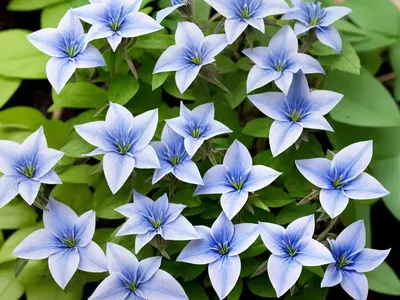
Platycodon grandiflorus, commonly known as Balloon Flower, is a perennial plant known for its beautiful blue, star-shaped flowers. The ‘Sentimental Blue’.
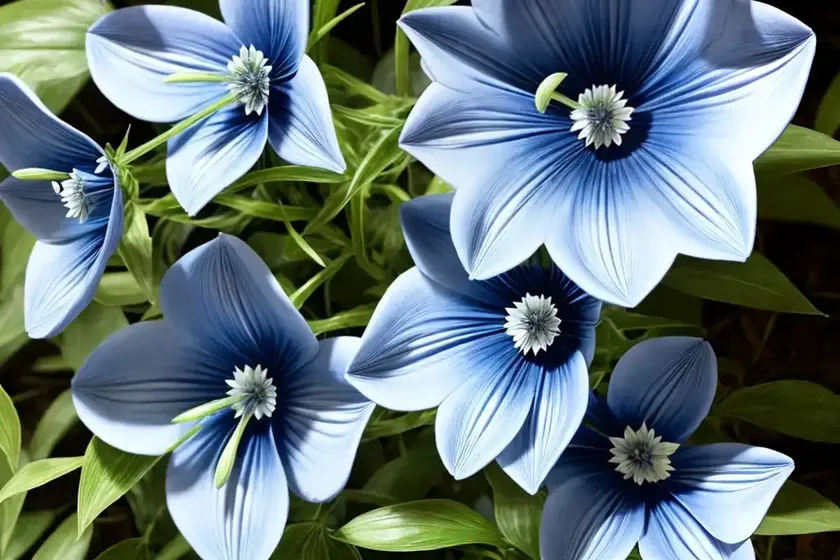
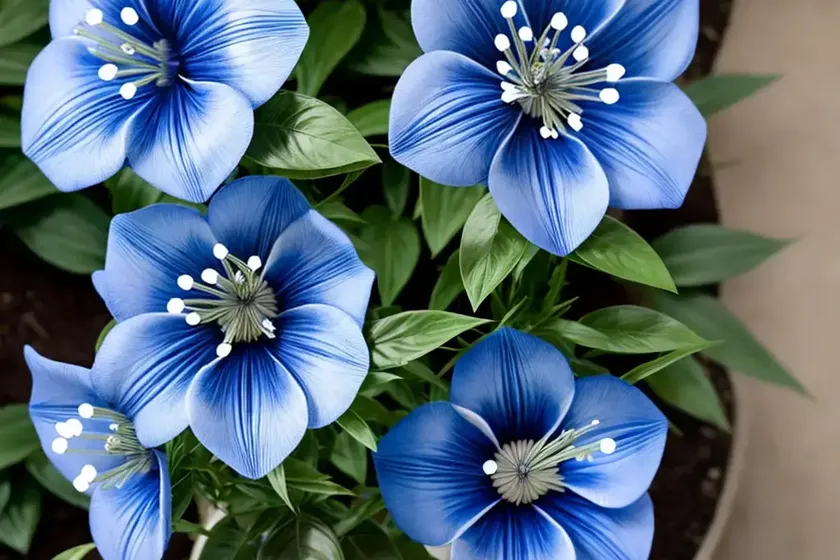
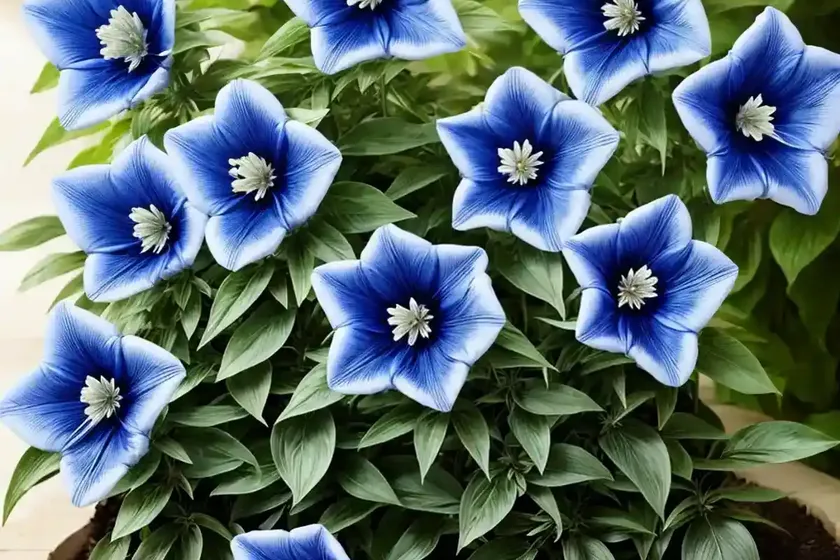
Platycodon grandiflorus, commonly known as Balloon Flower, is a perennial plant known for its beautiful blue, star-shaped flowers. The ‘Sentimental Blue’ variety, in particular, is cherished for its unique color and compact size, making it a delightful addition to gardens and landscapes. Belonging to the family Campanulaceae, the Balloon Flower is native to East Asia, including China, Korea, Japan, and East Siberia.
Key Takeaways – Platycodon grandiflorus ‘Sentimental Blue’
- Scientific Name: Platycodon grandiflorus ‘Sentimental Blue’
- Common Name: Balloon Flower
- Family: Campanulaceae
- Native: East Asia
- Notable Feature: Blue, star-shaped flowers
- Use: Ornamental, medicinal
- Hardiness Zone: 3-8
Now, let’s dive into the various aspects of cultivating and nurturing the stunning Platycodon grandiflorus ‘Sentimental Blue’.
Culture
Uses
The Balloon Flower, particularly the ‘Sentimental Blue’ variety, is primarily grown for its ornamental value. The striking blue flowers bring a pop of color to gardens, borders, and containers. Additionally, in traditional medicine, certain parts of the plant are used for their medicinal properties, particularly in East Asian cultures.
Water
Balloon Flowers prefer moderate watering, maintaining consistently moist soil. It is crucial to avoid overwatering, as this can lead to root rot and other issues. However, they are somewhat drought-tolerant once established and can withstand short periods of dry soil.
Sunlight
Platycodon grandiflorus thrives in full sunlight to partial shade. However, to promote abundant flowering, it is preferable to provide them with at least six hours of direct sunlight daily.
Fertilizer
A balanced, all-purpose fertilizer can be applied in spring as new growth emerges. Utilize a slow-release fertilizer or a diluted liquid fertilizer every four to six weeks during the growing season to encourage healthy growth and profuse blooming.
Soil
Well-draining soil with a slightly acidic to neutral pH is best for Balloon Flowers. They are adaptable to various soil types but thrive in fertile, loamy soil. Enhance the soil with organic matter such as compost to improve its texture and fertility.
Pruning
Pruning is not a necessity for Balloon Flowers. However, deadheading the spent flowers can encourage continuous blooming and maintain a neat appearance. Moreover, pruning back the stems after the first flush of flowers can promote a second bloom later in the season.
Propagation
Balloon Flowers can be propagated through various methods, including:
-
Seed Propagation: The plant produces small, light brown seeds in elongated seed pods. Collect the seeds when the pods have turned brown and sow them in a prepared seedbed in autumn. Alternatively, seeds can be started indoors in the spring and transplanted outdoors once the threat of frost has passed.
-
Division: Mature Balloon Flowers can be divided in early spring to create new plants. Gently dig up the clump, separate the roots, and replant the divisions in suitable locations.
-
Root Cuttings: During the dormant season, take root cuttings and plant them in a moist, well-draining growing medium. With appropriate care, new plants will emerge from the cuttings.
Container Popularity
Platycodon grandiflorus ‘Sentimental Blue’ is an excellent choice for container gardening, adding a touch of elegance to patio spaces, balconies, and small urban gardens. The compact size of this variety makes it well-suited for growing in containers. Ensure that the containers have drainage holes to prevent waterlogging, and use a high-quality potting mix to provide the necessary nutrients for the plant’s growth.
Common Diseases
Disease Diagnosis
While Balloon Flowers are relatively resilient, they can be susceptible to certain diseases, including:
-
Powdery Mildew: This fungal disease appears as a powdery, white substance on the leaves and stems, often caused by poor air circulation and high humidity.
-
Leaf Spot: Characterized by dark spots on the leaves, this condition is usually a result of overwatering or splashing water on the foliage.
-
Root Rot: Overly wet conditions can lead to root rot, presenting symptoms such as wilting, yellowing foliage, and eventual collapse of the plant.
Common Pests
Balloon Flowers are generally not heavily targeted by pests. However, they may occasionally encounter the following pests:
-
Aphids: These small, soft-bodied insects can cluster on the stems and undersides of the leaves, sucking sap from the plant.
-
Slugs and Snails: These mollusks tend to feed on the foliage of Balloon Flowers, leaving behind irregular holes and damage.
-
Spider Mites: In hot, dry conditions, spider mites may infest the plant, causing stippling and webbing on the leaves.
Botanist’s Tips
-
Mulching: Apply a layer of organic mulch around the base of the plant to conserve moisture, regulate soil temperature, and inhibit weed growth.
-
Support: As the Balloon Flower stems can be delicate, providing support such as gentle staking can prevent them from bending or breaking, especially in windy conditions.
-
Winter Protection: In colder climates, add a layer of mulch or straw around the plants in late fall to insulate the roots and protect them from frost.
-
Companion Planting: Consider planting Balloon Flowers alongside other perennials and annuals that complement their growth habits and visual appeal. Good companions include daylilies, coneflowers, and asters.
Fun Facts
- The name “Balloon Flower” is derived from the unopened flower buds, which resemble small, inflated balloons before they unfurl.
- In traditional Chinese medicine, certain parts of Platycodon grandiflorus are used for their medicinal properties, primarily for respiratory health.
- Platycodon grandiflorus is also referred to as “Chinese Bellflower” due to its origins and bell-shaped blossoms.
These fun facts not only add to the allure of the Balloon Flower but also shed light on its cultural and historical significance.
Links to External Resources
For further exploration and information on Platycodon grandiflorus ‘Sentimental Blue’ and related topics, the following external resources are recommended:
- The Plant List | Platycodon grandiflorus
- Sentimental Blue Balloon Flower | Missouri Botanical Garden
- Growing Balloon Flowers | University of Illinois Extension
- Platycodon grandiflorus ‘Sentimental Blue’ | RHS
- Balloon Flower (Platycodon grandiflorus) | NC State Extension
These resources encompass a wide array of valuable insights into the cultivation, care, and appreciation of Platycodon grandiflorus ‘Sentimental Blue’ and related botanical subjects.
With its enchanting blue blooms, adaptability to various growing conditions, and minimal maintenance requirements, Platycodon grandiflorus ‘Sentimental Blue’ stands as a charming addition to gardens, containers, and landscapes. Its rich cultural history and ornamental allure make it a cherished favorite among gardeners and plant enthusiasts.
Whether you’re captivated by its vibrant floral display or intrigued by its traditional uses, the Balloon Flower continues to enthrall and inspire, adding a touch of elegance and fascination to outdoor spaces and beyond.