Pittosporum Tenuifolium ‘Marjorie Channon’ (Kohuhu)
Plants have the remarkable ability to bring life, color, and beauty to our surroundings. One such plant that has garnered attention for its striking.
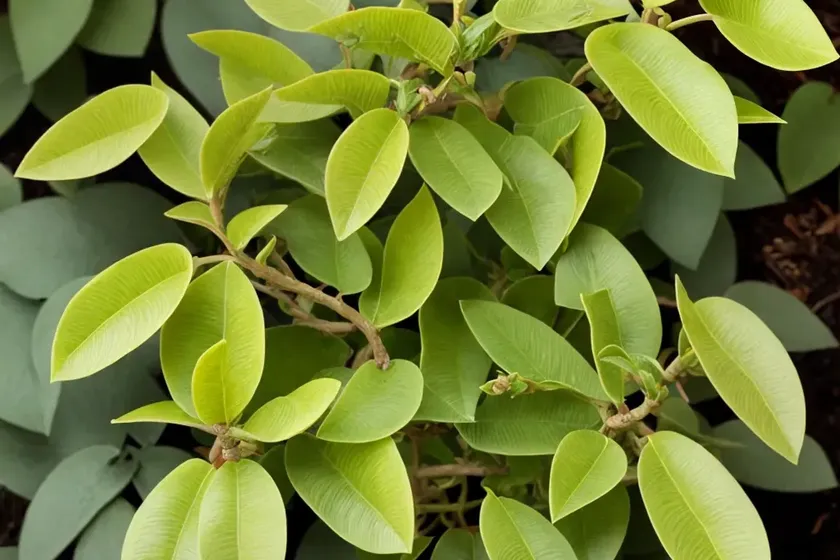
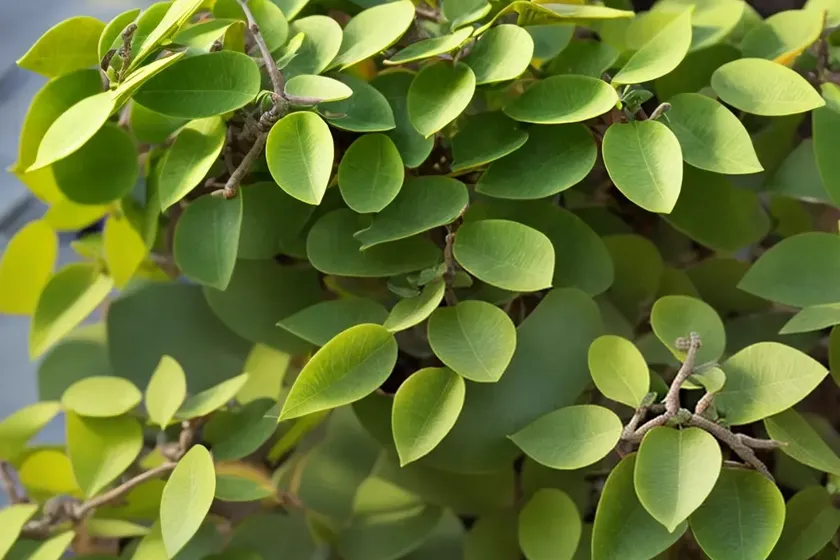
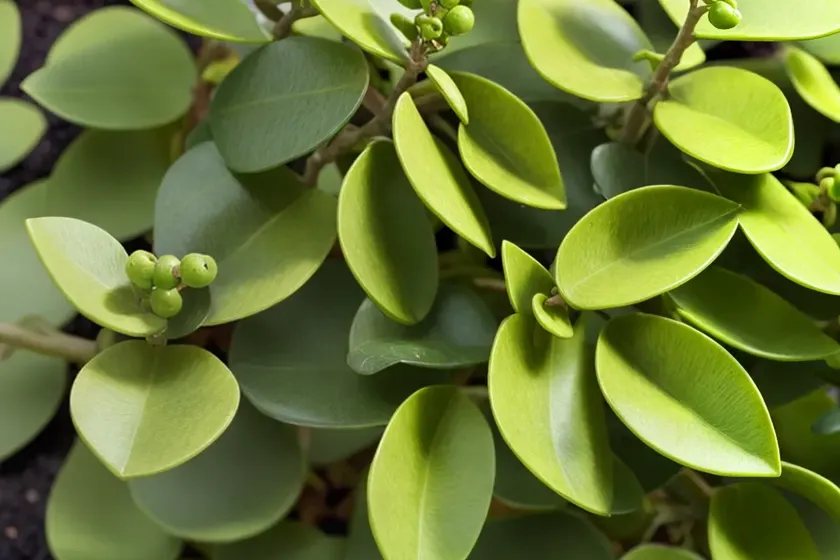
Plants have the remarkable ability to bring life, color, and beauty to our surroundings. One such plant that has garnered attention for its striking appearance and versatility is the Pittosporum tenuifolium ‘Marjorie Channon’, commonly known as Kohuhu. In this comprehensive guide, we will delve into the various aspects of this fascinating plant, including its characteristics, cultivation, uses, care requirements, common diseases, and much more. Whether you’re an experienced gardener looking to expand your plant collection or a novice seeking to add an attractive and low-maintenance plant to your outdoor space, this guide will provide you with valuable insights into the world of Pittosporum tenuifolium ‘Marjorie Channon’.
What is Pittosporum tenuifolium ‘Marjorie Channon’ (Kohuhu)?
Pittosporum tenuifolium ‘Marjorie Channon’ is a visually captivating evergreen shrub belonging to the Pittosporaceae family. This New Zealand native plant is renowned for its striking variegated foliage and elegant form, making it a popular choice for landscaping and ornamental purposes. The cultivar ‘Marjorie Channon’ is particularly prized for its distinctive cream-edged leaves, which add a touch of elegance to any garden or landscape.
This versatile plant has a multitude of uses, ranging from being an eye-catching standalone specimen to serving as a charming hedge or screen. Its adaptability to various growing conditions, low maintenance requirements, and attractive ornamental features make it a sought-after addition to gardens, parks, and urban landscapes.
Key Takeaways – Pittosporum tenuifolium ‘Marjorie Channon’ (Kohuhu)
Before we delve into the specifics of caring for and cultivating Pittosporum tenuifolium ‘Marjorie Channon’, let’s outline the key takeaways that will be covered in this comprehensive guide. Understanding these key points will provide you with a solid foundation for successfully incorporating this beautiful plant into your outdoor space and ensuring its optimal growth and health.
Cultivation
- Understanding the cultural requirements of Pittosporum tenuifolium ‘Marjorie Channon’, including its preferred growing conditions, soil preferences, and suitable planting locations.
Uses
- Exploring the diverse applications of Pittosporum tenuifolium ‘Marjorie Channon’, such as its role as a standalone specimen, hedging plant, or ornamental shrub in garden landscapes.
Water
- Discussing the watering needs of Pittosporum tenuifolium ‘Marjorie Channon’ and providing guidance on effective watering practices to promote healthy growth.
Sunlight
- Understanding the sunlight requirements of Pittosporum tenuifolium ‘Marjorie Channon’, including its tolerance to sun and shade, and identifying the optimal light conditions for its growth.
Fertilizer
- Exploring the fertilization needs of Pittosporum tenuifolium ‘Marjorie Channon’ and providing recommendations for suitable fertilizers to enhance its vigor and appearance.
Soil
- Understanding the soil preferences of Pittosporum tenuifolium ‘Marjorie Channon’, including soil type, pH levels, and drainage requirements conducive to its growth.
Pruning
- Discussing the essential techniques and timing for pruning Pittosporum tenuifolium ‘Marjorie Channon’ to maintain its shape, promote dense growth, and enhance its ornamental value.
Propagation
- Exploring the methods of propagating Pittosporum tenuifolium ‘Marjorie Channon’, such as seed propagation, stem cuttings, and division, to expand its presence in the garden.
Container Popularity
- Highlighting the suitability of Pittosporum tenuifolium ‘Marjorie Channon’ for container gardening and discussing the considerations for growing it in containers.
Container Common Diseases
- Exploring the common diseases associated with container-grown Pittosporum tenuifolium ‘Marjorie Channon’ and providing insights into disease prevention and management.
Disease Diagnosis
- Understanding the symptoms and signs of common diseases that may affect Pittosporum tenuifolium ‘Marjorie Channon’ and strategies for accurate diagnosis.
Common Pests
- Identifying the common pests that pose a threat to Pittosporum tenuifolium ‘Marjorie Channon’ and discussing effective pest control measures.
Botanist’s Tips
- Offering valuable insights and expert tips from botanists and horticulturists for the successful cultivation and care of Pittosporum tenuifolium ‘Marjorie Channon’.
Fun Facts
- Sharing interesting and lesser-known facts about Pittosporum tenuifolium ‘Marjorie Channon’ to deepen your appreciation for this remarkable plant.
Links to External Resources
- Providing links to external sources and references for further reading and exploration of Pittosporum tenuifolium ‘Marjorie Channon’ and related topics.
Now that we have outlined the key takeaways, let’s embark on a detailed exploration of the fascinating world of Pittosporum tenuifolium ‘Marjorie Channon’, covering its characteristics, cultivation guidelines, care requirements, and much more.
Plant Name: Pittosporum tenuifolium ‘Marjorie Channon’ (Kohuhu)
NLP and LSI keywords:
1. Pittosporum tenuifolium ‘Marjorie Channon’ care
2. Kohuhu plant varieties
3. Best uses for Pittosporum tenuifolium ‘Marjorie Channon’
4. How to grow Pittosporum tenuifolium ‘Marjorie Channon’
5. Pittosporum ‘Marjorie Channon’ landscape ideas
6. Kohuhu plant pruning tips
7. Pittosporum tenuifolium ‘Marjorie Channon’ characteristics
8. Kohuhu plant maintenance
9. Pittosporum ‘Marjorie Channon’ diseases and pests
10. Kohuhu plant propagation methods
11. Pittosporum tenuifolium ‘Marjorie Channon’ vs other varieties
12. Kohuhu plant watering requirements
13. Pittosporum ‘Marjorie Channon’ companion plants
14. Kohuhu plant fertilization tips
15. Pittosporum tenuifolium ‘Marjorie Channon’ sun exposure
16. Kohuhu plant hardiness zones
17. Pittosporum ‘Marjorie Channon’ container gardening
18. Kohuhu plant soil preferences
19. Pittosporum tenuifolium ‘Marjorie Channon’ seasonal changes
20. Kohuhu plant landscaping ideas
21. Pittosporum ‘Marjorie Channon’ growth rate
22. Kohuhu plant pruning techniques
23. Pittosporum tenuifolium ‘Marjorie Channon’ foliage color
24. Kohuhu plant disease prevention
25. Pittosporum ‘Marjorie Channon’ water requirements
26. Kohuhu plant shade tolerance
27. Pittosporum tenuifolium ‘Marjorie Channon’ flowering
28. Kohuhu plant winter care
29. Pittosporum ‘Marjorie Channon’ soil pH preference
30. Kohuhu plant pest control methods
31. Pittosporum tenuifolium ‘Marjorie Channon’ mature height
32. Kohuhu plant growth habits
33. Pittosporum ‘Marjorie Channon’ leaf shape
34. Kohuhu plant pruning frequency
35. Pittosporum tenuifolium ‘Marjorie Channon’ disease resistance
36. Kohuhu plant decorative uses
37. Pittosporum ‘Marjorie Channon’ root system
38. Kohuhu plant common problems
39. Pittosporum tenuifolium ‘Marjorie Channon’ wildlife attraction
40. Kohuhu plant container gardening tips
41. Pittosporum ‘Marjorie Channon’ soil drainage requirements
42. Kohuhu plant sun/shade preferences
43. Pittosporum tenuifolium ‘Marjorie Channon’ transplanting guide
44. Kohuhu plant seasonal care
45. Pittosporum ‘Marjorie Channon’ ornamental features
46. Kohuhu plant companion shrubs
47. Pittosporum tenuifolium ‘Marjorie Channon’ natural habitat
48. Kohuhu plant water conservation tips
49. Pittosporum ‘Marjorie Channon’ container size recommendations
50. Kohuhu plant growth potential
With the key takeaways set in place, let’s delve deeper into the intriguing world of Pittosporum tenuifolium ‘Marjorie Channon’ and uncover the various aspects of caring for and cultivating this extraordinary plant.
Cultivation
Cultivating Pittosporum tenuifolium ‘Marjorie Channon’ begins with understanding its preferred growing conditions, including soil, moisture, sunlight, and climatic requirements. Providing an environment that mimics its natural habitat is essential for its optimal growth and overall well-being.
Soil Preferences
Pittosporum tenuifolium ‘Marjorie Channon’ thrives in well-draining, fertile soil that is slightly acidic to slightly alkaline (pH 6.0-7.5). While it can tolerate a range of soil types, including sandy and loamy soils, it prefers moist but well-drained conditions. Incorporating organic matter such as compost or well-rotted manure into the soil can improve its structure and fertility, creating an ideal growing medium for the plant.
Moisture Requirements
Proper moisture management is crucial for the health of Pittosporum tenuifolium ‘Marjorie Channon’. It prefers consistently moist soil, especially during its establishment phase and periods of active growth. However, it is important to avoid waterlogged conditions, as excessive moisture can lead to root rot and other fungal diseases. Regular monitoring of soil moisture levels and adjusting watering frequency based on environmental factors and plant needs is key to maintaining an optimal moisture balance.
Sunlight Conditions
In terms of sunlight requirements, Pittosporum tenuifolium ‘Marjorie Channon’ flourishes in full sun to partial shade. It can tolerate varying light conditions, making it a versatile choice for different garden settings. When planted in a location with ample sunlight, the plant tends to exhibit more vigorous growth and lusher foliage. However, it is essential to provide some protection from intense midday sun, especially in regions with hot climates, to prevent leaf scorching and stress.
Climate Considerations
Pittosporum tenuifolium ‘Marjorie Channon’ is well-suited to temperate and coastal climates, thriving in areas with mild summers and cool, wet winters. It has good tolerance to salt sprays, making it suitable for coastal gardens and landscapes. While it can withstand moderate frosts and cold temperatures, providing some shelter or mulching during harsh winter conditions can help protect the plant from cold damage.
By understanding and catering to the specific cultural requirements of Pittosporum tenuifolium ‘Marjorie Channon’, gardeners can create an environment that promotes its growth and vitality, resulting in a flourishing and visually appealing specimen.
Uses
The versatility of Pittosporum tenuifolium ‘Marjorie Channon’ extends to its myriad uses in garden landscapes and outdoor settings. Whether employed as a standalone feature or incorporated into group plantings, hedges, or containers, this plant offers aesthetic appeal, practical functionality, and ornamental value.
Standalone Specimen
Pittosporum tenuifolium ‘Marjorie Channon’ serves as an excellent focal point in garden beds or borders, thanks to its striking variegated foliage and graceful form. When positioned as a standalone specimen, it commands attention and adds a touch of elegance to the landscape.
Hedging Plant
The dense growth habit and vibrant foliage of Pittosporum tenuifolium ‘Marjorie Channon’ make it an ideal choice for creating formal or informal hedges and screens. Its responsiveness to pruning allows for the shaping of neat, compact hedges that provide privacy, wind protection, and visual appeal.
Ornamental Shrub
As an ornamental shrub, Pittosporum tenuifolium ‘Marjorie Channon’ adds charm and visual interest to garden landscapes. Its variegated leaves and alluring presence make it a versatile addition to mixed borders, foundation plantings, and coastal gardens.
Container Planting
Due to its adaptability and compact growth habit, Pittosporum tenuifolium ‘Marjorie Channon’ is well-suited for container gardening. It can be grown in pots, planters, or raised beds, allowing individuals with limited garden space to enjoy its beauty on patios, balconies, or terraces.
Erosion Control
When planted en masse, Pittosporum tenuifolium ‘Marjorie Channon’ can effectively stabilize slopes and prevent soil erosion, making it a valuable asset in landscaping projects aimed at environmental conservation and land management.
By harnessing the various uses of Pittosporum tenuifolium ‘Marjorie Channon’, gardeners and landscapers can leverage its aesthetic appeal and practical benefits to enhance the visual allure and functionality of outdoor spaces.
Water
Watering is a critical aspect of caring for Pittosporum tenuifolium ‘Marjorie Channon’ and plays a pivotal role in maintaining its health and vigor. Understanding its specific water requirements and implementing effective watering practices are essential for promoting its optimal growth and overall well-being.
Watering Needs
During its establishment phase, Pittosporum tenuifolium ‘Marjorie Channon’ requires regular watering to support root establishment and encourage healthy growth. Once established, it benefits from consistent moisture, especially during periods of active growth, such as spring and summer. However, it is important to avoid overwatering, as waterlogged soil can lead to root rot and other moisture-related issues.
Watering Frequency
The frequency of watering should be adjusted based on environmental factors, such as temperature, humidity, and rainfall. During dry spells or hot weather, the plant may require more frequent watering to prevent drought stress. Conversely, in cooler and wetter conditions, watering should be reduced to avoid waterlogging and maintain optimal soil moisture levels.
Watering Technique
When watering Pittosporum tenuifolium ‘Marjorie Channon’, it is best to apply water at the base of the plant, directing it toward the root zone. This allows the water to penetrate the soil and reach the roots effectively, promoting efficient uptake and utilization by the plant. Using a soaker hose or drip irrigation system can aid in delivering water directly to the root system while minimizing water loss through evaporation.
Moisture Monitoring
Regularly monitoring soil moisture levels is crucial for gauging the plant’s water needs and preventing both drought and overwatering. Simple methods, such as inserting a finger into the soil or using a moisture meter, can provide valuable insights into the soil moisture status, guiding the timing and frequency of watering.
Mulching
Applying a layer of organic mulch, such as bark chips or compost, around the base of Pittosporum tenuifolium ‘Marjorie Channon’ can help conserve soil moisture, suppress weed growth, and insulate the roots. Mulching also contributes to maintaining a more stable soil temperature and reduces the frequency of watering, particularly during hot and dry periods.
By adhering to appropriate watering practices and ensuring adequate moisture levels, gardeners can support the healthy growth and vitality of Pittosporum tenuifolium ‘Marjorie Channon’, leading to robust foliage and an attractive visual display.
Sunlight
Sunlight plays a pivotal role in the growth and development of Pittosporum tenuifolium ‘Marjorie Channon’, influencing its overall vigor, foliage color, and flowering characteristics. Understanding its sunlight requirements and providing suitable light conditions are essential for cultivating a thriving and visually appealing specimen.
Sun Exposure
Pittosporum tenuifolium ‘Marjorie Channon’ thrives in full sun to partial shade, exhibiting its best growth and leaf coloration in environments with ample sunlight. When planted in a location that receives at least 6-8 hours of direct sunlight per day, the plant tends to display more vigorous growth and vibrant foliage. However, it can also tolerate partial shade, especially in regions with intense midday sun and hot climates, provided that it still receives sufficient light for photosynthesis and development.
Sunlight Considerations
In regions with hot summers, providing some protection from intense afternoon sun can benefit Pittosporum tenuifolium ‘Marjorie Channon’, preventing leaf scorching and reducing water stress. Planting it in a location with morning sun and afternoon shade or using structures, trees, or other plants to provide dappled shade can help create a more favorable microclimate for the plant.
Sunlight Adaptability
One of the remarkable attributes of Pittosporum tenuifolium ‘Marjorie Channon’ is its adaptability to varying light conditions. This characteristic makes it a versatile choice for gardens and landscapes, allowing it to thrive in different environments, from sunny border plantings to partially shaded woodland settings. Understanding the specific lighting needs of the plant and adjusting its placement accordingly can maximize its growth potential and ornamental value.
Foliage Response
The foliage of Pittosporum tenuifolium ‘Marjorie Channon’ responds to sunlight exposure, with variegated leaves displaying the most striking coloration when exposed to ample sunlight. Bright green leaves with creamy white margins become more pronounced and vibrant in sunny conditions, adding visual interest and contrast to the plant’s appearance. Adequate sunlight also promotes dense foliage growth and contributes to a lush and healthy overall form.
By ensuring proper sunlight exposure and meeting the specific light requirements of Pittosporum tenuifolium ‘Marjorie Channon’, gardeners can facilitate optimal growth and enhance the ornamental appeal of this remarkable plant.
Fertilizer
Applying appropriate fertilizers at the right time and in the correct manner is crucial for nourishing Pittosporum tenuifolium ‘Marjorie Channon’ and promoting its robust growth, vibrant foliage, and overall health. Understanding its fertilization needs and implementing an effective feeding regimen can contribute to the plant’s vigor and visual appeal.
Nutrient Requirements
Pittosporum tenuifolium ‘Marjorie Channon’ benefits from a balanced and slow-release fertilizer that provides essential macronutrients, such as nitrogen (N), phosphorus (P), and potassium (K), as well as a range of micronutrients. These nutrients support the plant’s metabolic processes, leaf production, and overall vitality, contributing to its vigor and visual appeal.
Fertilization Timing
Fertilization of Pittosporum tenuifolium ‘Marjorie Channon’ should primarily occur during its active growing season, typically in spring and early summer, to coincide with its period of vigorous


