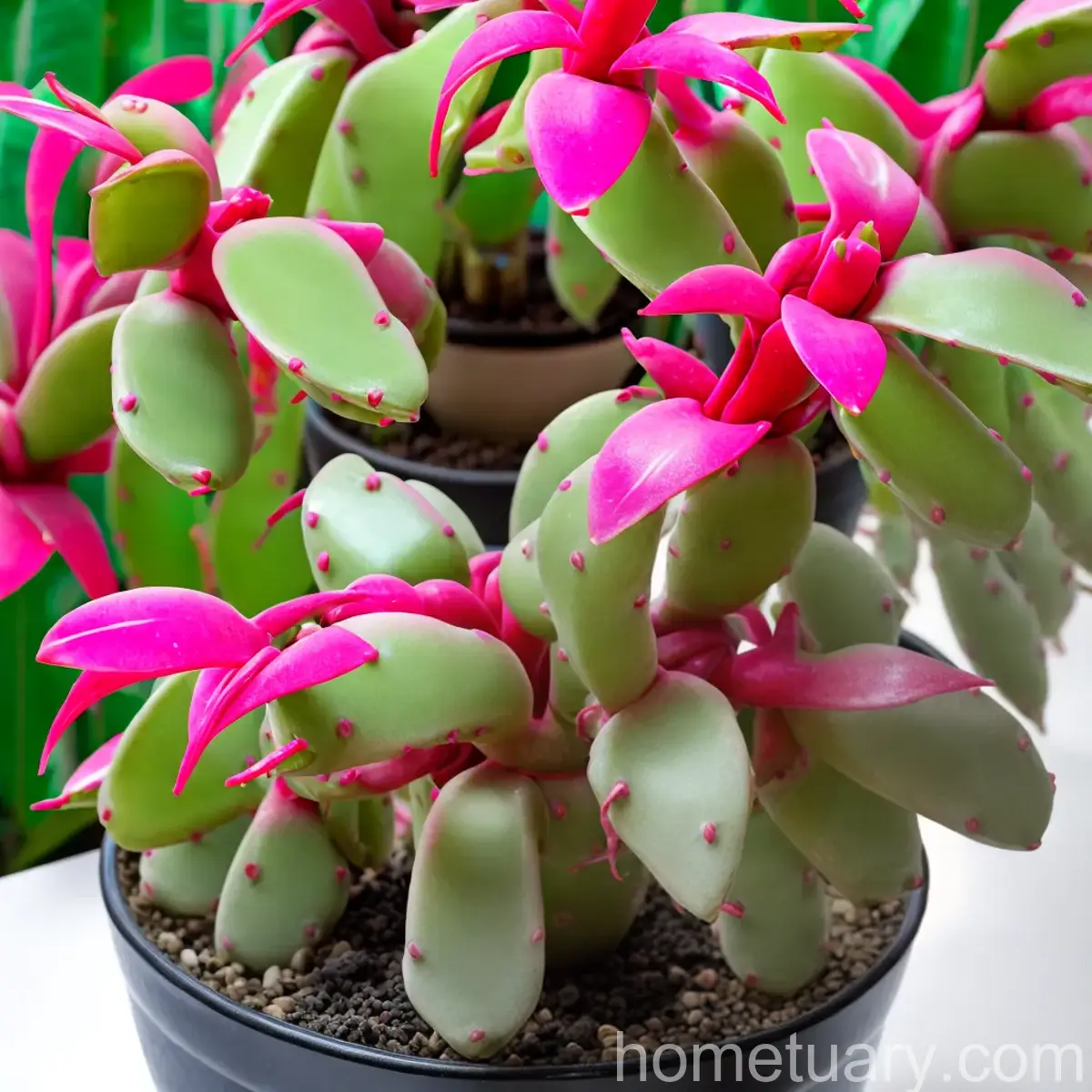
Christmas Cactus (Schlumbergera x buckleyi) Care Guide
Welcome to our comprehensive guide to caring for the Christmas cactus (Schlumbergera x buckleyi). This beautiful and unique plant is a popular choice for indoor gardening, and with the right care, it can reward you with stunning blooms and vibrant foliage. Whether you’re a seasoned plant enthusiast or a beginner looking to add a touch of festive beauty to your home, this guide will provide you with all the essential information you need to ensure your Christmas cactus thrives.
What is a Christmas Cactus (Schlumbergera x buckleyi)?
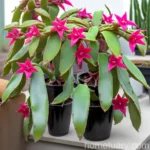
The Christmas cactus, scientifically known as Schlumbergera x buckleyi, is a striking plant species that belongs to the family Cactaceae. Native to the tropical rainforests of Brazil, it has earned its common name due to its tendency to bloom around the Christmas season in the Northern Hemisphere. The Christmas cactus is known for its flat, segmented stems that give rise to vivid, tubular flowers in a range of colors including pink, red, white, and purple. Its distinct appearance and vibrant blooms make it a popular choice for indoor plant enthusiasts, particularly during the holiday season.
Key Takeaways – Christmas Cactus (Schlumbergera x buckleyi)
Before delving into the specifics of caring for the Christmas cactus, let’s highlight some key takeaways:
-
The Christmas cactus (Schlumbergera x buckleyi) is a tropical plant known for its stunning blooms, which often coincide with the holiday season.
-
This plant requires relatively low maintenance and is well-suited for indoor gardening, making it an attractive choice for both experienced gardeners and beginners.
-
Proper care practices, including appropriate watering, sunlight exposure, and fertilization, are crucial for encouraging healthy growth and prolific blooming.
-
Understanding the unique cultural requirements of the Christmas cactus, such as its dormancy period and specific humidity preferences, is essential for its overall well-being.
Now, let’s explore each aspect of Christmas cactus care in detail.
Culture
Cultivating a healthy Christmas cactus involves creating an environment that closely mimics its natural habitat in the tropical rainforests. Understanding its cultural preferences is fundamental to promoting its growth and blooming cycle. Here are the key cultural aspects to consider:
Water
Proper watering is essential to the well-being of the Christmas cactus. Unlike traditional cacti, which require infrequent watering, the Christmas cactus prefers consistently moist – though not waterlogged – soil. During the active growing season, typically from spring to early fall, water the plant when the top inch of the soil feels dry to the touch. Be mindful of overwatering, as excessively saturated soil can lead to root rot and other issues.
During the plant’s dormant period in late fall and winter, reduce watering frequency to allow the soil to dry out slightly between waterings. This helps simulate the drier conditions the Christmas cactus experiences in its natural habitat. Proper drainage is crucial to prevent water accumulation at the plant’s roots. Using a well-draining potting mix and a container with drainage holes is recommended to facilitate proper water management.
Sunlight
While the Christmas cactus thrives in bright, indirect light, it is sensitive to intense sunlight, particularly during the hottest parts of the day. Ideally, place the plant in an east or west-facing window where it can receive ample, indirect sunlight. Avoid exposing the Christmas cactus to prolonged periods of direct sun, as this can lead to sunburn and damage the plant.
During the growing season, consistent light exposure is necessary to promote bud formation and blooming. However, during the plant’s dormant period, which coincides with shorter daylight hours, providing a period of darkness at night is crucial to stimulate flower production. Offering around 12-14 hours of darkness per day for 6-8 weeks in the fall can encourage the Christmas cactus to set buds and prepare for its stunning display of flowers.
Fertilizer
Fertilizing the Christmas cactus during its active growth phase can significantly enhance its overall health and blooming potential. Using a balanced, water-soluble fertilizer with a formulation such as 20-20-20 can provide the essential nutrients the plant needs. During the growing season from spring to summer, apply a diluted fertilizer solution every 2-4 weeks to support healthy growth and vibrant blooms.
However, it’s essential to adjust the fertilization regimen during the plant’s dormant period in late fall and winter. Withheld fertilization during this time allows the Christmas cactus to naturally rest and prepare for its blooming cycle. Resuming regular fertilization as the plant enters its active growth phase in spring helps replenish its nutrient reserves and encourages robust foliage and flower development.
Soil
The Christmas cactus flourishes in a well-draining, porous potting mix to prevent waterlogged conditions and support healthy root growth. A high-quality, peat-based potting soil with added perlite or coarse sand can provide the optimal growing medium for the plant. This type of soil combination facilitates adequate moisture retention while allowing excess water to drain away, mitigating the risk of root rot and other water-related issues.
When repotting the Christmas cactus, choose a container that provides ample room for root expansion and has sufficient drainage holes to prevent water accumulation. Repotting is typically necessary every 2-3 years, or when the plant outgrows its current container. Transplanting the Christmas cactus during the spring or early summer, just after the blooming period, minimizes stress on the plant and promotes successful acclimatization to its new pot.
Pruning
Pruning is an integral part of Christmas cactus care and is essential for maintaining a compact, attractive shape and encouraging prolific blooming. Regular pruning also helps to remove any damaged or wilted segments, promoting overall plant health. When pruning the Christmas cactus, use clean, sharp scissors to make precise cuts without causing unnecessary damage to the plant.
One particular method of pruning that can promote abundant flowering is pinch pruning. This technique involves removing approximately 1/4 inch from the tips of the stem segments, which encourages the development of new growth and additional bud formation. However, it’s important to avoid excessive pruning during the period leading up to the plant’s anticipated blooming, as this can disrupt its budding process and result in a diminished floral display.
Propagation
Propagating the Christmas cactus is a rewarding way to expand your collection of these captivating plants or share them with friends and family. The most common method of propagation is through stem cuttings, which involves taking healthy segments of the plant and cultivating them into new, independent plants. Here’s a simple guide to propagating the Christmas cactus from stem cuttings:
- Select a healthy, mature segment of the Christmas cactus measuring approximately 2-3 segments in length.
- Using clean, sharp scissors or pruning shears, make a clean cut at the joint where the segment connects to the main stem.
- Allow the cutting to air dry for a day or two to form a callus over the cut end, which helps prevent rotting during the propagation process.
- Once calloused, plant the cutting in a suitable growing medium, such as a mixture of perlite and peat moss or a well-draining potting mix.
- Place the cutting in a warm, humid environment with indirect light and keep the growing medium lightly moist but not waterlogged.
- Over time, the cutting should develop roots and begin to produce new growth, indicating successful propagation.
- Once the new plant has established a healthy root system, gradually acclimate it to the growing conditions of a mature Christmas cactus.
With proper care and attention, propagations from stem cuttings have the potential to mature into robust, blooming Christmas cactus plants, extending the beauty and charm of this species in your indoor garden.
Container
Selecting the right container is crucial for the well-being of the Christmas cactus. Opt for a pot or container that provides ample room for the plant’s roots to expand and has sufficient drainage holes to prevent water accumulation. Additionally, choosing a container with a slightly porous material, such as clay or terracotta, can help maintain optimal soil moisture levels and provide a stable environment for the plant.
When repotting the Christmas cactus, aim to use a container that is approximately 1-2 inches larger in diameter than its current pot. This allows for sufficient room for the plant to grow and minimizes the risk of compacted roots. However, excessive pot size can lead to waterlogged conditions and negatively impact the plant’s health, so it’s important to strike a balance when selecting a new container.
Popularity
The Christmas cactus (Schlumbergera x buckleyi) is a highly popular plant choice, particularly for indoor gardening enthusiasts. Its striking blooms and relatively low maintenance requirements make it an attractive addition to homes, offices, and other indoor spaces. The plant’s distinct appearance, coupled with its tendency to bloom during the holiday season, contributes to its widespread popularity as a decorative and ornamental plant.
Christmas cacti are often favored as gift plants, adding a touch of natural beauty and festive cheer to the recipient’s surroundings. With proper care, these plants can thrive for many years, establishing themselves as cherished fixtures in indoor gardens and contributing to the overall ambiance of the space.
Common Diseases
Despite being relatively resilient plants, Christmas cacti are susceptible to certain diseases and health issues. Understanding common diseases and their potential causes can help you identify and address any problems promptly, safeguarding the health and vitality of your Christmas cactus. Here are some common diseases that can affect the plant:
Disease Diagnosis
-
Root Rot: Root rot is a prevalent issue among Christmas cacti, often caused by overwatering or poorly draining soil. Symptoms include wilting, yellowing, or mushy stems, as well as a foul odor emanating from the soil. To diagnose root rot, carefully inspect the plant’s roots for signs of decay and consider repotting it in fresh, well-draining soil if necessary.
-
Leaf Spot: Leaf spot diseases, caused by fungal pathogens, can manifest as discolored or darkened spots on the plant’s foliage. Proper air circulation and avoiding overhead watering can help prevent leaf spot diseases. Prune affected areas and ensure the plant is in a well-ventilated environment to mitigate the spread of the disease.
-
Stem Rot: Stem rot, similar to root rot, can result from excessive moisture and poor drainage. It presents as soft, discolored, or sunken areas on the stems and can lead to wilting and overall decline in plant health. Remove any affected segments and adjust the plant’s watering regimen to prevent further issues.
-
Botrytis Blight: Botrytis blight, caused by the fungal pathogen Botrytis cinerea, can affect Christmas cacti, particularly in high humidity conditions. Symptoms include grayish mold or fuzzy growth on the plant’s stems and soil. Addressing the underlying cause of elevated humidity and improving air circulation can help prevent and manage botrytis blight.
Understanding the signs and symptoms of these common diseases is essential for addressing issues promptly and preventing the spread of disease to other plants in your collection. By maintaining a consistent care routine and providing an optimal growing environment, you can significantly reduce the risk of disease and promote the long-term health of your Christmas cactus.
Common Pests
While Christmas cacti are relatively resistant to pests, they can occasionally encounter issues with common indoor plant pests. Identifying and addressing pest infestations early can help protect the plant from extensive damage. Here are some common pests that may affect Christmas cacti and ways to manage them:
-
Spider Mites: These tiny, sap-sucking pests can affect the Christmas cactus, particularly in dry indoor environments. Signs of spider mite infestation include webbing between stems and a stippled or bronzed appearance on the foliage. Regularly misting the plant, maintaining adequate humidity, and physically removing visible pests can help manage spider mite populations.
-
Mealybugs: Mealybugs are soft-bodied, cottony pests that can congregate on the stems and leaf joints of the Christmas cactus. To combat mealybug infestations, gently remove the pests with a cotton swab dipped in rubbing alcohol, and monitor the plant for any recurring signs of infestation.
-
Scale Insects: Scale insects are small, immobile pests that attach themselves to the plant’s stems and feed on its sap. They can appear as raised, waxy bumps on the plant’s surface. Use a soft brush or cloth dampened with soapy water to remove scale insects from the plant, and monitor for any signs of recurrence.
By practicing regular monitoring and employing preventive measures such as maintaining optimal humidity levels and ensuring adequate air circulation, you can reduce the likelihood of pest infestations and protect the overall health of your Christmas cactus.
Botanist’s Tips
To truly excel at caring for the Christmas cactus and witness its full potential, consider incorporating these expert tips into your care routine:
-
Maintain Consistent Humidity: Christmas cacti thrive in environments with moderate humidity levels. During periods of low humidity, consider using a humidity tray or a room humidifier to ensure the plant’s needs are met. Additionally, avoid placing the plant in areas with fluctuating humidity, such as near air vents or drafty windows.
-
Observation and Adjustments: Regularly observe your Christmas cactus for any signs of stress, disease, or pest issues. Promptly address any concerns and make necessary adjustments to its care routine to ensure optimal conditions for growth and blooming.
-
Gentle Handling: When handling the Christmas cactus, particularly during repotting or pruning, exercise care to avoid excessive damage to the plant’s stems and segments. Gentle handling can help minimize stress and promote overall plant health.
-
Encourage Natural Light Cycles: During the fall and winter months, providing the Christmas cactus with the appropriate period of darkness at night can help stimulate bud formation and ensure a prolific blooming display.
Fun Facts
To deepen your appreciation for the Christmas cactus, here are some intriguing and entertaining facts about this captivating plant:
-
The Christmas cactus is not a true desert cactus, but rather a tropical epiphyte found in the rainforests of Brazil, where it grows on trees and rocks rather than in the soil.
-
In addition to the popular Schlumbergera x buckleyi, there are other species and hybrids of Schlumbergera that contribute to the diversity of Christmas cacti available to plant enthusiasts.
-
The ability of Christmas cacti to bloom in response to specific environmental cues, particularly the duration of darkness, showcases the plant’s remarkable adaptation to its natural habitat and the changing seasons.
-
Mature Christmas cacti have the potential to produce an abundance of vivid, tubular flowers, creating a visually stunning and festive display during their blooming period.
-
When cared for properly, Christmas cacti can be long-lived, with some specimens thriving and blooming for several decades, becoming cherished heirlooms within families and households.
Now that you’ve gained insights into the care and fascinating characteristics of the Christmas cactus, you’re well-equipped to cultivate and enjoy the beauty of this remarkable plant in your home.
Links to External Resources
For further information and resources on Christmas cactus care and related topics, we recommend exploring the following sources:
- The Old Farmer’s Almanac – Growing Christmas Cactus
- University of Illinois Extension – Christmas Cactus and Thanksgiving Cactus
- Royal Horticultural Society – Christmas Cactus Care
By delving into these resources, you can enhance your knowledge and proficiency in caring for the Christmas cactus and expand your understanding of related botanical concepts and practices.
As you embark on the journey of tending to your Christmas cactus, remember that patience, attentiveness, and a touch of botanical expertise can lead to a flourishing and blooming spectacle that brings joy and natural splendor to your indoor space. With the guidance provided in this extensive care guide, you’re well-prepared to cultivate, nurture, and admire the beauty of the Christmas cactus in all its vibrant glory.
Remember, there is wonder in caring for plants. Embrace the magic of nature, and let the Christmas cactus enchant your indoor garden with its captivating allure.