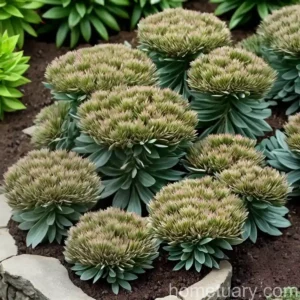
The Versatile Caucasian Stonecrop (Sedum spurium ‘Album Superbum’)
Sedum spurium ‘Album Superbum,’ commonly known as Caucasian stonecrop, is a beautiful and versatile perennial plant that has gained popularity among gardeners and landscapers alike. This succulent plant belongs to the family Crassulaceae and is native to the Caucasus region. Its low maintenance requirements, attractive foliage, and ability to thrive in various growing conditions make it a valuable addition to any garden or landscape.
In this comprehensive guide, we will explore the various aspects of cultivating, caring for, and using Caucasian stonecrop in different settings. Whether you are a seasoned gardener or a novice plant enthusiast, you will find valuable insights into the culture, uses, maintenance, and landscaping potential of Sedum spurium ‘Album Superbum.’
Key Takeaways – Caucasian Stonecrop (Sedum spurium ‘Album Superbum’)
Before we delve into the specifics of growing and caring for Caucasian stonecrop, let’s take a quick look at the key takeaways associated with this remarkable plant:
- Botanical Name: Sedum spurium ‘Album Superbum’
- Common Name: Caucasian Stonecrop
- Plant Type: Perennial succulent
- Characteristics: Low-growing, spreading habit, succulent foliage, white star-shaped flowers
- Uses: Ground cover, rock gardens, containers, borders, xeriscaping
- Maintenance: Low maintenance, drought-tolerant, resilient
- Hardiness Zones: 3-9
- Sunlight: Full sun to partial shade
- Soil: Well-draining, average fertility
- Watering: Low to moderate water requirements
- Propagation: Easily propagated from stem cuttings or division
Now, let’s explore each of these aspects in detail to gain a comprehensive understanding of Caucasian stonecrop and its cultivation.
What is Caucasian Stonecrop (Sedum spurium ‘Album Superbum’)?
Caucasian stonecrop, scientifically known as Sedum spurium ‘Album Superbum,’ is a perennial succulent plant that belongs to the genus Sedum within the family Crassulaceae. This species is native to the Caucasus region, which encompasses parts of Eastern Europe and Western Asia. It is characterized by its low-growing and spreading habit, making it an ideal choice for ground cover and other landscaping applications.
Plant Characteristics
-
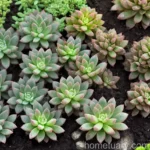
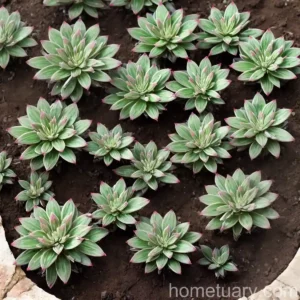
Foliage: The foliage of Caucasian stonecrop is succulent and fleshy, with a rounded or elliptical shape. The leaves are typically arranged in whorls along the stems and exhibit varying shades of green, often with hints of red or bronze in response to environmental conditions.
-
Flowers: In late spring to early summer, Caucasian stonecrop produces clusters of star-shaped flowers on terminal inflorescences. The flowers are usually white or pale pink, adding a delightful touch of color to the plant’s overall appearance.
-
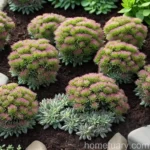
Growth Habit: This sedum variety forms low mats or carpets of foliage, spreading slowly to cover the ground and suppress weed growth. Its growth habit makes it an excellent choice for creating a uniform and visually appealing ground cover.
Culture
The culture of Caucasian stonecrop encompasses the specific growing conditions and care requirements that contribute to the plant’s overall health and vitality. By understanding its cultural needs, gardeners can create an optimal environment for sedum spurium ‘Album Superbum’ to thrive.
Uses
Caucasian stonecrop offers a multitude of uses in various gardening and landscaping scenarios, thanks to its versatile nature and aesthetic appeal. Some common uses of Sedum spurium ‘Album Superbum’ include:
-
Ground Cover: Its low-growing and spreading habit makes Caucasian stonecrop an excellent ground cover plant, particularly in sunny or dry areas where other plants may struggle to survive. It forms a dense mat of foliage that effectively blankets the soil and prevents erosion.
-
Rock Gardens: The succulent nature of Caucasian stonecrop makes it well-suited for rock gardens and alpine plantings. Its ability to thrive in poor, rocky soils and endure harsh conditions makes it a valuable addition to rock garden designs.
-
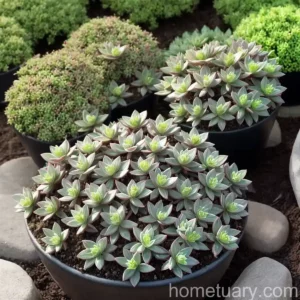
Containers: Due to its adaptability and aesthetic appeal, Sedum spurium ‘Album Superbum’ can be grown in containers, providing a striking display of foliage and flowers. Its low maintenance requirements also make it an ideal choice for container gardening.
-
Borders and Edging: The spreading habit of Caucasian stonecrop allows it to be used as a border plant or for edging garden beds, where it forms a neat and uniform border while adding a touch of greenery and color.
-
Xeriscaping: Given its drought tolerance and low water needs, Sedum spurium ‘Album Superbum’ is well-suited for xeriscape designs, helping to create water-efficient landscapes that are both environmentally friendly and visually appealing.
Water
Caucasian stonecrop exhibits low to moderate water requirements, making it well-adapted to dry or semi-arid environments. However, proper watering is essential, especially during its establishment phase and in prolonged periods of drought. Here are some guidelines for watering Sedum spurium ‘Album Superbum’:
-
Establishment: Newly planted Caucasian stonecrop should be watered more frequently to help it establish a healthy root system. Water deeply after planting and continue to provide regular watering until the plant shows signs of new growth and resilience.
-
Drought Tolerance: Once established, Caucasian stonecrop can tolerate dry conditions and periods of limited rainfall. However, during extended dry spells, particularly in warmer climates, supplementary watering may be necessary to prevent excessive stress on the plants.
-
Watering Frequency: In general, water Caucasian stonecrop when the soil becomes dry to the touch, particularly during the active growing season. Be cautious not to overwater, as excessive moisture can lead to root rot and other issues.
Sunlight
In terms of sunlight requirements, Caucasian stonecrop thrives in full sun to partial shade, displaying good adaptability to varying light conditions. Proper exposure to sunlight is crucial for the plant’s growth, flowering, and overall vitality.
-
Full Sun: When grown in full sun, Sedum spurium ‘Album Superbum’ typically displays more compact growth and intense foliage colors. It also tends to produce an abundance of flowers, enhancing its ornamental value.
-
Partial Shade: In regions with hot summers or intense sunlight, providing partial shade during the hottest part of the day can help protect Caucasian stonecrop from excessive heat and sunburn. Partial shade can also be beneficial in reducing moisture loss from the soil.
-
Sun Requirements: To ensure healthy growth and flowering, aim to provide Caucasian stonecrop with at least 6 hours of direct sunlight per day, although it can also tolerate less intense light conditions.
Fertilizer
Unlike some high-maintenance plants, Caucasian stonecrop has minimal fertilizer requirements, given its natural adaptability to nutrient-poor soils. However, a light application of balanced fertilizer can be beneficial when the plant is establishing itself or showing signs of nutrient deficiency.
-
Establishment: When initially planting Caucasian stonecrop, incorporate a small amount of balanced, slow-release fertilizer into the soil to provide essential nutrients for the developing plants.
-
Minimal Fertilization: Once established, Sedum spurium ‘Album Superbum’ generally does not require regular feeding. Excessive fertilization can lead to lush, weak growth and may reduce the plant’s overall resilience.
-
Organic Amendments: If the soil is particularly poor in nutrients, the addition of organic matter, such as compost or well-rotted manure, can enhance soil fertility and improve the long-term health of the plants.
Soil
The choice of soil is critical in ensuring the success of growing Caucasian stonecrop, as it directly impacts the plant’s ability to establish a robust root system and maintain healthy growth. The ideal soil conditions for Sedum spurium ‘Album Superbum’ are well-draining and offer adequate aeration for the roots.
-
Well-Draining Soil: The primary requirement for Caucasian stonecrop is well-draining soil that prevents waterlogging and minimizes the risk of root rot. Sandy or gravelly soils with good drainage are well-suited for this plant.
-
Soil pH: Sedum spurium ‘Album Superbum’ prefers slightly acidic to neutral soil pH, typically in the range of 6.0 to 7.0. While it can tolerate a broad pH range, avoiding excessively alkaline soils is advisable.
-
Soil Amendment: If the native soil is heavy or poorly draining, amending it with coarse sand, perlite, or organic matter can improve its drainage and aeration, creating a more hospitable environment for Caucasian stonecrop.
-
Container Culture: When growing Sedum spurium ‘Album Superbum’ in containers, choose a well-draining potting mix specifically formulated for succulent plants. The mix should provide good aeration and drainage while retaining some moisture.
Pruning
Pruning is a straightforward and minimal aspect of Caucasian stonecrop maintenance, primarily aimed at managing growth, enhancing aesthetics, and rejuvenating the plants when necessary. Regular pruning is not a strict requirement for Sedum spurium ‘Album Superbum,’ but occasional maintenance can be beneficial.
-
Deadheading: Remove spent flowers to encourage continuous blooming and prevent the plant from investing unnecessary energy into seed production.
-
Trimming: If the plant begins to encroach on nearby paths or walkways, a light trim can help maintain a tidy appearance and prevent overcrowding.
-
Rejuvenation: Every few years, consider lifting and dividing mature Caucasian stonecrop clumps to rejuvenate the plants and promote vigorous growth.
-
Winter Pruning: In late winter or early spring, remove any damaged or dead foliage to make way for new growth and ensure the plants emerge fresh and healthy.
Propagation
One of the appealing aspects of Caucasian stonecrop is its ease of propagation, allowing gardeners to expand their plantings or share the beauty of Sedum spurium ‘Album Superbum’ with others. This succulent can be propagated through several straightforward methods, including stem cuttings and division.
-
Stem Cuttings: Take 4-6 inch (10-15 cm) cuttings from healthy Caucasian stonecrop stems and remove the lower leaves. Allow the cut ends to callous for a day or two before inserting them into a well-draining propagation medium. Keep the medium lightly moist until roots develop.
-
Division: Mature clumps of Caucasian stonecrop can be carefully divided by cutting through the root mass to create multiple smaller sections. Replant the divisions in suitable locations and provide appropriate care for their establishment.
-
Propagation Tips: Propagation is best carried out during the active growing season, typically in spring or early summer. Maintain moderate humidity and warmth during the rooting process to support successful propagation.
Container Popularity
As a versatile and visually appealing plant, Caucasian stonecrop has gained popularity for its use in container gardening, where it offers numerous advantages and opportunities for creative expression. When grown in containers, Sedum spurium ‘Album Superbum’ presents an array of possibilities for both indoor and outdoor settings.
Container Gardening Benefits:
-
Portability: Containers filled with Caucasian stonecrop can be moved and rearranged as needed to accommodate changing aesthetics or environmental conditions.
-
Urban Gardens: In urban environments or limited outdoor spaces, container gardening allows individuals to enjoy the beauty of sedum spurium ‘Album Superbum’ without extensive garden beds or open ground.
-
Accent Planting: The unique texture and colors of Caucasian stonecrop make it an excellent accent plant for container arrangements, complementing other succulents, annuals, or ornamental grasses.
-
Design Flexibility: Containers offer endless design possibilities, allowing individuals to create captivating displays of Sedum spurium ‘Album Superbum’ in various sizes, shapes, and compositions.
Container Growing Tips:
- Select well-draining containers with ample drainage holes to prevent waterlogging and root rot.
- Use a quality succulent potting mix that provides good aeration and nutrient balance for the plants.
- Water container-grown Caucasian stonecrop carefully to avoid overwatering, especially in enclosed spaces with limited air circulation.
- Position containers to receive adequate sunlight based on the plant’s specific light requirements, adjusting as needed to achieve optimal growth.
Common Diseases
While Caucasian stonecrop is generally resilient and disease-resistant, it may occasionally encounter certain issues that could affect its overall health and appearance. Recognizing and addressing common diseases promptly is essential in maintaining the vigor of Sedum spurium ‘Album Superbum.’
Some common diseases that may affect Caucasian stonecrop include:
-
Powdery Mildew: Under conditions of poor air circulation or high humidity, Caucasian stonecrop may be susceptible to powdery mildew, appearing as a white, powdery coating on the foliage. Ensuring proper spacing, adequate ventilation, and avoiding overhead watering can help prevent this fungal disease.
-
Root Rot: Overly wet or poorly draining soil can lead to root rot, causing the plant’s roots to become mushy, discolored, and foul-smelling. Avoid overwatering and ensure the soil provides good drainage to mitigate the risk of root rot.
-
Stem Rot: Similarly to root rot, stem rot can occur when the lower portions of the plant become infected and decay, leading to weakening and collapse. Proper watering practices and well-draining soil can help prevent stem rot.
-
Leaf Spot: Fungal leaf spot diseases may occasionally affect the foliage of Caucasian stonecrop, causing small, dark lesions or spots. Removing and disposing of affected leaves and promoting good air circulation can help manage leaf spot diseases.
Disease Diagnosis
Diagnosing and addressing potential diseases in Caucasian stonecrop involves careful observation of the plant’s appearance, behavior, and environmental conditions. When symptoms of disease or decline become apparent, it is important to promptly assess the situation and take appropriate measures to mitigate the issue.
Diagnosis Steps:
-
Visual Inspection: Examine the foliage, stems, and overall appearance of the plant for any signs of discoloration, wilting, spots, or abnormal growth.
-
Environmental Review: Consider the prevailing environmental conditions, such as moisture levels, air circulation, and surrounding plant health, to identify potential stressors or disease triggers.
-
Cultural Practices: Review the plant’s cultural care, including watering, sunlight exposure, soil quality, and maintenance routines, to assess whether any aspects may be contributing to disease development.
-
Professional Assistance: If the cause of the plant’s decline or disease symptoms is unclear, seek guidance from a horticulture professional or local extension service to obtain accurate diagnosis and treatment recommendations.
Common Pests
In addition to potential diseases, Caucasian stonecrop may encounter certain pests that could impact its growth and vitality. Vigilance in pest detection and appropriate pest management strategies are crucial for preserving the health and beauty of Sedum spurium ‘Album Superbum.’
Some common pests that may affect Caucasian stonecrop include:
-
Aphids: These small, sap-sucking insects can colonize the tender young shoots and foliage of Caucasian stonecrop, causing distortion, wilting, and honeydew secretions. Regular monitoring and the use of natural predators or insecticidal soap can help control aphid populations.
-
Snails and Slugs: These mollusks can feed on the succulent foliage of Sedum spurium ‘Album Superbum,’ leaving behind ragged edges and holes. Handpicking, copper barriers, and cultural practices to reduce moisture can help manage snails and slugs.
-
Spider Mites: These arachnids can infest the foliage of Caucasian stonecrop, particularly in dry and dusty conditions, resulting in stippling and webbing on the leaves. Regularly spraying the foliage with water and deploying natural predators can help suppress spider mite populations.
-
Scales: Scale insects may attach themselves to the stems and leaves of the plant, feeding on the plant’s sap and potentially causing wilting and decline. Pruning infested plant parts and applying horticultural oil can help control scale insects.
Botanist’s Tips
As an experienced botanist with a passion for horticulture, I offer the following tips based on my knowledge and expertise to help you successfully grow and enjoy Caucasian stonecrop in your garden or landscape:
-
Selecting a Planting Site: Choose a well-drained location with adequate sunlight for planting Caucasian stonecrop, ensuring that the site provides suitable conditions for the plant’s growth and development.
-
Spacing Considerations: When planting multiple Caucasian stonecrop specimens, allow proper spacing between the plants to accommodate their spreading habit and prevent overcrowding, which can lead to reduced air circulation and potential disease issues.
-
Mulching Benefits: Apply a thin layer of organic mulch around the base of Caucasian stonecrop to conserve soil moisture, suppress weed growth, and provide insulation during temperature fluctuations.
-
Drought Tolerance: Emphasize the plant’s exceptional drought tolerance and ability to thrive in challenging environments, making it an excellent choice for low-maintenance and water-efficient landscapes.
-
Appreciating Succulent Traits: Highlight the unique features of Sedum spurium ‘Album Superbum’ as a succulent, including its water-storing leaves, resilience in arid conditions, and adaptation to various soil types.
-
Wildlife Attraction: Note the plant’s potential to attract pollinators, such as bees and butterflies, with its nectar-rich flowers, contributing to biodiversity and ecological balance in the garden.
-
Maintenance Simplicity: Emphasize the low maintenance requirements of Caucasian stonecrop, making it suitable for busy gardeners or those seeking an effortlessly beautiful ground cover solution.
-
Design Flexibility: Showcase the versatility of Sedum spurium ‘Album Superbum’ in various garden designs, such as rock gardens, border plantings, container arrangements, and naturalistic landscapes.
-
Eco-Friendly Landscaping: Communicate the eco-friendly aspects of using Caucasian stonecrop in sustainable landscaping practices, including water-wise gardening and wildlife habitat creation.
-
Year-Round Interest: Highlight the plant’s year-round interest, from its resilient winter foliage to its summer flowering display, providing visual appeal throughout the seasons.
Fun Facts
Let’s conclude our comprehensive exploration of Caucasian stonecrop with some intriguing and delightful fun facts, adding an extra layer of appreciation for this remarkable plant:
-
Historical Significance: Stonecrops, including Sedum spurium, have been cultivated for centuries and were historically used for their medicinal properties and ornamental value.
-
Succulent Adaptations: The succulent leaves of Caucasian stonecrop allow the plant to withstand prolonged periods of drought by storing water for future use.
-
Cold-Hardy Nature: Sedum spurium ‘Album Superbum’ exhibits impressive cold hardiness, surviving freezing temperatures and even providing winter interest with its evergreen foliage.
-
Habitat Resilience: In its native habitat in the Caucasus region, Caucasian stonecrop thrives in rocky and mountainous terrain, showcasing its resilience in challenging environments.
-
Species Diversity: The genus Sedum encompasses a diverse array of species and cultivars, each featuring unique growth habits, foliage colors, and flowering characteristics.
-
Global Appeal: Sedum spurium ‘Album Superbum’ is cultivated and appreciated by gardeners and enthusiasts around the world, reflecting its universal appeal and adaptability.
With these fun facts, we hope to underscore the captivating and multi-faceted nature of Caucasian stonecrop, inviting further exploration and enjoyment of this outstanding plant.
Links to External Resources
For additional information, inspiration, and practical guidance on growing and appreciating Caucasian stonecrop (Sedum spurium ‘Album Superbum’), we recommend the following external resources:
- [The Royal Horticultural Society (RHS) – Sedum spurium](https://