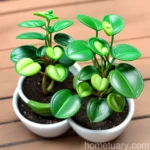
Pincushion Peperomia (Peperomia Amigo Marcello)
Introduction
The Pincushion Peperomia, scientifically known as Peperomia Amigo Marcello, is a captivating and low-maintenance plant that has gained popularity in indoor gardening circles. With its unique appearance and easy-care nature, the Pincushion Peperomia has become a favorite among plant enthusiasts and interior decorators alike. In this comprehensive plant care guide, we will delve into the various aspects of nurturing and maintaining this beautiful tropical species.
What is a Plant: Pincushion Peperomia (Peperomia Amigo Marcello)?
Peperomia is a diverse and widespread genus of perennial, epiphytic, and succulent plants that belong to the Piperaceae family, commonly known as the pepper family. The genus comprises over 1,500 known species, which are native to tropical and subtropical regions of the world, particularly Central and South America.
The Pincushion Peperomia, also known as Peperomia Amigo Marcello, is a charming variety within the Peperomia genus, renowned for its striking foliage and adaptability to indoor environments. Its compact size and vibrant, fleshy leaves make it an ideal choice for those seeking to add a touch of greenery to their living or workspaces.
Key Takeaways – Pincushion Peperomia (Peperomia Amigo Marcello)
Before delving into the specifics of caring for the Pincushion Peperomia, let’s outline some key takeaways about this fascinating plant:
- Scientific Name: Peperomia Amigo Marcello
- Common Name: Pincushion Peperomia
- Family: Piperaceae
- Genus: Peperomia
Now that we have a basic understanding of the Pincushion Peperomia, let’s explore the essential aspects of its care and maintenance.
Culture
Uses
Pincushion Peperomia is primarily cultivated for its ornamental purposes, serving as an attractive addition to indoor gardens, offices, and living spaces. Its vibrant foliage and compact growth habit make it an appealing choice for decorative plant displays and terrariums.
Water
One of the characteristic features of Peperomia plants, including the Pincushion variety, is their ability to store water in their thick, succulent leaves. This adaptation allows them to withstand periods of drought and makes them well-suited for indoor environments. When it comes to watering, it is crucial to strike a balance, ensuring that the soil is neither bone dry nor overly soggy.
- Watering Frequency: Allow the soil to partially dry out between waterings, typically every 7-10 days, depending on environmental conditions.
- Watering Method: Water the plant thoroughly, allowing excess water to drain from the pot’s drainage holes. Discard any accumulated water from the saucer to prevent waterlogging.
Sunlight
Pincushion Peperomia prefers bright, indirect light, making it an excellent choice for locations with ample natural light, such as near east or west-facing windows. While the plant can tolerate lower light conditions, providing moderate to bright light will promote healthier growth and vibrant foliage.
- Light Requirements: Ideally, the plant should receive 4-6 hours of indirect sunlight per day.
- Lighting Considerations: Avoid exposing the plant to direct sunlight, as this can lead to leaf burn and damage.
Fertilizer
Feeding your Pincushion Peperomia helps ensure that it receives essential nutrients for healthy growth and development. During the growing season, which typically spans from spring to early fall, regular fertilization can support the plant’s vitality.
- Fertilizer Type: Use a balanced, water-soluble fertilizer formulated for houseplants.
- Fertilizing Schedule: Apply fertilizer every 4-6 weeks during the growing season, diluting the concentration to half the recommended strength to prevent over-fertilization.
Soil
An appropriate potting mix is integral to the health and well-being of Pincushion Peperomia. A well-draining, aerated blend provides the necessary support while preventing waterlogging, which can lead to root rot and other complications.
- Potting Medium: Opt for a high-quality, peat-based potting mix enhanced with perlite or coarse sand to maximize drainage.
- Soil pH: Aim for a slightly acidic to neutral pH range (6.0-7.0) for optimal nutrient uptake.
Pruning
Regular pruning is not a significant requirement for Pincushion Peperomia, given its naturally compact growth habit. However, removing any damaged or yellowing leaves can enhance the plant’s appearance and prevent the spread of disease.
- Pruning Technique: Use clean, sharp scissors or pruning shears to trim away unwanted foliage, ensuring to make clean cuts to minimize injury to the plant.
Propagation
The propagation of Pincushion Peperomia can be achieved through several methods, including leaf cuttings and stem cuttings. This allows plant enthusiasts to expand their collection or share the beauty of this variety with others.
- Leaf Cuttings: Select healthy, mature leaves and propagate them in a moist, well-draining potting mix. Provide indirect light and maintain appropriate moisture levels for successful propagation.
- Stem Cuttings: Take stem cuttings with at least a couple of nodes and propagate them in a similar manner to leaf cuttings, ensuring that the cut ends have calloused over before planting.
Container Popularity
Being well-suited for container growth, Pincushion Peperomia is a popular choice for indoor gardening and urban plant enthusiasts. Its small size and attractive foliage make it a versatile option for various container displays and arrangements.
Container Common Diseases
While Pincushion Peperomia is relatively resistant to pests and diseases, it is essential to be mindful of potential issues that may arise, particularly in suboptimal growing conditions. Some common diseases that can affect Peperomia plants include:
- Root Rot: Caused by overwatering and waterlogged soil, leading to the decay of the plant’s roots.
- Leaf Spot: Fungal infections or bacterial pathogens can cause unsightly spots or lesions on the plant’s leaves.
Disease Diagnosis
In the event of suspected disease or pest infestation, it is crucial to promptly diagnose and address the issue to prevent its escalation. Careful observation of the plant’s symptoms can aid in accurate diagnosis, allowing for targeted treatment.
- Symptoms of Root Rot: Yellowing or wilting leaves, mushy or foul-smelling roots, and a general decline in the plant’s overall health.
- Symptoms of Leaf Spot: Circular or irregularly shaped spots on the leaves, often accompanied by a change in color or texture.
Common Pests
Pincushion Peperomia is relatively resistant to pests, thanks to its succulent leaves and durable foliage. However, occasional pest infestations can occur, necessitating vigilance and proactive measures to mitigate their impact.
- Common Pests: Spider mites, mealybugs, and aphids are among the potential pests that may affect Peperomia plants.
- Pest Control: Utilize natural remedies or horticultural oils to combat pest infestations, ensuring thorough coverage of the foliage and stems.
Botanist’s Tips
Here are some insightful tips from botanists and plant care experts for successfully nurturing Pincushion Peperomia:
- Humidity Considerations: Maintain adequate humidity levels, especially during the drier months, by utilizing pebble trays or a humidifier to create a conducive environment for the plant.
- Temperature Tolerance: While the plant thrives in average room temperatures, it is essential to protect it from sudden drafts or extreme temperature fluctuations, which can stress the plant.
Fun Facts
To further appreciate the allure of Pincushion Peperomia and the Peperomia genus as a whole, here are some fun and intriguing facts:
- Varied Leaf Patterns: Peperomia plants exhibit a remarkable diversity of leaf shapes and patterns, making each species a unique and visually captivating addition to any plant collection.
- Adaptability: The resilience and adaptability of Peperomia plants render them suitable for both novice and seasoned gardeners, providing an opportunity to experience tropical beauty within indoor settings.
Links to External Resources
For additional information, resources, and inspiration related to Pincushion Peperomia and Peperomia plant care, consider exploring the following external links:
- The American Phytopathological Society – Provides insights into disease management and prevention in ornamental plants, including Peperomia species.
- The Spruce – How to Care for Peperomia – Offers a comprehensive guide to caring for various Peperomia varieties, including practical tips for indoor cultivation.
- Gardening Know How – Explores the diverse range of Peperomia plant varieties and their unique characteristics, aiding in plant selection and identification.
Conclusion
In conclusion, the Pincushion Peperomia (Peperomia Amigo Marcello) stands out as an enchanting and adaptable plant that lends itself to a myriad of indoor gardening possibilities. With its striking foliage, low-maintenance requirements, and versatility in container displays, this tropical houseplant has found its place as a beloved addition to plant collections and interior decor schemes. By embracing the care tips and insights shared in this guide, both novice and experienced plant enthusiasts can foster thriving Pincushion Peperomia specimens, enjoying their aesthetic appeal and air-purifying benefits within indoor spaces. Whether used as “desk buddies,” green accents for home decor, or unique gifts for fellow plant enthusiasts, the Pincushion Peperomia exemplifies the charm and allure of tropical foliage, enriching urban environments and bringing a touch of nature indoors.