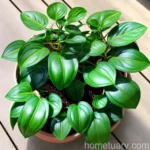
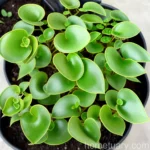
What is Peperomia Quadrangularis?
Peperomia Quadrangularis, also known as the parallel Peperomia or the Beetle Peperomia, is a species of flowering plants in the family Piperaceae. This tropical and perennial plant is native to Central and South America and is appreciated for its attractive foliage, easy-going nature, and low-maintenance care requirements. Its unique appearance and adaptability have made it a popular choice for indoor plant enthusiasts, especially for those looking to add a touch of greenery to their homes or offices.
Peperomia Quadrangularis is characterized by its succulent-like, thick, and fleshy stems, which are four-angled or square-shaped, hence the name “quadrangularis”. The plant’s leaves are fleshy, glossy, and often have striking patterns and colors, adding to its appeal as a decorative houseplant.
In this extensive guide, we will explore the various aspects of caring for Peperomia Quadrangularis, including its cultural requirements, uses, growing habits, common diseases, pests, and propagation techniques. Whether you are a beginner plant parent or a seasoned enthusiast, this comprehensive resource aims to provide you with all the essential knowledge and tips to nurture and enjoy the beauty of Peperomia Quadrangularis.
Key Takeaways – Peperomia Quadrangularis
Peperomia Quadrangularis is a versatile and visually appealing plant that has gained popularity among plant lovers due to its unique characteristics and ease of care. Below are the key takeaways highlighting its essential features:
-
Distinctive Square-Shaped Stems: The plant’s square-shaped, succulent stems make it a visually striking addition to any space.
-
Attractive Foliage: Peperomia Quadrangularis is known for its lush, fleshy leaves with varying patterns, colors, and textures, adding visual interest to indoor settings.
-
Low Maintenance: As a low-maintenance plant, Peperomia Quadrangularis thrives in indoor environments with minimal care and attention.
-
Adaptability: It can tolerate a range of light conditions and is well-suited for indoor cultivation in diverse climates.
-
Compact Growth Habit: With its compact growth habit, it is suitable for small spaces, making it an ideal choice for apartments, offices, or urban homes.
-
Propagation: The plant can be easily propagated through stem cuttings, offering plant enthusiasts the opportunity to expand their collection or share the plant with others.
Now, let’s delve into the detailed care and maintenance requirements for Peperomia Quadrangularis, covering various aspects such as culture, water, sunlight, fertilizer, soil, pruning, propagation, common diseases, and pests, along with fascinating insights and fun facts about this remarkable plant.
Culture
Understanding the cultural requirements of Peperomia Quadrangularis is crucial for providing an environment that supports healthy growth and development. From the planting medium to temperature and humidity levels, here’s a comprehensive overview of the plant’s cultural needs:
-
Temperature: Peperomia Quadrangularis thrives in average room temperatures ranging from 65°F to 75°F (18°C to 24°C). It is essential to avoid exposing the plant to extreme temperature fluctuations or drafts, as it may adversely impact its health.
-
Humidity: This plant appreciates moderate to high humidity levels, making it well-suited for bathrooms or kitchens with naturally higher humidity. In drier environments, consider using a humidifier or placing the plant on a pebble tray filled with water to increase the ambient moisture around the plant.
-
Potting Medium: As Peperomia Quadrangularis prefers well-draining soil, a mixture of peat moss, perlite, and coarse sand provides an ideal growing medium. This blend allows excess water to drain effectively, preventing waterlogging and root rot.
-
Pot Size: When choosing a pot for your Peperomia Quadrangularis, select a container that provides ample room for root development without being excessively large. A slightly tight fit can encourage compact growth and prevent waterlogging.
-
Pruning: Regular pruning can help maintain a compact and bushy appearance for Peperomia Quadrangularis. Trim leggy or overgrown stems to promote new growth and maintain the plant’s shape.
-
Propagation: The plant can be easily propagated from stem cuttings. Simply take a cutting with several leaves and place it in a suitable rooting medium to encourage the development of roots. Once roots have formed, the new plant can be potted in a separate container.
Uses
Peperomia Quadrangularis offers several uses and benefits beyond its aesthetic appeal. Understanding its potential applications and advantages can help plant enthusiasts appreciate the plant’s value beyond visual beauty:
-
Indoor Decoration: The attractive foliage of Peperomia Quadrangularis makes it an excellent choice for indoor decoration. Its compact size and striking appearance allow it to be showcased on shelves, desks, or as part of a plant display.
-
Air Purification: Like many other houseplants, Peperomia Quadrangularis contributes to indoor air purification by removing certain air pollutants and enhancing air quality.
-
Stress Reduction: Caring for houseplants such as Peperomia Quadrangularis has been linked to stress reduction and improved well-being, making it a valuable addition to home and office environments.
-
Educational Purposes: Peperomia Quadrangularis can be used for educational purposes, such as teaching children about plant care, propagation, and the diversity of plant species.
-
Garden Decor: In regions with suitable climates, Peperomia Quadrangularis can be grown outdoors as part of a garden, adding unique textures and colors to landscaping.
Water
Proper watering is essential for the health and vitality of Peperomia Quadrangularis. Understanding the plant’s water requirements, as well as appropriate watering techniques, is crucial for preventing issues such as overwatering or underwatering:
-
Watering Frequency: As a succulent-like plant, Peperomia Quadrangularis is adapted to storing water in its thick stems and leaves. Allow the soil to partially dry out between waterings to prevent waterlogged conditions, which can lead to root rot.
-
Moisture Checking: Use your finger to assess the soil moisture level before watering. Insert your finger into the soil up to the first knuckle, and if the soil feels dry at that depth, it is an indication that the plant may need watering.
-
Watering Technique: When watering, apply water evenly to the soil, allowing excess water to drain out from the bottom of the pot. Avoid leaving the plant in standing water, as it can lead to root suffocation and other moisture-related issues.
-
Seasonal Variations: Adjust the frequency of watering based on seasonal changes and environmental conditions. During the active growing season, typically in spring and summer, the plant may require more frequent watering compared to the dormant period in fall and winter.
Sunlight
Peperomia Quadrangularis exhibits adaptable light requirements, making it suitable for various indoor settings. Understanding its preferences for light exposure can aid in optimizing its growth and overall appearance:
-
Light Intensity: Peperomia Quadrangularis thrives in bright, indirect light. It is best to avoid placing the plant in direct sunlight, as this can lead to leaf scorching and sun damage, especially during the intense midday sun.
-
Indoor Placement: Choose locations with ample natural light, such as near a north- or east-facing window, to provide the plant with the ideal light conditions. If natural light is limited, consider supplementing with artificial grow lights to ensure sufficient light exposure.
-
Light Duration: As a plant that appreciates consistent light levels, maintain a regular light schedule for Peperomia Quadrangularis. Minimize sudden changes in light exposure, as this can cause stress and lead to leaf drop or other issues.
-
Light Variations: During the darker winter months, monitor the plant for any signs of light deficiency, such as stretching or a decrease in vibrancy. Adjust the plant’s placement or introduce supplemental lighting if necessary.
Fertilizer
While Peperomia Quadrangularis is not a heavy feeder, providing it with appropriate nutrients can support healthy growth and vibrant foliage. Understanding the fundamentals of fertilizing this plant is essential for promoting its overall well-being:
-
Fertilizer Type: Use a balanced, water-soluble fertilizer formulated for houseplants at half-strength or dilute according to the manufacturer’s instructions. Look for a fertilizer with an N-P-K ratio balanced across nitrogen (N), phosphorus (P), and potassium (K).
-
Fertilization Frequency: During the active growing season, which typically spans from spring to early fall, fertilize the plant approximately once a month. Reduce or discontinue fertilization during the winter months when the plant’s growth rate naturally slows down.
-
Application Technique: Apply the diluted fertilizer solution to the soil, ensuring even distribution without allowing the fertilizer to come into direct contact with the plant’s leaves or stems. Water the plant lightly after fertilizing to facilitate nutrient absorption.
-
Observation and Adjustment: Monitor the plant for any signs of nutrient deficiencies or excesses. When adjusting the fertilization regimen, consider factors such as light levels, temperature, and the plant’s overall health and growth rate.
Soil
The choice of soil and the planting medium significantly influences the health and vigor of Peperomia Quadrangularis. Understanding the characteristics of an ideal soil mix is crucial for providing a well-suited environment for the plant:
-
Well-Draining Soil: Peperomia Quadrangularis prefers soil that is well-draining and aerated to prevent waterlogging and promote healthy root development. A mix of peat moss, perlite, and coarse sand provides the necessary drainage and aeration.
-
Soil pH: The ideal soil pH for Peperomia Quadrangularis ranges from slightly acidic to neutral, typically between 6.0 and 7.0. Maintaining a suitable pH level ensures proper nutrient uptake and overall plant health.
-
Container Considerations: When potting or repotting Peperomia Quadrangularis, ensure that the chosen container has drainage holes to facilitate the expulsion of excess water. Additionally, select a potting medium that retains moisture without becoming waterlogged.
-
Moisture Retention: While well-draining, the soil mix should also retain adequate moisture to support the plant’s water needs between watering intervals. Regularly check the soil moisture to ensure it remains within the desired range.
Pruning
Pruning plays a vital role in maintaining an attractive and healthy appearance for Peperomia Quadrangularis. With regular pruning, the plant can be shaped, rejuvenated, and kept free from diseased or damaged foliage. Here are essential considerations for pruning this plant:
-
Regular Maintenance: Periodically inspect the plant for any dead, yellowing, or diseased leaves, and promptly trim them with clean, sharp scissors or pruning shears. Pruning also helps to encourage new growth and maintain the plant’s overall form.
-
Shaping and Control: If the plant becomes leggy or unruly, consider pruning back the stems to promote a bushier and more compact growth habit. Focus on retaining the plant’s desired shape while eliminating excessive or overgrown growth.
-
Sterilization: To prevent the spread of diseases or infection, sterilize the cutting tools with rubbing alcohol or a diluted bleach solution before and after each use.
-
Pruning Frequency: Integrate pruning into the plant’s regular maintenance routine, aiming to remove any unsightly or unhealthy growth as soon as it becomes apparent.
-
Propagation: The cuttings obtained from pruning can serve as viable propagation material, providing an opportunity to expand your Peperomia Quadrangularis collection or share the plant with others.
Propagation
Peperomia Quadrangularis can be easily propagated through stem cuttings, offering an accessible and rewarding method for expanding your plant collection or sharing the plant with fellow enthusiasts. Here’s a detailed look at the propagation process and essential considerations:
-
Stem Cutting Preparation: Select a healthy stem with several leaves and use clean, sharp scissors or pruning shears to take a cutting just below a leaf node. A cutting with multiple nodes has a higher chance of successful root development.
-
Rooting Medium: Prepare a suitable rooting medium, such as a mix of peat moss and perlite, to facilitate the development of roots. Moisten the medium slightly before inserting the cuttings to enhance the rooting process.
-
Rooting Environment: Place the prepared cuttings in a warm, humid environment with indirect light. Cover the cuttings with a clear plastic dome or plastic bag to create a mini greenhouse that retains moisture and encourages root formation.
-
Monitoring and Care: Regularly check the cuttings for signs of root development, which typically becomes visible within a few weeks. Mist the cuttings lightly and ensure the rooting medium remains slightly moist but not waterlogged.
-
Transplanting: Once the cuttings have developed a healthy root system, they can be gently transplanted into individual pots with well-draining soil. Maintain adequate humidity and gradually acclimate the new plants to normal growing conditions.
Container Popularity
Peperomia Quadrangularis is a popular choice for container cultivation due to its compact growth habit, attractive foliage, and adaptability to indoor environments. Its popularity as a container plant stems from several key characteristics:
-
Space Efficiency: With its compact size and bushy growth, Peperomia Quadrangularis is well-suited for small or limited spaces, making it an ideal choice for apartments, offices, or urban homes.
-
Decorative Element: The distinctive square-shaped stems and striking foliage make Peperomia Quadrangularis an attractive addition to indoor settings, adding visual interest and enhancing the overall decor.
-
Ease of Maintenance: As a low-maintenance plant, Peperomia Quadrangularis requires minimal care and attention, making it suitable for busy individuals or those new to plant care.
-
Adaptability: The plant’s adaptable nature allows it to thrive in various light conditions, making it suitable for a wide range of indoor environments.
-
Propagation Potential: The ease of propagating Peperomia Quadrangularis through stem cuttings allows enthusiasts to expand their plant collection or share the plant with others, contributing to its popularity as a container plant.
Common Diseases
While Peperomia Quadrangularis is relatively resistant to many common plant diseases, it can still be susceptible to certain issues, especially if cultural conditions are not optimal. Understanding the symptoms and management strategies for common diseases is essential for maintaining the plant’s health:
Root Rot (Phytophthora and Pythium Species)
-
Symptoms: Yellowing or wilting leaves, stunted growth, and a foul odor emanating from the soil.
-
Management: Avoid overwatering and ensure the plant’s container has proper drainage. If root rot is suspected, carefully inspect the roots for signs of decay and consider repotting the plant in fresh, well-draining soil.
Leaf Spot (Cercospora and Alternaria Species)
-
Symptoms: Small, dark spots on the leaves, which may enlarge and cause leaf yellowing or defoliation.
-
Management: Ensure adequate air circulation around the plant, avoid overhead watering, and promptly remove and discard affected leaves to prevent further spread.
Powdery Mildew (Erysiphales Species)
-
Symptoms: Powdery white patches on the leaves, typically accompanied by leaf distortion and reduced plant vigor.
-
Management: Improve air circulation, maintain moderate humidity levels, and consider applying a suitable fungicidal spray if the issue persists.
Bacterial Blight (Xanthomonas Species)
-
Symptoms: Water-soaked lesions on the leaves, which may develop into necrotic areas. In severe cases, leaf wilting and plant decline may occur.
-
Management: Remove and destroy affected plant parts, practice good sanitation, and consider using copper-based fungicides to manage the bacterial pathogen.
Viral Diseases
While viral diseases are less prevalent in Peperomia Quadrangularis, the best course of action for managing viral issues is prevention. Practice good hygiene, such as sterilizing tools and avoiding cross-contamination, to minimize the risk of introducing viral pathogens to the plant.
Disease Diagnosis
Diagnosing diseases in Peperomia Quadrangularis involves carefully observing the plant for any deviations from its normal growth and appearance. Here are essential steps to consider when diagnosing potential diseases:
-
Visual Assessment: Regularly inspect the plant for any changes in leaf color, texture, or shape, as well as the presence of spots, lesions, or other abnormalities.
-
Symptom Identification: Identify the specific symptoms exhibited by the plant, such as wilting, leaf discoloration, or visual signs of pests or pathogens.
-
Environmental Factors: Consider the plant’s cultural conditions, including light, water, temperature, and humidity, to assess whether environmental stress may be contributing to the symptoms observed.
-
Consultation: If unsure about the diagnosis, seek advice from experienced plant enthusiasts, horticulturists, or plant pathologists to obtain a more accurate assessment and guidance for management.
-
Management Strategy: Once the disease has been accurately diagnosed, implement appropriate management measures, such as cultural adjustments, pest control, or targeted treatment to address the issue.
Common Pests
Peperomia Quadrangularis may encounter various common pests that can affect its overall health and appearance. Identifying and addressing pest issues promptly is essential for preventing infestations and minimizing potential damage. Here are the common pests that may affect this plant:
Mealybugs
-
Indicators: White, cottony masses on the stems and leaves, along with weakening or yellowing of the plant.
-
Control Measures: Use a cotton swab dipped in rubbing alcohol to remove individual mealybugs, and consider applying insecticidal soap or neem oil to manage larger infestations.
Spider Mites
-
Indicators: Fine webbing on the plant, stippling or discoloration of the leaves, and reduced plant vigor.
-
Control Measures: Increase humidity to discourage spider mite development, rinse the plant with a strong stream of water, and use horticultural oil or insecticidal soap to manage infestations.
Aphids
-
Indicators: Clusters of small, soft-bodied insects on the new growth or underside of leaves, along with distorted or yellowing foliage.
-
Control Measures: Rinse the plant with water to dislodge aphids, introduce natural predators like ladybugs, or apply insecticidal soap to manage aphid populations.
Scale Insects
-
Indicators: Raised, dome-shaped brown or white scales on the stems and leaves, leading to a decline in plant health and vigor.
-
Control Measures: Use a soft brush or cotton swab dipped in alcohol to remove individual scale insects, and consider applying horticultural oil to manage their presence on the plant.
Fungus Gnats
-
Indicators: Small, black flies around the plant and larvae in the soil, potentially causing damage to the plant’s roots.
-
Control Measures: Allow the soil to dry out slightly between waterings, use yellow sticky traps to reduce adult populations, and consider applying an organic soil drench to manage the larvae.
Botanist’s Tips
As a plant scientist with a keen interest in the fascinating world of Peperomia Quadrangularis, I am thrilled to share some valuable insights and tips to ensure the successful cultivation and enjoyment of this remarkable plant. Whether you are just beginning your plant journey or are seeking to