Atlas Cedar (Cedrus Atlantica)
Cedrus Atlantica, commonly known as Atlas Cedar, is a majestic and versatile evergreen tree that belongs to the Pinaceae family. Native to the Atlas.
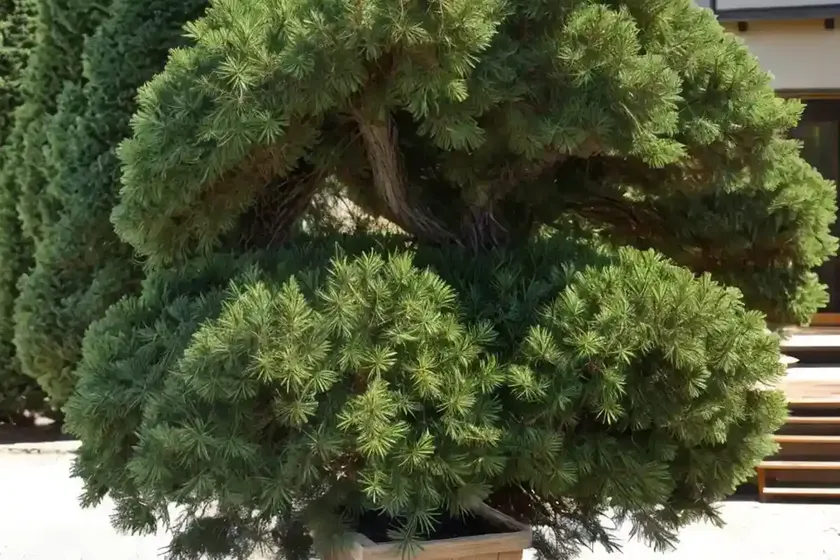
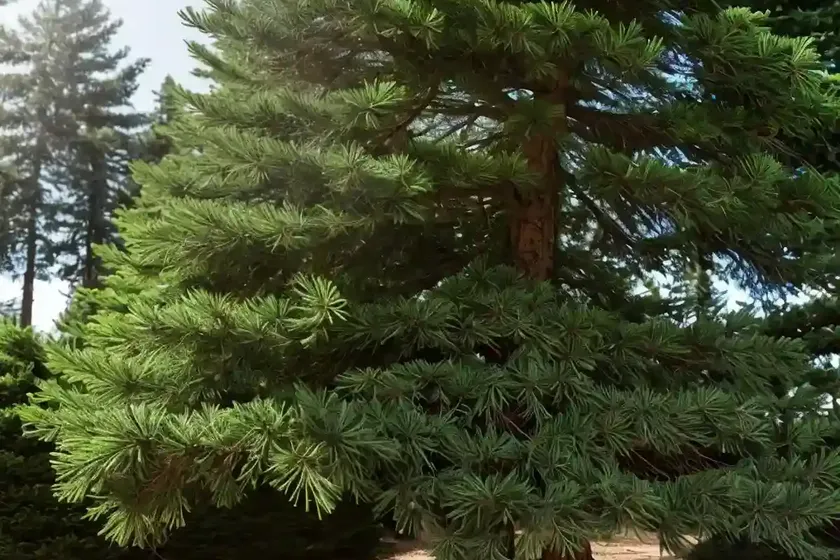
Cedrus Atlantica, commonly known as Atlas Cedar, is a majestic and versatile evergreen tree that belongs to the Pinaceae family. Native to the Atlas Mountains of Morocco and Algeria, the Atlas Cedar is widely revered for its ornamental beauty, durable wood, and a range of cultural and ecological uses.
In this comprehensive guide, we will delve into the various aspects of the Atlas Cedar, including its cultural requirements, uses, maintenance, common diseases, and propagation techniques. By the end of this journey, you will have gained a profound understanding of how to nurture and appreciate this remarkable species.
What is Atlas Cedar (Cedrus Atlantica)?
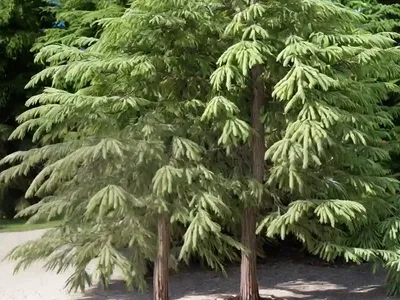
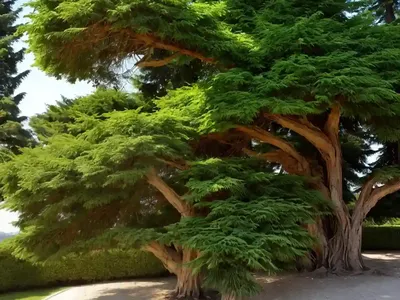
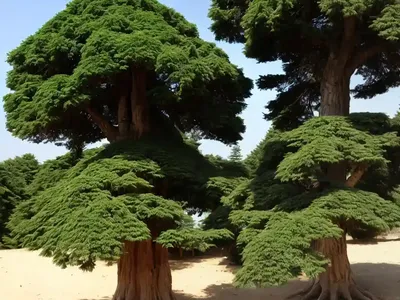
The Atlas Cedar, scientifically known as Cedrus Atlantica, is a species of evergreen coniferous tree characterized by its expansive, tiered branches and blue-green needles. It can attain impressive heights, often reaching 40 to 60 feet in maturity, with a broad and conical crown. The tree’s bark is rugged, deeply furrowed, and has an attractive silvery-gray tone, adding to its aesthetic appeal.
Plant Profile:

- Common Name: Atlas Cedar

- Scientific Name: Cedrus Atlantica

- Family: Pinaceae

- Native Habitat: Atlas Mountains, Morocco and Algeria

- Plant Type: Evergreen tree

- Height: 40 to 60 feet
The Atlas Cedar is often classified as a majestic specimen tree, a statement often made stronger by its prominent presence in many public gardens, parks, and large private estates.
Key Takeaways – Atlas Cedar (Cedrus Atlantica)
Before we embark on the detailed exploration of the Atlas Cedar, let’s highlight the key takeaways that will guide us through this botanical journey:
- Cultural Uses: The Atlas Cedar is appreciated for a wide array of cultural and practical uses, including its ornamental value in landscaping, durable timber, and the extraction of essential oils.
- Cultural Requirements: Understanding its water, sunlight, soil, and fertilization needs is essential to ensure the healthy growth of the Atlas Cedar.
- Maintenance Practices: Pruning, disease management, and propagation techniques play vital roles in maintaining the health and vigor of the Atlas Cedar.
- Ecological Significance: From providing wildlife habitat to its role in soil conservation, the Atlas Cedar has a significant ecological impact.
- Popularity and Container Cultivation: Its popularity and adaptability to container cultivation make the Atlas Cedar a versatile choice for both large gardens and compact urban spaces.
With these key takeaways in mind, let’s embark on an in-depth exploration of the Atlas Cedar, covering its cultural requirements, uses, maintenance practices, and ecological significance.
Culture
Water
The cultural requirements of the Atlas Cedar play a pivotal role in ensuring its healthy growth and longevity. When it comes to watering, it is essential to strike a balance that allows the tree to thrive without succumbing to water stress or root rot. Being mindful of the following watering guidelines can aid in achieving this equilibrium:
- Young Trees: Newly planted Atlas Cedars require regular watering particularly during dry spells to aid in the establishment of their root systems. Deep, thorough watering every 7-10 days is generally sufficient, but may vary based on soil type and local climate.
- Mature Trees: Once established, Atlas Cedars exhibit a moderate drought tolerance. Therefore, regular deep watering is recommended during prolonged dry periods. However, they are sensitive to waterlogged conditions, so ensuring well-draining soil is essential to prevent root rot.
Sunlight
Proper sunlight exposure is crucial for the health and vigor of Atlas Cedars, allowing them to display their signature blue-green foliage to its fullest potential. Here are the key considerations pertaining to sunlight exposure:
- Full Sun: Atlas Cedars thrive in full sun to partial shade, with at least 6 to 8 hours of direct sunlight per day being optimal. In regions with intense summer heat, providing some afternoon shade can be beneficial for preventing potential stress.
Fertilizer
Fertilization is essential for ensuring that Atlas Cedars receive the necessary nutrients for robust growth and development. Here are some guidelines for fertilizing these majestic trees:
- Timing: Fertilize young Atlas Cedars in early spring, just before the onset of new growth. For mature trees, consider fertilizing biennially or as indicated by soil tests.
- Type: Opt for a balanced, slow-release fertilizer formulated for conifers, ensuring that it contains essential macronutrients such as nitrogen, phosphorus, and potassium.
Soil
The soil composition and texture play a significant role in the health and vigor of the Atlas Cedar. The following guidelines can aid in providing an optimal soil environment for these majestic trees:
- Well-Drained Soil: Atlas Cedars thrive in well-drained, slightly acidic to neutral soils. Sandy loam or loamy soils with good drainage are ideal, ensuring that water does not pool around the roots.
- Soil Amendments: Incorporating organic matter such as compost or well-rotted manure into the soil during planting can aid in enhancing soil structure and fertility, contributing to the overall health of the tree.
Uses
The Atlas Cedar embodies a rich tapestry of uses, encompassing both cultural and practical applications that underscore its significance in various domains. Understanding the multifaceted uses of the Atlas Cedar provides profound insights into its cultural and ecological importance. Let’s explore these uses in detail:
Ornamental Value
The Atlas Cedar stands as an iconic symbol of beauty and grandeur in the realm of landscaping and ornamental horticulture. Popular for its striking appearance and commanding presence, it is often used as a prominent specimen tree in the following settings:
- Public Gardens and Parks: The stately demeanor and picturesque form of Atlas Cedars make them favorite choices for gracing public parks, botanical gardens, and estates, contributing to the aesthetic appeal of these landscapes.
- Large Estates and Properties: In large private estates and properties, Atlas Cedars are often employed as focal points, providing visual interest and structural elegance to the overall landscape.
- Urban Landscapes: Despite their colossal size at maturity, Atlas Cedars are adept at adapting to urban environments, especially when pruned and cultivated in compact forms. They often find their place in urban parks, large estate gardens, and along boulevards.
Timber
The Atlas Cedar yields high-quality timber that is highly valued for its durability, aesthetic appeal, and a range of commercial applications. The wood of the Atlas Cedar possesses the following characteristics:
- Durability: Known for its natural resistance to decay and insect infestation, Atlas Cedar wood is prized for its longevity and suitability for outdoor applications.
- Aesthetic Appeal: The wood exhibits an attractive grain pattern and a warm, reddish-brown hue, making it sought after in the production of fine furniture, decorative veneers, and architectural millwork.
Essential Oil
The extraction of essential oil from Atlas Cedar wood is an age-old practice with a myriad of practical and therapeutic applications. Atlas Cedar essential oil is revered for its distinctive aroma and diverse uses, including:
- Aroma Therapy: The warm, woody, and earthy fragrance of Atlas Cedar essential oil induces a calming and grounding effect, making it a popular choice for aromatherapy and holistic wellness practices.
- Preservative and Perfumery: The oil’s natural preservative properties and alluring fragrance make it a valued ingredient in perfumery, soaps, cosmetics, and personal care products.
Pruning
Pruning is an essential maintenance practice that plays a pivotal role in shaping the growth, structural integrity, and aesthetic appeal of the Atlas Cedar. When undertaken judiciously and at the appropriate times, pruning can enhance the overall health and vigor of these majestic trees. Here are some key considerations for pruning the Atlas Cedar:
- Timing: Prune Atlas Cedars during the dormant season, ideally in late winter or early spring, before the onset of new growth. This ensures rapid wound healing and minimizes stress on the tree.
- Goals: The primary objectives of pruning Atlas Cedars include removing dead, diseased, or damaged branches, shaping the tree for structural integrity, and promoting healthy new growth while preserving its natural form.
Propagation
The propagation of Atlas Cedars is essential for perpetuating their genetic diversity and ensuring their continued presence in diverse landscapes. Understanding the propagation techniques contributes to the conservation and cultivation of this esteemed species. Let’s explore the key propagation methods for Atlas Cedars:
Seed Propagation
Seeds are the primary means of propagating Atlas Cedars, offering a straightforward and reliable method for raising new trees. Here are the essential steps for successful seed propagation:
- Seed Collection: Harvest seeds from mature cones in the fall when they have turned brown, but before they begin to dehisce or open.
- Preparation: Soak the collected seeds in water for 24 to 48 hours to aid in the softening of the seed coat and promote germination.
- Sowing: Plant the seeds in a well-draining, sandy potting mix in individual containers, ensuring that they receive indirect sunlight, and maintain consistently moist but not waterlogged conditions.
Cuttings
Although less common, Atlas Cedars can also be propagated from semi-hardwood cuttings using the following method:
- Propagation Medium: Select healthy, semi-hardwood cuttings from the current season’s growth, preferably in late summer or early autumn. Remove the lower needles and dip the base of the cutting in rooting hormone.
- Planting: Place the cuttings in a soilless, well-draining medium such as sand or a mix of peat and perlite. Maintain high humidity and provide indirect sunlight until roots develop.
Container Popularity
The adaptability of Atlas Cedars to container cultivation has significantly expanded their popularity, making them coveted choices for both expansive gardens and limited urban spaces. Here are some key factors contributing to their popularity as container plants:
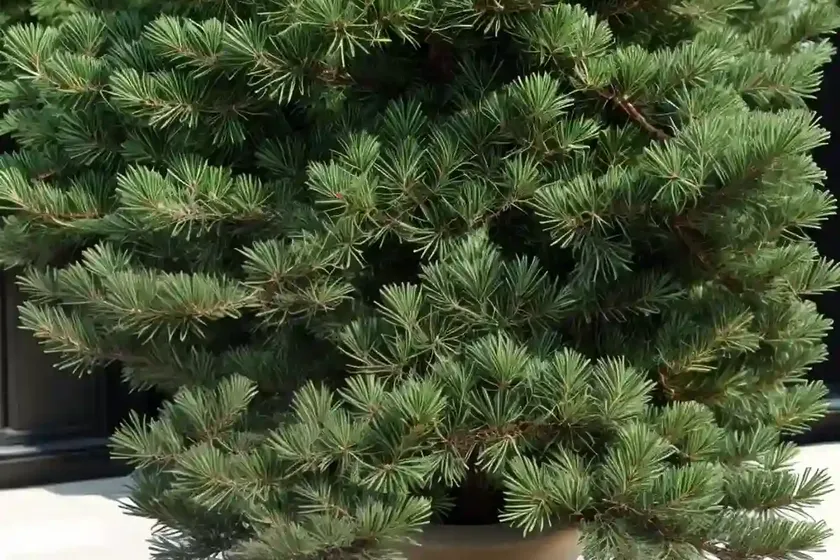
- Compact Varieties: The availability of compact or dwarf Atlas Cedar varieties, such as Cedrus Atlantica ‘Glauca Pendula’ and ‘Glauca Fastigiata’, makes them suitable for container cultivation, allowing for their integration into smaller landscapes.
- Architectural Form: The distinctive form and texture of Atlas Cedars make them striking container specimens, adding visual interest and structural elegance to patios, decks, and urban gardens.
Common Diseases
While the Atlas Cedar is generally resilient, it is susceptible to certain diseases that can affect its health and vigor if not managed effectively. Understanding these diseases and the associated symptoms is crucial for timely intervention. Let’s explore some common diseases of the Atlas Cedar:
Cedar Rust
Cedar Rust is a collective term for several fungal diseases that affect a range of conifer species, including Atlas Cedars, and is caused by various Gymnosporangium species. Common symptoms include the following:
- Gall Formation: The development of conspicuous, gelatinous, orange-yellow galls on young branches during wet spring weather, which serve as a primary source of spores.
- Dieback: Infected branches may exhibit dieback, browning of the needles, and reduced overall vigor.
Needle Blight
Needle blight diseases caused by various fungal pathogens can affect the needles of Atlas Cedars, leading to discoloration, defoliation, and reduced vitality. The symptoms of needle blight include:
- Spotted Needles: Needles may display discoloration, browning, or yellowing, often accompanied by the presence of fungal fruiting bodies.
- Premature Defoliation: Severe needle blight infections can lead to premature shedding of infected needles, affecting the overall aesthetic appeal of the tree.
Disease Diagnosis
Disease diagnosis plays a critical role in effectively managing and mitigating potential threats to the health of the Atlas Cedar. Here are some essential steps in diagnosing diseases in Atlas Cedars:
- Visual Inspection: Regularly inspect Atlas Cedars for any signs of discoloration, poor growth, or dieback. Note any abnormal growths or lesions present on the branches or needles.
- Consultation: If disease symptoms are observed, it is essential to consult with a certified arborist, horticulturist, or plant pathologist for accurate disease diagnosis and treatment options.
Common Pests
Atlas Cedars are relatively resistant to pests, but they may occasionally encounter pest infestations that can compromise their health. Familiarizing oneself with the common pests and their associated symptoms is instrumental in early detection and control. Here are some common pests that may affect Atlas Cedars:
Spider Mites
Spider mites are tiny arachnids that can infest the needles of Atlas Cedars, causing stippling, discoloration, and fine webbing on the foliage. Indications of spider mite infestation include:
- Stippled Foliage: The presence of tiny, yellow or white speckling on the surfaces of the needles, often accompanied by fine silk webbing.
- Foliage Discoloration: Severely infested trees may exhibit browning, yellowing, or premature dropping of needles due to the mites’ feeding activity.
Cedar Weevils
Cedar weevils, particularly the pales weevil (Hylobius pales), can cause damage to the bark and cambium of young Atlas Cedars, leading to stunted growth and weakened vitality. Signs of cedar weevil infestation may include the following:
- Bark Damage: The presence of notched or chewed bark, particularly near the base of the tree, and the formation of tunnels beneath the bark.
- Stunted Growth: Young trees may exhibit reduced growth and vigor due to the potential damage inflicted by cedar weevil larvae.
Botanist’s Tips
Drawing from a wealth of experience and observations garnered from the cultivation and study of Atlas Cedars, seasoned botanists offer invaluable insights and tips for ensuring the health and vitality of these esteemed species. Let’s explore some essential tips from seasoned botanists for the successful cultivation of Atlas Cedars:
Climate Adaptation
- Microclimate Awareness: When planting Atlas Cedars, take into account the subtle variations in temperature, humidity, and wind exposure within the landscape to provide them with the most suitable growing conditions.
Soil Considerations
- Soil pH: Regularly monitor the soil pH to ensure it remains slightly acidic to neutral, as Atlas Cedars thrive in such a soil environment. Making amendments as necessary to maintain optimal pH levels is essential for their health.
Water Management
- Deep Watering: Encourage deep root growth by providing infrequent, deep watering sessions, allowing the soil to dry slightly between waterings to prevent waterlogged conditions.
Disease Prevention
- Sanitation Practices: Practice good sanitation by promptly removing fallen needles, cones, and other plant debris, which can reduce the risk of disease development and pest infestations.
Fun Facts
Uncover some intriguing and captivating facts that shed light on the fascinating world of Atlas Cedar and its captivating attributes:
- Historical Significance: The Atlas Cedar holds cultural and historical significance, with its wood being used in ancient Egyptian construction and shipbuilding.
- Exquisite Foliage: The striking blue-green foliage of Atlas Cedars is an adaptation to withstand the harsh sunlight and arid conditions of their native habitats.
- Wildlife Habitat: Mature Atlas Cedars provide valuable habitat and nesting sites for various bird species, contributing to the ecological diversity of their surroundings.
With these captivating and informative insights, we have unraveled the diverse and magnificent world of the Atlas Cedar, showcasing its notable attributes, cultural relevance, and ecological significance.
Links to External Resources
To further enrich your knowledge and appreciation of Atlas Cedars, delve into the following external resources:
- Royal Horticultural Society: Cedrus Atlantica
- Missouri Botanical Garden: Cedrus Atlantica
- CABI Invasive Species Compendium: Cedrus Atlantica
With these external resources, you can dive deeper into the botanical intricacies, horticultural requirements, and remarkable attributes of the Atlas Cedar.
As we conclude this comprehensive guide, we hope that you have gained a profound appreciation and understanding of the Atlas Cedar, its uses, maintenance practices, and ecological significance. May the enduring presence and ornamental beauty of the Atlas Cedar continue to grace diverse landscapes and inspire generations to come.