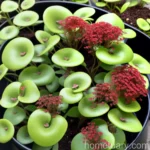
Peperomia Frost (Peperomia Caperata ‘Frost’)
Peperomia frost, scientifically known as Peperomia caperata ‘Frost,’ is a charming and low-maintenance houseplant that is popular for its striking foliage. This plant is native to the rainforests of South America and belongs to the family Piperaceae. With its unique leaf patterns and easy care requirements, the Peperomia frost has gained popularity among plant enthusiasts and indoor gardeners.
In this comprehensive guide, we will delve into the culture, uses, care tips, and maintenance of the Peperomia frost. Whether you are a beginner or an experienced plant parent, this article aims to provide you with valuable insights to help you nurture and enjoy the beauty of this stunning plant.
Key Takeaways – Peperomia Frost (Peperomia Caperata ‘Frost’)
Before we explore the various aspects of caring for Peperomia frost, let’s summarize the key takeaways to give you a quick overview of the plant’s characteristics, care requirements, and benefits:
- Botanical Name: Peperomia caperata ‘Frost’
- Watering Needs: Moderate watering, allowing the soil to dry out slightly between waterings
- Light Requirements: Indirect, bright light; avoid direct sunlight to prevent leaf burn
- Soil Type: Well-draining, aerated potting mix high in organic matter
- Fertilizing: Use a balanced, diluted liquid fertilizer during the growing season
- Pruning: Minimal pruning, primarily for maintaining the plant’s shape and removing any damaged leaves
- Propagation: Easily propagated from leaf cuttings or stem cuttings
- Common Diseases: Prone to overwatering-related issues such as root rot
- Common Pests: Occasionally affected by spider mites and mealybugs
- Fun Facts: Peperomia frost is known for its air-purifying properties and compact size, making it an ideal plant for small spaces.
Now, let’s delve deeper into each of these aspects to gain a comprehensive understanding of caring for Peperomia frost.
What is Peperomia Frost (Peperomia Caperata ‘Frost’)?
Peperomia caperata ‘Frost’ is a cultivar of the Peperomia caperata species, known for its ornamental foliage. The plant’s leaves are its standout feature, characterized by their deeply corrugated texture, variegated patterns, and shades of green, cream, and silver. The delicate, heart-shaped leaves give the plant a distinctive appearance, making it an attractive addition to any indoor space.
With its compact growth habit and low-maintenance nature, Peperomia frost is well-suited for indoor environments, including homes, offices, and other interior spaces. Its adaptability to various light conditions and forgiving watering requirements make it an ideal choice for both novice and experienced plant enthusiasts.
Now that we have an overview of Peperomia frost’s characteristics let’s explore its culture, uses, and care requirements in more detail.
Culture
Cultivating Peperomia frost involves understanding the plant’s natural habitat, growth patterns, and environmental preferences. By aligning our care practices with the plant’s cultural needs, we can create an optimal growing environment for the Peperomia frost to thrive.
Origin and Habitat
Peperomia caperata, including the ‘Frost’ cultivar, is indigenous to the tropical rainforests of South America, where it typically grows as an epiphyte or terrestrial plant. These environments provide the plant with filtered or dappled sunlight, high humidity levels, and well-draining, organic-rich soil. Understanding the plant’s natural habitat can offer valuable insights into replicating these conditions within a home setting.
Growth Habits
Peperomia caperata ‘Frost’ exhibits compact growth habits, typically reaching a height of 6 to 8 inches (15 to 20 cm) and spreading to about 8 to 10 inches (20 to 25 cm) in width. The plant forms dense clusters of leaves, creating a visually appealing effect that adds interest to its surroundings.
Environmental Preferences
Creating an optimal environment for Peperomia frost involves considering factors such as lighting, humidity, temperature, and soil conditions. By understanding the plant’s environmental preferences, we can provide it with the conditions it needs to thrive.
- Light: Peperomia frost prefers bright, indirect light. It should be shielded from direct sunlight, which can cause leaf burn and damage the plant.
- Humidity: The plant benefits from moderate to high humidity levels. Providing adequate humidity can help promote healthy leaf growth and prevent issues such as leaf browning and tip dryness.
- Temperature: Peperomia frost thrives in average room temperatures ranging from 65°F to 75°F (18°C to 24°C). It is sensitive to cold drafts and temperature extremes, so it should be protected from sudden fluctuations.
- Soil: Well-draining, aerated potting mix that retains moisture without becoming waterlogged is ideal for Peperomia frost. A mix high in organic matter, such as peat moss or coconut coir, can provide the plant with the necessary nutrients and moisture retention.
Understanding the cultural aspects of Peperomia frost lays the foundation for implementing appropriate care practices. With this knowledge in mind, let’s explore the practical aspects of caring for this delightful plant.
Uses
Peperomia caperata ‘Frost’ is valued not only for its ornamental appeal but also for its functional and decorative uses. Understanding the versatile roles that the plant can play in indoor environments can inspire us to incorporate it into our living spaces for both aesthetic and practical purposes.
Decorative Purposes
The striking foliage of Peperomia frost makes it an excellent choice for decorative purposes. Its unique leaf patterns and colors add visual interest to tabletops, shelves, and display areas. The compact size of the plant makes it suitable for small spaces, such as desks, windowsills, and terrariums. Whether used as a standalone feature or as part of a plant arrangement, Peperomia frost adds a touch of natural beauty to interior spaces.
Air Purification
Beyond its visual appeal, Peperomia caperata ‘Frost’ contributes to indoor air quality by helping to purify the air. Like other plants, it absorbs carbon dioxide and releases oxygen during photosynthesis, thereby improving the air quality within enclosed spaces. Its air-purifying abilities make it a valuable addition to indoor environments, where it can contribute to creating a healthier and more pleasant living or working environment.
Gifting and Sharing
The attractive and easily-maintained nature of Peperomia frost makes it an ideal choice for gifting to friends, family, or colleagues. Its compact size and forgiving care requirements make it a thoughtful and accessible gift for both experienced and aspiring plant enthusiasts. Furthermore, the plant’s suitability for propagation from cuttings allows plant owners to share its beauty with others, fostering a sense of connection and community through gardening.
Understanding the diverse uses of Peperomia caperata ‘Frost’ can inspire us to incorporate this delightful plant into our living and working spaces. Now that we have explored the cultural significance and practical uses of the plant, let’s move on to the crucial aspect of caring for Peperomia frost.
Care Tips
Caring for Peperomia frost involves attending to its specific needs regarding water, sunlight, soil, fertilizer, pruning, propagation, and container selection. By understanding and implementing appropriate care practices, we can ensure the plant’s health and vitality while enjoying its ornamental beauty.
Water
Proper watering is essential for the health and well-being of Peperomia frost. As with many houseplants, finding the right balance in watering frequency and technique is key to preventing issues such as overwatering or underwatering.
- Watering Frequency: Allow the top layer of the soil to dry out slightly between waterings. Peperomia frost prefers moderate moisture levels, so aim to water it when the top inch of the soil feels dry to the touch.
- Watering Technique: Water the plant thoroughly, allowing excess water to drain from the pot’s drainage holes. Discard any accumulated water from the saucer to prevent waterlogging. Avoid overwatering, as it can lead to root rot and other moisture-related problems.
- Signs of Overwatering: Yellowing or browning of the leaves, mushy or blackened roots, and a musty odor from the soil are indicators of overwatering. If these signs are observed, adjust the watering frequency and ensure that the soil has adequate drainage.
Sunlight
Providing appropriate light conditions is essential for the health and growth of Peperomia frost. Understanding the plant’s sunlight preferences allows us to position it in the optimal location within our homes.
- Light Requirements: Peperomia caperata ‘Frost’ thrives in bright, indirect light. It should be placed in a location with ample natural light, such as a north or east-facing window, where it can receive bright, filtered sunlight without being exposed to direct rays.
- Avoiding Direct Sunlight: Direct sunlight can scorch the delicate leaves of the Peperomia frost, leading to sunburn and leaf damage. Position the plant away from windows or use sheer curtains to diffuse the sunlight and prevent potential harm to the foliage.
Fertilizer
Providing appropriate nutrients through fertilization is essential for supporting the growth and vigor of Peperomia frost. Understanding the plant’s fertilizer requirements can help us maintain its health and promote lush foliage.
- Fertilizing Schedule: During the growing season, from spring to early fall, apply a balanced, diluted liquid fertilizer to the plant every 4 to 6 weeks. Dilute the fertilizer to half or a quarter of the recommended strength to avoid over-fertilization, which can lead to salt buildup in the soil and cause root damage.
- Fertilizer Type: A general-purpose, water-soluble fertilizer with balanced N-P-K (nitrogen, phosphorus, potassium) ratios, such as 10-10-10 or 20-20-20, is suitable for Peperomia frost. Alternatively, specialized houseplant fertilizers formulated for foliage plants can also be used as directed.
Soil
The soil composition plays a critical role in the overall health and growth of Peperomia frost. Choosing and preparing the right potting mix can contribute to the plant’s well-being and vitality.
- Soil Type: Select a well-draining potting mix that is rich in organic matter and provides good aeration for the roots. A mix containing components such as peat moss, coconut coir, perlite, and vermiculite can help ensure proper drainage while retaining moisture for the plant.
- Aeration and Moisture Retention: The potting mix should strike a balance between aeration and moisture retention, allowing the roots to breathe while avoiding waterlogged conditions. This balance is necessary to prevent root rot and other moisture-related issues.
Pruning
Minimal pruning is typically required for Peperomia frost, mainly to maintain its shape and remove any damaged or discolored leaves. Proper pruning practices can help keep the plant tidy and promote healthy growth.
- Leaf Removal: Trim any yellowed, browned, or damaged leaves using clean, sharp scissors or pruning shears. Remove the affected leaves close to the base of the plant to encourage new growth.
- Maintaining Shape: As the plant grows, it may develop a somewhat sprawling or uneven appearance. Prune back leggy stems to encourage bushier growth and maintain a more compact, attractive form.
Propagation
Peperomia frost is easily propagated from leaf cuttings or stem cuttings, offering an opportunity to create new plants and share them with others. Understanding the propagation methods allows us to expand our collection of Peperomia frost and propagate the plant successfully.
- Leaf Cuttings: Select healthy, mature leaves from the plant and carefully remove them from the stem. Place the leaf cuttings on top of a moist, well-draining propagation medium, such as perlite or a mix of peat moss and perlite. After a few weeks, new roots and plantlets will start to develop, indicating successful propagation.
- Stem Cuttings: Take stem cuttings from the plant, ensuring that each cutting has several nodes. Plant the cuttings in a suitable propagation medium and provide them with warmth, humidity, and indirect light. With proper care, the cuttings will root and develop into new plants.
Container
Choosing the right container for Peperomia frost is crucial for ensuring proper drainage, root growth, and overall plant health. Proper container selection can contribute to the plant’s well-being and visual appeal within an indoor setting.
- Pot Size: Select a pot that allows for adequate root growth without being excessively large. The pot should be only slightly larger than the plant’s current root ball, providing sufficient space for root development while preventing excessive moisture retention.
- Drainage Holes: Ensure that the pot has drainage holes to allow excess water to escape, preventing waterlogged conditions that can lead to root rot. Placing a layer of drainage material, such as small rocks or broken pottery shards, at the bottom of the pot can further enhance drainage.
By implementing these care tips and understanding the specific needs of Peperomia frost, we can create a nurturing environment that allows the plant to thrive and display its ornamental beauty. Now, let’s delve into the specific aspects of maintaining the plant’s health and addressing potential challenges that may arise during its care.
Common Diseases
Like any plant, Peperomia frost is susceptible to certain diseases and issues that can affect its overall health and appearance. Recognizing common diseases and understanding their causes can help us take proactive measures to prevent and address these challenges.
Disease Diagnosis
Some common diseases and issues that may affect Peperomia caperata ‘Frost’ include:
- Root Rot: Overwatering or poorly-draining soil can lead to root rot, causing the plant’s roots to become mushy, discolored, and eventually rot. Symptoms include yellowing or wilting of the foliage, accompanied by a foul odor emanating from the soil.
- Leaf Spotting: Leaf spotting can occur due to excessive moisture on the foliage or humid conditions. This may lead to the development of bacterial or fungal leaf spots, characterized by dark, water-soaked lesions on the leaves.
- Pest Infestations: Insects such as spider mites and mealybugs can affect Peperomia frost, causing damage to the leaves and reducing the plant’s overall health and vigor.
Common Pests
Peperomia frost may occasionally attract common plant pests, necessitating proactive pest management to maintain the plant’s health and appearance.
- Spider Mites: These tiny arachnids can infest the undersides of the leaves, causing stippling, webbing, and decreased plant vigor. Control measures include regularly misting the foliage, removing affected leaves, and using insecticidal soap if the infestation is severe.
- Mealybugs: Mealybugs are small, white, cottony insects that infest the plant’s stems and leaves, draining its sap and causing stunted growth. Mechanical removal with a cotton swab dipped in rubbing alcohol and insecticidal soap application can help control mealybug infestations.
By staying vigilant and implementing proactive measures, we can help prevent and address common diseases and pest problems that may affect Peperomia frost. Maintaining regular care and observation of the plant can aid in early detection and treatment of such issues.
Botanist’s Tips
To further enhance our understanding of Peperomia frost and its care requirements, let’s explore additional tips and recommendations from botanists and plant experts.
Optimal Growing Conditions
Creating favorable growing conditions for Peperomia frost can be achieved by following these botanist’s tips:
- Humidity Maintenance: Maintain moderate to high humidity levels around the plant, especially during drier seasons or in indoor environments with low humidity. Techniques such as misting, grouping plants together, or using a humidifier can help increase the ambient moisture levels.
- Avoiding Drafts: Protect the plant from drafts or sudden temperature fluctuations, as these can stress the plant and lead to weakened growth or leaf damage.
Troubleshooting and Maintenance
Implementing proactive steps for troubleshooting and routine maintenance can contribute to the long-term health and vitality of Peperomia caperata ‘Frost.’ Consider the following botanist’s tips:
- Monitoring Moisture Levels: Use a moisture meter to monitor the soil’s moisture content, helping to ensure that the plant is receiving appropriate hydration without being overwatered or underwatered.
- Regular Inspection: Periodically inspect the plant for signs of disease, pests, or nutrient deficiencies, addressing any issues promptly to prevent them from worsening.
Seasonal Adjustments
Adjusting care practices based on seasonal changes is essential for providing Peperomia frost with optimal conditions throughout the year. Follow these botanist’s tips for seasonal care adjustments:
- Winter Care: During winter, when indoor environments tend to be drier, be mindful of maintaining adequate humidity and adjusting the watering frequency based on the plant’s winter dormancy or reduced growth.
By incorporating these botanist’s tips into our care regimen, we can further enhance the plant’s health and resilience, allowing it to thrive within our indoor spaces.
Fun Facts
As we deepen our appreciation for Peperomia frost, let’s explore some fun and fascinating facts about this delightful plant that add to its charm and appeal.
- Leaf Diversity: Peperomia frost is part of the Peperomia caperata species, which is renowned for its diverse leaf patterns. From deeply corrugated textures to vivid variegation, each leaf showcases a unique and captivating display of nature’s artistry.
- Air-Purifying Abilities: Like many houseplants, Peperomia frost contributes to indoor air quality by filtering out pollutants and releasing oxygen. Its air-purifying abilities make it a beneficial addition to indoor environments, promoting a healthier living space.
- Compact Size: The compact growth habit of Peperomia frost makes it an ideal choice for small spaces, such as apartments, offices, and dorm rooms. Its ornamental beauty adds a refreshing touch of greenery to limited or confined areas.
- Propagating Prowess: Peperomia frost is easily propagated from leaf cuttings or stem cuttings, allowing plant enthusiasts to expand their collection and share the plant’s beauty with others. Its propagation prowess adds an element of joy and connectivity to the gardening experience.
These fun facts offer a glimpse into the captivating nature of Peperomia frost, highlighting its unique characteristics and contributions to both indoor spaces and the gardening community.
Links to External Resources
To further support your journey in caring for Peperomia frost, here are valuable external resources that provide additional insights, tips, and guidance:
- Peperomia caperata ‘Frost’ Care Guide – The Planting Tree
- Peperomia caperata ‘Frost’ – University of Florida IFAS Extension
- [Growing Peperomia caperata ‘Frost’ Indoors – The Spruce](https://www.thes