Echeveria: A Comprehensive Care Guide
Echeveria is a beautiful and diverse genus of flowering succulent plants that belongs to the Crassulaceae family. Renowned for its stunning rosette formations and vibrant, colorful leaves, Echeveria has become a favorite among both novice and experienced gardeners. In this comprehensive guide, we will explore the various aspects of caring for Echeveria, including its cultural requirements, uses, propagation, common diseases, and much more. Whether you’re an indoor or outdoor gardener, this guide will provide you with the essential knowledge to help your Echeveria thrive.
What is Echeveria?
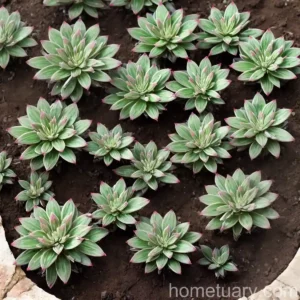
Echeveria is a genus of flowering succulent plants native to semi-desert areas of Central America, Mexico, and northwestern South America. These plants are characterized by their symmetrical rosette shapes and fleshy, vibrant leaves. The name “Echeveria” honors the 18th-century Mexican botanical artist Atanasio Echeverría y Godoy.
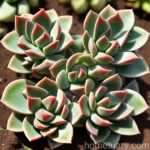
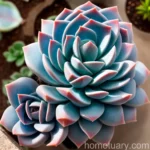
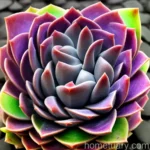
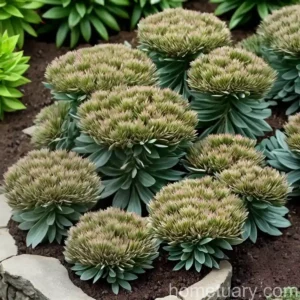
Echeverias come in a wide range of colors, sizes, and leaf shapes, making them a popular choice for both indoor and outdoor cultivation. From compact, solitary plants to sprawling colonies, Echeverias offer a diverse array of ornamental possibilities for gardens, containers, and landscapes.
Key Takeaways
Echeveria, as a stunning and low-maintenance succulent, offers various uses and benefits. Here are the key takeaways:
- Echeveria is a genus of flowering succulent plants known for its rosette formations and vibrant, colorful leaves.
- It is native to semi-desert regions of Central America, Mexico, and northwestern South America.
- Echeveria comes in a diverse range of colors, sizes, and leaf shapes, making it a popular choice for indoor and outdoor cultivation.
- Proper care involves attention to watering, sunlight, soil, and pruning, among other factors.
Now, let’s dive into the intricate details of caring for Echeveria.
Culture
Echeverias are relatively low-maintenance plants, but they do require specific conditions to thrive. Understanding the cultural requirements of Echeveria is crucial to ensure its health and vitality.
Uses
Echeverias have numerous uses in various settings, including:
- Ornamental plants in gardens and landscapes
- Indoor decorations and centerpieces
- Container gardening, including terrariums and succulent arrangements
- Rock gardens and xeriscaping projects
- Groundcover in arid regions
- Medicinal and therapeutic purposes
Water
Proper watering is essential for the health of Echeverias. Overwatering can lead to root rot, while underwatering can result in wilting and drying of the leaves.
-
Watering Requirements: Echeverias prefer infrequent but deep watering. It’s crucial to allow the soil to dry out completely between waterings to avoid waterlogged conditions.
-
Watering Techniques: Water the plant thoroughly, allowing excess water to drain out of the pot’s bottom. Avoid leaving standing water in the rosettes as it can lead to fungal issues.
-
Seasonal Variations: Adjust your watering frequency according to the seasons. Echeverias generally need more water during their active growth period in spring and summer and less water during the dormant phase in fall and winter.
Sunlight
Proper sunlight exposure is vital for the growth and coloration of Echeveria plants. Insufficient light can lead to elongated, etiolated growth, while excessive light can cause sunburn and leaf discoloration.
-
Sunlight Needs: Echeverias thrive in bright, indirect light. They can also tolerate some direct sunlight, especially in the morning or late afternoon, but protection from intense midday sun is crucial.
-
Indoor Cultivation: In indoor settings, place Echeverias near south or west-facing windows to ensure they receive adequate sunlight. Supplemental grow lights can also be used to provide the necessary light intensity.
Fertilizer
Proper fertilization can enhance the growth and vibrancy of Echeveria plants. However, it’s essential to use a balanced fertilizer and apply it sparingly to prevent nutrient imbalances and salt buildup in the soil.
- Fertilization Tips: Use a diluted, balanced fertilizer formulated for succulents and cacti. Apply the fertilizer at half or one-quarter strength every 2-3 months during the growing season. Refrain from fertilizing during the plant’s dormant period.
Soil
Well-draining soil is crucial for preventing waterlogged conditions that can lead to root rot. A suitable succulent or cacti mix provides the ideal growing medium for Echeveria plants.
- Soil Preferences: Use a well-draining mix that consists of equal parts of potting soil and coarse sand or perlite. This promotes good aeration and drainage while preventing excess moisture around the roots.
Pruning
Pruning is not frequently required for Echeverias, but it can help maintain a tidy appearance and promote compact growth.
- Pruning Techniques: Remove dead or decaying leaves by gently tugging them from the base of the plant. Use clean, sharp scissors or pruning shears to trim overgrown or leggy stems.
Propagation
Propagating Echeveria through leaf or stem cuttings is an exciting way to expand your collection or share plants with friends and family.
- Propagation Methods: Echeverias can be propagated from offsets, leaf cuttings, or stem cuttings. Each method has its own requirements and procedures for success.
Container Popularity
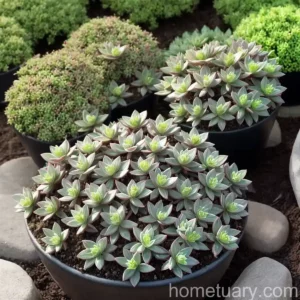
Echeverias are highly sought-after for container gardening, owing to their compact size, ease of care, and ornamental value. They thrive in containers both indoors and outdoors, adding a touch of natural beauty to any space.
Container Gardening Tips
For successful Echeveria container gardening, consider the following tips:
- Use containers with drainage holes to prevent waterlogging.
- Opt for shallow, wide containers that provide ample room for the plants’ root systems.
- Provide a well-draining potting mix to ensure proper aeration and moisture control.
- Select containers that complement the colors and textures of the Echeveria plants to create visually appealing arrangements.
Common Diseases
While Echeverias are relatively resistant to diseases, certain issues can arise if their growing conditions are not optimal. Understanding common diseases and their prevention is crucial for maintaining the health of your Echeveria plants.
Disease Diagnosis
Identifying and addressing diseases promptly is essential to prevent them from spreading and causing long-term damage to the plants.
- Fungal Diseases: Common fungal issues include root rot, powdery mildew, and botrytis. Symptoms include wilting, yellowing, and decay. Treat with fungicidal products and improve growing conditions to prevent recurrences.
Common Pests
Despite their hardy nature, Echeverias can occasionally suffer from pest infestations, especially when grown in indoor environments.
- Pest Control: Watch out for common succulent pests such as mealybugs, spider mites, and aphids. Use natural or chemical control methods, including neem oil and insecticidal soaps, to manage pest populations.
Botanist’s Tips
As a plant scientist, I have several valuable tips for the care of Echeverias:
- Monitor your Echeverias closely for signs of stress, disease, or pest infestations.
- Allow for proper air circulation to prevent the buildup of excess moisture around the plants.
- Experiment with different Echeveria varieties to discover the diverse range of colors, sizes, and growth habits within the genus.
Fun Facts
- The Echeveria genus is named after Atanasio Echeverría y Godoy, a Mexican botanical artist.
- Echeverias are known for their dramatic changes in coloration in response to changes in light and environmental conditions.
- Some Echeveria species are known for their drought resistance, making them excellent choices for xeriscaping projects.
Now that we’ve covered the essential aspects of Echeveria care, let’s explore some external resources that can provide further information and support for your Echeveria gardening journey.
Links to External Resources
Explore the following resources for additional guidance on Echeveria care, propagation, and cultivation:
- Succulent Plant Care Guide – Echeveria
- Echeveria: A Comprehensive Guide
- Tips for Growing Echeveria
- Echeveria: Watering, Sunlight, and Soil Requirements
- Echeveria Care and Propagation Tips
In conclusion, Echeveria is a captivating genus of succulent plants that offers a myriad of opportunities for gardeners and plant enthusiasts. By understanding its cultural requirements, uses, propagation methods, common diseases, and other essential aspects of care, you can cultivate thriving and vibrant Echeveria specimens that will enrich your indoor or outdoor spaces with their natural beauty.
So whether you’re a seasoned succulent collector or a gardening novice, dive into the world of Echeverias and discover the joy of nurturing these stunning and resilient plants. Happy gardening!