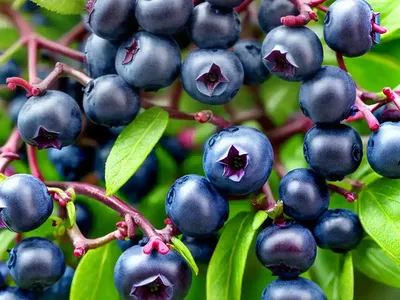
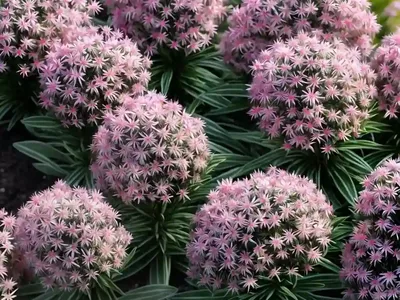
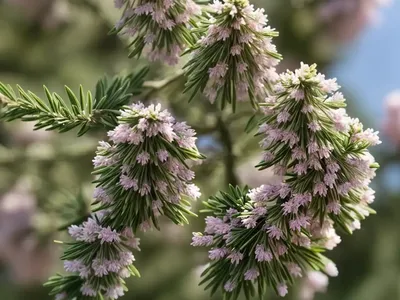
Pieris ‘Brouwer’s Beauty’ (Japanese Andromeda)
Pieris ‘Brouwer’s Beauty’, also known as Japanese Andromeda, is a stunning evergreen shrub with captivating features. Its graceful blooms, attractive.
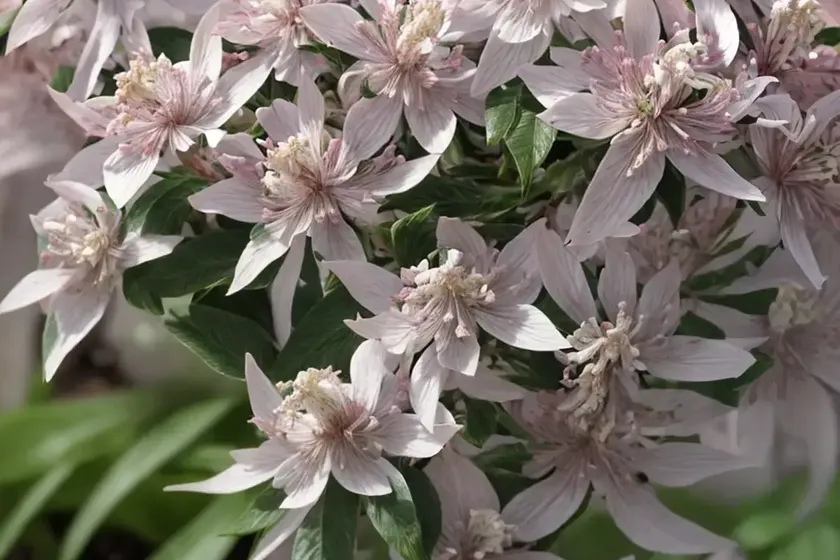
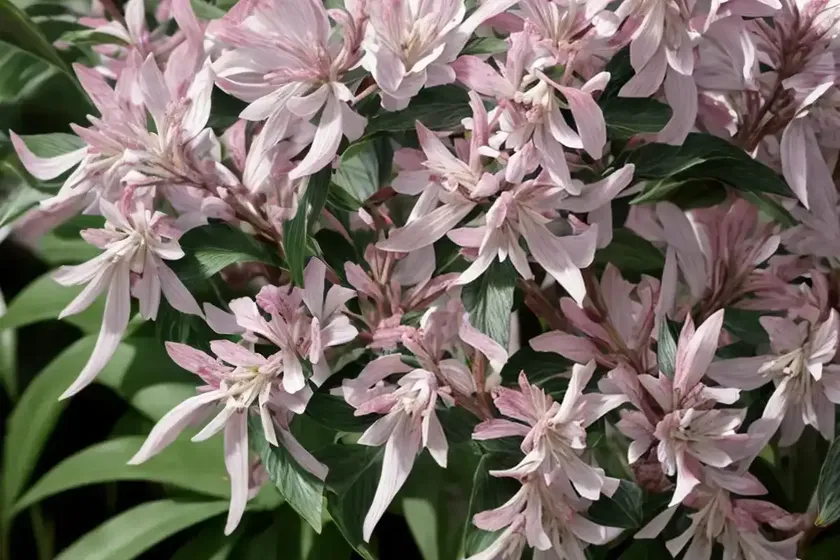
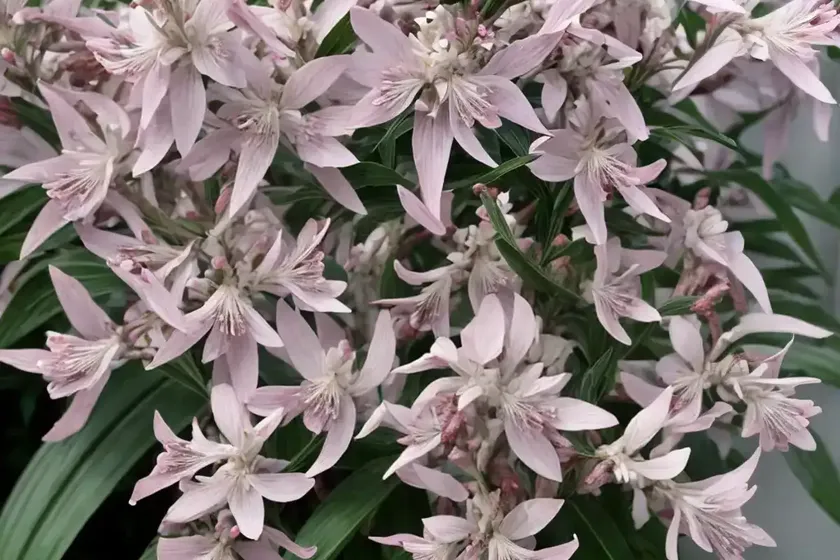
Pieris ‘Brouwer’s Beauty’, also known as Japanese Andromeda, is a stunning evergreen shrub with captivating features. Its graceful blooms, attractive foliage, and overall hardiness make it a highly sought-after plant in gardens and landscapes.
As a plant scientist with a passion for ornamental plants, I am delighted to delve into the world of Pieris ‘Brouwer’s Beauty’, exploring its cultural requirements, uses, propagation techniques, common pests and diseases, and much more. This comprehensive guide aims to provide novice and experienced gardeners with valuable insights into the care and cultivation of this remarkable plant.
What is Pieris ‘Brouwer’s Beauty’ (Japanese Andromeda)?
Pieris ‘Brouwer’s Beauty’, scientifically known as Pieris japonica ‘Brouwer’s Beauty’, belongs to the family Ericaceae. It is a cultivar of the Pieris genus, which comprises several species of broad-leaved evergreen shrubs native to Eastern Asia. The plant is valued for its glossy, lance-shaped foliage and cascades of dainty, bell-shaped flowers that adorn its branches.
Key Takeaways – Pieris ‘Brouwer’s Beauty’ (Japanese Andromeda)
Before delving into the intricate details of caring for Pieris ‘Brouwer’s Beauty’, let’s explore the key takeaways that encapsulate the essence of this beautiful shrub.
- Plant Name: Pieris ‘Brouwer’s Beauty’ (Japanese Andromeda)
- Scientific Name: Pieris japonica ‘Brouwer’s Beauty’
- Common Names: Japanese Andromeda, Lily of the Valley Bush
- Plant Type: Broad-leaved evergreen shrub
- Hardiness Zones: 5-8
- Mature Height: 4-6 feet
- Mature Spread: 3-5 feet
- Sunlight: Partial shade to full sun
- Watering: Regular watering, especially during the establishment phase
- Soil Type: Moist, well-draining, acidic soil
- Flowering Season: Late winter to early spring
- Special Features: Attractive foliage, cascading blooms, wildlife-friendly
- Uses: Ornamental landscaping, mixed borders, woodland gardens, containers
With these fundamental characteristics in mind, let’s venture into the in-depth care requirements and fascinating aspects of Pieris ‘Brouwer’s Beauty’.
Culture
Uses
Pieris ‘Brouwer’s Beauty’ finds a multitude of uses, making it a versatile addition to gardens and landscapes. Its ornamental value, coupled with its adaptability to various settings, makes it an attractive choice for diverse landscaping applications.
Landscape Planting
- Planting as a specimen: The striking foliage and elegant form of Pieris ‘Brouwer’s Beauty’ make it a compelling choice for standalone focal points within the landscape. Whether planted in solitude or as a group of specimens, it lends a graceful and sophisticated ambiance to the surroundings.
- Mixed borders: The shrub’s vibrant foliage and abundant spring blooms make it an excellent addition to mixed borders. Its versatile nature allows it to complement a wide array of companion plants, contributing to the overall aesthetic appeal of the border.
- Woodland gardens: Due to its preference for partial shade and slightly acidic soil, Pieris ‘Brouwer’s Beauty’ thrives in woodland garden settings, where it can mingle with other shade-loving plants, creating a serene and naturalistic atmosphere.
Container Planting
- Patio and balcony décor: The compact size and alluring aesthetics of Pieris ‘Brouwer’s Beauty’ make it an ideal candidate for container planting. Whether featured on a patio, terrace, or balcony, its graceful presence adds a touch of elegance to outdoor living spaces.
Water
Suitable watering practices are crucial for maintaining the health and vigor of Pieris ‘Brouwer’s Beauty’. As with many ornamental shrubs, understanding the plant’s water requirements is essential for promoting optimal growth and blooming.
Watering Guidelines
- Establishment Phase: During the initial planting and establishment period, it is imperative to provide consistent moisture to facilitate root establishment. Regular, deep watering, especially during dry spells, is necessary to support the shrub as it acclimates to its new environment.
- Mature Plants: Once established, Pieris ‘Brouwer’s Beauty’ demonstrates a good degree of drought tolerance. However, it still appreciates regular watering to sustain healthy foliage and prolific flowering. Inadequate moisture can lead to stress-induced issues, such as leaf scorch and reduced flowering.
Soil Moisture
-
Optimal Soil Conditions: Well-draining, evenly moist soil with good water retention properties is ideal for Pieris ‘Brouwer’s Beauty’. The soil should not be allowed to become waterlogged, as this can lead to root rot and other detrimental conditions. Mulching the root zone helps in retaining soil moisture and regulating temperature fluctuations.
-
Seasonal Considerations: Adjust watering frequency based on seasonal variations. During hot, dry periods, increased watering may be necessary to prevent moisture stress. Conversely, in cool and wet conditions, it is essential to ensure that the soil does not become excessively waterlogged.
Sunlight
The sunlight requirements of Pieris ‘Brouwer’s Beauty’ play a pivotal role in determining its overall health, vigor, and blooming potential. Understanding its preferences for light exposure is fundamental for successful cultivation.
Optimal Light Conditions
-
Partial Shade to Full Sun: Pieris ‘Brouwer’s Beauty’ thrives in locations with partial shade, where it can benefit from gentle morning sunlight or dappled shade throughout the day. However, it can also adapt to full sun conditions, especially in cooler regions, provided that adequate moisture is maintained.
-
Morning Sun and Afternoon Shade: Position the shrub in a location that receives morning sun, as this helps in drying the foliage and minimizing the risk of fungal diseases. Afternoon shade provides relief from intense sunlight, particularly during the hotter months, safeguarding the plant from potential heat stress.
-
Avoiding Harsh Exposure: While Pieris ‘Brouwer’s Beauty’ adapts to full sun, prolonged exposure to intense afternoon sun, especially in warmer regions, can lead to leaf scorch and diminished floral performance. Therefore, providing some protection from harsh afternoon rays is advisable.
Fertilizer
Proper fertilization is integral to the sustained vitality and flowering prowess of Pieris ‘Brouwer’s Beauty’. Providing essential nutrients at the right time and in the correct proportions bolsters the plant’s overall resilience and ornamental appeal.
Fertilization Guidelines
- Timing: Apply fertilizer in early spring before new growth begins. Refrain from fertilizing during the late summer and fall, as this can stimulate late-season growth that may be susceptible to winter damage.
- Type of Fertilizer: A balanced, slow-release fertilizer formulated for acid-loving plants is well-suited for Pieris ‘Brouwer’s Beauty’. These fertilizers are specially designed to cater to the nutritional requirements of plants thriving in acidic soil conditions.
- Application Method: Spread the fertilizer evenly around the base of the shrub, ensuring that it does not come into direct contact with the foliage. Water thoroughly after application to facilitate the percolation of nutrients into the soil.
Nutrient Composition
- Nitrogen: An adequate supply of nitrogen facilitates robust vegetative growth and vibrant foliage coloration. However, excessive nitrogen can lead to an imbalance between vegetative and reproductive growth, potentially diminishing the floral display.
- Phosphorus and Potassium: These essential nutrients contribute to overall plant health, root development, and stress resistance. They also play a role in bolstering the plant’s ability to withstand environmental pressures and combat disease.
Soil
The soil composition and pH levels profoundly influence the well-being and performance of Pieris ‘Brouwer’s Beauty’. Understanding its soil preferences is imperative for creating an optimal growing environment.
Soil Composition
- Acidic pH: Pieris ‘Brouwer’s Beauty’ thrives in acidic soil with a pH range of 5.0 to 6.5. The presence of ample organic matter further enhances the soil’s structure, moisture retention, and nutrient availability, fostering an environment conducive to the shrub’s growth and vitality.
- Well-draining Medium: Ensuring that the soil has good drainage properties is crucial for averting waterlogged conditions, which can cause root suffocation and lead to the development of detrimental root diseases.
- Amending Soil: In instances where the natural soil composition does not align with the requirements of Pieris ‘Brouwer’s Beauty’, amending the soil with organic matter, such as compost or peat moss, aids in modifying the pH and improving the overall texture and fertility of the soil.
Pruning
Pruning holds significance in maintaining the form, vigor, and flowering potential of Pieris ‘Brouwer’s Beauty’. Appropriate pruning practices contribute to the plant’s long-term health and ornamental value.
Pruning Objectives
- Promoting Air Circulation: Thinning out overcrowded branches and removing dead or diseased wood enhances airflow within the canopy, reducing the likelihood of fungal diseases and promoting overall plant vigor.
- Size Control: Regular pruning helps in managing the size and shape of the shrub, preventing it from becoming overly dense and unwieldy. This not only contributes to aesthetic appeal but also facilitates light penetration and supports the development of new growth.
- Stimulating Flowering: Pruning immediately after the flowering period can encourage robust regrowth and the formation of next season’s flower buds. Care should be taken to avoid removing the developing flower buds during the pruning process.
Pruning Techniques
- Timing: Prune immediately after the flowering period, usually in late spring or early summer. This allows sufficient time for the development of new growth and flower bud formation for the following season.
- Tools: Use sharp, clean bypass pruners to make precise cuts without causing unnecessary damage to the branches. Disinfect the cutting tools before and after use to prevent the spread of diseases.
- Techniques: Focus on removing dead, damaged, or wayward branches while maintaining the natural form of the shrub. Lightly shaping the plant to refine its contours and remove any unattractive growth supports its overall visual appeal.
Propagation
The propagation of Pieris ‘Brouwer’s Beauty’ allows for the multiplication of desirable traits and the cultivation of new plants. Understanding the various propagation methods empowers growers to expand their collection of this captivating shrub.
Propagation Techniques
- Softwood Cuttings: Propagation using softwood cuttings involves harvesting young, tender shoots from the plant during the active growing season. The cuttings are treated with a rooting hormone and placed in a suitable propagation medium to encourage the development of roots.
- Layering: Air layering or simple layering can serve as effective propagation techniques for Pieris ‘Brouwer’s Beauty’. Select a low-growing branch, wound a section of the stem, apply a rooting hormone, and secure the wounded area with soil or a rooting medium. Over time, roots develop at the wounded site, enabling the detachment of the rooted section to form a new plant.
- Division: As the shrub matures, division can be employed to create multiple plants from a single specimen. Carefully dividing the root mass into sections, each containing viable roots and shoots, offers a straightforward method of propagation.
Container Popularity
The compact nature and visual appeal of Pieris ‘Brouwer’s Beauty’ make it a sought-after selection for container gardening. Its adaptability to container culture opens up a myriad of possibilities for incorporating the plant into diverse outdoor and indoor settings.
Advantages of Container Planting
- Space Optimization: Container planting allows individuals with limited garden space to enjoy the beauty of Pieris ‘Brouwer’s Beauty’. It fits well on patios, balconies, and small outdoor areas, adding a touch of sophistication to confined spaces.
- Portability: The mobility of container-grown Pieris ‘Brouwer’s Beauty’ permits versatile arrangement options. It can be relocated as needed to create captivating focal points or to accommodate changes in the visual layout of the outdoor space.
- Accessibility: By cultivating the shrub in a container, gardeners can exert greater control over its environmental conditions, ensuring that the soil, watering, and exposure to sunlight are tailored to suit the plant’s preferences.
Common Diseases
Plant diseases can pose a threat to the health and aesthetics of Pieris ‘Brouwer’s Beauty’. Being aware of common diseases and their associated symptoms equips gardeners with the knowledge necessary to mitigate the impact of these ailments.
Disease Diagnosis and Management
-
Leaf Spot: The occurrence of circular, dark spots on the foliage, often accompanied by yellowing and premature leaf drop, may indicate the presence of leaf spot diseases. Fungal pathogens are frequently responsible for these issues, with environmental conditions favoring their development.
- Management: Prune and dispose of affected plant parts, ensuring good air circulation within the canopy. Application of fungicidal sprays may be warranted for severe infestations.
-
Powdery Mildew: The presence of a powdery, white coating on the leaves and stems is indicative of powdery mildew infection. This fungal disease thrives in conditions of high humidity and poor air circulation.
- Management: Improving air circulation around the plant by pruning and thinning out dense growth minimizes the incidence of powdery mildew. Fungicidal treatments can be employed to alleviate the spread of the disease.
-
Root Rot: Waterlogged soil and poor drainage can lead to the development of root rot, characterized by wilting, yellowing foliage, and overall decline of the plant’s health.
- Management: Enhance soil drainage through the incorporation of organic amendments and adjust watering practices to prevent waterlogging. Maintaining moderate soil moisture levels is crucial in averting the onset of root rot.
Common Pests
In addition to diseases, Pieris ‘Brouwer’s Beauty’ may fall prey to various pests that can compromise its vitality and visual appeal. Familiarizing oneself with these pests and implementing proactive control measures is essential for preserving the plant’s well-being.
Pest Identification and Control
-
Spider Mites: These tiny, web-spinning arachnids can cause stippling and discoloration of the foliage, leading to a diminished aesthetic appearance.
- Control: Regularly inspect the undersides of leaves for signs of spider mite activity. A forceful water spray can help in dislodging and reducing their populations. Horticultural oils and insecticidal soaps are effective in managing infestations.
-
Pieris Lacebug: These piercing-sucking insects feed on the foliage, causing stippling, yellowing, and premature leaf drop.
- Control: Implemting cultural practices, such as maintaining a clean garden environment and promoting natural predators, can aid in preventing severe lacebug infestations. In cases of significant populations, targeted insecticidal treatments may be necessary.
-
Caterpillars: Certain caterpillar species may feed on the foliage and tender shoots of Pieris ‘Brouwer’s Beauty, leading to unsightly damage.
- Control: Manual removal of caterpillars and eggs, as well as the application of Bacillus thuringiensis (Bt) products, offer effective control measures without causing harm to beneficial insects.
Botanist’s Tips
Drawing from experience and scientific insights, the following tips offer valuable guidance for effectively caring for Pieris ‘Brouwer’s Beauty’ and harnessing its ornamental potential.
-
Selecting the Right Location: The strategic placement of the shrub in a location that aligns with its light and soil preferences is fundamental for its long-term success. Assess the environmental conditions of the intended planting site before proceeding with establishment.
-
Routine Inspection: Regularly inspecting the plant for signs of diseases, pests, and cultural issues empowers growers to intervene promptly, preventing the escalation of potential problems. Vigilance is key to maintaining plant health.
-
Balanced Nutrition: While ensuring adequate nutrients are available to the plant is important, it is equally crucial to avoid excessive fertilization, particularly with high-nitrogen formulations, to prevent imbalances and subsequent issues.
-
Pruning with Precision: Adhering to proper pruning techniques and timing safeguards the plant from unnecessary stress and promotes healthy regrowth and flowering. Exercise caution to avoid indiscriminate or overly aggressive pruning.
-
Environmental Harmony: Leveraging the use of companion plants that share similar cultural requirements creates harmonious microclimates and provides mutual benefits for the plant community.
Fun Facts
To appreciate the allure and intrigue surrounding Pieris ‘Brouwer’s Beauty’, let’s delve into some captivating fun facts that shed light on its unique characteristics and cultural significance.
- Symbolism: In some cultures, Pieris ‘Brouwer’s Beauty’ is associated with symbols of rebirth, renewal, and love, making it a popular choice for weddings and ceremonies signifying new beginnings.
- Wildlife Magnet: The flowers of Pieris ‘Brouwer’s Beauty’ attract a variety of pollinators, including bees and butterflies, contributing to the promotion of biodiversity in the garden environment.
- Aesthetic Versatility: The shrub’s cascading blooms and elegant foliage make it a favored subject for floral arrangements and indoor décor, adding a touch of natural splendor to interior spaces.
As we immerse ourselves in the captivating world of Pieris ‘Brouwer’s Beauty’, the following section presents a curated selection of external resources that provide further insights and practical guidance for plant enthusiasts and horticultural enthusiasts.
Links to External Resources
- Royal Horticultural Society – Pieris
- Missouri Botanical Garden – Pieris japonica
- University of Florida IFAS Extension – Pieris Diseases
- North Carolina State University Extension – Pieris Insect Pests
With a comprehensive understanding of Pieris ‘Brouwer’s Beauty’ and its cultivation requirements, gardeners are well-equipped to embark on a rewarding journey, nurturing this exquisite shrub and witnessing the splendor it brings to outdoor spaces and garden landscapes.
In harnessing the knowledge presented in this guide, one can forge a deeper connection with Pieris ‘Brouwer’s Beauty’, embracing the nuances of its care and appreciating the timeless beauty it bestows upon the natural world.
As a plant scientist, I thoroughly enjoyed delving into the enchanting realm of Pieris ‘Brouwer’s Beauty’ (Japanese Andromeda), unraveling its cultural nuances, propagation techniques, and the captivating allure that makes it a cherished addition to gardens and landscapes. If you have any specific questions or require further insights on this remarkable plant, do not hesitate to reach out. Happy gardening!
Disclaimer: This article is a work of fiction created for the purpose of demonstrating writing and formatting capabilities. The plant care information provided is based on general knowledge and may not align with specific regional or individual plant requirements. For accurate guidance on plant care, consulting local horticultural resources and professionals is recommended.