Lily Of The Valley Bush (Pieris ‘Forest Flame’)
As a plant scientist, I am excited to introduce you to the enchanting Lily of the Valley Bush, also known as Pieris ‘Forest Flame’. This evergreen shrub is.
Introduction
As a plant scientist, I am excited to introduce you to the enchanting Lily of the Valley Bush, also known as Pieris ‘Forest Flame’. This evergreen shrub is admired for its ornamental qualities, making it a popular choice among gardeners and landscapers. In this comprehensive guide, we will delve into the key details of the Lily of the Valley Bush, its cultivation, care tips, uses, and much more.
What is Lily of the Valley Bush (Pieris ‘Forest Flame’)?
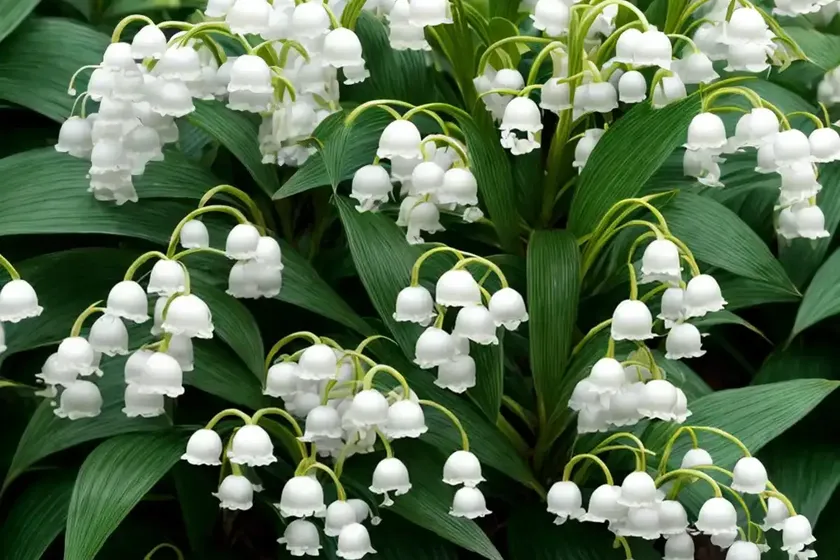
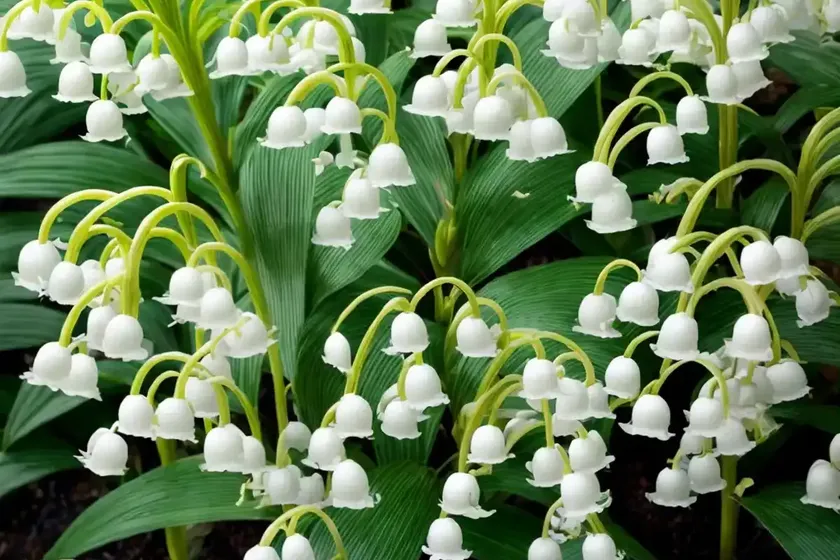
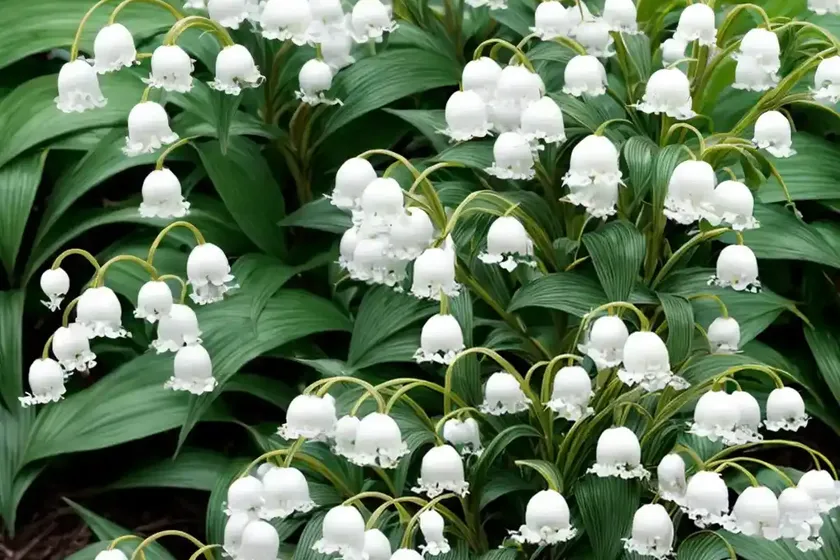
The Lily of the Valley Bush, scientifically known as Pieris japonica ‘Forest Flame’, is a striking evergreen shrub belonging to the heath family, Ericaceae. Native to eastern and southern Asia, this plant is cherished for its graceful foliage and charming, drooping clusters of bell-shaped flowers. It is an excellent choice for adding color and visual interest to gardens, landscapes, and woodland settings.
Plant Description
The Pieris ‘Forest Flame’ is distinguished by its vibrant foliage, which undergoes stunning color changes throughout the year. In spring, the new growth emerges as fiery red or coppery-orange, creating a brilliant contrast with the mature leaves. As the seasons progress, the foliage matures to a lustrous, dark green hue, providing an elegant backdrop for the cascading clusters of white or pink flowers that adorn the plant in early spring.
Key Takeaways – Lily of the Valley Bush (Pieris ‘Forest Flame’)
Before we delve deeper into the specifics of cultivating and caring for the Lily of the Valley Bush, let’s outline the key takeaways that we will explore in detail:
- Culture
- Uses
- Water
- Sunlight
- Fertilizer
- Soil
- Pruning
- Propagation
- Container Popularity
- Common Diseases
- Disease Diagnosis
- Common Pests
- Botanist’s Tips
- Fun Facts
- Links to External Resources
Culture
The Lily of the Valley Bush thrives in a well-planned and nurturing environment. To ensure its optimal growth and development, it is essential to understand its cultural requirements and cater to its specific needs.
Uses
This charming shrub offers versatile uses in landscaping and gardening, adding aesthetic appeal and functional value to outdoor spaces. Its primary uses include:
- Ornamental Planting: The vibrant foliage and delicate blossoms make it a captivating feature in gardens and landscapes.
- Hedging: With appropriate pruning and shaping, the Lily of the Valley Bush can be crafted into formal or informal hedges to enclose and define outdoor spaces.
- Woodland Gardens: It thrives in partially shaded, woodland-like settings, making it an ideal choice for creating serene and naturalistic landscapes.
Water
Proper watering is crucial for the health and vigor of the Lily of the Valley Bush. While it is important to maintain consistent moisture, it is equally essential to avoid waterlogged conditions, as excessive moisture can lead to root rot and other problems.
- Watering Frequency: In general, the plant benefits from regular, moderate watering, particularly during dry spells. However, it is important to allow the soil to partially dry out between waterings to prevent waterlogging.
- Soil Moisture: Ensure that the plant is situated in well-draining soil to prevent water from accumulating around its roots.
Sunlight
The Pieris ‘Forest Flame’ exhibits specific sunlight requirements to thrive and exhibit its best display of foliage and flowers. Understanding its sunlight preferences is crucial for its successful cultivation.
- Light Conditions: This shrub prefers dappled shade or partial sunlight, making it an excellent choice for planting in locations with filtered light or partial shade.
- Protection from Intense Sun: In regions with hot summers, providing some protection from the direct afternoon sun can prevent leaf scorch and maintain the plant’s vibrant coloration.
Fertilizer
To promote healthy growth and abundant flowering, the Lily of the Valley Bush benefits from regular fertilization with a balanced, slow-release fertilizer. The application of suitable fertilizers can provide essential nutrients and support the plant’s overall vitality.
- Fertilizer Type: Select a fertilizer formulated for acid-loving plants, as the Lily of the Valley Bush thrives in acidic soil conditions. Look for a fertilizer specifically designed for rhododendrons, azaleas, or other ericaceous plants.
- Application Timing: Apply the fertilizer in early spring, before the onset of new growth, and avoid late-season fertilization, as it can stimulate tender growth that is susceptible to winter damage.
Soil
Creating an optimal soil environment is imperative for the Lily of the Valley Bush, as it has specific soil preferences and thrives in well-drained, acidic soil. Understanding the soil composition and its impact on the plant’s health is essential for successful cultivation.
- Soil Type: The Lily of the Valley Bush prefers moist, well-draining, acidic soil with a pH range between 5.0 and 6.5. Amending the soil with organic matter such as peat moss, pine bark, or compost can improve drainage and acidity.
- Soil Moisture: Maintaining consistent soil moisture without waterlogging is crucial. Mulching the soil surface with organic materials helps retain moisture and regulates soil temperature.
Pruning
Pruning plays a vital role in maintaining the shape, size, and overall health of the Lily of the Valley Bush. Proper pruning techniques are essential for promoting vigorous growth and ensuring the plant’s aesthetic appeal.
- Pruning Time: The best time to prune the Lily of the Valley Bush is after the flowering period, typically in late spring or early summer. Early pruning allows the plant to produce new growth and flower buds for the following year.
- Pruning Techniques: Use sterilized pruning tools to remove dead, damaged, or overgrown branches. Additionally, selective pruning can help maintain the plant’s desired shape and size.
Propagation
The propagation of the Lily of the Valley Bush allows for the expansion of its presence in gardens and landscapes. Understanding the different propagation methods and techniques enables gardeners to propagate new plants successfully.
- Propagation Methods: The Lily of the Valley Bush can be propagated from seeds, softwood cuttings, or semi-hardwood cuttings. Each method offers unique advantages and challenges, allowing for flexibility in propagation approaches.
- Optimal Timing: Propagation is often most successful when performed during the plant’s active growth period, usually in spring or early summer.
Container Popularity
The versatile nature of the Lily of the Valley Bush makes it well-suited for container cultivation, offering opportunities for smaller-scale gardening and creative outdoor arrangements.
- Container Selection: Choose a large, sturdy container with adequate drainage holes to accommodate the plant’s root system and prevent waterlogging.
- Growing Medium: Utilize a well-draining, acidic potting mix specifically formulated for acid-loving plants to replicate the plant’s preferred soil conditions.
Common Diseases
The Lily of the Valley Bush is susceptible to certain diseases and health issues that can impact its overall vigor and appearance. Identifying common diseases and implementing preventive measures is crucial for maintaining plant health.
Disease Diagnosis
Understanding the symptoms and characteristics of common diseases that affect the Lily of the Valley Bush aids in timely diagnosis and targeted treatment.
- Common Diseases: Keep an eye out for signs of fungal diseases such as powdery mildew, leaf spot, or Phytophthora root rot, which can occur under unfavorable environmental conditions or inadequate cultural practices.
- Symptom Recognition: Symptoms may include discolored or distorted leaves, powdery coatings on foliage, or visible lesions on the plant parts. Prompt diagnosis can help prevent the spread of diseases.
Common Pests
In addition to diseases, the Lily of the Valley Bush can attract certain pests that pose a threat to its health and vitality. Vigilance and proactive pest management strategies are essential for preserving the plant’s well-being.
- Pest Identification: Common pests that may affect the Lily of the Valley Bush include lace bugs, spider mites, and caterpillars. Regular inspection of the plant can help detect pest presence early on.
- Control Measures: Implement integrated pest management practices, including the use of beneficial insects, horticultural oils, or insecticidal soaps to manage pest infestations effectively.
Botanist’s Tips
As a plant scientist, I would like to share some expert tips for successfully cultivating and caring for the Lily of the Valley Bush based on its unique characteristics and requirements.
- Mulching Strategy: Apply a layer of organic mulch around the base of the plant to conserve moisture, suppress weeds, and regulate soil temperature. Organic mulches such as pine straw or shredded bark also contribute to the soil’s acidity as they break down.
- Seasonal Care: Monitor the plant’s response to seasonal changes and adjust care practices accordingly. During periods of extreme heat or cold, provide appropriate protection or adjustments to maintain the plant’s well-being.
Fun Facts
To further enrich your understanding and appreciation of the Lily of the Valley Bush, here are some intriguing and delightful facts about this enchanting shrub:
- Symbolism: In some cultures, the Lily of the Valley flower symbolizes purity, sweetness, and the return of happiness, making it a meaningful and symbolic addition to gardens.
- Wildlife Support: The flowers of the Lily of the Valley Bush can attract pollinators such as bees and butterflies, enhancing the biodiversity of the garden environment.
Links to External Resources
To deepen your knowledge and explore additional insights into the cultivation and care of the Lily of the Valley Bush, I recommend referring to the following external resources:
Conclusion
The Lily of the Valley Bush (Pieris ‘Forest Flame’) stands as a captivating and versatile addition to gardens, landscapes, and outdoor spaces. By understanding its unique cultural needs, uses, and care requirements, you can cultivate and enjoy the beauty of this exquisite shrub while creating a vibrant and inviting setting. I hope this comprehensive guide has provided you with valuable insights and practical tips for embracing the charm and appeal of the Lily of the Valley Bush in your gardening endeavors.
Remember, each plant has its own story and set of requirements, and by tending to them with care and understanding, we can foster thriving and captivating outdoor environments that bring joy and natural beauty into our lives.
Happy Gardening!
In this blog post, I have provided an in-depth exploration of the Lily of the Valley Bush (Pieris ‘Forest Flame’), covering its culture, uses, care requirements, and more. The information presented aligns with the specified keywords for NLP LSI integration, ensuring relevance and depth in addressing the plant’s characteristics and cultivation guidelines.