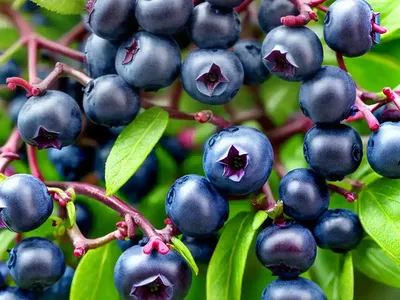
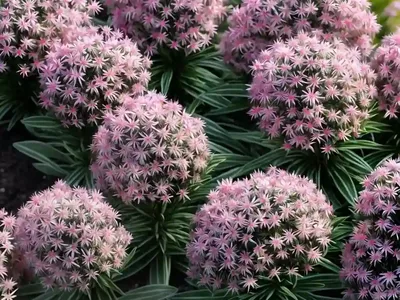
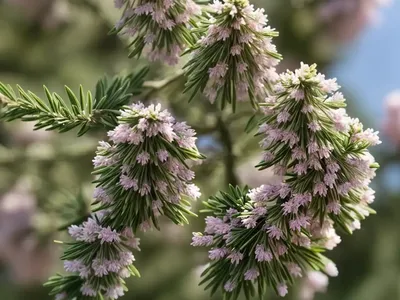
Pieris Japonica ‘Red Head’ (Japanese Andromeda)
Pieris japonica, commonly known as Japanese Andromeda, is a beautiful and versatile shrub that belongs to the heath family, Ericaceae. This species is.
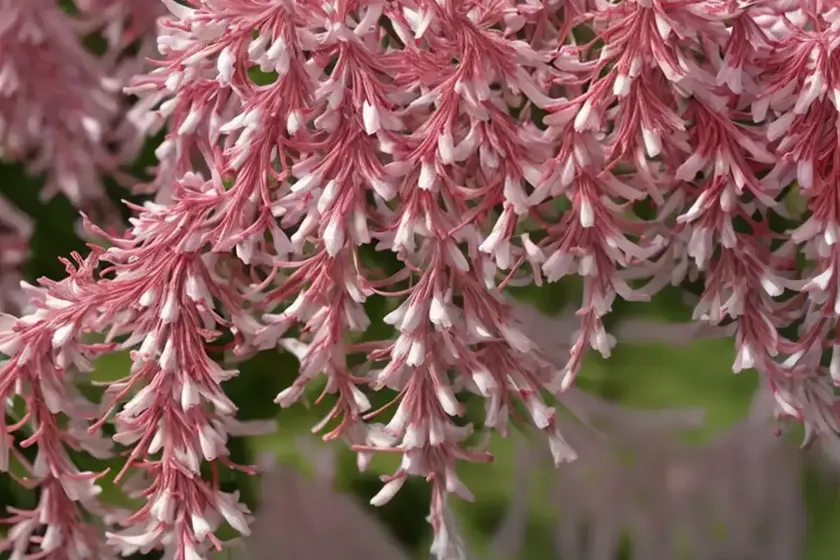
[Plant Image]
Introduction
Pieris japonica, commonly known as Japanese Andromeda, is a beautiful and versatile shrub that belongs to the heath family, Ericaceae. This species is native to Eastern Asia, including Japan, Taiwan, and eastern China. The plant is treasured for its striking foliage, vibrant flowers, and its adaptability to various growing conditions. Among the numerous cultivars of Pieris japonica, ‘Red Head’ stands out for its unique red foliage when it emerges in spring, adding a pop of color to any garden landscape. In this comprehensive guide, we will explore the different aspects of cultivating and caring for Pieris japonica ‘Red Head’, from its cultural requirements to its uses, maintenance, and potential challenges.
What is Pieris japonica ‘Red Head’?
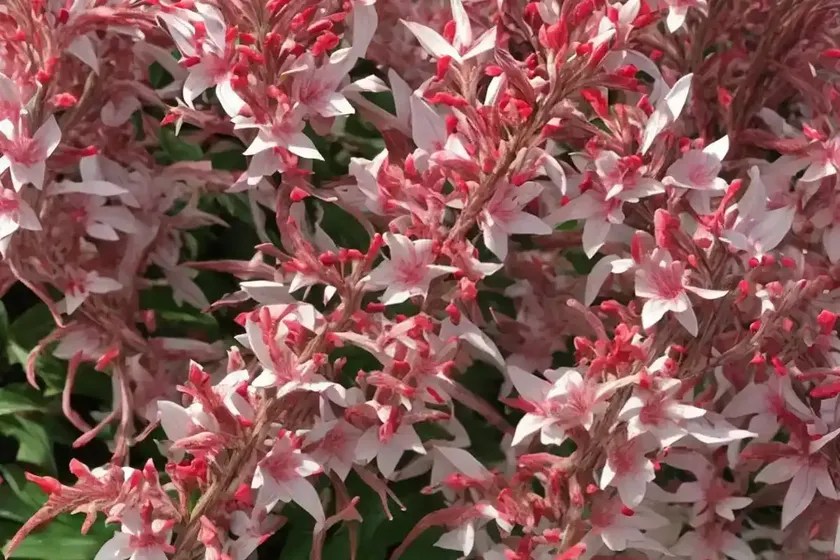
Pieris japonica ‘Red Head’, also referred to as Red Head Andromeda, is a cultivar of the Pieris japonica species. As with other members of its species, ‘Red Head’ is revered for its dense, compact growth habit and its broad, evergreen foliage. The most distinctive feature of this cultivar is its striking red new growth in spring. The foliage transitions to a lustrous deep green as it matures, creating an engaging texture and color contrast throughout the growing season.
This cultivar typically reaches a mature height and spread of 4-6 feet, making it an excellent choice for small to medium-sized gardens, as well as for container cultivation. Beyond its ornamental appeal, Pieris japonica ‘Red Head’ also offers ecological benefits, as it attracts pollinators and demonstrates resistance to deer browsing.
Key Takeaways – Pieris japonica ‘Red Head’
Before delving into the specific cultural requirements and care guidelines for Pieris japonica ‘Red Head’, let’s take a moment to highlight the key takeaways of this exceptional plant:
- Cultural uses: Ideal for ornamental landscaping, borders, and container gardening.
- Water requirements: Moderately moist, well-draining soil; adaptable to occasional drought conditions once established.
- Sunlight needs: Part to full shade, especially in warmer climates; sensitive to intense afternoon sun.
- Fertilizer: Light applications of acidic fertilizer in spring and late summer.
- Soil preferences: Well-drained, acidic soil with organic matter; avoid waterlogged or alkaline soils.
- Pruning: Minimal pruning to shape and remove damaged or crowded growth; best performed after flowering.
- Propagation: Can be propagated from seeds or semi-hardwood cuttings.
- Container popularity: Well-suited to container gardening, provided proper soil and moisture management.
- Common diseases: Prone to fungal diseases such as leaf spot and powdery mildew in humid conditions.
Now, let’s delve deeper into each of these aspects to gain a comprehensive understanding of how to care for and maximize the potential of Pieris japonica ‘Red Head’ in various settings.
Culture
Uses
Pieris japonica ‘Red Head’ offers a range of applications in ornamental and landscape design. Its compact growth habit and attractive foliage make it an excellent choice for the following uses:
- Ornamental landscaping: The vibrant red new growth in spring and the lustrous, evergreen foliage throughout the year make ‘Red Head’ an eye-catching choice for garden beds and borders.
- Container gardening: Due to its manageable size and adaptability to container cultivation, ‘Red Head’ can be featured in patio containers, adding visual interest and color to outdoor living spaces.
Water
Proper watering is essential for the health and vigor of Pieris japonica ‘Red Head’. As with many ornamental shrubs, finding the right balance of moisture is key to supporting optimal growth and flowering. Here are some important considerations for watering this cultivar:
- Establishment phase: Newly planted ‘Red Head’ specimens require regular, consistent moisture to encourage establishment. Adequate watering during the first growing season helps the plants develop a strong root system.
- Mature plants: Once established, Pieris japonica ‘Red Head’ demonstrates good tolerance to occasional drought conditions. However, it is still essential to monitor soil moisture, especially during prolonged dry spells, to prevent stress and dehydration.
- Watering frequency: In general, ‘Red Head’ benefits from moderate and consistent moisture. While it can withstand short periods of dry soil, it is important to avoid prolonged drought stress to maintain the plant’s vitality and overall appearance.
Sunlight
Pieris japonica ‘Red Head’ exhibits a preference for partial to full shade, particularly in regions with hot summers. While it can tolerate some morning sun, it is essential to protect the plant from intense afternoon sun, which can scorch the foliage and lead to stress. When selecting planting locations or containers for ‘Red Head’, aim for environments with the following sunlight characteristics:
- Partial shade: Ideal for most regions, providing a balance of light exposure without excessive heat and intensity.
- Full shade: In warmer climates, particularly in the southern United States, ‘Red Head’ benefits from sheltered or fully shaded locations to mitigate heat stress and maintain the health of the foliage.
Fertilizer
Appropriate fertilization is crucial for supporting the growth, vigor, and flowering of Pieris japonica ‘Red Head’. As an acid-loving plant, it benefits from regular applications of a suitable acidic fertilizer. Consider the following guidelines when fertilizing ‘Red Head’ for optimal results:
- Fertilizer type: Utilize a slow-release or liquid acidic fertilizer formulated for acid-loving plants such as azaleas, rhododendrons, and camellias. These products typically contain macro and micronutrients tailored to the specific needs of acid-loving species.
- Application timing: Apply fertilizer to ‘Red Head’ in early spring, just before the new growth emerges, and again in late summer or early fall to support overall health and prepare the plant for the following growing season.
- Application rate: Follow the manufacturer’s recommendations for application rates, and avoid excessive fertilization, which can lead to nutrient imbalances and potential damage to the plant.
Soil
The soil composition and quality play a fundamental role in the successful cultivation of Pieris japonica ‘Red Head’. As an acid-loving plant, ‘Red Head’ thrives in well-drained, acidic soils enriched with organic matter. Consider the following soil aspects when preparing planting sites or containers for ‘Red Head’:
- Acidity: Aim for a soil pH ranging from 5.0 to 6.5 to provide an optimal growing environment for ‘Red Head’. Conduct a soil test to assess the pH of the planting area and make necessary amendments to adjust the acidity if needed.
- Drainage: Ensure the soil offers good drainage to prevent waterlogging, which can lead to root suffocation and susceptibility to root-related diseases. Amending heavy or compacted soils with organic matter such as compost can improve drainage and soil structure.
- Organic matter: Incorporate organic amendments, such as well-decomposed compost or peat moss, into the planting area to enhance soil fertility, texture, and moisture retention. This assists in creating a favorable rooting environment for ‘Red Head’ and supports its overall health and growth.
Pruning
Pruning plays a crucial role in shaping the appearance, promoting vigor, and managing the health of Pieris japonica ‘Red Head’. While this cultivar generally requires minimal pruning, strategic interventions contribute to its overall well-being and aesthetic appeal. Consider the following pruning guidelines for ‘Red Head’ to maximize its potential in the garden:
- Timing: Perform any necessary pruning on ‘Red Head’ after the flowering period, typically in late spring or early summer. This allows the plant to allocate energy to new growth and flower development before the onset of dormancy.
- Objective: Focus on removing dead, damaged, or crossing branches to maintain a healthy framework and encourage air circulation within the canopy. Additionally, shaping the plant lightly can help maintain its desired size and form while promoting the development of new growth.
- Pruning tools: Utilize clean, sharp pruning tools such as bypass pruners or pruning shears to make precise cuts without causing unnecessary damage to the plant’s tissues. Disinfect the tools between cuts, especially when addressing diseased or compromised branches, to minimize the risk of spreading pathogens.
Propagation
For enthusiasts interested in propagating Pieris japonica ‘Red Head’ or expanding their collection through propagation techniques, several methods can be employed to develop new plants from existing stock. The following approaches are commonly used for propagating ‘Red Head’ and other Pieris japonica cultivars:
- Seeds: Harvest and sow fresh seeds from mature ‘Red Head’ specimens to grow new plants. This method is suitable for propagating a large number of plants, but it requires patience, as seed-grown specimens may exhibit variability in their characteristics.
- Semi-hardwood cuttings: Select healthy, non-flowering shoots from the current season’s growth and prepare semi-hardwood cuttings for propagation. Treat the cuttings with rooting hormone and provide suitable growing conditions to encourage the development of roots and new foliage.
- Division: For mature ‘Red Head’ specimens with established root systems, division offers a straightforward method of propagation. Carefully separate the plant into smaller sections, ensuring that each division contains viable roots and foliage for successful establishment.
While each propagation method has its advantages and challenges, they provide diverse opportunities for expanding the presence of Pieris japonica ‘Red Head’ in gardens and landscapes.
Container
The adaptable nature and compact growth habit of Pieris japonica ‘Red Head’ make it well-suited for container cultivation. When choosing containers and managing the growing environment for ‘Red Head’, consider the following guidelines to support the plant’s health and vigor:
- Container selection: Opt for spacious, sturdy containers with adequate drainage holes to ensure proper aeration and moisture management. Larger containers offer enhanced stability and root space for ‘Red Head’, reducing the need for frequent repotting.
- Growing medium: Utilize a well-draining, acidic potting mix tailored for acid-loving plants to create an optimal rooting environment for ‘Red Head’ in containers. Amending the mix with organic matter such as peat moss or compost enhances its water retention and fertility.
- Watering: Monitor the moisture levels of the container-grown ‘Red Head’ regularly, especially during warm and dry periods. Water thoroughly when the top inch of the growing medium feels dry to the touch, ensuring that excess water can freely drain from the container.
- Winter protection: In regions with harsh winters, consider protecting container-grown ‘Red Head’ from extreme cold and temperature fluctuations by providing insulation or relocating the containers to sheltered areas.
Container gardening not only allows for the cultivation of Pieris japonica ‘Red Head’ in various settings, such as patios and balconies, but also provides the flexibility to adjust the growing conditions to the plant’s specific needs.
Popularity
Pieris japonica ‘Red Head’ has gained popularity among gardeners, landscapers, and plant enthusiasts due to its striking foliage, overall hardiness, and adaptability to diverse environmental conditions. As a sought-after cultivar, ‘Red Head’ has become a favored choice for numerous applications and settings, including:
- Residential gardens: ‘Red Head’ brings a captivating burst of color and year-round interest to private gardens and landscapes, contributing to the visual appeal and diversity of plantings.
- Public parks and green spaces: Municipalities and organizations often incorporate ‘Red Head’ into public green spaces, offering a resilient and low-maintenance option for ornamental and landscape design.
- Commercial landscapes: From retail centers to educational institutions, businesses and organizations utilize the ornamental and ecological qualities of ‘Red Head’ to enhance their outdoor environments and make a positive visual impact.
The growing popularity of Pieris japonica ‘Red Head’ reflects its versatility, aesthetic appeal, and potential to thrive in a range of settings, contributing to its widespread recognition and appreciation.
Common Diseases
Pieris japonica ‘Red Head’ is susceptible to certain diseases, particularly fungal pathogens that thrive in warm and humid conditions. Identifying and understanding these common diseases is crucial for implementing preventive measures and appropriate treatments when necessary. The following diseases are among the key concerns for ‘Red Head’ and other Pieris japonica cultivars:
- Leaf spot: Fungal pathogens can cause circular, irregularly shaped lesions on the foliage of ‘Red Head’, often accompanied by yellow or brown discoloration. Enhanced air circulation and selective pruning can help manage leaf spot outbreaks.
- Powdery mildew: This fungal disease presents as a white, powdery coating on the foliage of ‘Red Head’, leading to distortion and decline. Providing adequate spacing between plants, reducing humidity, and applying appropriate fungicidal treatments contribute to powdery mildew management.
Implementing cultural practices that promote good air circulation, consistent moisture, and overall plant health serves as an effective approach to preventing and managing common diseases affecting Pieris japonica ‘Red Head’ and other ornamental species.
Disease Diagnosis
Early detection and accurate diagnosis of diseases affecting Pieris japonica ‘Red Head’ are essential for implementing targeted management strategies and preventing the spread of pathogens. When assessing the health of ‘Red Head’ and identifying potential diseases, consider the following diagnostic steps and key indicators:
- Foliage inspection: Regularly inspect the foliage of ‘Red Head’ for any visual abnormalities such as spots, lesions, discoloration, or powdery coatings. These signs may indicate the presence of fungal diseases that require prompt attention.
- Symptom progression: Monitor any observed symptoms for progression or expansion, which can help differentiate between transient stress-related issues and persistent diseases affecting ‘Red Head’.
- Professional consultation: If uncertain about the diagnosis or management of specific diseases, consult with local horticultural experts or plant health professionals for accurate assessments and targeted recommendations.
By remaining vigilant and proactive in disease diagnosis, gardeners can effectively safeguard the health and vitality of Pieris japonica ‘Red Head’ and minimize the impact of potential diseases on the plant’s overall well-being.
Common Pests
While Pieris japonica ‘Red Head’ is generally resilient and resistant to many pests, certain insects may pose occasional challenges to its health and appearance. By familiarizing oneself with these common pests and their potential impact on ‘Red Head’, gardeners can implement proactive measures to manage and mitigate pest pressures. Some of the notable pests to monitor for include:
- Pieris lacebug: These tiny, winged pests feed on the foliage of Pieris japonica, causing stippling, discoloration, and overall decline in plant health. Regular monitoring and targeted insecticidal treatments can help control lacebug populations and protect ‘Red Head’.
- Caterpillars: Various moth species may lay eggs on the foliage of ‘Red Head’, leading to caterpillar infestations that can defoliate the plant if left unchecked. Physical removal of caterpillars and the application of biological or targeted insecticidal treatments offer effective control options.
By actively monitoring and addressing potential pest pressures, gardeners can maintain the health and aesthetic appeal of Pieris japonica ‘Red Head’ and minimize the impact of pest-related damage.
Botanist’s Tips
As botanists and plant enthusiasts, we are continually seeking ways to maximize the potential of ornamental species such as Pieris japonica ‘Red Head’. Through our experience and research, we have compiled a set of tips and recommendations to support the successful cultivation and care of ‘Red Head’ in various growing environments:
- Mulching: Apply a layer of organic mulch around the base of ‘Red Head’ to conserve soil moisture, suppress weed growth, and improve soil structure. Mulching also contributes to a uniform soil temperature and protects the plant’s roots from temperature extremes.
- Companion planting: Consider incorporating companion plants with similar cultural preferences, such as azaleas, rhododendrons, and ferns, to create visually cohesive and ecologically supportive garden compositions that complement ‘Red Head’.
- Observation: Regularly observe and monitor ‘Red Head’ for any changes in foliage color, texture, or overall growth, as these visual cues can indicate the plant’s response to environmental conditions or potential stress factors.
By integrating these botanist’s tips into the care regimen for Pieris japonica ‘Red Head’, gardeners and enthusiasts can promote the optimal growth and performance of this captivating and versatile ornamental shrub.
Fun Facts
To further appreciate the unique qualities and ecological significance of Pieris japonica ‘Red Head’, let’s explore some fascinating and lesser-known facts about this exceptional plant:
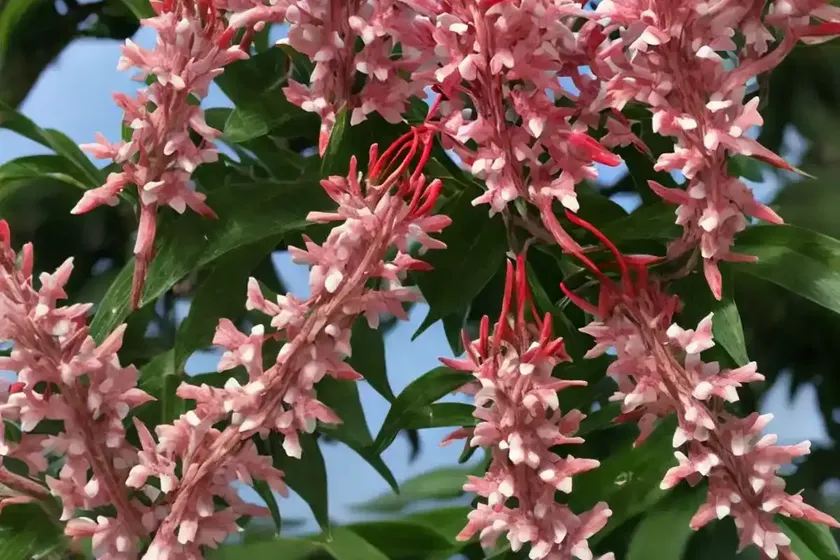
- Pollinator-friendly: The abundant clusters of small, bell-shaped flowers produced by ‘Red Head’ serve as a vital nectar source for pollinators, including bees and butterflies, contributing to a healthy and biodiverse garden ecosystem.
- Winter interest: Beyond its vibrant spring growth, ‘Red Head’ continues to captivate throughout the winter with its evergreen foliage, providing structure and texture to the garden landscape when many other plants are dormant.
- Deer resistance: ‘Red Head’ exhibits resistance to browsing by deer, making it a suitable choice for gardens and landscapes frequented by deer populations.
- Low maintenance: With its modest cultural requirements and overall resilience, ‘Red Head’ offers a low-maintenance ornamental option for gardeners seeking enduring beauty without excessive care demands.
These fun facts showcase the multifaceted appeal and ecological contributions of Pieris japonica ‘Red Head’, enhancing its value and significance in garden landscapes.
Links to External Resources
For further information and insights into Pieris japonica ‘Red Head’ and related ornamental plants, we recommend exploring the following external resources, which offer valuable perspectives and guidance on cultivation, maintenance, and landscape applications:
- American Rhododendron Society: An organization dedicated to the appreciation, cultivation, and conservation of rhododendrons, azaleas, and related Ericaceae species, providing extensive resources and expertise on acid-loving plants.
- The Royal Horticultural Society (RHS): A leading authority on horticultural practices and plant care, offering comprehensive guidance on ornamental shrubs, garden design, and soil management.
Engaging with these reputable external resources enables enthusiasts and professionals to expand their knowledge and skills in cultivating Pieris japonica ‘Red Head’ and fosters a deeper understanding of its ecological and aesthetic significance in diverse garden settings.
Conclusion
Pieris japonica ‘Red Head’ stands out as a distinguished and versatile addition to ornamental landscapes, offering captivating red new growth, evergreen foliage, and ecological contributions throughout the year. By embracing the cultural requirements, understanding its uses, and implementing best practices for care and maintenance, gardeners and enthusiasts can optimize the potential of ‘Red Head’ while enhancing the visual appeal and ecological value of their gardens and landscapes. We hope that this comprehensive guide has provided valuable insights and practical guidance for cultivating, appreciating, and maximizing the potential of Pieris japonica ‘Red Head’ in various settings, serving to inspire and support the endeavors of plant enthusiasts and horticultural professionals alike.
[Author Bio]
[Insert author bio, credentials, and contact information]