Phlox Subulata ‘Ruby Riot’ (Creeping Phlox)
As a plant scientist, I am excited to delve into the world of Phlox subulata ‘Ruby Riot’, commonly known as Creeping Phlox. This versatile and vibrant.
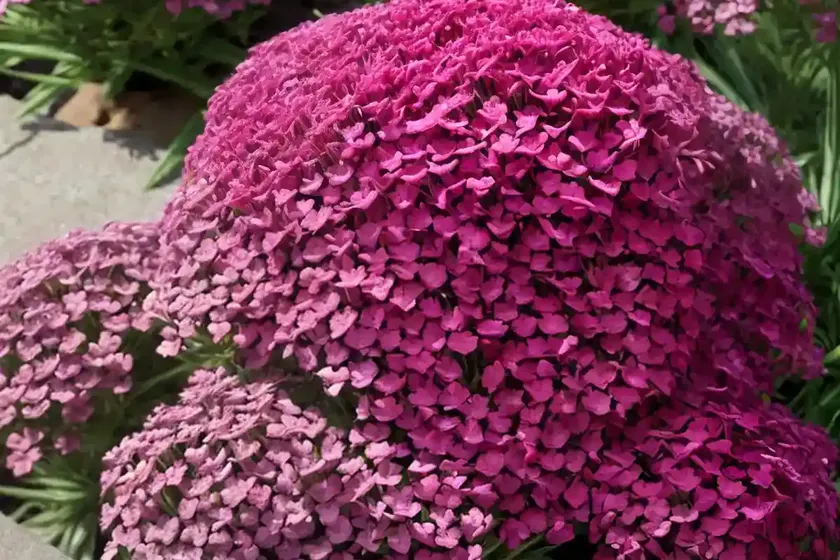
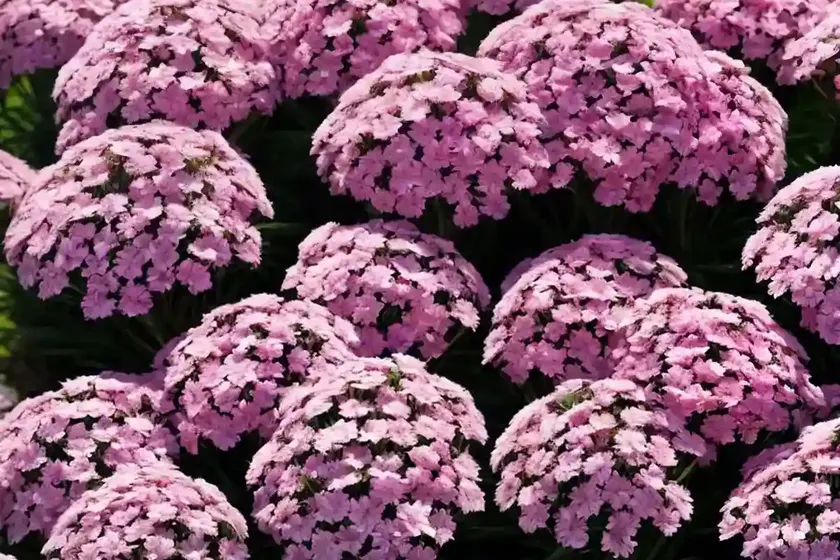
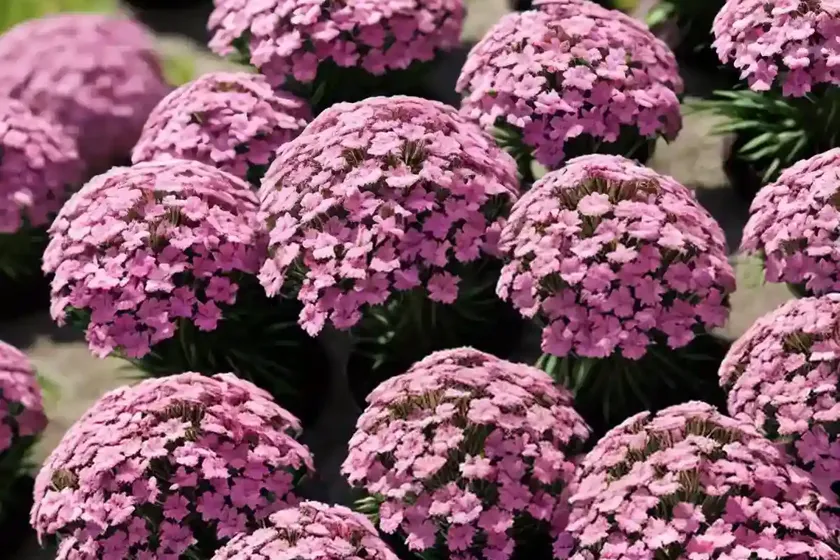
As a plant scientist, I am excited to delve into the world of Phlox subulata ‘Ruby Riot’, commonly known as Creeping Phlox. This versatile and vibrant plant has numerous characteristics and applications that make it a favorite among gardeners and landscaping enthusiasts. In this comprehensive guide, we will explore the description, growing conditions, care tips, benefits, and much more about Phlox subulata ‘Ruby Riot’. Whether you are an avid gardener seeking to enhance your landscape or a beginner looking to add beauty to your outdoor space, this guide will provide valuable insights into the world of Creeping Phlox.
What is Phlox subulata ‘Ruby Riot’ (Creeping Phlox)?
Phlox subulata ‘Ruby Riot’, also known as Creeping Phlox, is a low-growing perennial plant that belongs to the Polemoniaceae family. This creeping phlox species is recognized for its mat-forming habit and dense clusters of star-shaped flowers. The ‘Ruby Riot’ variety is distinguished by its vibrant ruby-red blooms, adding a striking pop of color to gardens and landscapes.
Phlox subulata ‘Ruby Riot’ Description
- Scientific Name: Phlox subulata ‘Ruby Riot’
- Common Name: Creeping Phlox
- Family: Polemoniaceae
- Variety: ‘Ruby Riot’
- Flower Color: Ruby-red
- Growth Habit: Low-growing, mat-forming
- Foliage: Needle-like, evergreen
- Bloom Time: Late spring to early summer
- Hardiness Zone: 3-9
- Mature Height: 4-6 inches
- Mature Spread: 12-18 inches
Creeping Phlox is characterized by its spreading nature, which makes it an excellent ground cover plant. The needle-like foliage forms a dense carpet, providing an attractive backdrop for the vibrant blooms. The ‘Ruby Riot’ variety, in particular, stands out with its profusion of deep red flowers that create a dazzling display when in full bloom.
Key Takeaways – Phlox subulata ‘Ruby Riot’ (Creeping Phlox)
Before delving deeper into the cultivation and care of Creeping Phlox, let’s summarize the key takeaways regarding Phlox subulata ‘Ruby Riot’ to provide an overview of its characteristics and uses.
Culture
- Plant Type: Perennial
- Growth Habit: Spreading, mat-forming
- Foliage Type: Evergreen
- Flower Color: Ruby-red
- Bloom Time: Late spring to early summer
- Hardiness Zone: 3-9
Uses
- Ground cover
- Rock gardens
- Border plant
- Erosion control
- Container gardening
- Pollinator attractant
- Wildlife habitat enhancement
- Mixed flower beds
- Perennial borders
- Urban gardens
- Wildflower gardens
- Xeriscaping
- Slope stabilization
Water
- Watering Needs: Moderate
- Drought Tolerance: Yes
- Winter Care: Mulching for protection
Sunlight
- Sun Exposure: Full sun to partial shade
Fertilizer
- Fertilization Schedule: Once in spring before new growth appears
Soil
- Soil Type: Well-drained, slightly alkaline
- Soil pH: 6.0-8.0
Pruning
- Pruning Needs: Light shearing after flowering to promote bushier growth
- Deadheading: Recommended to prolong blooming
Propagation
- Propagation Methods: Division, stem cuttings
- Propagation Time: Spring or early fall
Container Popularity
- Suitable for Container Gardening: Yes
- Container Types: Hanging baskets, decorative pots
Container Common Diseases
- Disease Susceptibility: Root rot in poorly drained soil
Disease Diagnosis
- Common Diseases: Powdery mildew, root rot
- Signs of Disease: Wilting, yellowing foliage, powdery growth
Common Pests
- Pest Susceptibility: Aphids, spider mites
- Pest Management: Insecticidal soap, neem oil
Botanist’s Tips
- Rejuvenate older plants by dividing them every few years
- Avoid overwatering to prevent root rot
- Regular deadheading promotes continuous blooming
- Mulch around the plants to retain soil moisture and suppress weeds
- Consider combining with early spring-blooming bulbs for a vibrant display
Fun Facts
- Creeping Phlox is native to eastern and central areas of the United States.
- The plant’s generic name “Phlox” is derived from the Greek word for flame, reflecting the fiery colors of its flowers.
- Creeping Phlox has been a popular choice for rocky and sandy sites, as well as locations with lean soils, due to its hardiness and tolerance for dry conditions.
Now that we have a bird’s eye view of the key attributes and uses of Phlox subulata ‘Ruby Riot’, let’s explore each aspect in more detail to gain a comprehensive understanding of this captivating plant.
Growing Phlox subulata ‘Ruby Riot’
To successfully cultivate Phlox subulata ‘Ruby Riot’, it is essential to understand the specific environmental and care requirements that contribute to its healthy growth and profuse blooming. Whether you are considering incorporating it into your garden, landscape, or container displays, the following sections will provide valuable insights into the optimal conditions and best practices for growing Creeping Phlox.
Creeping Phlox Characteristics
Mat-Forming Growth Habit
Creeping Phlox is renowned for its mat-forming growth habit, which makes it an excellent choice for ground cover. The evergreen foliage forms a dense carpet that acts as a living mulch, suppressing weeds and providing a visually appealing backdrop for the colorful blooms. The ‘Ruby Riot’ variety, in particular, exhibits a low, spreading habit, with stems radiating from a central crown and forming a cascading effect, especially when planted on slopes or in elevated positions.
Profusion of Ruby-Red Blooms
The ‘Ruby Riot’ variety of Creeping Phlox is prized for its abundant ruby-red flowers that cover the plant during the late spring to early summer blooming period. The petite star-shaped blossoms create a captivating display, adding a vivid splash of color to the landscape. This profusion of blooms, combined with the mat-forming nature of the plant, makes it a popular choice for gardeners looking to create vibrant ground cover or border displays.
Growing Conditions
USDA Hardiness Zones
Phlox subulata ‘Ruby Riot’ is well-suited for USDA hardiness zones 3-9, making it adaptable to a wide range of climatic conditions. From chilly northern regions to the moderate temperatures of southern areas, Creeping Phlox thrives in diverse environments, provided that its basic requirements are met.
Sunlight Requirements
One of the key factors contributing to the successful growth and flowering of Creeping Phlox is adequate sunlight. While it can tolerate partial shade, the ‘Ruby Riot’ variety performs best in full sun. Exposure to direct sunlight ensures vibrant bloom development and promotes overall plant vigor. When selecting a planting site, choose a location that receives at least 6-8 hours of sunlight for optimal performance.
Soil Preference
Creeping Phlox prefers well-drained soil with a slightly alkaline pH in the range of 6.0-8.0. This preference for well-drained soil is crucial, as it aids in preventing waterlogged conditions that can lead to root rot. Additionally, given its resilience to lean soils, Creeping Phlox is well-suited for rocky and sandy sites, making it a valuable addition to challenging planting areas.
Creeping Phlox Care Tips
To ensure the successful growth and long-term health of Phlox subulata ‘Ruby Riot’, adhering to proper care practices is essential. From watering and fertilization to pruning and disease management, the following care tips will guide you in nurturing your Creeping Phlox to its full potential.
Watering
While Creeping Phlox is relatively drought-tolerant once established, it benefits from regular watering, especially during dry periods. Aim to provide moderate moisture, allowing the soil to dry out slightly between waterings to prevent excessively wet conditions that can compromise the plant’s health. However, be mindful of prolonged droughts, as consistent moisture during these periods is vital to support optimal growth and blooming.
Ruby Riot Phlox Benefits
Beyond its aesthetic appeal, Phlox subulata ‘Ruby Riot’ offers numerous benefits that make it a valuable addition to various landscaping and gardening applications. The following are some of the notable benefits associated with the cultivation of ‘Ruby Riot’ Creeping Phlox.
Phlox subulata Varieties
While the ‘Ruby Riot’ variety of Creeping Phlox is celebrated for its striking ruby-red blooms, it is worth exploring the diverse range of Phlox subulata varieties available to enrich your garden palette. From vibrant pinks and whites to soft lavenders and blues, the Phlox subulata species offers a spectrum of colors and variations, each with its unique charm and appeal. By incorporating different varieties, you can create captivating tapestries of color and texture, adding visual interest to your landscape.
Best Uses for Creeping Phlox
The versatility of Creeping Phlox lends itself to a wide array of uses in both residential and commercial landscapes. Its low-growing, mat-forming habit, combined with its vibrant blooms and resilience, makes it an asset in various landscape applications. The following are some of the best uses for Creeping Phlox:
-
Ground Cover: Creeping Phlox excels as a ground cover plant, rapidly filling in bare areas and creating a uniform carpet of flowers and foliage. Whether used on slopes, embankments, or open spaces, its spreading nature and dense growth inhibit weed competition, making it an ideal option for weed suppression and erosion control.
-
Rock Gardens: The low, spreading habit of Creeping Phlox makes it an excellent choice for rock gardens. When nestled among boulders and rocky outcrops, its cascading stems and vibrant blooms complement the rugged landscape, adding softness and color to the natural stone elements.
-
Border Plant: ‘Ruby Riot’ Creeping Phlox is often used as a border plant, creating a defined edge in flower beds and along walkways. Its dense growth and profusion of flowers provide a charming border that delineates garden spaces and adds visual interest to the overall design.
-
Erosion Control: With its mat-forming habit and resilient nature, Creeping Phlox effectively stabilizes soil on slopes and embankments, preventing erosion and enhancing the landscape’s stability. Its extensive root system helps bind soil particles, reducing the risk of soil runoff and erosion during heavy rainfall or wind events.
-
Container Gardening: While often utilized as a ground cover plant, Creeping Phlox can also be incorporated into container displays, particularly in hanging baskets and decorative pots. The cascading growth habit and vibrant blooms create an eye-catching display that adds a splash of color to patios, balconies, and outdoor living areas.
The multifaceted uses of Creeping Phlox underscore its adaptability and aesthetic appeal, making it a valuable addition to various landscape designs.
How to Propagate Phlox subulata ‘Ruby Riot’
Propagation is a fundamental aspect of expanding your Creeping Phlox collection or sharing its beauty with fellow gardening enthusiasts. The propagation of Phlox subulata ‘Ruby Riot’ can be achieved through division and stem cuttings, offering opportunities to multiply the plant and introduce it to new areas of the garden. The following subsections detail the methods and best practices for propagating Creeping Phlox.
Division
Division is the primary method for propagating Creeping Phlox, allowing you to create new plants from established clumps. It is best carried out in spring or early fall when the plant is not in active blooming. Follow these steps to successfully propagate ‘Ruby Riot’ Creeping Phlox through division:
- Select a healthy, mature plant with a vigorous growth habit and abundant blooms.
- Carefully dig up the plant, ensuring that the root ball remains intact.
- Gently tease apart the root ball into sections, each containing roots and foliage.
- Replant the divided sections in prepared soil, ensuring adequate spacing between plants to accommodate their expanding growth.
- Water the newly divided plants thoroughly and monitor their progress as they establish themselves in their new locations.
Stem Cuttings
Stem cuttings provide an alternative method for propagating Creeping Phlox, particularly for creating new plants from specific ‘Ruby Riot’ varieties. This method allows for the replication of desirable traits and the preservation of unique color variations. Here’s how to propagate ‘Ruby Riot’ Creeping Phlox using stem cuttings:
- Select healthy stems from the parent plant, ensuring they are free from disease or damage.
- Cut 3-4 inch segments from the selected stems, ensuring each cutting has at least one set of leaves.
- Remove the lower leaves from the cuttings to create a node where roots will form.
- Dip the cut end of each stem cutting in a rooting hormone to promote root development.
- Plant the stem cuttings in a well-draining rooting medium, such as perlite or vermiculite.
- Keep the cuttings moist and maintain high humidity to support root formation.
- Monitor the cuttings for root development and gradually acclimate them to the outdoors once they have established a healthy root system.
By embracing the propagation methods suited for ‘Ruby Riot’ Creeping Phlox, you can expand your garden’s diversity and share the beauty of this captivating plant with others.
Ruby Riot Creeping Phlox Planting Guide
Whether you are establishing a new garden bed, enhancing an existing landscape, or adding to your container garden, the planting process for ‘Ruby Riot’ Creeping Phlox requires thoughtful consideration and adherence to specific guidelines for successful growth and establishment.
Creeping Phlox Ground Cover Ideas
When incorporating ‘Ruby Riot’ Creeping Phlox as a ground cover, consider a few creative ideas to maximize its visual impact and functional benefits in the landscape:
- Accentuate Slopes: Plant Creeping Phlox on slopes and embankments to create a cascading effect that softens the terrain and adds vibrant color to elevated areas.
- Pathway Borders: Create a welcoming and visually appealing entryway by planting ‘Ruby Riot’ Creeping Phlox along pathway borders, enriching the landscape with its rich hue and dense growth.
- Mixed Plantings: Combine Creeping Phlox with other low-growing perennials or ground cover plants to create dynamic arrangements that showcase a varied color palette and texture.
Phlox subulata ‘Ruby Riot’ in Landscaping
When integrating ‘Ruby Riot’ Creeping Phlox into landscaping designs, consider the following considerations to achieve cohesive and striking compositions:
- Color Harmonization: Pair ‘Ruby Riot’ Creeping Phlox with complementary or contrasting colors to create captivating color schemes. For instance, blending it with yellow-flowering plants or blue-hued foliage can create visually striking combinations.
- Focal Points: Use Creeping Phlox as focal points in your landscape design, drawing attention to specific areas and creating captivating focal points within the garden.
- Seasonal Succession: Incorporate Creeping Phlox into plantings that feature species with different blooming periods, ensuring continuous interest and color throughout the growing season.
Ruby Riot Phlox as a Border Plant
Utilizing ‘Ruby Riot’ Creeping Phlox as a border plant offers the opportunity to define garden beds and pathways while introducing vibrant color and texture into the landscape. When planting ‘Ruby Riot’ Creeping Phlox as a border, consider the following tips for optimal results:
- Plant Spacing: Space ‘Ruby Riot’ Creeping Phlox plants at a distance of 12-18 inches to allow for their spreading growth habit and to create a seamless border that showcases the plant’s cascading form.
- Soil Preparation: Prepare the soil by incorporating organic matter and ensuring proper drainage to support the health and vigor of the border planting.
- Edging Effect: Use ‘Ruby Riot’ Creeping Phlox along the edge of garden beds to create a defined border that adds visual interest and delineates planting areas.
Creeping Phlox for Rock Gardens
Rock gardens offer a unique setting for ‘Ruby Riot’ Creeping Phlox, allowing the plant to thrive in well-drained, rocky soils while complementing the natural features of the landscape. When incorporating Creeping Phlox into rock gardens, consider the following tips for successful integration:
- Soil Compatibility: Ensure that the soil in the rock garden is well-drained and lean, mimicking the natural conditions in which Creeping Phlox thrives. The plant’s resilience to rocky and sandy sites makes it an excellent choice for rock garden plantings.
- Cascading Plantings: Use ‘Ruby Riot’ Creeping Phlox to create cascading plantings that spill over rocks and crevices, softening the hard edges and adding lushness to the rocky landscape.
- Color Contrast: Integrate ‘Ruby Riot’ Creeping Phlox with other rock garden plants to create captivating contrasts in color, form, and texture, enhancing the overall visual appeal of the rock garden.
Hardy Phlox subulata ‘Ruby Riot’ Varieties
In addition to the ‘Ruby Riot’ variety, the Phlox subulata species encompasses several other hardy selections that bring diversity and versatility to garden designs. By exploring the various hardy Phlox subulata varieties, you can expand your plant palette and introduce a range of colors and characteristics to your landscape. Some popular hardy Phlox subulata varieties include:
- ‘Emerald Blue’: Featuring soft, violet-blue flowers and a compact growth habit, this variety adds a serene touch to garden beds and rock gardens.
- ‘Fort Hill’: Known for its lavender-pink blooms and vigorous growth, ‘Fort Hill’ is a reliable option for ground cover and erosion control.
- ‘Candy Stripe’: Offering striking pink flowers with white stripes, ‘Candy Stripe’ adds a burst of color and pattern to the garden, making it a captivating choice for mixed plantings.
By incorporating these hardy Phlox subulata varieties, you can diversify your garden’s color scheme and enhance its visual appeal with a spectrum of delightful hues.
Creeping Phlox for Pollinators
Creeping Phlox serves as a valuable resource for pollinators, attracting a diverse array of beneficial insects, including butterflies, bees, and hummingbirds. Its profusion of nectar-rich blooms provides an essential food source for pollinators, supporting their nutritional needs throughout the blooming period. By incorporating ‘Ruby Riot’ Creeping Phlox into your garden, you can create a pollinator-friendly environment that contributes to the well-being of local insect populations and promotes ecological balance.
Low-Maintenance Phlox subulata ‘Ruby Riot’
With its resilience, low water requirements, and minimal care needs, ‘Ruby Riot’ Creeping Phlox is regarded as a low-maintenance plant that brings enduring beauty to the landscape. Its adaptability to various growing conditions and its ability to thrive with minimal intervention make it an excellent choice for gardeners seeking to minimize upkeep while enjoying striking floral displays. The following are some key attributes that contribute to the low-maintenance nature of ‘Ruby Riot’ Creeping Phlox:
- Drought Tolerance: Once established, ‘Ruby Riot’ Creeping Phlox exhibits resilience to dry conditions, reducing the need for regular watering.
- Minimal Pruning Needs: Light shearing after


