Phlox Subulata ‘Fort Hill’ (Creeping Phlox)
Phlox subulata ‘Fort Hill’, also known as Creeping Phlox, is a beautiful and versatile perennial plant that is cherished by gardeners for its.
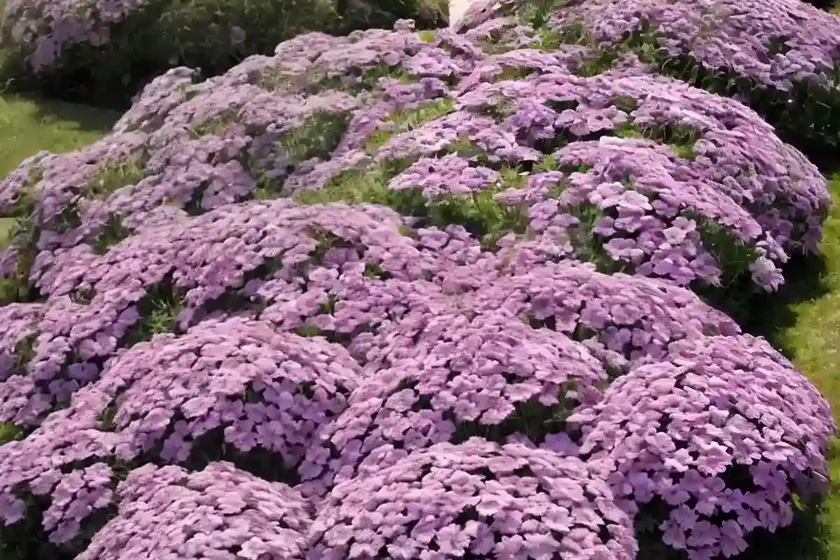
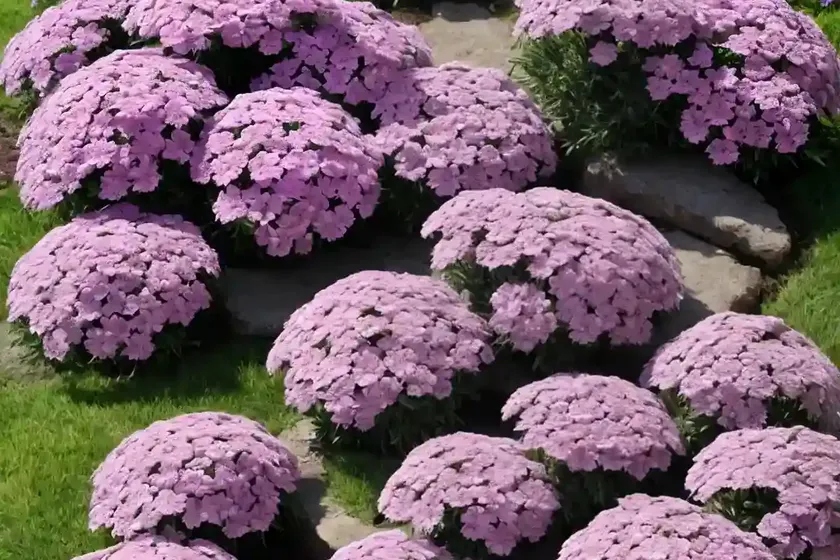
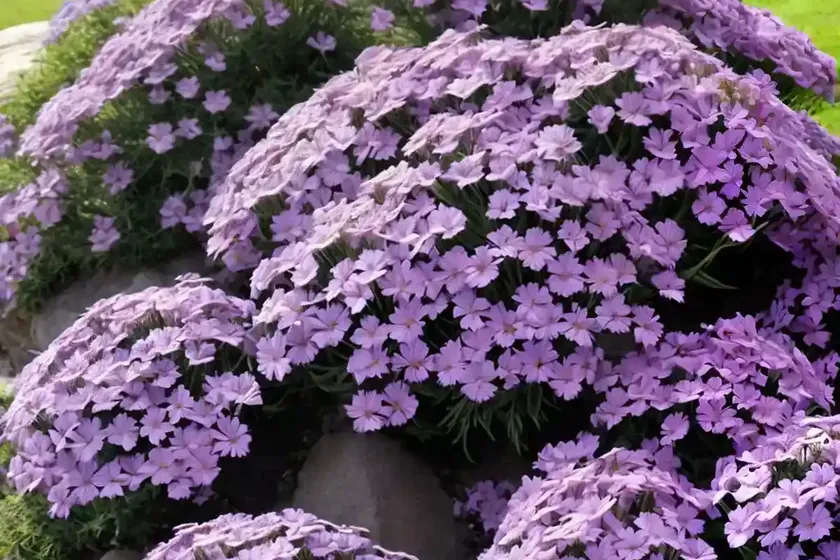
Phlox subulata ‘Fort Hill’, also known as Creeping Phlox, is a beautiful and versatile perennial plant that is cherished by gardeners for its ground-hugging habit, vibrant flowers, and low maintenance requirements. This plant is a popular choice for covering slopes, rock gardens, and border edges, adding a splash of color and texture to the landscape.
In this comprehensive plant profile, we will delve into the various aspects of Phlox subulata ‘Fort Hill’, including its cultural requirements, landscape uses, propagation methods, and tips for ensuring its healthy growth. By the end of this guide, you will gain a deeper understanding of this stunning plant and how to incorporate it into your garden landscape.
Key Takeaways
Phlox subulata ‘Fort Hill’ (Creeping Phlox)
- Description: A low-growing perennial with small, star-shaped flowers in shades of pink, purple, or white.
- Growth Habit: Creeping, ground-hugging, forming a dense mat of foliage.
- Care Tips: Requires well-draining soil, full sunlight, and occasional pruning; drought-tolerant once established.
- Ground Cover: Excellent for covering slopes, rock gardens, and border edges, providing erosion control and vibrant color.
- Characteristics: Evergreen foliage, early spring blooming, and a versatile landscaping option.
- Planting Guide: Best planted in the spring or fall, spacing plants 12-18 inches apart.
- Landscape Uses: Ideal for cascading over walls, edging pathways, or as a colorful ground cover in various garden settings.
- Maintenance: Low maintenance, occasional pruning to promote new growth and maintain compactness.
- Propagation: Easily propagated from stem cuttings or division in the spring.
- Varieties: Several cultivars available, offering different flower colors and growth habits.
- Benefits: Attracts pollinators, provides year-round interest, and offers excellent ground coverage.
- Spreading Habits: Forms a thick mat as it spreads, effectively suppressing weeds.
- Hardiness: Typically hardy in USDA zones 3-9, withstanding cold winters and hot summers.
With these key takeaways in mind, let’s explore the culture, uses, and maintenance of Phlox subulata ‘Fort Hill’ in detail.
Culture
Water
Frequency:
- First Year: Regular watering to establish roots.
- Established Plants: Drought-tolerant; water during prolonged dry spells.
Ideal Moisture Level:
- Soil Type: Well-draining soil to prevent waterlogging.
- Watering Technique: Direct water to the base of the plant to avoid wetting the foliage.
Sunlight
Preference: Full sunlight.
Impact of Sunlight:
- Enhances flower production.
- Promotes compact growth and prevents legginess.
Fertilizer
Timing:
- Early Spring: Apply a balanced, slow-release fertilizer.
- After Flowering: Optional light application to support new growth.
Usage:
- Type: Balanced fertilizer such as 10-10-10 or 12-12-12.
- Quantity: Follow label instructions for appropriate dosage.
Soil
Type:
- Well-draining, slightly acidic to neutral soil.
- Loamy or sandy soil with good aeration.
pH Level:
- Range: 6.0-7.0
- Soil Testing: Periodic soil testing for pH and nutrient levels.
Pruning
Timing:
- After Flowering: Optional light shearing to promote new growth.
- Early Spring: Trim back any winter-damaged foliage.
Technique:
- Shearing: Trim back spent flower clusters and leggy growth.
- Division: Every 3-4 years to rejuvenate older plants and control spread.
Uses
Landscape Uses
- Ground Cover:
- Excellent for covering slopes, rock gardens, and soil banks.
-
Suppresses weeds while providing vibrant color.
-
Border Edging:
- Creates a colorful and textured border along pathways and gardens.
-
Blends well with other perennials and low-growing plants.
-
Rock Gardens:
- Cascades over rocks and crevices, filling spaces with flowers and foliage.
-
Adds a natural and soft appearance to rock garden settings.
-
Erosion Control:
- Stabilizes soil on slopes and prevents erosion.
-
Roots spread and hold the soil in place, especially on steep inclines.
-
Container Gardening:
- Cascades beautifully from hanging baskets and container edges.
-
Adds a pop of color to deck, patio, or balcony settings.
-
Pollinator Gardens:
- Attracts bees, butterflies, and other pollinators with its abundant nectar-rich flowers.
Propagation
Division
- Method: Lift and divide established clumps in early spring.
- Process:
- Dig up the plant and gently separate the clumps into smaller sections.
- Replant the divisions in well-prepared soil at the same depth as the original plant.
Stem Cuttings
- Timing:
- Early Summer: Select non-flowering shoots for propagation.
-
Preparation: Take 4-6 inch cuttings with a sharp, clean knife.
-
Propagating Medium:
-
Use a well-draining soil mix or perlite and peat moss.
-
Rooting Hormone:
-
Optional dip in a rooting hormone to encourage root development.
-
Environment:
- Provide bright, indirect light and consistent moisture.
-
Maintain humidity by covering the cuttings with a clear plastic dome or misting regularly.
-
Transplanting:
- Once rooted, transplant the cuttings into individual pots or into the garden.
Popularity
Phlox subulata ‘Fort Hill’ has gained popularity among gardeners and landscapers due to its:
- Vibrant, early spring flowers.
- Versatile landscape uses.
- Low maintenance requirements.
- Ability to attract pollinators.
- Effective ground coverage and erosion control.
With its hardiness, adaptability, and visual appeal, it has become a go-to plant for adding color and texture to various garden settings.
Common Diseases
Disease Diagnosis
- Powdery Mildew:
- Symptoms: White powdery spots on leaves and stems.
-
Prevention: Provide good air circulation and avoid overhead watering.
-
Root Rot:
- Symptoms: Wilting, yellowing, and stunted growth.
-
Prevention: Ensure well-draining soil and avoid overwatering.
-
Botrytis Blight:
- Symptoms: Gray mold on flowers and foliage.
- Prevention: Remove and dispose of affected plant parts, improve air circulation.
Common Pests
Botanist’s Tips
- Aphids:
- Control with insecticidal soap or neem oil.
-
Attract natural predators like ladybugs and lacewings.
-
Spider Mites:
- Boost humidity to deter mites.
-
Use a strong spray of water to dislodge mites from the foliage.
-
Snails and Slugs:
- Place barriers like copper tape around susceptible areas.
- Handpick and remove these pests during evening inspections.
Fun Facts
- The genus name “Phlox” is derived from the Greek word for “flame,” representing the vibrant colors of the flowers.
- Creeping Phlox is a favorite among rock garden enthusiasts for its ability to cascade over rocks and fill in crevices.
- This plant is an excellent choice for xeriscaping, as it is drought-tolerant and requires minimal watering once established.
Links to External Resources
To expand your knowledge about Phlox subulata ‘Fort Hill’ and its cultivation, propagation, and uses, consider exploring the following external resources:
-
Royal Horticultural Society’s Advice on Growing Phlox subulata
-
American Society for the Prevention of Cruelty to Animals’ Toxicity Information on Phlox
-
The Perennial Plant Association’s Profile on Phlox subulata ‘Fort Hill’
In conclusion, Phlox subulata ‘Fort Hill’ is a versatile and visually captivating plant that offers numerous benefits to gardeners and landscapers. By understanding its cultural requirements, landscape uses, and maintenance practices, you can successfully integrate this ground cover into your garden, enhancing its beauty and biodiversity.
Whether cascading over walls, lining pathways, or spilling from containers, Creeping Phlox brings a touch of elegance and vibrancy to any outdoor space. Its resilience, low maintenance nature, and attractive blooms make it a valuable addition to diverse garden settings, creating a tapestry of color and life throughout the seasons.
By following the guidelines and tips outlined in this comprehensive profile, you can cultivate and enjoy the beauty of Phlox subulata ‘Fort Hill’ within your own garden landscape, while contributing to the overall health and sustainability of your outdoor environment.


