Creeping Phlox (Phlox Subulata ‘Candy Stripe’)
Creeping Phlox, scientifically known as Phlox subulata ‘Candy Stripe’, is a delightful perennial plant that belongs to the Polemoniaceae family. It is a.
What is Creeping Phlox (Phlox subulata ‘Candy Stripe’)?
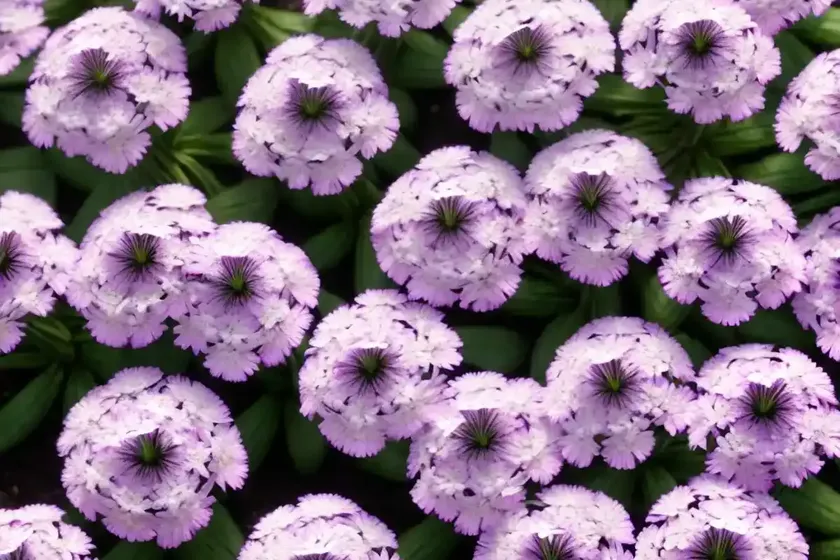
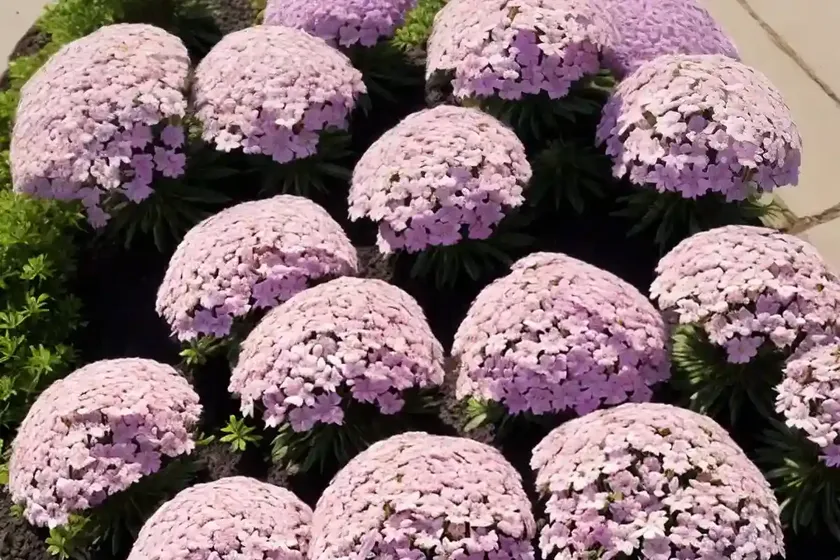
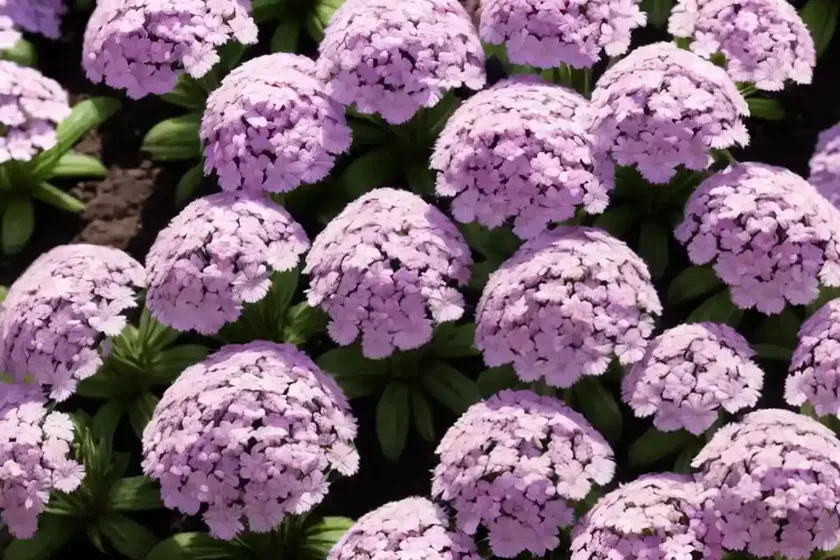
Creeping Phlox, scientifically known as Phlox subulata ‘Candy Stripe’, is a delightful perennial plant that belongs to the Polemoniaceae family. It is a low-growing, spreading plant with needle-like leaves and delicate, star-shaped flowers. This particular variety, ‘Candy Stripe’, is adorned with soft pink and white striped blossoms, adding a charming appeal to gardens and landscapes.
Key Takeaways
Culture
- Creeping Phlox is an easy-to-care-for plant, making it a popular choice among gardeners.
- It is well-suited for rock gardens, slopes, and hillsides due to its spreading nature.
- ‘Candy Stripe’ variety offers unique pink and white striped flowers, adding visual interest to the landscape.
Uses
- It is commonly used as ground cover due to its dense mat-forming growth habit.
- The attractive blooms make it an excellent choice for borders, rock gardens, and container gardening.
Water
- Creeping Phlox generally prefers well-drained soil and does not tolerate waterlogged conditions.
- Watering should be moderate, ensuring that the soil is kept slightly moist, especially during dry periods and the plant’s establishment phase.
Sunlight
- It thrives in full sun to part shade, with at least 6 hours of direct sunlight for optimal flowering.
Fertilizer
- A balanced fertilizer can be applied in spring to promote healthy growth and abundant blooms.
Soil
- Well-drained, slightly acidic to neutral soil is ideal for Creeping Phlox.
- It is adaptable to various soil types, including sandy and rocky soils.
Pruning
- Deadheading spent flowers can encourage prolonged blooming and keep the plant looking tidy.
- Light shearing after flowering can promote compact growth and stimulate new foliage.
Propagation
- Creeping Phlox can be propagated through division or stem cuttings.
- Division is best carried out in the early spring or after the plant has finished blooming.
Container Popularity
- Its cascading growth habit makes it a popular choice for container gardening.
- When planted in hanging baskets or containers, it spills gracefully over the edges, creating a stunning display.
Common Diseases
Disease Diagnosis
- Creeping Phlox is generally resistant to diseases.
- However, it may occasionally encounter issues such as powdery mildew or root rot in poorly drained soils.
Common Pests
- While relatively pest-resistant, Creeping Phlox may attract spider mites and aphids during periods of drought or stress.
Botanist’s Tips
- To promote a dense carpet of flowers, plant Creeping Phlox in clusters or drifts.
- Incorporate companion plants such as Sedum, Dianthus, and Aubrieta to create a captivating spring display.
Fun Facts
- The name “Phlox” is derived from the Greek word for “flame,” reflecting the plant’s vibrant blossoms.
- Creeping Phlox is known to attract pollinators such as butterflies and bees to the garden.
For detailed information on the care, cultivation, and enjoyment of Creeping Phlox, below are some helpful external resources:
- The American Phlox Society
- Royal Horticultural Society – Phlox subulata
- University of Maryland Extension – Perennials for the Home Garden
In conclusion, Creeping Phlox, particularly the ‘Candy Stripe’ variety, is a versatile and charming plant that adds beauty and elegance to garden landscapes. With its low-maintenance nature and delightful blossoms, it is a valuable addition to any garden, whether used as ground cover, border edging, or in container displays. By understanding its cultural needs and incorporating it into well-designed plantings, gardeners can enjoy the enchanting allure of this lovely perennial.


