Phlox Subulata ‘Emerald Cushion Blue’ (Creeping Phlox)
Plants, with their varied colors, shapes, and sizes, seem to bring life and beauty to our surroundings. Among the countless plant species, Phlox subulata.
Introduction
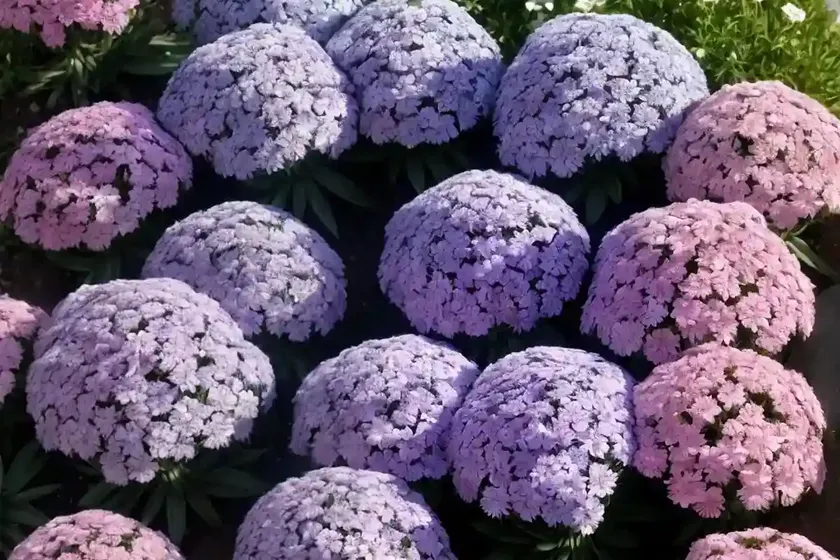
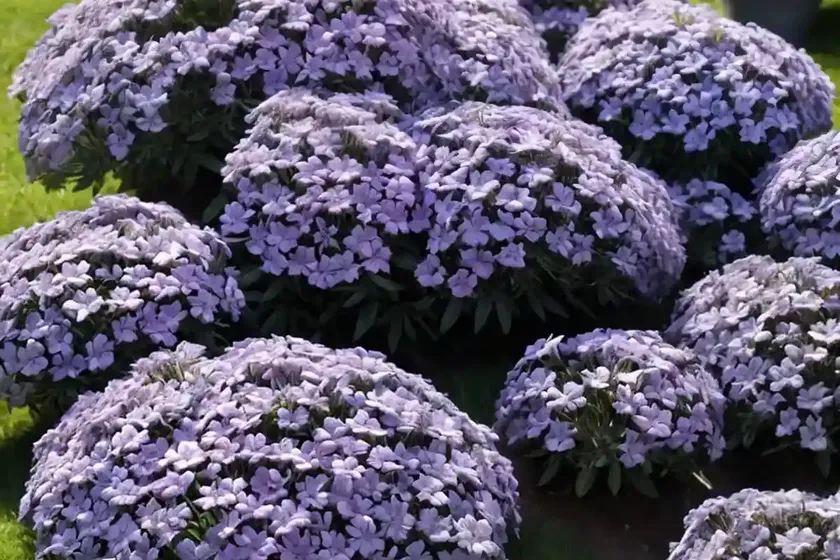
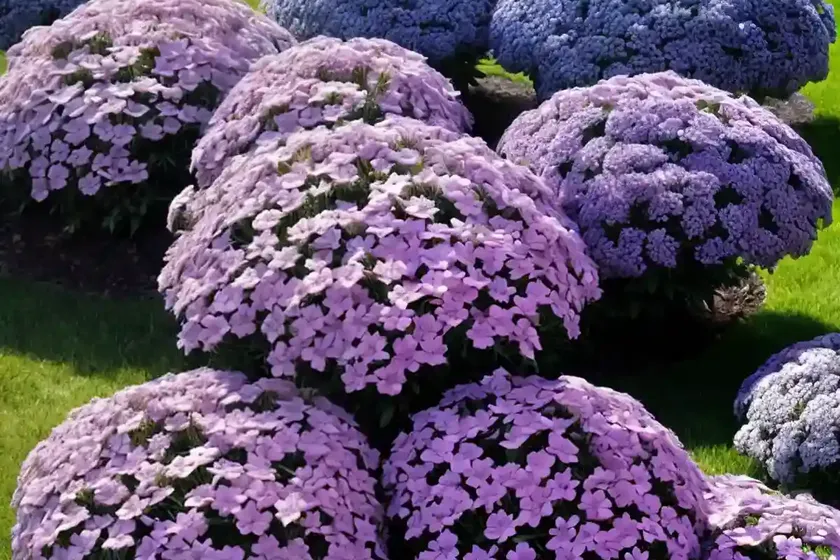
Plants, with their varied colors, shapes, and sizes, seem to bring life and beauty to our surroundings. Among the countless plant species, Phlox subulata ‘Emerald Cushion Blue’, also known as Creeping Phlox, stands out for its striking beauty and versatility. Whether you are a novice gardener or an experienced landscape artist, the Creeping Phlox can be a delightful addition to your garden and landscape.
What is Plant: Phlox subulata ‘Emerald Cushion Blue’ (Creeping Phlox)
Phlox subulata ‘Emerald Cushion Blue’ (Creeping Phlox) is a low-growing, spreading perennial plant that belongs to the Polemoniaceae family. It is native to woodlands and meadows and is primarily found in North America. This evergreen perennial is known for its lush and colorful blooms, making it a popular choice for ground cover and rock gardens.
Key Takeaways: Phlox subulata ‘Emerald Cushion Blue’ (Creeping Phlox)
Below are some key takeaways about Phlox subulata ‘Emerald Cushion Blue’ (Creeping Phlox) that will guide you through its culture, uses, care, and maintenance:
- Culture
- Requires well-draining soil
- Thrives in full sun to partial shade
- Ideal for rock gardens and ground cover
-
Drought-tolerant once established
-
Uses
- Ground cover
- Rock gardens
- Erosion control
-
Border plant
-
Water
- Moderate water needs
- Avoid overwatering
-
Drought-tolerant once established
-
Sunlight
- Full sun to partial shade
-
Best flowering in full sun
-
Fertilizer
- Minimal fertilizer requirements
- Balanced, slow-release fertilizer in spring
-
Avoid excessive nitrogen
-
Soil
- Well-draining, alkaline soil
- Sandy or rocky soil is ideal
-
Tolerant of poor soil conditions
-
Pruning
- Light shearing after flowering to encourage new growth
-
Deadhead spent blooms to promote reblooming
-
Propagation
- Easily propagated through division
-
Can be propagated from cuttings
-
Container Popularity
- Suitable for containers
- Cascading habit works well in hanging baskets
-
Provides color and texture to container gardens
-
Common Diseases
- Powdery mildew
- Root rot
-
Botrytis blight
-
Common Pests
- Spider mites
- Aphids
- Leafhoppers
Phlox subulata ‘Emerald Cushion Blue’ Characteristics
Phlox subulata ‘Emerald Cushion Blue’, commonly known as Creeping Phlox, is a delightful perennial that displays the following characteristics:
- Colorful blooms in shades of blue, pink, white, and purple
- Low-growing, mat-forming habit
- Evergreen foliage
- Spreads and trails to cover the ground
- Drought-tolerant once established
- Attracts pollinators such as butterflies and bees
Creeping Phlox Plant Facts
- Family: Polemoniaceae
- Common Name: Creeping Phlox
- Plant Type: Perennial
- Height: 6-8 inches
- Spread: 12-18 inches
- Bloom Time: Spring to early summer
- Hardiness Zone: 3-9
Phlox subulata ‘Emerald Cushion Blue’ Care Guide
Understanding the essential care requirements for Phlox subulata ‘Emerald Cushion Blue’ is crucial to ensure its optimal growth and abundant flowering.
Best Conditions for Phlox subulata ‘Emerald Cushion Blue’
- Soil: Well-draining, alkaline soil is preferred. Sandy or rocky soil is ideal. Ensure good drainage to prevent waterlogging, as it is susceptible to root rot.
- Water: Moderate watering is required. Once established, Creeping Phlox is drought-tolerant and should not be overwatered.
- Sunlight: Full sun to partial shade. It thrives in full sun and displays the best flowering in such conditions.
- Fertilizer: Minimal fertilizer is needed. Apply a balanced, slow-release fertilizer in early spring, avoiding excessive nitrogen that can promote lush foliage at the expense of flowering.
Growing Creeping Phlox ‘Emerald Cushion Blue’
- Planting: Choose a location with well-draining soil and adequate sunlight. Space plants 12-18 inches apart to allow for spreading.
- Watering: Water newly planted Creeping Phlox regularly to help establish the roots. Once established, it is drought-tolerant and requires minimal watering.
- Mulching: Apply a thin layer of mulch to retain moisture and suppress weeds. Organic mulch can be beneficial for improving soil structure over time.
- Pruning: Light shearing after flowering helps maintain a neat appearance and can promote a second flush of blooms. Deadhead spent flowers to encourage reblooming.
Tips for Planting Phlox subulata ‘Emerald Cushion Blue’
- Choose a well-draining location with full sun to partial shade to plant Creeping Phlox.
- Amend the soil with compost or well-rotted manure to improve drainage and fertility.
- Space the plants according to their spread to allow for natural growth and coverage.
- Ensure proper air circulation to discourage powdery mildew and other foliar diseases.
How to Propagate Creeping Phlox
- Division: Divide established clumps in early spring or late summer to propagate new plants. Carefully separate the rooted sections and transplant them into prepared soil.
- Cuttings: Take stem cuttings from healthy, non-flowering shoots in late spring or early summer. Root the cuttings in a well-draining medium to propagate new plants.
Phlox subulata ‘Emerald Cushion Blue’ for Ground Cover
The low-growing, spreading nature of Creeping Phlox makes it an ideal choice for ground cover. Its colorful blooms and evergreen foliage create a vibrant carpet that enhances the visual appeal of the landscape.
Creeping Phlox ‘Emerald Cushion Blue’ Maintenance
- Weeding: Regular weeding helps maintain a clean bed and prevents competition for nutrients and moisture.
- Maintenance Pruning: Light shearing after flowering helps control the growth and encourages a compact, bushy habit.
- Dividing: Periodically divide the plant to rejuvenate its growth and prevent overcrowding.
Common Issues with Phlox subulata ‘Emerald Cushion Blue’
Despite its resilience, Phlox subulata ‘Emerald Cushion Blue’ can face certain challenges in the form of diseases and pests.
Varieties of Creeping Phlox Plants
- ‘Candy Stripe’: Pink and white striped flowers
- ‘Snowflake’: White flowers with a blush of pink
- ‘Scarlet Flame’: Bright red flowers
- ‘Fort Hill’: Lavender-blue flowers
Phlox subulata ‘Emerald Cushion Blue’ for Rock Gardens
The compact, spreading nature of Creeping Phlox makes it an excellent choice for rock gardens. It cascades over rocks and fills crevices, softening the hard edges and adding a splash of color to the rocky landscape.
Growing Creeping Phlox in Containers
Phlox subulata ‘Emerald Cushion Blue’ is well-suited for container cultivation, adding a pop of color and texture to patio gardens and balcony spaces. Its cascading habit makes it an attractive choice for hanging baskets and elevated planters.
Companion Plants for Phlox subulata ‘Emerald Cushion Blue’
- Sedum: Delicate blooms complement the dense foliage of Creeping Phlox.
- Euphorbia: Contrasting foliage and texture create an interesting visual display.
- Dianthus: Compact varieties add a splash of color and fragrance to the landscape.
How to Attract Pollinators with Creeping Phlox
The colorful blooms of Phlox subulata ‘Emerald Cushion Blue’ attract pollinators such as butterflies and bees, adding vibrancy and life to the garden. Incorporating it into pollinator-friendly gardens can contribute to supporting local ecosystems.
The Blooming Period of Phlox subulata ‘Emerald Cushion Blue’
Creeping Phlox typically blooms in spring to early summer, carpeting the ground with vibrant clusters of flowers. With proper care and favorable conditions, it can produce a stunning floral display.
Creeping Phlox ‘Emerald Cushion Blue’ as a Border Plant
The low-growing habit and colorful blooms make Creeping Phlox an excellent choice for border planting. It delineates garden beds and pathways with a profusion of colors, enhancing the overall landscape design.
Tips for Pruning Phlox subulata ‘Emerald Cushion Blue’
- Prune after flowering to maintain a compact form and encourage new growth.
- Remove spent flowers to prolong the blooming period and promote reblooming.
Pests and Diseases Affecting Creeping Phlox
- Common Diseases: Powdery mildew, root rot, botrytis blight
- Common Pests: Spider mites, aphids, leafhoppers
Phlox subulata ‘Emerald Cushion Blue’ in Hanging Baskets
Utilizing Creeping Phlox in hanging baskets can create a stunning cascading display, adding visual interest and a burst of color to elevated spaces.
Benefits of Using Phlox subulata ‘Emerald Cushion Blue’ in Landscaping
- Low maintenance and easy to grow
- Ground cover for large areas or slopes
- Adds color and texture to rock gardens and border plantings
- Attracts pollinators, contributing to the local ecosystem
- Drought-tolerant and resilient once established
Creeping Phlox ‘Emerald Cushion Blue’ for Erosion Control
The spreading nature of Creeping Phlox, combined with its tolerance for dry conditions, makes it an excellent choice for controlling erosion on slopes and embankments.
How to Winterize Phlox subulata ‘Emerald Cushion Blue’
- Apply a layer of mulch to protect the roots during winter.
- Cut back any dead foliage in late fall to promote healthy regrowth in spring.
Different Shades of Flowers in Creeping Phlox
Creeping Phlox is available in a variety of colors, including blue, pink, white, and purple, allowing for diverse and vibrant floral displays in the garden.
Organic Fertilizers for Phlox subulata ‘Emerald Cushion Blue’
Utilizing organic fertilizers such as compost and well-rotted manure can provide the necessary nutrients while improving soil structure and fertility.
Growing Creeping Phlox Indoors
While primarily an outdoor plant, Creeping Phlox can be brought indoors for temporary displays, adding a touch of nature to interior spaces.
Phlox subulata ‘Emerald Cushion Blue’ as a Groundcover Alternative
In areas where traditional turfgrass may struggle, Creeping Phlox can serve as an attractive and low-maintenance alternative, offering vibrant blooms and evergreen foliage.
Indigenous Habitat of Creeping Phlox
Creeping Phlox is indigenous to woodlands and meadows, primarily found in North America. Its natural habitat influences its preference for well-draining soil and tolerance to dry conditions.
Best Time to Plant Phlox subulata ‘Emerald Cushion Blue’
Early spring or early fall is the optimal time for planting Creeping Phlox, allowing the plants to establish before the extremes of summer or winter.
Benefits of Using Creeping Phlox in Xeriscaping
- Drought-tolerant and requires minimal water once established
- Adds visual appeal and color to xeriscape designs
- Enhances the ecosystem by attracting pollinators
- Low maintenance and resilient in arid conditions
Watering Requirements for Phlox subulata ‘Emerald Cushion Blue’
- Moderate watering is needed, especially during the establishment phase.
- Once established, it is drought-tolerant and requires minimal supplemental watering.
Creeping Phlox ‘Emerald Cushion Blue’ for Slope Stabilization
The spreading and trailing nature of Creeping Phlox makes it an effective choice for stabilizing and covering slopes, preventing soil erosion and creating a striking visual display.
Common Uses of Phlox subulata ‘Emerald Cushion Blue’ in Gardens
- Ground cover
- Border planting
- Rock gardens
- Container gardening
- Erosion control
Tips for Dividing Creeping Phlox Plants
- Dividing established clumps every 3-4 years keeps the plants vigorous and prevents overcrowding.
- Divide in early spring or late summer to allow the divided sections to establish before the extremes of weather.
Phlox subulata ‘Emerald Cushion Blue’ as a Hanging Plant
Utilizing Creeping Phlox in hanging planters and elevated containers can create a cascading floral display, adding a touch of natural beauty to vertical spaces.
Natural Enemies of Pests on Creeping Phlox
Beneficial insects such as ladybugs, lacewings, and predatory mites can help control pest populations on Creeping Phlox, contributing to natural pest management in the garden.
Soil pH Preferences for Phlox subulata ‘Emerald Cushion Blue’
Creeping Phlox prefers slightly alkaline soil with a pH range of 6.0-7.5. Maintaining the appropriate soil pH supports nutrient uptake and overall plant health.
Creeping Phlox ‘Emerald Cushion Blue’ in Raised Beds
The spreading habit of Creeping Phlox makes it well-suited for raised beds, where it can spill over the edges and create a striking visual effect.
Best Cultivars/Varieties of Phlox subulata ‘Emerald Cushion Blue’
- ‘Candy Stripe’: Pink and white striped flowers
- ‘Snowflake’: White flowers with a blush of pink
- ‘Scarlet Flame’: Bright red flowers
- ‘Fort Hill’: Lavender-blue flowers
Tips for Relocating Creeping Phlox Plants
- Water the plants thoroughly before transplanting to reduce stress.
- Dig up the plants carefully, ensuring you take a substantial root ball, and replant in the new location promptly.
Phlox subulata ‘Emerald Cushion Blue’ as a Focal Point Plant
The vibrant blooms and low-growing habit of Creeping Phlox make it an excellent choice as a focal point in garden beds, drawing attention to its striking colors and textures.
Mulching Techniques for Creeping Phlox
Applying a thin layer of mulch around Creeping Phlox helps retain moisture, suppresses weeds, and enhances the overall soil quality around the plants.
Diseases Resistant to Phlox subulata ‘Emerald Cushion Blue’
While Creeping Phlox can face challenges such as powdery mildew and root rot, selecting disease-resistant cultivars and providing appropriate growing conditions can minimize these issues.
Creeping Phlox ‘Emerald Cushion Blue’ for Weed Control
The dense mat-forming habit of Creeping Phlox can help suppress weed growth, reducing the need for frequent weeding in garden beds and borders.
How to Encourage Vigorous Growth in Phlox subulata ‘Emerald Cushion Blue’
- Provide well-draining soil and ample sunlight for optimal growth.
- Lightly fertilize in early spring to provide essential nutrients for healthy foliage and abundant blooms.
Companion Herbs for Planting with Creeping Phlox
- Thyme: Low-growing herb with aromatic foliage
- Oregano: Spreading herb with attractive flowers
- Lavender: Fragrant herb with colorful blooms
Pruning Techniques for Shaping Phlox subulata ‘Emerald Cushion Blue’
- Light shearing after flowering helps maintain a compact and tidy form.
- Prune back any leggy or straggly growth to encourage bushy, dense foliage.
Creeping Phlox ‘Emerald Cushion Blue’ in Rock Walls
Utilize the spreading habit of Creeping Phlox to cascade over and soften the edges of rock walls, adding a natural and vibrant touch to the hardscape.
Environmental Tolerance of Phlox subulata ‘Emerald Cushion Blue’
Creeping Phlox is tolerant of a range of environmental conditions, including heat, drought, and poor soil, making it a resilient and adaptable plant for various landscapes.
Attracting Butterflies with Creeping Phlox
The colorful blooms of Creeping Phlox attract butterflies, contributing to the overall biodiversity and ecosystem health in the garden.
Conclusion
Phlox subulata ‘Emerald Cushion Blue’ (Creeping Phlox) is a versatile and visually captivating plant that offers an array of benefits for gardeners and landscape enthusiasts. Its hardiness, low maintenance, and vibrant blooms make it a compelling choice for ground cover, rock gardens, container displays, and various other landscape applications. By understanding its cultural requirements, care guidelines, and potential uses, you can incorporate Creeping Phlox into your outdoor spaces, adding a splash of color and natural beauty to your surroundings.
For further information and detailed descriptions, please refer to the following external resources:


