Phlox subulata ‘North Hills’ (Creeping Phlox): A Comprehensive Guide
Introduction
Phlox subulata ‘North Hills’, commonly known as Creeping Phlox, is a delightful and versatile perennial plant that is cherished by gardeners and landscapers for its beautiful, abundant flowers and low-maintenance nature. This plant belongs to the Polemoniaceae family and is native to North America. In this comprehensive guide, we will explore the key characteristics, care tips, propagation methods, and uses of Phlox subulata ‘North Hills’, offering valuable insights into how to cultivate and appreciate this wonderful plant.
What is Phlox subulata ‘North Hills’?
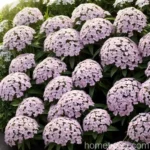
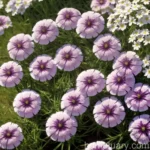
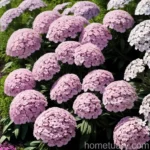
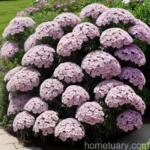
Phlox subulata ‘North Hills’, also referred to as Creeping Phlox, is a spreading perennial plant that forms a dense mat of foliage adorned with an abundance of small, vibrant flowers. It is known for its trailing habit, making it an excellent choice for ground cover, rock gardens, or as a border plant. The ‘North Hills’ variety is particularly popular due to its vigorous growth, vibrant blooms, and exceptional cold hardiness.
Phlox subulata ‘North Hills’ Description
- Scientific Name: Phlox subulata ‘North Hills’
- Common Name: Creeping Phlox
- Plant Type: Perennial
- Family: Polemoniaceae
- Native: North America
- Foliage: Needle-like, evergreen
- Flowers: Small, five-petaled, in clusters
- Bloom Time: Spring to early summer
- Height: 4-6 inches
- Spread: 12-18 inches
- USDA Hardiness Zones: 3-9
Key Takeaways: Phlox subulata ‘North Hills’ (Creeping Phlox)
Before delving into the details of cultivating and caring for Phlox subulata ‘North Hills’, let’s go over some key takeaways about this delightful and versatile plant.
- Phlox subulata ‘North Hills’ is a spreading perennial plant known for its dense mat of foliage and abundant, small flowers.
- It is a low-growing plant, typically reaching a height of 4-6 inches and spreading 12-18 inches wide.
- This plant is characterized by its evergreen, needle-like foliage, and it produces clusters of vibrant flowers during the spring to early summer.
- ‘North Hills’ is a popular variety of Creeping Phlox, admired for its vigorous growth, cold hardiness, and vibrant blooms.
- It is well-suited for ground cover, rock gardens, borders, and as a cascading element in containers.
With these key takeaways in mind, let’s explore the specific cultural requirements, uses, and care guidelines for Phlox subulata ‘North Hills’.
Culture
Water
Proper watering is essential for the healthy growth and blooming of Phlox subulata ‘North Hills’. While this plant is relatively drought-tolerant once established, it thrives when provided with consistent moisture, especially during periods of extreme heat and dryness. When watering, it is important to ensure that the soil is well-draining to prevent waterlogged conditions, which can lead to root rot.
- Watering Guidelines:
- Water newly planted Creeping Phlox regularly to encourage establishment.
- During the growing season, provide approximately 1 inch of water per week, either through rainfall or supplemental irrigation.
- Water deeply, ensuring that the moisture reaches the root zone, but avoid overwatering to prevent waterlogged conditions.
Sunlight
Phlox subulata ‘North Hills’ flourishes in full sun to partial shade. While it can tolerate some shade, adequate sunlight is essential for promoting robust growth and abundant flowering.
- Sunlight Requirements:
- Plant Creeping Phlox in a location that receives 6-8 hours of direct sunlight per day for optimal blooming.
- In regions with intense summer heat, providing afternoon shade can be beneficial to prevent excessive wilting and stress.
Soil
The soil requirements of Phlox subulata ‘North Hills’ are relatively straightforward. It thrives in well-drained, moderately fertile soil with a slightly acidic to neutral pH. Additionally, it is important to ensure that the soil does not become waterlogged, as this can lead to root rot and other issues.
- Soil Preferences:
- Plant in well-draining soil with a pH level of 6.0 to 7.0 for best results.
- Incorporate organic matter, such as compost or peat moss, into the soil to improve its fertility and drainage.
- Mulching around the base of the plant helps maintain soil moisture and suppresses weed growth.
Uses
Ground Cover
One of the primary uses of Phlox subulata ‘North Hills’ is as a ground cover. Its low-growing, spreading nature allows it to form a dense mat of foliage that effectively suppresses weed growth and provides an attractive cover for bare soil.
- Ground Cover Applications:
- Plant Creeping Phlox on slopes or in rocky areas to create a colorful and textural ground cover.
- It can be used to naturalize and beautify woodland edges or along garden pathways.
- Its trailing habit makes it an excellent choice for spilling over retaining walls and container edges.
Rock Gardens
Creeping Phlox ‘North Hills’ is well-suited for rock gardens due to its cascading growth habit and vibrant floral display. It adds a splash of color and visual interest to rocky landscapes, softening the edges of stone features and contributing to the overall naturalistic aesthetic.
- Rock Garden Planting:
- Incorporate Creeping Phlox into rock gardens to create a tapestry of color and texture.
- Plant it in crevices between rocks or at the edge of boulders to mimic its natural habitat and enhance visual appeal.
- Its tolerance for well-drained, rocky soils makes it an ideal candidate for rock garden plantings.
Borders and Edging
The compact, spreading nature of Phlox subulata ‘North Hills’ makes it an excellent choice for borders and edging in flower beds and garden borders. Its profusion of flowers adds a charming touch and creates a defined, manicured edge for the garden.
- Border Planting Tips:
- Use Creeping Phlox as a border plant along garden beds and pathways to delineate and define the space.
- It can be planted along the edge of perennial borders to create a cohesive and manicured appearance.
- When planted in mass along a border, it creates a stunning floral display that is easy to maintain.
Containers
While Creeping Phlox is often utilized in garden beds and landscape plantings, it can also be grown in containers, where its trailing habit creates a picturesque spillover effect. This allows for the incorporation of Phlox subulata ‘North Hills’ in various container arrangements, such as mixed planters and window boxes.
- Container Gardening Ideas:
- Plant Creeping Phlox in containers with complementary companions, such as spring-flowering bulbs or other low-growing annuals.
- Its trailing growth habit adds a cascading element to container arrangements, enhancing visual interest and texture.
- Ensure that the container has adequate drainage to prevent waterlogging and promote healthy growth.
Fertilizer
Proper fertilization is essential for promoting vigorous growth and prolific flowering in Phlox subulata ‘North Hills’. While Creeping Phlox is not considered heavy feeders, providing supplemental nutrients can contribute to enhanced blooming and overall plant health.
- Fertilization Guidelines:
- Apply a balanced, slow-release fertilizer in early spring as new growth emerges.
- Avoid overfertilizing, as this can lead to excessive foliage growth at the expense of flower production.
- A light application of a balanced fertilizer in mid to late summer can support the plant’s energy reserves for the following growing season.
Pruning
Pruning plays a crucial role in maintaining the health, shape, and flowering performance of Phlox subulata ‘North Hills’. Proper pruning also helps to rejuvenate the plant, enhance air circulation, and prevent the development of disease.
- Pruning Techniques:
- After the initial spring bloom, lightly shear back the spent flowers to encourage a second flush of blooms and maintain a neat appearance.
- In late spring or early summer, prune back any leggy or excessive growth to promote compact, bushy foliage.
- Avoid cutting into woody stems, as this can inhibit new growth and flowering.
Propagation
Phlox subulata ‘North Hills’ can be propagated through various methods, including division, stem cuttings, and seeds. Each method offers its own set of advantages and considerations, allowing gardeners to propagate this delightful plant to expand their garden or share it with others.
- Propagation Methods:
- Division: Divide established clumps in early spring or early fall, ensuring that each division has ample roots and foliage.
- Stem Cuttings: Take 3-4 inch stem cuttings in late spring or early summer, and root them in a well-draining medium to establish new plants.
- Seeds: Collect mature seed capsules in late summer, sow them in a seed-starting mix, and provide the appropriate conditions for germination and seedling establishment.
Popularity
Phlox subulata ‘North Hills’ has gained popularity among gardeners and landscapers due to its numerous desirable characteristics and versatile uses. Its compact, low-growing habit, vibrant flowers, and easy maintenance make it a favored choice for a range of garden applications.
- Gardening Enthusiasts’ Perspective:
- Creeping Phlox is admired for its ability to create stunning ground cover, add color to rock gardens, and provide an attractive edging element in garden borders.
- Gardeners appreciate its low-maintenance nature, making it an ideal plant for those seeking a beautiful yet easy-to-care-for addition to their outdoor spaces.
- Its adaptability to various soil types and its cold hardiness have contributed to its widespread appeal in a range of climates.
Common Diseases
While Phlox subulata ‘North Hills’ is generally resilient, it can be susceptible to certain diseases and issues, particularly under unfavorable growing conditions. Being aware of common diseases and proactively managing them is key to promoting the health and vitality of the plant.
- Common Diseases and Issues:
- Powdery Mildew: This fungal disease can affect the foliage, leading to the development of powdery white patches. Proper air circulation and the use of disease-resistant varieties can help prevent powdery mildew.
- Root Rot: Excessive moisture and poorly drained soil can predispose Creeping Phlox to root rot. Avoid overwatering and ensure that the soil has adequate drainage to mitigate this issue.
- Botrytis Blight: This disease can cause browning or spotting on the leaves and stems. Proper spacing, adequate air circulation, and avoiding overhead watering can help prevent botrytis blight.
Disease Diagnosis
When diagnosing potential diseases or issues with Phlox subulata ‘North Hills’, it is important to closely observe the plant for any abnormal symptoms, such as discoloration, wilting, or unusual spots on the foliage. Additionally, being familiar with common diseases and their associated signs can aid in accurate diagnosis and timely intervention.
- Diagnostic Tips:
- Regularly inspect the foliage and stems for any signs of discoloration, spots, or unusual growth.
- Take note of any changes in the plant’s overall appearance, such as wilting or stunted growth.
- Consult local gardening resources or seek advice from plant health professionals for accurate diagnosis and treatment recommendations.
Common Pests
In addition to diseases, Phlox subulata ‘North Hills’ may also encounter certain pests that can impact its health and vigor. Monitoring for pests and implementing appropriate pest management strategies is crucial for safeguarding the plant’s well-being.
- Potential Pests:
- Spider Mites: These tiny pests can infest the foliage, causing stippling and webbing. Regularly spray the plant with water to reduce mite populations, and consider using horticultural oils for control.
- Aphids: Aphids can cluster on the tender shoots and buds, causing deformities and excreting honeydew. Use a strong blast of water to dislodge aphids, and introduce natural predators, such as ladybugs, for biological control.
- Slugs and Snails: These herbivorous pests can feed on the foliage and flowers, causing unsightly damage. Handpick slugs and snails, and consider using barriers or organic controls, such as diatomaceous earth, to protect the plants.
Botanist’s Tips
As experienced botanists or plant enthusiasts, it is important to share valuable tips and insights for successfully cultivating and appreciating Phlox subulata ‘North Hills’. These expert recommendations can empower others to enhance their gardening skills and foster a deeper appreciation for this delightful plant.
- Botanist’s Insights:
- Encourage proper soil preparation to ensure well-draining, fertile conditions for Creeping Phlox.
- Emphasize the importance of regular monitoring for diseases and pests, as early intervention can significantly mitigate potential issues.
- Highlight the value of exploring different color varieties and incorporating them into mixed plantings for an enchanting floral display.
Fun Facts
Discovering intriguing and captivating facts about Phlox subulata ‘North Hills’ adds another layer of fascination to this beloved plant. From its historical significance to its ecological role, these fun facts enrich our understanding and appreciation of Creeping Phlox.
- Fascinating Tidbits:
- Creeping Phlox has been cultivated as a garden ornamental since the 1700s and is esteemed for its enduring beauty and resilience.
- In its natural habitat, Phlox subulata provides nectar and pollen for pollinators, contributing to the biodiversity of its ecosystem.
- Some varieties of Creeping Phlox exhibit delightful fragrance, adding an olfactory dimension to their allure.
Links to External Resources
For further exploration and in-depth information about Phlox subulata ‘North Hills’ and related topics, the following external resources offer valuable insights and guidance for plant enthusiasts, horticulturists, and gardeners.
- The Royal Horticultural Society – Phlox subulata
- University of Florida IFAS Extension – Creeping Phlox for the Home Landscape
- Missouri Botanical Garden – Phlox subulata
- North Carolina State University Extension – Growing Phlox
In conclusion, Phlox subulata ‘North Hills’ (Creeping Phlox) captivates gardeners and plant enthusiasts with its vibrant flowers, versatile uses, and easy-care nature. By embracing the cultural tips, propagation methods, and uses discussed in this comprehensive guide, individuals can cultivate and relish the beauty of this charming perennial plant in their outdoor spaces. Whether used as a ground cover, rock garden accent, border plant, or container specimen, ‘North Hills’ creeping phlox delights with its vibrant blooms, trailing growth, and resilience, making it a cherished addition to diverse garden settings.
By understanding its characteristics, care requirements, and ecological role, we can celebrate the enduring allure and botanical significance of Phlox subulata ‘North Hills’, fostering a deeper connection to the natural world and the wonders of plant life.
Happy gardening and may your landscapes flourish with the vibrant beauty of Creeping Phlox!
Please note that the content in this article is meant for informational purposes only. In all cases, it is important to seek advice from local horticultural experts and follow specific guidelines tailored to individual growing conditions and regional considerations.
The above guide provides a comprehensive overview of Phlox subulata ‘North Hills’ (Creeping Phlox), exploring its cultural requirements, uses, care guidelines, propagation methods, and botanical significance. It incorporates detailed insights on water, sunlight, soil, fertilizer, pruning, disease and pest management, and offers fun facts and external resources for further exploration.