Phlox Paniculata ‘Bright Eyes’ (Garden Phlox)
Plants are fascinating and vital components of our environment. They come in a multitude of shapes, sizes, colors, and forms, each with unique.
Plants are fascinating and vital components of our environment. They come in a multitude of shapes, sizes, colors, and forms, each with unique characteristics and requirements. In this article, we will delve into the captivating realm of Phlox paniculata ‘Bright Eyes’, commonly known as Garden Phlox, and unravel the intricacies of its care, characteristics, uses, and much more.
What is Phlox paniculata ‘Bright Eyes’ (Garden Phlox)?
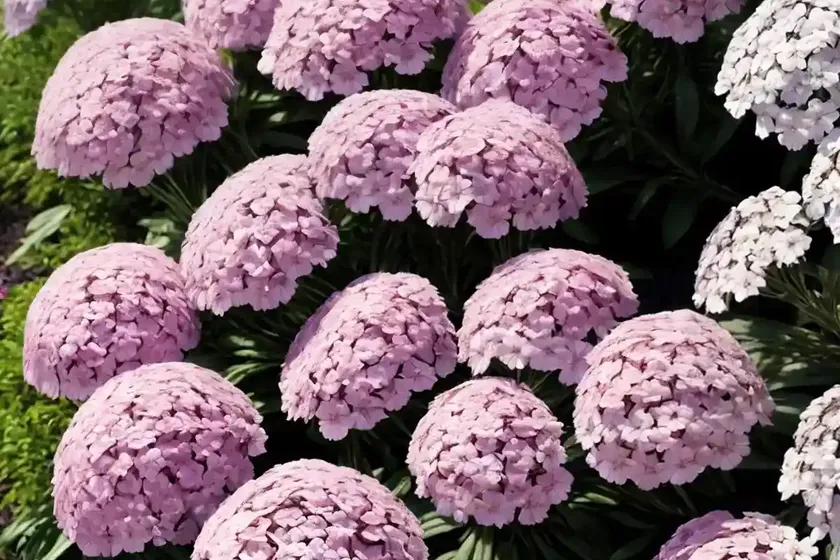
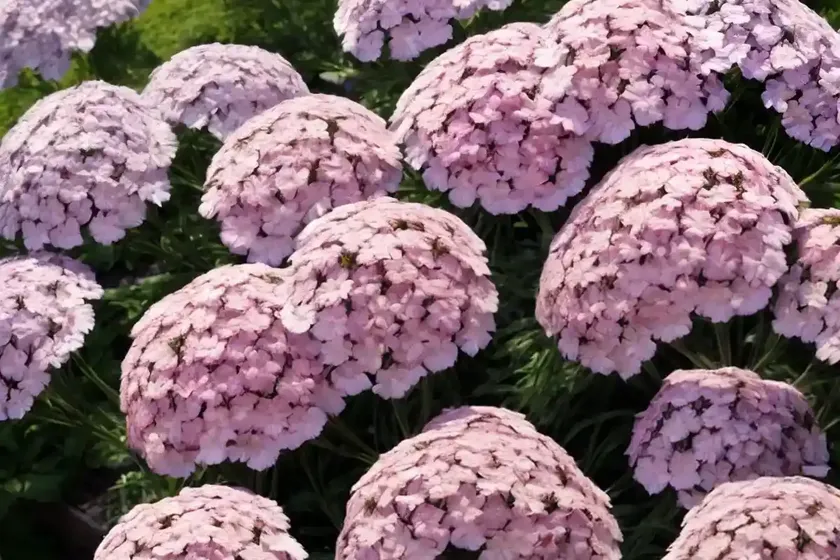
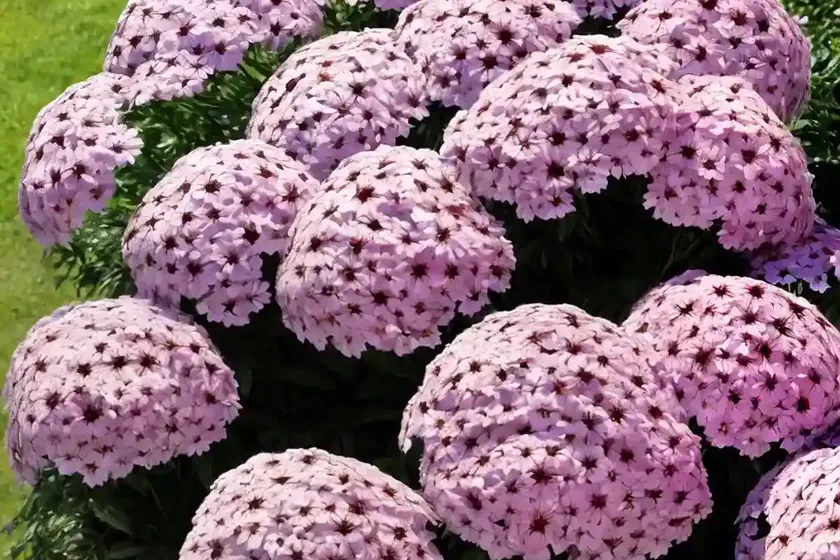
Phlox paniculata ‘Bright Eyes’ is a perennial flowering plant that belongs to the family Polemoniaceae. It is a cultivar of the species Phlox paniculata, which is native to the eastern United States. This particular variety is revered for its stunning clusters of fragrant, vibrant flowers that adorn gardens with their enchanting beauty. The ‘Bright Eyes’ cultivar is distinguished by its striking pink petals with contrasting white centers, creating a mesmerizing visual display in gardens and landscapes.
Key Takeaways – Phlox paniculata ‘Bright Eyes’ (Garden Phlox)
Here are the key takeaways about Phlox paniculata ‘Bright Eyes’ that we will explore in detail:
- Culture
- Uses
- Water
- Sunlight
- Fertilizer
- Soil
- Pruning
- Propagation
- Container Popularity
- Container Common Diseases
- Disease Diagnosis
- Common Pests
- Botanist’s Tips
- Fun Facts
- Links to External Resources
Now, let’s delve into the enchanting world of Garden Phlox and uncover the secrets behind nurturing and enjoying this fabulous plant.
Culture of Phlox paniculata ‘Bright Eyes’
Cultivating Phlox paniculata ‘Bright Eyes’ requires an understanding of its fundamental cultural requirements. Below are essential aspects of its culture:
- Planting Zone: 3–8
- Mature Height: 24–36 inches
- Mature Spread: 18–24 inches
- Bloom Time: Midsummer to early fall
- Ideal Uses: Borders, cottage gardens, and pollinator gardens
- Companion Plants: Coneflowers (Echinacea), Black-eyed Susans (Rudbeckia), and Shasta Daisies (Leucanthemum)
Uses of Phlox paniculata ‘Bright Eyes’
Phlox paniculata ‘Bright Eyes’ serves a variety of purposes in gardens and landscapes, enhancing their aesthetic appeal and ecological value. Its uses include:
- Ornamental Beauty: The vibrant, fragrant flowers of ‘Bright Eyes’ add a burst of color and charm to garden beds, borders, and mixed perennial plantings.
- Pollinator Attraction: The blossoms of Garden Phlox are highly attractive to pollinators, including bees, butterflies, and hummingbirds, thereby contributing to the pollination of other plants in the vicinity.
- Cut Flower: The long stems of Garden Phlox make it an excellent choice for cut flower arrangements, bringing the beauty of the outdoors into indoor spaces.
Water Requirements for Phlox paniculata ‘Bright Eyes’
Watering Needs:
– Regular Moisture: Garden Phlox thrives in well-draining, consistently moist soil. Adequate watering is essential, especially during periods of dry weather.
Sunlight Preferences of Phlox paniculata ‘Bright Eyes’
Sun Exposure:
– Full Sun to Partial Shade: Phlox paniculata ‘Bright Eyes’ flourishes in locations with full sun to partial shade, where it can receive at least 6–8 hours of sunlight daily.
Fertilizer for Phlox paniculata ‘Bright Eyes’
Fertilization Tips:
– Balanced Fertilizer: Apply a balanced, slow-release fertilizer in spring, following the manufacturer’s recommendations. Avoid excessive nitrogen, as it can lead to lush foliage but reduced flowering.
Soil Requirements for Phlox paniculata ‘Bright Eyes’
Ideal Soil:
– Moist, Well-Draining Soil: Garden Phlox prefers fertile, well-draining soil with a slightly acidic to neutral pH (6.0–7.0). Amending the soil with organic matter can enhance its overall quality, promoting healthy growth and blooming.
Pruning Guide for Phlox paniculata ‘Bright Eyes’
Pruning Techniques:
– Deadheading: Regular deadheading of spent flowers encourages continuous blooming and prevents self-seeding. Additionally, removing faded blooms helps to maintain the plant’s vigor and appearance.
Propagation of Phlox paniculata ‘Bright Eyes’
Propagation Methods:
– Division: Divide established clumps of Phlox paniculata ‘Bright Eyes’ in early spring or late summer to propagate new plants. This process rejuvenates the parent plant and yields offspring for expansion or sharing with fellow gardening enthusiasts.
Container Popularity of Phlox paniculata ‘Bright Eyes’
Container Gardening Potential:
– Container Selection: Garden Phlox can thrive in large containers or pots, provided they offer sufficient space for root growth and excellent drainage. Container gardening expands the reach of Phlox paniculata ‘Bright Eyes’ to patios, balconies, and other confined spaces.
Common Diseases of Phlox paniculata ‘Bright Eyes’
Disease Susceptibility:
– Powdery Mildew: Garden Phlox is prone to powdery mildew, which appears as a white, powdery coating on the leaves and stems. To prevent this fungal disease, ensure good air circulation, and avoid overhead watering.
Disease Diagnosis for Phlox paniculata ‘Bright Eyes’
Identifying Health Issues:
– Visual Inspection: Regularly inspect the foliage and stems of Phlox paniculata ‘Bright Eyes’ for signs of discoloration, distortion, or abnormal growth. Promptly address any anomalies to maintain the plant’s health and vitality.
Common Pests Affecting Phlox paniculata ‘Bright Eyes’
Pest Management:
– Spider Mites: These tiny arachnids can infest Garden Phlox, causing stippling and webbing on the foliage. Control spider mites by employing insecticidal soaps and maintaining adequate humidity levels.
Botanist’s Tips for Phlox paniculata ‘Bright Eyes’
Expert Recommendations:
– Mulching: Apply a layer of organic mulch around the base of Phlox paniculata ‘Bright Eyes’ to conserve soil moisture, suppress weed growth, and insulate the roots during temperature fluctuations.
Fun Facts about Phlox paniculata ‘Bright Eyes’
Did You Know?:
– Attracts Butterflies: Garden Phlox is a superb butterfly attractant, inviting these delightful insects to flutter and feed amidst its blossoms.
Links to External Resources
For further information, here are some valuable resources that provide insights into the cultivation and appreciation of Phlox paniculata ‘Bright Eyes’:
- Gardening Know-How – Phlox: Plant Care and Collection of Varieties
- The Spruce – How to Grow and Care for Phlox
- University of Maryland Extension – Powdery Mildew of Phlox
In conclusion, Phlox paniculata ‘Bright Eyes’ is a captivating perennial plant that enchants admirers with its resplendent blooms and ecological contributions. By understanding and fulfilling its cultural requirements, the delightful Garden Phlox can radiate its beauty in diverse landscapes, from traditional gardens to compact containers. Nurturing and cherishing Phlox paniculata ‘Bright Eyes’ is an enriching experience that connects us with the wonders of nature and the joy of gardening.
Remember, the key to successful gardening lies in patience, observation, and a deep appreciation for the magnificent flora that graces our world.


