Pittosporum Tenuifolium ‘Elizabeth’ (Kohuhu)
In the world of plants, there exists an exquisite species known for its versatility, beauty, and adaptability – the Pittosporum Tenuifolium ‘Elizabeth,’.
Introduction
In the world of plants, there exists an exquisite species known for its versatility, beauty, and adaptability – the Pittosporum Tenuifolium ‘Elizabeth,’ commonly referred to as Kohuhu. This fascinating plant, with its ornamental attributes and robust nature, has garnered attention from gardening enthusiasts, landscapers, and horticulturists. As a plant scientist, I find great joy in exploring and sharing insights about this remarkable species. In this comprehensive guide, we will delve deep into the various aspects of the Pittosporum Tenuifolium ‘Elizabeth,’ from its characteristics and requirements to its uses and maintenance. Join me as we unlock the secrets of this captivating plant and discover the myriad possibilities it offers in the realm of horticulture.
What is Pittosporum Tenuifolium ‘Elizabeth’?
The Pittosporum Tenuifolium ‘Elizabeth,’ a member of the Pittosporaceae family, is a species of evergreen shrub native to New Zealand. Renowned for its striking foliage and compact growth habit, this plant has found widespread popularity in gardens, urban landscapes, and coastal areas. The ‘Elizabeth’ variety of Pittosporum Tenuifolium is celebrated for its vibrant leaves and adaptability to various growing conditions, making it a coveted choice for both novice and seasoned gardeners.
Pittosporum Tenuifolium ‘Elizabeth’ Description
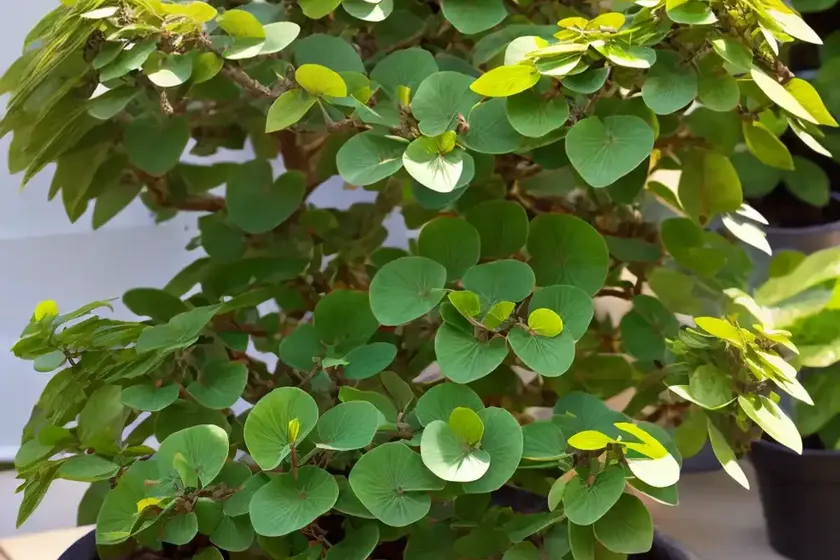
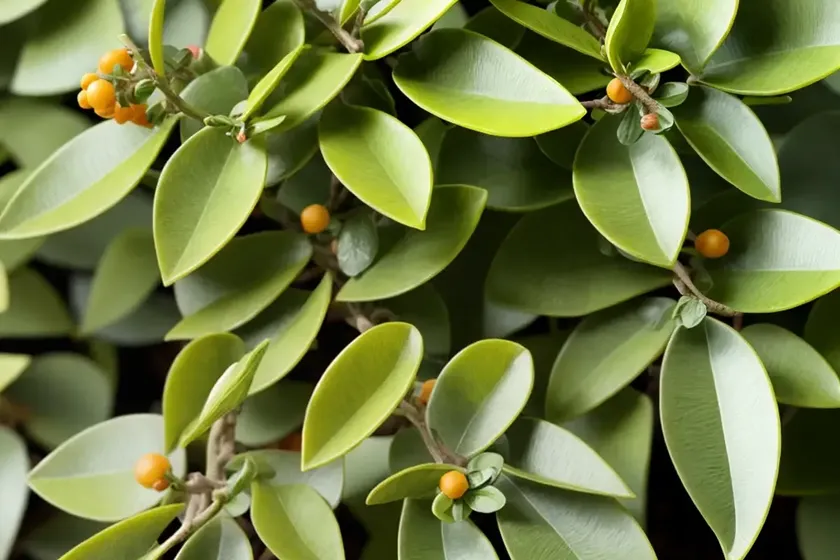
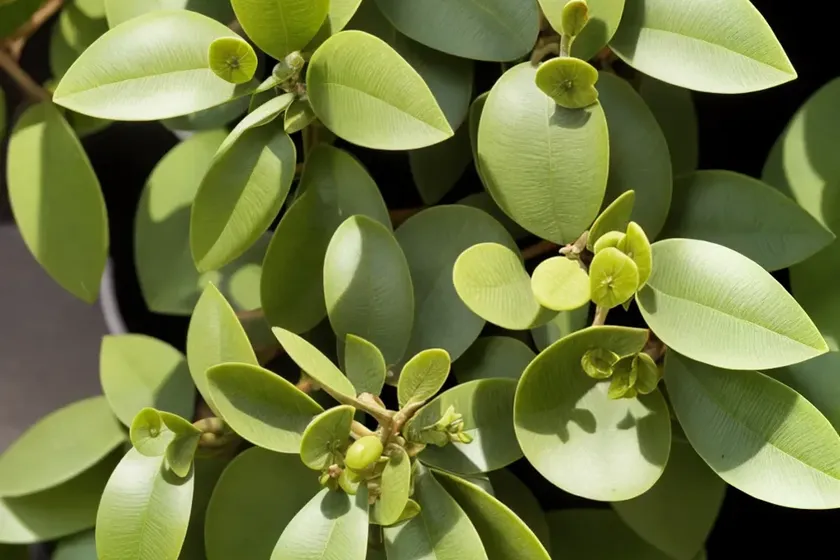
Pittosporum Tenuifolium ‘Elizabeth’ is characterized by its glossy, ovate leaves that exhibit a unique blend of colors, ranging from deep green to shades of chocolate and purple. The foliage possesses a wavy margin, adding to the plant’s visual appeal. Additionally, this variety is adorned with small, inconspicuous maroon flowers that emit a pleasant fragrance during the blooming season.
Kohuhu Plant Characteristics
Growth Habit
The ‘Elizabeth’ variety of Pittosporum Tenuifolium typically forms a dense, rounded shrub with a compact structure. Its growth habit makes it well-suited for hedging, bordering, and container gardening, presenting a perfect balance between aesthetics and functionality.
Size
When mature, Pittosporum Tenuifolium ‘Elizabeth’ can reach a height of 8 to 10 feet, with a slightly smaller spread. Its moderate size makes it adaptable to a wide range of garden settings, from small urban landscapes to spacious coastal gardens.
Foliage Coloration
The foliage of ‘Elizabeth’ exhibits a rich array of colors, adding visual interest to any environment. Its deep green leaves are complemented by hints of chocolate and purple, creating a captivating display throughout the year. During the fall season, the plant undergoes a subtle color transformation, further enhancing its ornamental value.
Growing Pittosporum Tenuifolium ‘Elizabeth’
When it comes to cultivating Pittosporum Tenuifolium ‘Elizabeth,’ certain key considerations must be taken into account to ensure the plant’s optimal growth and development. From suitable soil conditions to essential care practices, let’s uncover the fundamentals of nurturing this exceptional species.
Soil
The ‘Elizabeth’ variety thrives in well-draining, fertile soil with a slightly acidic to neutral pH. It is crucial to avoid waterlogged or overly compacted soil, as this can impede root health and overall vitality. Incorporating organic matter into the soil can enhance its fertility and improve moisture retention, contributing to the plant’s well-being.
Sunlight
Kohuhu plants, including the ‘Elizabeth’ variety, exhibit a preference for full sun to partial shade. While they can flourish in direct sunlight, providing some protection from intense afternoon sun in hotter regions can prevent leaf scorching and maintain the plant’s vigor.
Watering
Balanced moisture levels are essential for the optimal growth of Pittosporum Tenuifolium ‘Elizabeth.’ It is advisable to water the plant regularly, especially during its establishment phase, ensuring that the soil remains evenly moist without becoming waterlogged. Once the plant is well-established, it exhibits a degree of drought tolerance, although consistent watering during prolonged dry spells is beneficial.
Fertilizer
Applying a balanced, slow-release fertilizer in the spring can provide the necessary nutrients for Pittosporum Tenuifolium ‘Elizabeth’ to thrive. Selecting a fertilizer specifically formulated for woody plants or shrubs can support healthy growth and vibrant foliage. It is important to follow the manufacturer’s recommendations regarding application rates and frequency to prevent overfertilization.
Pruning
Pruning plays a crucial role in maintaining the shape and density of Pittosporum Tenuifolium ‘Elizabeth’ while promoting new growth and flower production. The ideal time for pruning is in late spring or early summer, following the plant’s flowering period. Trimming back overgrown or wayward branches can help achieve a more compact and tidy appearance, enhancing the plant’s visual appeal.
‘Elizabeth’ Kohuhu Care Tips
To ensure the long-term health and vitality of Pittosporum Tenuifolium ‘Elizabeth,’ implementing proper care practices is essential. Here are some valuable care tips to guide you in nurturing this magnificent plant:
-
Mulching: Applying a layer of organic mulch around the base of the plant can aid in moisture retention, weed suppression, and soil insulation. Mulching also contributes to the overall health of the soil and provides a polished look to the garden bed.
-
Disease Monitoring: Regularly inspecting the foliage for any signs of disease or pest infestation is vital. Prompt treatment of any issues can prevent them from escalating and safeguard the plant’s well-being.
-
Winter Protection: In regions with cold winters, providing adequate protection for Pittosporum Tenuifolium ‘Elizabeth’ is crucial. This may entail mulching around the base, employing frost cloths, or situating the plant in sheltered areas to shield it from harsh weather conditions.
-
Regular Maintenance: Engaging in routine maintenance activities, such as removing dead or damaged branches, monitoring soil moisture, and observing the plant for any changes, is integral to preserving its health and beauty.
Pittosporum Tenuifolium ‘Elizabeth’ Pruning Guide
Pruning plays a pivotal role in shaping the growth and appearance of Pittosporum Tenuifolium ‘Elizabeth.’ By following a few simple guidelines, you can execute proper pruning techniques to enhance the plant’s form and encourage robust growth.
Tools
Before embarking on the pruning process, ensure that you have the appropriate tools at your disposal. High-quality bypass pruners, loppers for thicker branches, and pruning saws for larger cuts are essential for achieving clean, precise cuts without causing damage to the plant.
Timing
The ideal time for pruning Pittosporum Tenuifolium ‘Elizabeth’ is after the plant has finished flowering, typically in late spring or early summer. This allows for ample time for new growth to emerge and for the plant to recover from the pruning process before the arrival of colder weather.
Method
Begin by evaluating the overall shape of the plant and identifying any overgrown or crossing branches that require attention. Focus on removing dead or diseased wood, as well as any congested growth that may inhibit air circulation within the canopy. Aim to maintain a balanced and symmetrical form while respecting the plant’s natural growth pattern.
Tips
When making cuts, it is important to execute them at a slight angle just above a set of healthy leaves or buds. This encourages proper healing and minimizes the risk of water penetration into the cut stems. Additionally, periodically sanitizing your pruning tools with a solution of diluted bleach can prevent the spread of diseases from one plant to another.
Kohuhu Plant Varieties
In addition to the beloved ‘Elizabeth’ variety, various other cultivars of Pittosporum Tenuifolium offer a diverse palette of colors, growth habits, and ornamental features. From variegated foliage to compact forms, the range of Kohuhu plant varieties presents an array of choices for gardeners and landscapers seeking to incorporate these captivating shrubs into their designs.
-
Pittosporum Tenuifolium ‘Golden Ball’: This compact, spherical variety showcases striking yellow-green foliage, adding a vibrant touch to garden borders and containers.
-
Pittosporum Tenuifolium ‘Tom Thumb’: Known for its diminutive size and dense growth, this variety displays deep green leaves, making it an ideal selection for small gardens or landscaping accents.
-
Pittosporum Tenuifolium ‘Silver Sheen’: The silver-tinged foliage of this cultivar offers an elegant and distinctive appearance, creating visual interest and contrast in a variety of garden settings.
-
Pittosporum Tenuifolium ‘Marjorie Channon’: Renowned for its cream and green variegated leaves, this cultivar enhances the visual allure of landscapes and lends itself well to mixed borders and foundation plantings.
How to Propagate Pittosporum Tenuifolium ‘Elizabeth’
The propagation of Pittosporum Tenuifolium ‘Elizabeth’ presents an opportunity for gardeners to expand their plant collection and share the beauty of this species with others. By employing methods such as seed propagation and softwood cuttings, individuals can successfully propagate new plants, fostering a sense of continuity and abundance within their gardens.
Seed Propagation
The process of germinating Pittosporum Tenuifolium ‘Elizabeth’ seeds involves several steps to ensure successful propagation. Begin by collecting ripe seeds from the plant and gently cleaning them to remove any pulp or debris. Moisten a mixture of seed-starting compost and perlite, creating a well-draining substrate for sowing the seeds. Carefully place the seeds on the surface of the substrate and lightly press them down, ensuring they are in firm contact with the soil. Cover the container with a clear plastic lid or plastic wrap to maintain humidity, placing it in a warm, bright location. Regularly monitor the moisture levels and provide sufficient light to support seed germination. Once the seedlings have developed several sets of true leaves, they can be transplanted into individual containers and nurtured until they are ready for outdoor planting.
Softwood Cuttings
Softwood cuttings offer an effective means of propagating Pittosporum Tenuifolium ‘Elizabeth’ by utilizing the plant’s young, tender growth. Begin by selecting healthy, non-flowering shoots from the parent plant, ensuring they exhibit firmness and vibrancy. Using a sharp, clean blade, take 4-6 inch cuttings from the selected shoots, making clean, slanted cuts just below a leaf node. Remove the lower leaves from the cuttings to expose the nodes, which will serve as points for root initiation. Dip the base of each cutting in a rooting hormone to promote root development and insert them into a mixture of equal parts perlite and peat moss. Place the cuttings in a warm, humid environment with bright, indirect light and mist them regularly to maintain moisture. After several weeks, the cuttings should develop healthy roots, indicating their readiness for transplantation into individual pots or a designated planting area.
Best Soil for Growing ‘Elizabeth’ Pittosporum Tenuifolium
The selection of an optimal soil type is fundamental to the successful cultivation of Pittosporum Tenuifolium ‘Elizabeth.’ By understanding the soil requirements of this species and implementing suitable amendments, gardeners can create an environment that supports vigorous growth and overall plant health.
Soil Composition
Pittosporum Tenuifolium ‘Elizabeth’ thrives in well-draining soil with a loamy or sandy texture, allowing for adequate aeration and moisture penetration. The incorporation of organic matter, such as compost or aged manure, can enhance the soil structure and fertility, providing essential nutrients and fostering a thriving microbial community.
pH Level
The ideal soil pH for Pittosporum Tenuifolium ‘Elizabeth’ ranges from mildly acidic to neutral, typically falling within the range of 6.0 to 7.0. Maintaining a balanced pH level is crucial for ensuring proper nutrient uptake and root function, contributing to the plant’s resilience and vitality.
Drainage
Effective drainage is paramount for the health of ‘Elizabeth’ Pittosporum Tenuifolium, as it prevents waterlogged conditions and minimizes the risk of root rot and other moisture-related ailments. Amending the soil with coarse sand or perlite can improve drainage, particularly in areas where soil compaction or excessive moisture retention may be a concern.
Sunlight Requirements for Kohuhu Plants
The sunlight requirements of Kohuhu plants, including the ‘Elizabeth’ variety, play a pivotal role in shaping their growth, foliage coloration, and overall well-being. Understanding and meeting these requirements are essential for cultivating healthy, vibrant specimens that exhibit their full ornamental potential.
Full Sun
Pittosporum Tenuifolium ‘Elizabeth’ thrives in full sun conditions, benefiting from at least 6-8 hours of direct sunlight daily. When provided with ample sunlight, the plant displays robust growth, intense leaf coloration, and heightened resistance to disease and stress.
Partial Shade
In regions with intense or prolonged sunlight, offering some protection to the ‘Elizabeth’ Kohuhu plant during the hottest hours of the day can prevent leaf scorching and excessive moisture loss. Partial shade, particularly in the afternoon, can create a more favorable microclimate for the plant, promoting its overall health and vigor.
Watering Needs of Pittosporum Tenuifolium ‘Elizabeth’
Adequate hydration is essential for the optimal growth and vitality of Pittosporum Tenuifolium ‘Elizabeth.’ By understanding the plant’s water requirements and implementing proper irrigation practices, gardeners can sustain healthy, flourishing specimens capable of withstanding various environmental conditions.
Establishment Phase
During the initial establishment of Pittosporum Tenuifolium ‘Elizabeth,’ it is crucial to provide consistent moisture to the plant, ensuring that the root system becomes well-established. Regular watering, particularly during dry spells, can promote healthy growth and minimize stress on the newly transplanted or propagated specimens.
Mature Plants
Once ‘Elizabeth’ Kohuhu plants are well-established, they exhibit a degree of drought tolerance and reduced water needs. However, during periods of prolonged drought or extreme heat, supplementary watering may be necessary to support the plant and prevent moisture stress. Monitoring the soil moisture and adjusting the watering frequency based on environmental conditions is pivotal for maintaining the plant’s well-being.
Watering Practices
When watering Pittosporum Tenuifolium ‘Elizabeth,’ it is beneficial to apply water directly to the base of the plant, allowing it to permeate the root zone effectively. Providing deep, thorough waterings less frequently is preferable to frequent, shallow irrigation, as it encourages the development of a robust and resilient root system.
‘Elizabeth’ Kohuhu in Landscape Design
The incorporation of Pittosporum Tenuifolium ‘Elizabeth’ into landscape designs offers a myriad of opportunities to enhance the aesthetic appeal and functionality of outdoor spaces. Whether utilized as a standalone specimen, a cohesive hedge, or an accent plant, the ‘Elizabeth’ variety contributes a unique blend of color and texture to diverse landscape settings.
Privacy Screening
The dense, compact growth habit of Pittosporum Tenuifolium ‘Elizabeth’ lends itself perfectly to privacy screening applications. By planting multiple specimens in close proximity or utilizing them as a bordering plant, homeowners can create secluded, intimate areas within their outdoor environments, shielding them from prying eyes and creating a sense of tranquility.
Mixed Borders
When incorporated into mixed borders or perennial beds, ‘Elizabeth’ Kohuhu plants serve as striking focal points, offering year-round visual interest and color. Their vibrant foliage, combined with their adaptability to various soil and light conditions, makes them a versatile addition to landscapes, providing a harmonious backdrop for an assortment of companion plants.
Foundation Plantings
Utilizing Pittosporum Tenuifolium ‘Elizabeth’ as a foundation plant around homes, buildings, or other structures adds a touch of elegance and distinction to the landscape. The plant’s lush foliage and compact form contribute to a polished, tidy appearance, framing the architecture and softening the transition between the built environment and the surrounding garden.
Common Pests Affecting Pittosporum Tenuifolium ‘Elizabeth’
The resilience of Pittosporum Tenuifolium ‘Elizabeth’ is unfortunately not immune to potential pest infestations that can compromise its health and visual appeal. By familiarizing oneself with the common pests that may afflict Kohuhu plants and implementing appropriate management strategies, gardeners can safeguard their specimens from destructive invasions.
Aphids
Aphids are notorious for feeding on the tender growth and sap of plants, causing distorted leaves, yellowing, and stunted growth. Inspecting the foliage regularly and employing natural predators, such as ladybugs, or applying insecticidal soap can help control aphid populations and prevent widespread damage.
Spider Mites
These minuscule pests are known for their webbing and piercing-sucking feeding habits, which can lead to leaf stippling, discoloration, and overall decline in plant health. Regularly rinsing the foliage with a strong stream of water or utilizing horticultural oil can mitigate spider mite infestations and restore the plant’s vitality.
Scale Insects
Scale insects, visible as small, immobile bumps on the stems and leaves of plants, can drain the sap and weaken ‘Elizabeth’ Kohuhu specimens. Introducing natural predators, such as parasitic wasps, or applying horticultural oil during the dormant season can help combat scale infestations and prevent their proliferation.
Mealybugs
Mealybugs, characterized by their cottony appearance and rapid reproduction, can inflict damage on the foliage of Pittosporum Tenuifolium ‘Elizabeth.’ Using a cotton swab dipped in rubbing alcohol to target and eliminate individual mealybugs, as well as introducing predatory insects, can aid in controlling and eradicating mealybug populations.
Disease-Resistant Qualities of Kohuhu Plants
While Pittosporum Tenuifolium ‘Elizabeth’ boasts overall resilience and a robust constitution, it may be susceptible to certain diseases under unfavorable growing conditions or environmental stressors. Understanding the potential diseases that may affect this species and implementing preventative measures can help mitigate the risk of their occurrence.
Phytophthora Root Rot
Excessive soil moisture and poor drainage can predispose Pittosporum Tenuifolium ‘Elizabeth’ to phytophthora root rot, a destructive fungal disease that affects the root system. Ensuring proper soil drainage and avoiding overwatering can help prevent the development of this disease, preserving the plant’s root health and vitality.
Leaf Spot
Fungal leaf spot diseases, characterized by the presence of dark lesions on the foliage, can impact the aesthetic appeal and vigor of ‘Elizabeth’ Kohuhu plants. Implementing proper watering practices, such as watering at the base of the plant and minimizing overhead irrigation, can reduce the risk of leaf spot diseases by mitigating excess moisture on the foliage.
Winter Care for ‘Elizabeth’ Pittosporum Tenuifolium
As the colder months approach, providing adequate winter care for Pittosporum Tenuifolium ‘Elizabeth’ is essential to ensure its survival and sustained health throughout the season. From protection against frost to maintaining soil moisture, implementing proper winter care practices can safeguard the plant and promote its resilience as it prepares for the arrival of spring.
Frost Protection
In regions prone to frost or freezing temperatures, applying a layer


