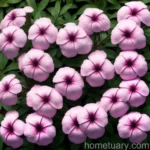
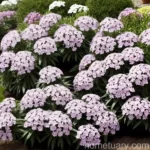
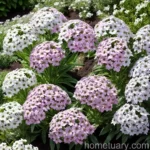
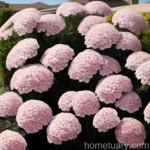
Phlox paniculata ‘Jeana’ (Garden Phlox)
Phlox paniculata ‘Jeana’, commonly known as Garden Phlox, is a beautiful flowering plant that is popular among gardeners for its attractive blooms and low maintenance requirements. In this comprehensive guide, we will explore the various aspects of caring for and growing Phlox paniculata ‘Jeana’, including its cultural needs, uses, requirements for water, sunlight, fertilizer, soil, pruning, propagation, and container growth. Additionally, we will delve into its popularity, common diseases, pests, and share some fun facts about this delightful plant.
What is Phlox paniculata ‘Jeana’?
Phlox paniculata ‘Jeana’ is a perennial flowering plant belonging to the family Polemoniaceae. It is native to North America and is widely cultivated for its charming, fragrant flowers that bloom in vibrant clusters. This particular variety is valued for its disease-resistant traits and ability to attract pollinators, making it a favorite choice for many garden enthusiasts.
Key Takeaways – Phlox paniculata ‘Jeana’
- Botanical Name: Phlox paniculata ‘Jeana’
- Common Name: Garden Phlox
- Cultural Needs: Sunlight, water, soil, and fertilizer requirements
- Uses: Ornamental purposes, attracting pollinators
- Special Features: Disease-resistant, fragrant blooms
- Propagation: Seeds, division
- Container Growing: Suitable for containers
- Popularity: Widely cultivated in gardens and landscaping
- Common Diseases: Powdery mildew, root rot
- Common Pests: Spider mites, caterpillars
With these key takeaways in mind, let’s dive deeper into the specifics of caring for Phlox paniculata ‘Jeana’ and maximizing its growth potential.
Culture
Water
Proper watering practices are crucial for the health and vigor of Phlox paniculata ‘Jeana’. While it is important to provide consistent moisture, it is equally essential to avoid overwatering, which can lead to issues such as root rot. Below are recommended watering guidelines for this plant:
- Regular Watering: Phlox paniculata ‘Jeana’ benefits from regular watering, especially during dry spells or periods of drought. Adequate moisture is essential for promoting robust growth and prolific flowering.
- Watering Frequency: Depending on the climate and soil conditions, it is generally advisable to water the plant deeply once a week. However, adjustments should be made based on factors such as rainfall, temperature, and soil moisture retention.
Sunlight
Phlox paniculata ‘Jeana’ thrives in locations with abundant sunlight, making it an excellent choice for sunny garden spots. Adequate exposure to sunlight is vital for ensuring sturdy growth and abundant flowering. When selecting a planting site for this delightful Phlox variety, aim for a spot that receives at least 6-8 hours of direct sunlight per day. However, in regions with intense heat, some afternoon shade can be beneficial to prevent excessive stress on the plant.
Fertilizer
To support healthy growth and vibrant blooms, providing appropriate fertilizer is essential for Phlox paniculata ‘Jeana’. A balanced and well-timed fertilization regimen can significantly enhance the plant’s overall performance. Consider the following recommendations for fertilizing Garden Phlox:
- Types of Fertilizer: A balanced, all-purpose fertilizer with an NPK ratio of 10-10-10 or similar can be applied during the early spring season to provide essential nutrients for the plant’s growth.
- Application Frequency: Fertilize Phlox paniculata ‘Jeana’ once at the beginning of the growing season, ensuring that the fertilizer is evenly distributed around the plant’s root zone. Refrain from over-fertilization, as excessive nutrients can lead to adverse effects.
Soil
The soil composition plays a pivotal role in determining the overall health and vitality of Phlox paniculata ‘Jeana’. This plant thrives in well-draining, fertile soil with a slightly acidic to neutral pH range. When preparing the planting site or considering container cultivation, keep the following soil requirements in mind:
- Drainage: Excellent drainage is essential for preventing waterlogging, which can compromise the plant’s root health and lead to various issues such as root rot. Amending heavy clay soil with organic matter or perlite can help improve drainage.
- Texture: Phlox paniculata ‘Jeana’ prefers loamy soil with a balanced texture, providing a good blend of sand, silt, and clay. This type of soil structure promotes healthy root development and nutrient uptake.
- pH Level: The ideal soil pH for Phlox paniculata ‘Jeana’ falls within the range of 6.0 to 7.0.
Pruning
Pruning is an essential part of maintaining the health, shape, and flowering potential of Phlox paniculata ‘Jeana’. Proper pruning techniques can help rejuvenate the plant, remove spent blooms, and enhance its overall appearance. Here are some key points to consider when pruning Garden Phlox:
- Deadheading: Regular deadheading, the practice of removing faded flowers, encourages the plant to produce new blooms and prolongs the flowering period. This simple task also contributes to a tidy and attractive garden display.
- Thinning: To minimize overcrowding and improve air circulation, selectively thin out congested stems by removing some of the older, weaker growth. This allows the remaining branches to receive ample sunlight and airflow.
- Timing: Pruning activities for Phlox paniculata ‘Jeana’ can be performed in late spring or early summer, especially after the initial flowering period. Avoid extensive pruning during the fall to prevent potential frost damage.
Propagation
The propagation of Phlox paniculata ‘Jeana’ can be achieved through various methods, including seeds and division. These approaches allow gardeners to expand their Garden Phlox collection and share the charm of this delightful plant with others. Consider the following guidance for successful propagation:
- Seed Propagation: Garden Phlox produces small seeds, and propagating from seeds involves collecting mature seed heads and sowing the seeds in a prepared seedbed or containers. Keep the soil consistently moist and provide adequate light for successful germination.
- Division: Dividing established Phlox paniculata ‘Jeana’ plants is an effective method for creating new specimens. This can be performed in early spring or fall by carefully separating the root clumps and replanting them in suitable locations.
Container
Phlox paniculata ‘Jeana’ is well-suited for container cultivation, making it an excellent choice for individuals with limited garden space or those seeking to add a vibrant touch to patios and balconies. When growing this plant in containers, keep the following considerations in mind:
- Container Size: Select a spacious container with adequate drainage holes to accommodate the plant’s root system and promote healthy growth. A minimum container size of 12 inches in diameter is recommended for single plants.
- Potting Mix: Choose a high-quality potting mix that offers good aeration and moisture retention. A blend of peat moss, perlite, and compost can create an ideal growing medium for Phlox paniculata ‘Jeana’ in containers.
Popularity
Phlox paniculata ‘Jeana’ has garnered widespread popularity among gardeners and landscaping enthusiasts due to its alluring attributes and low maintenance requirements. Its disease-resistant traits, fragrant blooms, and attractiveness to pollinators make it a desirable addition to gardens, borders, and various landscape settings. With its charming appearance and vibrant colors, this Garden Phlox variety continues to captivate plant enthusiasts and novices alike.
Common Diseases
While Phlox paniculata ‘Jeana’ exhibits excellent resistance to many common plant diseases, it is susceptible to certain issues that can impact its health and visual appeal. Understanding these potential diseases and their management is crucial for maintaining the vitality of Garden Phlox. Some of the common diseases affecting Phlox paniculata ‘Jeana’ include:
- Powdery Mildew: This fungal disease can manifest as a powdery white coating on the plant’s leaves, affecting its overall vigor and appearance. To mitigate powdery mildew, ensure good air circulation, and consider applying appropriate fungicidal treatments as a preventive measure during periods of high humidity.
- Root Rot: Excessive moisture or poorly drained soil can contribute to root rot, which adversely affects the plant’s root system and overall health. Avoid overwatering, and ensure that the planting site or container provides adequate drainage to minimize the risk of root rot development.
Disease Diagnosis
Diagnosing potential diseases affecting Phlox paniculata ‘Jeana’ involves careful observation of the plant’s symptoms and timely intervention to address any issues. When assessing the plant for signs of disease, consider the following diagnostic steps:
- Symptom Identification: Look for visual indicators such as powdery white patches on the leaves or wilting foliage, which may indicate the presence of powdery mildew or root rot, respectively.
- Leaf Examination: Inspect the plant’s leaves for discoloration, unusual spots, or abnormal growth patterns, which can provide valuable clues about potential disease problems.
- Root Inspection: In the case of suspected root rot, carefully examine the plant’s root system for any signs of decay, darkening, or mushy texture, indicating the presence of this detrimental condition.
Timely and accurate diagnosis of potential diseases affecting Phlox paniculata ‘Jeana’ enables proactive management and effective treatment, minimizing the impact on the plant’s health and vitality.
Common Pests
While Phlox paniculata ‘Jeana’ is generally resistant to many pests, certain insects can pose a threat to its well-being and aesthetics. Vigilance and prompt action are essential for managing potential pest infestations and preserving the plant’s health. Some of the common pests that may affect Garden Phlox include:
- Spider Mites: These tiny pests can cause stippling, webbing, and gradual weakening of the plant if left unattended. Rinse the foliage with water or apply horticultural oil to manage spider mite populations and prevent their proliferation.
- Caterpillars: Various caterpillar species may feed on the leaves and tender parts of Phlox paniculata ‘Jeana’, leading to physical damage and reduced plant vigor. Manual removal of caterpillars and the application of organic insecticidal soap can help address this issue.
Vigilant inspection, regular monitoring, and appropriate pest management practices are vital for preserving the health and aesthetics of Phlox paniculata ‘Jeana’ in the garden.
Botanist’s Tips
As a plant scientist with a deep appreciation for Phlox paniculata ‘Jeana’ and its horticultural significance, here are some valuable tips for growing and caring for this captivating Garden Phlox variety:
- Enhanced Air Circulation: To reduce the risk of fungal diseases such as powdery mildew, ensure proper spacing between Phlox paniculata ‘Jeana’ plants to promote adequate airflow and minimize moisture retention.
- Mulching Benefits: Apply a layer of organic mulch around the plant’s base to help retain soil moisture, suppress weed growth, and provide insulation during temperature fluctuations. However, avoid excessive mulch depth to prevent moisture-related issues.
- Pollinator Attraction: Capitalize on the plant’s ability to attract pollinators by incorporating Phlox paniculata ‘Jeana’ into pollinator-friendly garden designs, fostering biodiversity and ecological balance.
- Companion Planting: Consider companion plants such as Echinacea (Coneflower), Rudbeckia (Black-Eyed Susan), and Achillea (Yarrow) to create visually appealing and beneficial plant combinations that complement Phlox paniculata ‘Jeana’ in the garden landscape.
By integrating these expert tips into the care and cultivation of Phlox paniculata ‘Jeana’, gardeners can optimize the plant’s growth, resilience, and aesthetic appeal while creating a thriving garden environment.
Fun Facts
- Phlox paniculata ‘Jeana’ was discovered growing along the Harpeth River in Tennessee by Jeana Prewitt, a passionate naturalist, and has since gained recognition for its exceptional disease resistance and ecological benefits.
- Garden Phlox, including the ‘Jeana’ variety, are prime candidates for butterfly gardens, drawing a diverse array of butterfly species with their nectar-rich blooms and contributing to vital pollination efforts.
- The fragrant flowers of Phlox paniculata ‘Jeana’ make it an ideal selection for cut flower arrangements, bringing a touch of natural beauty and fresh fragrance into indoor spaces.
These intriguing facts shed light on the remarkable qualities and ecological contributions of Phlox paniculata ‘Jeana’, underscoring its significance in both natural and cultivated settings.
Links to External Resources
For further information on Phlox paniculata ‘Jeana’ care, cultivation tips, and horticultural insights, explore the following external resources:
- Planting and Growing Garden Phlox
- Powdery Mildew Management in Ornamental Plants
- Attracting Pollinators to Your Garden
These reputable sources provide valuable guidance and comprehensive perspectives on various aspects of growing and appreciating Phlox paniculata ‘Jeana’ in diverse horticultural settings.
With its captivating beauty, resilient nature, and ecological contributions, Phlox paniculata ‘Jeana’ stands as a cherished addition to gardens, landscapes, and natural habitats, embodying the enduring appeal of ornamental plants with both aesthetic and environmental significance. By embracing the care tips, understanding its cultural needs, and appreciating its remarkable qualities, individuals can experience the joy of cultivating and witnessing the splendor of Garden Phlox in various gardening endeavors.
In conclusion, the enduring allure of Phlox paniculata ‘Jeana’ represents a harmonious blend of botanical fascination and practical horticultural value, inviting plant enthusiasts to embrace its exceptional traits and integrate this captivating perennial into their green spaces with appreciation and delight.