Phlox Subulata ‘Scarlet Flame’ (Creeping Phlox)
Phlox subulata ‘Scarlet Flame’, commonly known as Creeping Phlox, is a low-growing, evergreen perennial plant that belongs to the Polemoniaceae family..

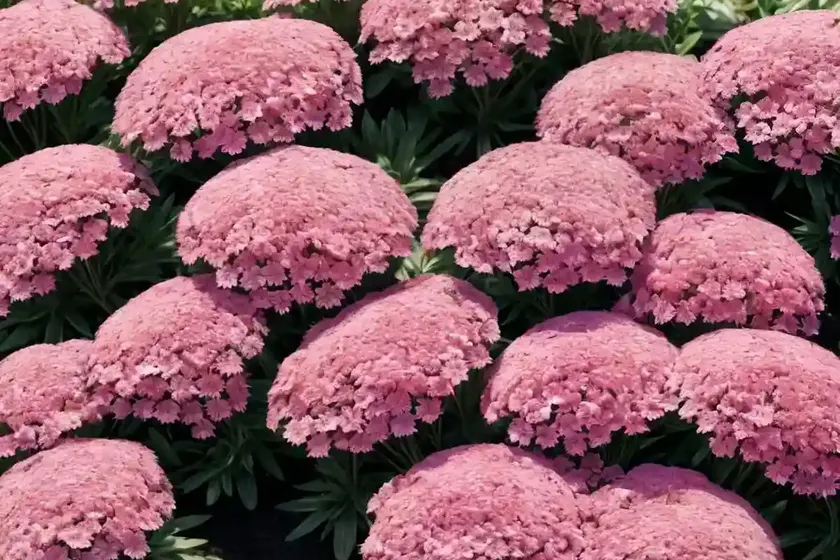
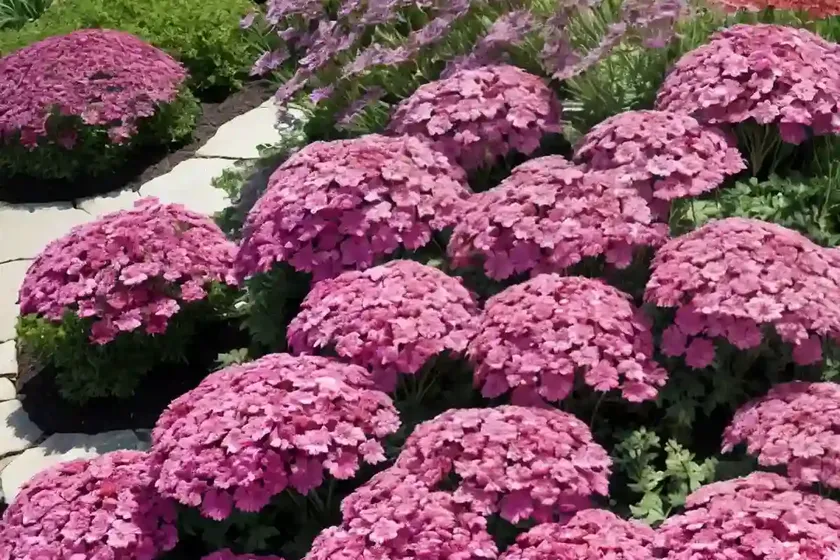
Phlox subulata ‘Scarlet Flame’, commonly known as Creeping Phlox, is a low-growing, evergreen perennial plant that belongs to the Polemoniaceae family. This vibrant groundcover is admired for its stunning scarlet-red flowers that blanket the foliage in spring, creating an eye-catching display. With its creeping habit and ability to spread, it is a popular choice for gardeners looking to add color and texture to various landscape settings. In this extensive guide, we will explore the culture, uses, care requirements, and maintenance of Phlox subulata ‘Scarlet Flame’, providing valuable insights for both novice and seasoned gardeners.
Key Takeaways – Phlox subulata ‘Scarlet Flame’ (Creeping Phlox)
- Botanical Name: Phlox subulata ‘Scarlet Flame’
- Common Name: Creeping Phlox, Scarlet Flame Phlox
- Family: Polemoniaceae
- Type: Perennial
- Landscape Use: Groundcover, borders, rock gardens, slopes, pathways, mixed plantings
What is Phlox subulata ‘Scarlet Flame’?
Phlox subulata ‘Scarlet Flame’ is a cultivar of Phlox subulata, also known as Creeping Phlox or Moss Phlox. This perennial plant is native to the eastern regions of North America and is valued for its mat-forming growth habit and abundant, colorful blooms. As a low-growing groundcover, it serves various purposes in landscaping, offering erosion control on slopes, adding interest to rock gardens, and framing pathways with its cascading foliage and vibrant flowers. The specific epithet “subulata” refers to the awl-shaped leaves of this species, underscoring one of its defining botanical features.
Culture
Uses
Phlox subulata ‘Scarlet Flame’ is a versatile plant with a wide range of landscape uses. Its key applications include:
- Groundcover: Due to its low-growing and spreading nature, Creeping Phlox is an excellent choice for groundcover, particularly in areas where grass struggles to thrive or as an alternative to traditional lawn grass.
- Borders and Pathways: The striking colors of ‘Scarlet Flame’ make it an appealing option for borders and pathways, where it can be utilized to create distinct edges and define spaces.
- Rock Gardens: The cascading habit of Creeping Phlox makes it well-suited for rock gardens, where it can spill over rocks and add a natural, wildflower-like charm.
- Slopes: The mat-forming growth habit of Phlox subulata ‘Scarlet Flame’ aids in erosion control, making it an ideal choice for stabilizing slopes and preventing soil erosion.
Water
Creeping Phlox generally prefers moderate moisture levels, and it is important to keep the soil evenly moist, especially during its initial growth phase and flowering period. However, it is important to avoid waterlogging, which can lead to root rot and other issues. Once established, Phlox subulata demonstrates a degree of drought tolerance, making it an excellent choice for areas with drier conditions.
Sunlight
Phlox subulata ‘Scarlet Flame’ thrives in full sunlight. It benefits from at least six hours of direct sunlight per day to encourage healthy growth and prolific flowering. In regions with scorching summers, providing some protection from intense midday sun can help the plant retain its vibrant color and avoid heat stress.
Fertilizer
When it comes to fertilizing Phlox subulata ‘Scarlet Flame’, a balanced, all-purpose fertilizer can be applied in early spring to support healthy growth and abundant blooming. It is important to follow the manufacturer’s recommendations regarding application rates, and a light application of organic mulch can also help improve soil fertility and moisture retention.
Soil
Creeping Phlox thrives in well-draining, slightly alkaline soils. A soil pH ranging from 6.0 to 8.0 is generally suitable for this species. It is important to ensure good soil aeration and avoid waterlogged conditions, as this can lead to root rot and other issues. Amending the soil with organic matter can improve its structure and fertility, further supporting the plant’s growth and vigor.
Pruning
Pruning plays a crucial role in maintaining the health and appearance of Phlox subulata ‘Scarlet Flame’. After the flowering period, spent blooms should be deadheaded to promote further flowering and prevent the plant from expending energy on seed production. Additionally, light shearing after the blooming season can help rejuvenate the foliage and encourage denser growth. It is important to avoid heavy pruning, as this can compromise the plant’s ability to photosynthesize and recover.
Propagation
Creeping Phlox can be propagated through various methods, including division, cuttings, and layering. Division is a common and effective means of propagation, and it is typically carried out in early spring. By dividing the plant’s clumps and replanting them in suitable locations, gardeners can create new patches of Phlox subulata ‘Scarlet Flame’ and rejuvenate existing plantings.
Container Popularity
While Phlox subulata ‘Scarlet Flame’ is primarily known for its use in groundcover plantings, it can also be grown in containers, providing an opportunity for gardeners with limited space or specific design preferences to enjoy its beauty and versatility. When selecting containers for Creeping Phlox, it is important to choose those with adequate drainage to prevent waterlogging, and a well-draining potting mix should be employed to support healthy root development.
Common Diseases
Despite being relatively resistant to diseases, Creeping Phlox can be affected by certain issues, including powdery mildew and root rot. These conditions can be mitigated through proper cultural practices, including adequate spacing to promote air circulation, well-draining soil, and the application of preventive fungicides when necessary.
Disease Diagnosis
When assessing potential diseases in Phlox subulata ‘Scarlet Flame’, it is important to look for symptoms such as powdery white patches on the foliage, which may indicate the presence of powdery mildew. Additionally, signs of wilting, yellowing foliage, and root discoloration may point to root rot. Prompt diagnosis and intervention are essential for effectively managing these issues and protecting the plant’s health.
Common Pests
Creeping Phlox is susceptible to certain pests, including spider mites and caterpillars. Regular monitoring of the plant for signs of pest infestations, such as webbing, leaf damage, and caterpillar presence, is crucial for early detection and targeted pest management strategies.
Botanist’s Tips
-
Companion Planting: Phlox subulata ‘Scarlet Flame’ can be paired with complementary plants to create visually appealing combinations. For instance, it pairs well with spring-blooming bulbs, such as tulips and daffodils, to create a vibrant display in mixed plantings.
-
Wildlife Attraction: The colorful blooms of Creeping Phlox attract pollinators, such as butterflies and hummingbirds, making it a valuable addition to wildlife gardens and contributing to biodiversity.
-
Mulching: Application of a thin layer of organic mulch around the base of Phlox subulata ‘Scarlet Flame’ can help conserve moisture, moderate soil temperature, and suppress weed growth, contributing to the plant’s overall health and vigor.
Fun Facts
-
The genus name “Phlox” is derived from the Greek word for “flame,” which aptly reflects the fiery and vibrant nature of the plant’s flowers.
-
Creeping Phlox is known for its cascading growth habit, which allows it to spill over edges and adorn spaces with a natural, effortless charm.
-
Phlox subulata ‘Scarlet Flame’ is celebrated for its role in xeriscaping, where it can thrive in low-water landscapes and contribute to sustainable gardening practices.
Links to External Resources
For further information on Phlox subulata ‘Scarlet Flame’ and related topics, the following external resources are valuable references:
-
The American Horticultural Society Encyclopedia of Plants and Flowers
-
University of Maryland Extension – Phlox subulata Fact Sheet
In conclusion, Phlox subulata ‘Scarlet Flame’ stands out as a vibrant and versatile groundcover plant, offering a host of benefits for various landscape settings. From its striking scarlet-red flowers to its low-maintenance nature, this evergreen perennial holds immense appeal for gardeners seeking to enhance their outdoor spaces with color, texture, and wildlife-friendly features. By understanding its culture, uses, care requirements, and maintenance practices, gardeners can harness the full potential of Creeping Phlox and create captivating gardens that showcase its beauty and charm.


