Understanding Phlox Paniculata ‘Younique Old Blue’ (Garden Phlox)
Gardening enthusiasts often seek out specific plant varieties to add diversity, color, and beauty to their gardens. One such popular choice is the Phlox paniculata ‘Younique Old Blue’ or Garden Phlox. Its unique characteristics, vibrant bloom colors, and versatility make it a desirable option for gardeners and landscapers alike.
In this comprehensive guide, we will delve into the various aspects of the Phlox paniculata ‘Younique Old Blue’, exploring its cultural requirements, uses, propagation methods, landscaping potential, maintenance, and much more. By the end of this article, you will have a deep understanding of this enchanting plant and the knowledge needed to successfully cultivate it in your own garden.
Key Takeaways – Phlox paniculata ‘Younique Old Blue’
Before we dive into the details of this beautiful plant, let’s highlight some key takeaways that will be covered in this guide:
- Cultural requirements for Phlox paniculata ‘Younique Old Blue’
- Various uses of Garden Phlox
- The importance of water and sunlight for its growth
- Fertilization needs and soil preferences
- Pruning techniques and propagation methods
- Incorporating Garden Phlox in containers
- Understanding its popularity and common diseases
- Identifying and combating common pests
- Botanist’s tips, fun facts, and useful external resources
With these key takeaways in mind, let’s embark on a journey through the fascinating world of Phlox paniculata ‘Younique Old Blue’.
What is Phlox paniculata ‘Younique Old Blue’ (Garden Phlox)?
Phlox paniculata ‘Younique Old Blue’ is a delightful perennial plant belonging to the Phlox genus, renowned for its stunning clusters of fragrant, colorful flowers. It is a member of the Polemoniaceae family and is native to parts of North America. Within the genus, the specific epithet paniculata refers to the arrangement of flowers in panicles, which are branching clusters of flowers.
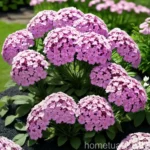
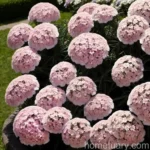
The ‘Younique Old Blue’ variety is particularly acclaimed for its captivating blue flowers, which add a touch of elegance and serenity to any garden landscape. This cultivar typically blooms from mid to late summer, showcasing its vibrant blossoms amidst lush green foliage.
Plant Quick Facts
- Botanical Name: Phlox paniculata ‘Younique Old Blue’
- Common Name: Garden Phlox
- Plant Type: Perennial
- Bloom Time: Mid to late summer
- Flower Color: Blue
- Foliage: Green
With its mesmerizing blooms and attractive foliage, Phlox paniculata ‘Younique Old Blue’ has earned a special place in the hearts of avid gardeners and plant enthusiasts.
Culture: Growing Phlox paniculata ‘Younique Old Blue’
Cultivating Phlox paniculata ‘Younique Old Blue’ successfully requires an understanding of its cultural needs, including water, sunlight, soil, and fertilization. Let’s delve into each of these aspects to ensure the optimal growth and health of this enchanting plant.
Water
Proper watering is essential for the well-being of Phlox paniculata ‘Younique Old Blue. It is crucial to maintain moist, well-drained soil to prevent waterlogging and root rot. During hot and dry periods, regular watering is necessary to keep the soil consistently moist, especially during the plant’s active growth and blooming stages.
It is recommended to water directly at the base of the plant to avoid wetting the foliage, as this can potentially lead to fungal diseases. A layer of organic mulch around the base of the plant can help retain soil moisture and regulate the temperature, promoting ideal growing conditions for Garden Phlox.
The watering frequency can be adjusted based on the specific environmental conditions and the moisture retention capacity of the soil. Regular monitoring of the soil’s moisture level is essential to ensure that the plant receives adequate hydration without being overwatered.
Sunlight
Phlox paniculata ‘Younique Old Blue’ thrives in abundant sunlight and generally requires at least six hours of direct sunlight per day to flourish and produce an abundance of vibrant blooms. Planting it in a location with ample sunlight exposure is crucial for its overall health and blooming potential.
In regions with scorching summer temperatures, providing some protection from the intense midday sun can benefit the plant, preventing excessive stress and potential sunburn on the delicate foliage. However, it is essential to strike a balance, as insufficient sunlight can lead to reduced blooming and overall vigor of the plant.
Fertilizer
Fertilization plays a vital role in supporting the growth and blooming performance of Phlox paniculata ‘Younique Old Blue’. Incorporating a balanced, slow-release fertilizer into the soil during the plant’s active growth period can provide the necessary nutrients for robust foliage and abundant flowering.
It is advisable to avoid excessive use of high-nitrogen fertilizers, as this can promote excessive foliage growth at the expense of flower production. Instead, a fertilizer blend with balanced N-P-K (nitrogen, phosphorus, and potassium) ratios is recommended to foster healthy growth and prolific blooms.
Periodic application of a organic, granular fertilizer can further enhance the soil’s nutrient content, promoting the overall vigor and resilience of Phlox paniculata ‘Younique Old Blue. Care should be taken to follow the manufacturer’s instructions regarding the application rate and timing to prevent over-fertilization and potential harm to the plant.
Soil
The selection of an appropriate planting site with well-drained, fertile soil is crucial for the successful cultivation of Phlox paniculata ‘Younique Old Blue’. The ideal soil type for Garden Phlox is loamy and rich in organic matter, providing a favorable growing environment for the plant’s roots to establish and thrive.
A slightly acidic to neutral pH range (around 6.0 to 7.0) is optimal for Phlox paniculata, as it facilitates efficient nutrient uptake and supports overall plant health. Conducting a soil test before planting the Garden Phlox can provide valuable insights into the soil composition and pH, enabling any necessary amendments to be made to create an ideal growing environment.
The incorporation of organic compost or well-rotted manure into the soil can enhance its texture and fertility, improving water retention and nutrient availability for Phlox paniculata ‘Younique Old Blue’. Additionally, a layer of organic mulch applied around the base of the plant can help regulate soil temperature and moisture, contributing to the overall well-being of the plant.
Pruning Phlox paniculata ‘Younique Old Blue’
Proper pruning is integral to the maintenance and longevity of Phlox paniculata ‘Younique Old Blue. Regular removal of spent flower heads not only maintains a tidy appearance but also encourages the plant to continue blooming, extending the overall flowering period.
Deadheading, the process of removing faded or spent flower clusters, prevents the plant from directing its energy towards seed production and promotes the generation of new blooms. This practice can significantly prolong the bloom time of Garden Phlox and contribute to a more abundant and vibrant display of flowers.
In addition to deadheading, the removal of any diseased, damaged, or crowded stems and foliage is essential to prevent the onset and spread of diseases. Pruning Garden Phlox can also involve thinning out dense growth to improve air circulation around the plant, reducing the risk of fungal infections and promoting overall plant health.
Seasonal Maintenance
Seasonal maintenance tasks for Phlox paniculata ‘Younique Old Blue’ encompass various activities tailored to each phase of the plant’s growth cycle. In early spring, inspecting the plant for any winter damage, dead or diseased stems, and removing accumulated debris can initiate the new growing season on a healthy note.
Regular monitoring for pests and diseases, ensuring adequate watering, and providing support for tall or sprawling stems can contribute to the plant’s resilience and vitality. As summer progresses, deadheading spent blooms, managing soil moisture, and monitoring for signs of stress are essential maintenance practices to support Garden Phlox’s overall well-being.
Towards the end of the growing season, particularly in autumn, preparing the plant for dormancy involves reducing watering, ceasing fertilization, and promoting natural dormancy cues. Clearing away fallen leaves, debris, and applying a layer of mulch can protect the plant during the winter months and prepare it for a robust return in the following spring.
Propagation of Phlox paniculata ‘Younique Old Blue’
The propagation of Phlox paniculata ‘Younique Old Blue’ can be achieved through various methods, offering gardeners the opportunity to expand their Garden Phlox collection and share the beauty of this plant with others. Common propagation techniques for Garden Phlox include division, stem cuttings, and seed sowing.
Division
Division is a straightforward and reliable method for propagating Phlox paniculata ‘Younique Old Blue. It involves the separation of established clumps of the plant into smaller sections, each with their own set of roots and growing points. Early spring or early autumn are ideal times for dividing Garden Phlox, allowing the divided sections to establish before the onset of extreme temperatures.
To propagate *Phlox paniculata ‘Younique Old Blue’ through division, the following steps can be followed:
- Carefully dig up the established clump of Phlox paniculata ‘Younique Old Blue.
- Gently separate the clump into smaller sections, ensuring that each division has a portion of the root system and several healthy shoots.
- Replant the divided sections at the desired locations, ensuring adequate spacing and providing appropriate soil and environmental conditions for their establishment.
Stem Cuttings
Propagating Phlox paniculata ‘Younique Old Blue through stem cuttings offers a reliable method for generating new plants that are genetically identical to the parent plant. This technique involves taking cuttings from the healthy, non-flowering stems of the Garden Phlox and encouraging them to develop roots and establish as independent plants.
To propagate Phlox paniculata ‘Younique Old Blue through stem cuttings, the following steps can be followed:
- Select healthy, non-flowering stems from the parent plant.
- Take 4-6 inch cuttings, ensuring that each cutting has several nodes.
- Remove the lower leaves and dip the cut end in rooting hormone to promote root development.
- Plant the cuttings in a well-draining, sterile growing medium and maintain consistent moisture and humidity levels to facilitate root formation.
Seed Sowing
While propagation through seed sowing is an option, it is important to note that Phlox paniculata ‘Younique Old Blue may not come true from seed. However, gardeners can collect the seeds from the plant’s spent flower heads and sow them to explore the genetic variability and potential for new cultivars.
To propagate Phlox paniculata ‘Younique Old Blue through seed sowing, the following steps can be followed:
- Collect mature seeds from the spent flower heads of the Garden Phlox.
- Sow the seeds in a well-prepared seed-starting medium, lightly covering them with a thin layer of soil.
- Maintain consistent moisture and provide optimal temperature and lighting conditions for seed germination and seedling development.
The propagation of Phlox paniculata ‘Younique Old Blue through division, stem cuttings, or seed sowing provides gardeners with diverse approaches to multiplying the enchanting presence of this plant in their gardens.
Uses of Phlox paniculata ‘Younique Old Blue’
Phlox paniculata ‘Younique Old Blue’ offers versatile uses and applications for gardeners, landscapers, and floral enthusiasts. Understanding the full range of its potential roles can inspire creative landscape designs and enrich the visual appeal of various outdoor settings.
Landscaping
The captivating bloom color and elegant growth habit of Phlox paniculata ‘Younique Old Blue make it an excellent choice for landscaping purposes. Whether used as a border plant, mass planting, or accent feature, its vibrant blue flowers can infuse a sense of tranquility and charm into garden landscapes.
Garden Phlox can also be incorporated into mixed borders, perennial displays, and cottage gardens, where its vibrant blooms can complement a diverse assortment of garden companions. Its adaptable nature and compact growth habit make it a versatile addition to various landscaping themes, offering a timeless and classic appeal.
Cut Flowers
The elegant blooms of Phlox paniculata ‘Younique Old Blue can be harvested for use as cut flowers, bringing their vibrant colors and sweet fragrance indoors. Gardeners and floral enthusiasts can create stunning floral arrangements and bouquets, showcasing the beauty and grace of the Garden Phlox in interior spaces.
When used as cut flowers, the blossoms of Garden Phlox can enhance table centerpieces, floral designs, and decorative displays, adding a touch of natural splendor to indoor settings. By regularly harvesting the blooms and ensuring proper care, the Garden Phlox can provide an abundant supply of cut flowers throughout its blooming season.
Pollinator Attraction
The nectar-rich blossoms of Phlox paniculata ‘Younique Old Blue serve as valuable resources for pollinators, including bees, butterflies, and hummingbirds. Incorporating Garden Phlox into pollinator-friendly gardens, wildlife habitats, and urban landscapes can contribute to the conservation of these essential pollinating species.
The presence of Garden Phlox can attract and support a diverse array of pollinators, promoting biodiversity and ecological balance within garden ecosystems. By fostering a welcoming environment for beneficial insects and birds, the Garden Phlox plays a pivotal role in promoting a thriving and sustainable natural habitat.
Container Gardening
Phlox paniculata ‘Younique Old Blue can be successfully grown in containers, offering an opportunity to bring its captivating blooms and vibrant colors to small gardens, balconies, and patios. When grown in containers, Garden Phlox can serve as a focal point, accentuating outdoor living spaces with its visual appeal.
Selecting a well-draining, quality potting mix and providing ample sunlight can support the healthy growth and blooming performance of Garden Phlox in containers. Regular watering and fertilization, combined with appropriate pruning and deadheading, can ensure the plant’s vitality and sustained beauty in a container gardening setting.
The multifaceted uses of Phlox paniculata ‘Younique Old Blue present a myriad of opportunities for gardeners and enthusiasts to explore its potential in diverse settings, from landscape design to floral arrangements and wildlife conservation.
Popularity of Phlox paniculata ‘Younique Old Blue
Phlox paniculata ‘Younique Old Blue has earned significant popularity among gardeners and horticultural enthusiasts due to its captivating blooms, ease of cultivation, and versatile uses. Its enchanting blue flowers and graceful growth habit have contributed to its widespread appeal and recognition in the gardening community.
Gardeners often seek out this particular variety of Phlox paniculata for its unique coloration, reliability in the garden, and the visual impact it brings to various outdoor settings. Its adaptability to different soil types, moderate growth rate, and low maintenance requirements contribute to its widespread popularity and its frequent inclusion in garden designs.
In addition to its ornamental value, the pollinator-attracting properties of Phlox paniculata ‘Younique Old Blue have further augmented its desirability, particularly in landscapes that prioritize wildlife conservation and ecological sustainability. Its ability to support and nourish beneficial pollinators aligns with the growing interest in fostering self-sustaining garden ecosystems.
Celebrated for its visual appeal, pollinator-friendly nature, and adaptability to different gardening contexts, Phlox paniculata ‘Younique Old Blue continues to enjoy a prominent place in the hearts and gardens of plant enthusiasts and landscape designers.
Common Diseases and Disease Diagnosis
Phlox paniculata ‘Younique Old Blue is susceptible to certain diseases and infections that can impact its overall health and blooming performance. Recognizing the symptoms of common diseases and understanding the appropriate measures for disease prevention and control is essential for safeguarding the well-being of Garden Phlox.
Powdery Mildew
One of the most prevalent diseases affecting Phlox paniculata ‘Younique Old Blue is powdery mildew, a fungal infection characterized by the development of powdery, white patches on the plant’s leaves and stems. Powdery mildew can hinder the plant’s ability to photosynthesize and weaken its overall vigor if left unchecked.
Preventing powdery mildew involves promoting good air circulation around the plant, avoiding overhead watering, and maintaining a clean garden environment by removing fallen leaves and plant debris. Applying fungicidal treatments as a preventive measure or in the early stages of infection can help manage powdery mildew and protect Garden Phlox from its detrimental effects.
Leaf Spot
Leaf spot diseases caused by fungi or bacteria can manifest as dark, irregular lesions on the foliage of Phlox paniculata ‘Younique Old Blue. These lesions may vary in size and color, affecting the aesthetic appearance and functionality of the plant’s leaves.
To mitigate the impact of leaf spot diseases on Garden Phlox, practicing good sanitation by removing and disposing of infected leaves can limit the spread of the disease. Additionally, ensuring proper watering practices, avoiding overhead irrigation, and applying fungicidal sprays as a preventive measure can contribute to disease management and the preservation of the plant’s foliage.
Stem Canker
Stem canker, a fungal disease that affects the stems and branches of Phlox paniculata ‘Younique Old Blue, can lead to the development of sunken, discolored areas on the plant’s woody tissues. This disease can weaken the structural integrity of the plant and compromise its ability to transport water and nutrients.
Preventing stem canker involves promoting the overall health and vigor of the plant through proper cultural practices, including adequate watering, fertilization, and pruning. Removing and destroying affected plant parts, improving air circulation, and avoiding excessive overhead watering can contribute to managing stem canker and reducing its impact on Garden Phlox.
Downy Mildew
Downy mildew is another potential threat to the health of Phlox paniculata ‘Younique Old Blue, manifesting as yellow, angular lesions on the upper surfaces of the plant’s leaves, accompanied by a downy growth on the undersides. This disease can compromise the plant’s ability to photosynthesize and weaken its overall resilience.
Controlling downy mildew involves minimizing leaf wetness by watering the plant at the base, providing adequate spacing between plants to promote air circulation, and avoiding excessive moisture accumulation in the garden environment. Applying fungicidal treatments preventively or in the early stages of infection can aid in managing downy mildew and protecting the health of Garden Phlox.
Disease Diagnosis
Diagnosing diseases affecting Phlox paniculata ‘Younique Old Blue involves careful observation of the plant’s symptoms, including discolored or distorted foliage, unusual lesions, and any signs of fungal growth or discoloration. Accurately identifying the specific disease affecting the Garden Phlox enables gardeners to implement targeted management strategies and prevent further spread of the infection.
Consulting local gardening resources, extension services, and professional horticulturists can provide valuable guidance in diagnosing and managing diseases affecting Phlox paniculata ‘Younique Old Blue. By promptly addressing disease symptoms