Phlox divaricata ‘Blue Moon’ (Woodland Phlox)
Phlox divaricata ‘Blue Moon’, commonly known as Woodland Phlox, is a beautiful and delicate perennial plant that is native to North America. It belongs to the Polemoniaceae family and is treasured for its clusters of aromatic, lavender-blue flowers that bloom in spring, creating a stunning display in woodland gardens. This blog post is a comprehensive guide to Phlox divaricata ‘Blue Moon’, covering its culture, uses, water and sunlight requirements, fertilizer needs, soil preferences, pruning methods, propagation, and more.
Key Takeaways – Phlox divaricata ‘Blue Moon’ (Woodland Phlox)
- Culture: Woodland Phlox, or Phlox divaricata ‘Blue Moon’, thrives in woodland gardens and shaded areas, providing a pop of color with its fragrant flowers.
- Uses: This plant is primarily used for ornamental purposes, adding beauty and elegance to gardens and landscapes.
- Water: It requires moderate watering and prefers moist, well-draining soil.
- Sunlight: Woodland Phlox flourishes in partial shade and prefers dappled sunlight, making it an excellent choice for shaded gardens.
- Fertilizer: It benefits from a balanced, slow-release fertilizer applied in spring to support healthy growth and vibrant blooms.
- Soil: The ideal soil for Woodland Phlox is rich, humusy, and slightly acidic, mimicking its natural woodland habitat.
- Pruning: Light trimming after flowering can help maintain the plant’s shape and encourage a bushier growth habit.
- Propagation: This plant can be propagated from seeds, division, or cuttings, allowing for easy expansion in the garden.
- Container Popularity: Due to its compact size and beautiful blooms, Phlox divaricata ‘Blue Moon’ is also suitable for container gardening, adding charm to patios and balconies.
- Common Diseases: Woodland Phlox is susceptible to several diseases, including powdery mildew and fungal leaf spots.
- Common Pests: It may attract aphids, spider mites, and caterpillars, which can be managed through proper cultural practices and, if necessary, organic insecticidal soaps.
Let’s delve deeper into the intricacies of growing and caring for Phlox divaricata ‘Blue Moon’, uncovering its unique characteristics, maintenance requirements, and essential considerations for cultivating this enchanting plant.
What is Plant: Phlox divaricata ‘Blue Moon’ (Woodland Phlox)
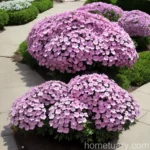
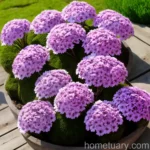
Phlox divaricata ‘Blue Moon’, commonly referred to as Woodland Phlox, is a charming herbaceous perennial that belongs to the Phlox genus within the Polemoniaceae family. This native North American plant is adored for its sprawling habit, delicate foliage, and clusters of fragrant, lavender-blue flowers, which grace the garden with their beauty in early spring. Woodland Phlox is esteemed for its versatility, thriving in shaded landscapes and adding a touch of elegance to woodland gardens, borders, and naturalistic settings.
Plant Characteristics
| Property | Specification |
|---|---|
| Bloom Time | Early to mid-spring |
| Plant Size | 12-15 inches in height and spread |
| Foliage Color | Deep green foliage |
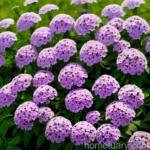
| Bloom Characteristics | Clusters of fragrant, lavender-blue flowers |
| Foliage Texture | Medium-textured, lance-shaped leaves |
| Water Needs | Moderate |
| Sunlight Preferences | Partial to dappled shade |
| Soil Requirements | Rich, humusy, well-draining, slightly acidic soil |
| Hardiness Zone | 3 to 8 |
| Growth Rate | Moderate |
| Deer Resistance | Moderate resistance to deer |
| Drought Tolerance | Moderate tolerance to drought |
| Fragrance | Sweet, floral fragrance |
| Wildlife Attraction | Attracts butterflies and hummingbirds |
| Landscape Uses | Woodland gardens, shaded borders, naturalistic landscapes, containers |
| Disease Resistance | Susceptible to powdery mildew and fungal leaf spots |
| Propagation Methods | Seeds, division, cuttings |
Natural Habitat
Phlox divaricata ‘Blue Moon’ is indigenous to North America, particularly thriving in woodland, forest edges, and shaded areas. It is commonly found in regions with moist, rich soils and dappled sunlight, where it forms charming carpets of delicate blooms, attracting pollinators and adding a splash of color to the understory.
Varieties
Several cultivated varieties of Phlox divaricata are available, offering a range of flower colors and characteristics. Some popular varieties include ‘May Breeze’ with pale blue flowers, ‘Fuller’s White’ featuring pure white blooms, and ‘London Grove Blue’ with deep blue-violet blossoms. Each variety adds its unique allure to woodland gardens and shaded landscapes.
Bloom Time
Woodland Phlox typically blooms in early to mid-spring, captivating garden enthusiasts with its profusion of fragrant, star-shaped flowers. The dazzling display of blooms heralds the arrival of spring, creating a visually appealing and aromatic landscape in shaded areas.
Now, let’s explore the essential aspects of cultivating and caring for Phlox divaricata ‘Blue Moon’, providing insights into its culture, maintenance, and contributions to garden aesthetics.
Culture
Woodland Phlox, or Phlox divaricata ‘Blue Moon’, thrives in shaded landscapes, particularly in woodland gardens and naturalistic settings. Understanding its cultural requirements is pivotal in nurturing healthy, vibrant plants that grace the garden with their enchanting blooms.
Uses
- Ornamental Beauty: The primary use of Phlox divaricata ‘Blue Moon’ is for ornamental purposes, as it adds elegance and charm to shaded borders, woodland gardens, and naturalistic landscapes.
- Understory Plant: This plant serves as an excellent choice for the shaded understory, creating carpets of blossoms and contributing to the visual appeal of woodland environments.
Water
Woodland Phlox has moderate water needs, preferring consistently moist soil to support healthy growth and prolific blooming. Adequate moisture is particularly crucial during periods of active growth and flowering. However, it is essential to ensure that the soil has proper drainage to prevent waterlogged conditions.
Sunlight
Phlox divaricata ‘Blue Moon’ thrives in partial to dappled shade, making it well-suited for shaded landscapes and woodland gardens. While it prefers filtered sunlight and protection from intense midday sun, it can tolerate some morning sun in cooler climates. The dappled sunlight of deciduous trees or filtered light through evergreen branches provides an ideal environment for this shade-loving plant.
Fertilizer
Applying a balanced, slow-release fertilizer in early spring can bolster the growth and blooming performance of Woodland Phlox. A fertilizer with balanced N-P-K (nitrogen, phosphorus, and potassium) ratios can provide the essential nutrients for robust growth and vibrant blooms. It is important to follow the manufacturer’s recommended application rates to avoid over-fertilization, which can lead to excessive foliage growth at the expense of flowers.
Soil
The preferred soil for Phlox divaricata ‘Blue Moon’ is rich, humusy, and slightly acidic, resembling the conditions of its native woodland habitat. A well-draining soil structure is crucial to prevent waterlogging, which can negatively impact the plant’s health. Amending the soil with organic matter, such as compost or leaf mold, can enhance its moisture retention and nutrient content, creating an ideal growing medium for Woodland Phlox.
Pruning
Light pruning or deadheading after the blooming period can help maintain the plant’s shape and encourage a bushier growth habit. Removing spent flowers not only enhances the plant’s appearance but can also promote additional blooms. Additionally, periodic removal of dead or damaged foliage contributes to the plant’s overall health and vigor.
Propagation
Phlox divaricata ‘Blue Moon’ can be propagated through various methods, including division, seed sowing, and cuttings. Division is often the preferred method, as it allows for the rapid establishment of new plants with the same characteristics as the parent plant. Seeds can also be collected and sown for propagation, and softwood stem cuttings offer another viable approach to expanding the plant’s presence in the garden.
Now that we’ve explored the cultural needs of Woodland Phlox, including its water requirements, sunlight preferences, fertilizer needs, soil considerations, pruning methods, and propagation techniques, let’s delve into its container gardening potential and popularity, followed by insights into common diseases and pests that can affect this captivating plant.
Container Popularity
Phlox divaricata ‘Blue Moon’ holds appeal for container gardening enthusiasts, offering its delightful blooms and graceful foliage to adorn patios, balconies, and outdoor living spaces. Its compact size and elegant appearance make it a charming addition to container arrangements, bringing a touch of natural beauty to urban and suburban settings. When considering container gardening with Woodland Phlox, several key factors should be taken into account to ensure the plant’s health and vitality.
Container Size
Selecting an appropriately sized container is crucial for the successful cultivation of Woodland Phlox. The container should have sufficient depth for the plant’s root system and provide ample space for growth and expansion. A container with a diameter of 12-16 inches and a similar depth can accommodate the plant comfortably, allowing for healthy root development and stability.
Soil Considerations
Choosing a well-draining potting mix that mimics the preferred soil conditions of Woodland Phlox is essential for container cultivation. A high-quality, peat-based potting mix enriched with organic matter can provide the ideal growing medium, promoting adequate moisture retention while ensuring good drainage. Additionally, the pH of the potting mix should align with the plant’s preference for slightly acidic soil, fostering a conducive environment for healthy growth and blooming.
Watering Needs
Container-grown Woodland Phlox may require more frequent watering than plants in the ground, as containers can experience faster moisture loss. It is important to monitor the soil moisture regularly and provide consistent, adequate watering to support the plant’s needs. Maintaining soil moisture while avoiding waterlogged conditions is vital for the plant’s vigor and blooming performance.
Fertilizing Tips
In container gardening, applying a balanced, slow-release fertilizer in spring can provide the essential nutrients for healthy growth and abundant blooms. Selecting a fertilizer specifically formulated for flowering plants and following the recommended application rates can help sustain the plant’s vitality and ornamental appeal throughout the growing season.
As we’ve explored the potential of Phlox divaricata ‘Blue Moon’ for container gardening, let’s now turn our attention to common diseases that can affect this plant and the identification of potential pests that may require management for its optimal health and aesthetics.
Common Diseases
Woodland Phlox, like many ornamental plants, is susceptible to certain diseases that can affect its overall health and blooming performance. Being aware of these common diseases and implementing preventative measures can help maintain the plant’s vigor and ornamental value, ensuring a thriving display of fragrant blooms in the garden.
Disease Diagnosis
-
Powdery Mildew: Powdery mildew, characterized by a powdery white coating on the leaves and stems, can affect Woodland Phlox, particularly in humid conditions with poor air circulation. It is crucial to monitor the plant for signs of powdery mildew and take proactive measures to mitigate its impact, such as ensuring proper spacing between plants to enhance air circulation and applying preventative fungicidal sprays if necessary.
-
Fungal Leaf Spots: Fungal leaf spots, manifested as dark, discolored lesions on the foliage, can arise when the plant is subjected to prolonged periods of moisture on the leaves. Implementing cultural practices to reduce leaf wetness, such as watering at the base of the plant and providing adequate spacing to allow for air movement, can help minimize the risk of fungal leaf spot development.
Understanding the symptoms and predisposing factors of these diseases equips gardeners with the knowledge to implement timely interventions and create an environment conducive to the plant’s health and vitality.
Common Pests
In addition to diseases, Woodland Phlox can attract certain pests that can affect its foliage and blooming performance. Identifying these potential pests and implementing appropriate management strategies is essential for safeguarding the plant’s aesthetics and ornamental value.
-
Aphids: Aphids are small, sap-sucking insects that can congregate on the tender growth of Woodland Phlox, causing distortion of foliage and potential decline in plant health. Monitor the plant regularly for signs of aphid infestations and consider natural predators, such as ladybugs, or targeted applications of insecticidal soaps as part of an integrated pest management approach.
-
Spider Mites: Spider mites are common pests that can affect Phlox divaricata, particularly in dry, dusty conditions. Regularly inspecting the undersides of leaves for fine webbing and stippling, along with maintaining appropriate humidity levels, can help mitigate spider mite infestations and minimize their impact on the plant.
-
Caterpillars: Certain caterpillar species may feed on the foliage of Woodland Phlox, leading to unsightly damage and potential stress to the plant. Handpicking caterpillars when feasible or implementing biological controls, such as Bacillus thuringiensis (Bt) products, can help manage caterpillar populations and minimize their impact on the plant’s aesthetics.
By being vigilant for signs of pest activity and taking proactive measures to address potential issues, gardeners can foster healthy, thriving Woodland Phlox plants that contribute to the visual appeal of their outdoor spaces.
Botanist’s Tips
Incorporating Woodland Phlox, or Phlox divaricata ‘Blue Moon’, into garden and landscape designs requires an understanding of its cultural preferences, maintenance needs, and aesthetic contributions. A botanist’s insights can provide valuable guidance for cultivating this enchanting plant and leveraging its ornamental potential in various outdoor settings.
Fun Facts
- Deer Resistance: While not entirely deer-proof, Phlox divaricata exhibits moderate resistance to browsing by deer, making it a suitable choice for landscapes where deer presence is a concern.
- Fragrance: The flowers of Woodland Phlox emit a sweet, floral fragrance, attracting pollinators such as butterflies and hummingbirds while adding a delightful olfactory element to the garden.
- Native Habitat: This plant’s natural habitat includes woodland and shaded environments, where it thrives in moist, humus-rich soils and dappled sunlight, creating captivating displays of spring blooms.
- Seasonality: Woodland Phlox contributes to the seasonal dynamics of the garden, particularly in early spring, when its clusters of lavender-blue flowers add vibrancy to shaded landscapes and naturalistic borders.
Links to External Resources
- Phlox divaricata ‘Blue Moon’ Plant Profile (University of Vermont Extension)
- Woodland Phlox, Phlox divaricata (Lady Bird Johnson Wildflower Center)
- Growing Woodland Phlox, Phlox divaricata (Missouri Botanical Garden)
As we conclude our exploration of the captivating Phlox divaricata ‘Blue Moon’, we have delved into its cultural requirements, significance in garden and landscape designs, as well as considerations for container gardening, disease management, and pest control. By incorporating this enchanting plant into outdoor spaces, gardeners can embrace its ornamental beauty and contribute to the diversity of plant life in shaded and woodland environments.
The allure of Woodland Phlox extends beyond its delicate blooms and graceful foliage, embodying the resilience and natural beauty of native North American flora. Its contribution to pollinator habitats, aromatic appeal, and seasonal presence in the garden reinforces its status as a cherished addition to shaded landscapes and naturalistic plantings. With a deeper understanding of its characteristics and requirements, gardeners can cultivate thriving Woodland Phlox plants that enrich their outdoor spaces with their fragrant, lavender-blue blossoms, spreading the essence of tranquility and natural elegance throughout the garden.
Remember to embrace the distinctive charm of Woodland Phlox and explore its potential as an ornamental centerpiece in shaded gardens, inviting the splendor of early spring blooms and the myriad wonders of native plant species into your outdoor sanctuary.
Happy gardening!