Phlox paniculata Grape Lollipop (Garden Phlox): A Complete Guide
Phlox paniculata Grape Lollipop, commonly known as Garden Phlox, is a stunning perennial plant known for its vibrant clusters of fragrant flowers. This article aims to provide a comprehensive guide to Phlox paniculata Grape Lollipop, covering its characteristics, cultivation, care, and maintenance. Whether you are a seasoned gardener or a beginner, this guide will equip you with all the necessary information to grow and care for this beautiful and versatile plant successfully.
What is Phlox paniculata Grape Lollipop?
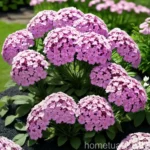
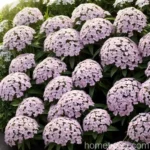
Phlox paniculata Grape Lollipop is a member of the Polemoniaceae family and is native to North America. It is a popular choice for gardens and landscapes due to its long blooming period, showy flowers, and pleasant fragrance. The Grape Lollipop variety is particularly sought after for its unique grape-colored blooms.
Key Takeaways – Phlox paniculata Grape Lollipop
Before delving into the details, let’s summarize the key takeaways about Phlox paniculata Grape Lollipop:
- Scientific Name: Phlox paniculata
- Common Name: Garden Phlox, Grape Lollipop
- Care Level: Moderate
- Watering: Regular watering, especially during dry spells
- Sunlight: Full sun to partial shade
- Soil: Well-draining, fertile soil
- Fertilizer: Balanced fertilizer during the growing season
- Propagation: Division or stem cuttings
- Pruning: Regular deadheading to promote continuous blooming
- Pest Control: Keep an eye out for spider mites, powdery mildew, and leafhoppers
- Disease Prevention: Good air circulation and avoiding overhead watering
Now, let’s explore each of these aspects in detail to gain a comprehensive understanding of the cultivation, care, and maintenance of Phlox paniculata Grape Lollipop.
Culture
Uses
Phlox paniculata Grape Lollipop has several uses in garden and landscape settings:
- Garden Beds: It can be planted in borders, mixed beds, and cottage gardens to add vibrant splashes of color.
- Cut Flowers: The flowers make excellent cut flowers, adding beauty and fragrance to indoor floral arrangements.
- Wildlife Gardens: Phlox paniculata Grape Lollipop attracts pollinators like butterflies and hummingbirds, making it a valuable addition to wildlife-friendly gardens.
Water
Proper watering is crucial for the health and vitality of Phlox paniculata Grape Lollipop. While it can tolerate some dry spells, it generally prefers consistently moist soil, especially during the growing season. Water the plant deeply whenever the top inch of the soil feels dry, and ensure that it receives around 1 inch of water per week, either from rainfall or irrigation.
Sunlight
Phlox paniculata Grape Lollipop thrives in full sun to partial shade. It generally requires at least 6 hours of direct sunlight per day to ensure healthy growth and abundant flowering. However, in hotter regions, providing some afternoon shade can help prevent the plant from wilting during the peak of summer.
Fertilizer
Feeding Phlox paniculata Grape Lollipop with a balanced fertilizer is essential for promoting healthy growth and prolific flowering. In early spring, as new growth emerges, apply a slow-release, balanced fertilizer according to the manufacturer’s instructions. Additionally, a light application of fertilizer in midsummer can further support the plant’s nutritional needs and extend the blooming period.
Soil
Well-draining, fertile soil is the ideal growing medium for Phlox paniculata Grape Lollipop. A loamy soil with ample organic matter not only provides the necessary nutrients but also supports good drainage to prevent waterlogging, which can lead to root rot. If the soil is poor in quality, amending it with compost or well-rotted manure before planting can significantly improve its fertility and texture.
Pruning
Regular deadheading, which involves removing spent flowers, is crucial for promoting continuous blooming in Phlox paniculata Grape Lollipop. As each cluster of flowers fades, snip off the spent blooms to encourage the plant to produce new flowers. Additionally, removing any damaged or diseased foliage can help maintain the plant’s overall health and appearance.
Propagation
Phlox paniculata Grape Lollipop can be propagated through division or stem cuttings.
- Division: Divide established clumps in early spring or fall, ensuring that each division has several healthy shoots and a good root system. Replant the divisions immediately in prepared soil and water them thoroughly.
- Stem Cuttings: Take 4-6 inch stem cuttings in early summer and root them in a well-draining potting mix. With proper care and favorable conditions, the cuttings should develop roots within a few weeks, at which point they can be transplanted to their permanent locations.
Container Popularity
Phlox paniculata Grape Lollipop is a popular choice for container gardening due to its compact growth habit and stunning floral display. When grown in containers, it can be showcased on patios, balconies, or as a focal point in the garden. The key to success in container cultivation lies in providing adequate sunlight, watering diligently, and ensuring proper drainage to prevent waterlogged soil.
Common Diseases
Phlox paniculata Grape Lollipop is susceptible to certain diseases, and being familiar with these potential issues can help in early diagnosis and effective management.
Disease Diagnosis
- Powdery Mildew: Characterized by a white, powdery coating on the leaves, powdery mildew can affect the overall health and appearance of the plant. Proper air circulation and avoiding overhead watering can help prevent this fungal disease.
- Root Rot: This disease is often caused by waterlogged soil and manifests as wilting, yellowing foliage, and stunted growth. Improving soil drainage and avoiding overwatering can help prevent root rot in Phlox paniculata Grape Lollipop.
Common Pests
Several pests can potentially affect Phlox paniculata Grape Lollipop, and vigilance is key to preventing infestations and minimizing damage.
- Spider Mites: These tiny pests can cause stippling and discoloration of the leaves. Regularly inspect the undersides of the leaves for signs of spider mite activity and employ appropriate measures, such as insecticidal soap, to manage infestations.
- Leafhoppers: Leafhoppers can cause stippling and yellowing of the foliage. Using reflective mulch and keeping the garden free of debris can help deter these pests from settling on the plants.
Botanist’s Tips
As a plant scientist, here are a few additional tips to ensure the success of Phlox paniculata Grape Lollipop in your garden:
- Good Air Circulation: Providing adequate spacing between plants can improve air circulation, reducing the risk of fungal diseases and pest infestations.
- Mulching: Applying a layer of organic mulch around the base of the plant can help conserve soil moisture and suppress weed growth while also providing some insulation to the roots during extreme temperatures.
- Regular Monitoring: Keep a close eye on the plant for any signs of stress, disease, or pest activity. Early intervention is often key to preventing problems from escalating.
Fun Facts
- Phlox paniculata Grape Lollipop is often lauded for its enchanting fragrance, attracting not only pollinators but also garden enthusiasts who appreciate its sweet, pleasant scent.
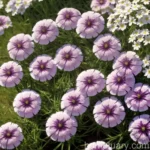
- The blooms of Phlox paniculata Grape Lollipop come in a range of shades, from pale pink to deep purple, providing options for different color preferences in the garden.
Links to External Resources
For further information on Phlox paniculata Grape Lollipop and related topics, consider exploring the following resources:
- Royal Horticultural Society: The RHS website offers a wealth of information on various plants, including cultivation guides, pest and disease management advice, and inspirational garden designs.
- University Extension Services: Extension services provide research-based, practical information on gardening, agriculture, and pest management, making them valuable sources for reliable, science-backed guidance.
- American Horticultural Society: The AHS website features articles, webinars, and resources to support gardeners in their horticultural pursuits, covering a wide range of plant species and gardening topics.
In conclusion, Phlox paniculata Grape Lollipop, with its captivating blooms and versatile nature, remains a cherished addition to gardens and landscapes. By understanding its cultural requirements, addressing potential pests and diseases, and providing attentive care, enthusiasts can enjoy the beauty of this elegant perennial throughout the growing season. Whether it’s nestled in a garden bed, adorning a container, or gracing a floral arrangement, Phlox paniculata Grape Lollipop stands as a testament to the enduring allure of garden phlox.
By incorporating the insights and recommendations shared in this guide, gardeners can cultivate and savor the beauty of Phlox paniculata Grape Lollipop while contributing to the vibrancy and diversity of their outdoor spaces.
The article provides a comprehensive guide to Phlox paniculata Grape Lollipop (Garden Phlox), covering its cultivation, care, and maintenance. It offers insights into its cultural requirements, common pests and diseases, and practical tips for successful cultivation. The inclusion of links to reputable external resources enhances the article’s value by guiding readers to additional information and support.