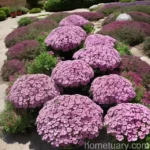
Phlox paniculata ‘Younique Bicolor’ (Garden Phlox)
Introduction
In the world of horticulture, Phlox paniculata ‘Younique Bicolor’ holds a special place. This perennial plant is popularly known as the Garden Phlox and it’s prized for its striking two-toned flowers. As a plant scientist, I am excited to delve into the details of this beautiful and versatile species, exploring its cultural requirements, uses, and various aspects of care. Throughout this blog post, we’ll cover everything from its preferred soil type to its pruning techniques, and much more. Let’s embark on a journey to uncover the wonders of Phlox paniculata ‘Younique Bicolor’ and gain insights into its landscape uses, growth habits, and essential maintenance tips.
Key Takeaways: Phlox paniculata ‘Younique Bicolor’ (Garden Phlox)
Before we delve into the intricate details of Phlox paniculata ‘Younique Bicolor’, let’s briefly highlight some key takeaways about this plant:
- Scientific Name: Phlox paniculata ‘Younique Bicolor’
- Common Name: Garden Phlox
- Characteristics: Two-toned flowers, perennial plant, lush green foliage
- Uses: Landscaping, cut flowers, pollinator attraction
- Water: Regular watering, well-draining soil
- Sunlight: Full sun to partial shade
- Fertilizer: Balanced, slow-release fertilizer
- Soil: Fertile, well-draining
- Pruning: Deadheading for continuous blooms, occasional thinning
- Propagation: Division in spring or fall
- Container: Suitable for containers
- Diseases: Potential susceptibility to powdery mildew
- Pests: Aphids, spider mites
- Fun Facts: Fragrant blooms, wildlife attraction
In the following sections, we will delve deeper into each of these aspects, providing comprehensive insights into the cultivation and care of Phlox paniculata ‘Younique Bicolor’.
What is Phlox paniculata ‘Younique Bicolor’?
Phlox paniculata, commonly referred to as garden phlox, is a species of flowering plant in the family Polemoniaceae. ‘Younique Bicolor’ is a specific cultivar known for its unique two-toned flowers, which add a vibrant and colorful touch to gardens and landscapes. This herbaceous perennial is native to parts of the United States and Canada, where it thrives in various habitats, from open woodlands to moist meadows.
The ‘Younique Bicolor’ variety of Phlox paniculata is particularly sought after for its captivating blooms, which display a blend of white and pink hues. The flowers emerge in dense clusters atop tall, slender stems, creating an eye-catching display during the summer months. With its lush green foliage and fragrant flowers, this cultivar has gained popularity among gardeners and landscaping enthusiasts.
Culture
Uses
Garden Phlox, including the ‘Younique Bicolor’ variety, is renowned for its versatile uses in horticulture and landscaping:
- Landscape Ornament: The striking blooms of ‘Younique Bicolor’ make it a perfect choice for ornamental planting in gardens, borders, and mixed perennial beds.
- Cut Flowers: The attractive flowers are suitable for cut flower arrangements, adding a touch of elegance to floral displays and bouquets.
- Pollinator Attraction: The nectar-rich blooms of Phlox paniculata are known to attract butterflies, bees, and other pollinators, making it a valuable addition to pollinator gardens.
Water
Proper watering is essential for the health and vigor of Phlox paniculata ‘Younique Bicolor’:
- Regular Watering: Maintain consistent soil moisture, especially during hot, dry periods, to support healthy growth and flowering.
- Well-Draining Soil: Ensure that the soil has adequate drainage to prevent waterlogging, which can lead to root rot and other moisture-related issues.
Sunlight
Understanding the sunlight requirements of ‘Younique Bicolor’ Phlox is crucial for its successful cultivation:
- Full Sun to Partial Shade: Plant in locations with full sun to partial shade, ensuring that it receives at least 6 hours of direct sunlight for optimal flowering.
Fertilizer
Applying the right type of fertilizer can contribute to the overall vitality and bloom production of Garden Phlox:
- Balanced, Slow-Release Fertilizer: Use a balanced, slow-release fertilizer in spring, following the package instructions for application rates. This helps in sustained nutrition throughout the growing season.
Soil
The choice of soil and its preparation plays a significant role in the long-term success of Phlox paniculata ‘Younique Bicolor’:
- Fertile, Well-Draining Soil: Plant in rich, fertile soil that drains well to ensure good root development and prevent waterlogged conditions.
Pruning
Pruning techniques for Phlox paniculata ‘Younique Bicolor’ aim to promote continuous blooming and maintain plant vigor:
- Deadheading: Regularly remove spent flowers by deadheading to encourage the production of new blooms and prolong the flowering period.
- Occasional Thinning: Prune out overcrowded or weak stems to improve air circulation and maintain a healthy plant structure.
Propagation
The propagation of Phlox paniculata ‘Younique Bicolor’ can be achieved through division, allowing gardeners to expand their plantings:
- Division: In early spring or fall, divide established clumps of Garden Phlox, ensuring that each new division has sufficient roots and shoots to support its growth.
Container Popularity
Phlox paniculata ‘Younique Bicolor’ holds appeal for container gardening enthusiasts, offering a range of possibilities for patio and landscape containers:
- Container Planting: ‘Younique Bicolor’ Phlox can be planted in containers using well-draining, high-quality potting soil, bringing its captivating blooms to elevated spaces and small gardens.
Common Diseases
While Garden Phlox is generally resilient, it can be susceptible to certain diseases, with powdery mildew being a common concern:
- Powdery Mildew: This fungal disease can affect Phlox paniculata, particularly in humid conditions. Proper air circulation and vigilant monitoring can help prevent and manage powdery mildew.
Disease Diagnosis
Understanding the signs and symptoms of common diseases aids in the timely diagnosis and treatment of Garden Phlox:
- Symptoms of Powdery Mildew: Look for white, powdery patches on the leaves and stems, often accompanied by leaf distortion and stunted growth. Prompt action is essential to prevent the spread of the disease.
Common Pests
Keeping an eye out for potential pests is vital in maintaining the health and beauty of Phlox paniculata ‘Younique Bicolor’:
- Aphids: These small, sap-feeding insects can cluster on the tender shoots and flower buds, potentially causing damage and distortion.
- Spider Mites: These tiny arachnids can infest the foliage of Garden Phlox, leading to stippled, discolored leaves and a decline in plant vigor.
Botanist’s Tips
Here are some additional tips and insights from a botanist’s perspective on the care and cultivation of Phlox paniculata ‘Younique Bicolor’:
- Soil Preferences: While ‘Younique Bicolor’ Phlox prefers fertile, well-draining soil, it’s important to avoid overly rich or heavy soils, which can lead to excessive foliage growth at the expense of flowers.
- Sunlight Requirements: In regions with hot summers, providing some afternoon shade can help protect the plant from excessive heat and prolong the lifespan of the flowers.
- Natural Habitat: Garden Phlox is native to woodland edges and open grasslands, thriving in locations with ample sunlight and moderately moist soil. Understanding its natural habitat can provide valuable insights into its cultural preferences.
- Companion Planting: Pairing Phlox paniculata ‘Younique Bicolor’ with complementary companion plants, such as ornamental grasses, salvias, or Echinaceas, can create visually stunning and ecologically beneficial landscape designs.
Fun Facts
Discover some fascinating and lesser-known facts about ‘Younique Bicolor’ Phlox:
- Fragrance: The flowers of Phlox paniculata are renowned for their delightful fragrance, adding an olfactory dimension to garden spaces and floral arrangements.
- Wildlife Attraction: Beyond their visual appeal, the blooms of Garden Phlox serve as a magnet for various pollinators, contributing to the biodiversity of gardens and natural landscapes.
Links to External Resources
To further enrich your knowledge and explore additional insights into Phlox paniculata ‘Younique Bicolor’ and garden phlox in general, consider the following external resources:
- University of Maryland Extension – Garden Phlox
- The Ohio State University – Powdery Mildew of Phlox
- North Carolina State University – Aphids
- University of California Statewide Integrated Pest Management Program – Spider Mites
In conclusion, Phlox paniculata ‘Younique Bicolor’ exemplifies the beauty and resilience of garden phlox, offering a wealth of possibilities for landscaping, floral arrangements, and pollinator gardens. By understanding its unique characteristics and cultural requirements, enthusiasts and gardeners can cultivate, enjoy, and appreciate the captivating allure of ‘Younique Bicolor’ Phlox in various horticultural settings. Whether adorning garden borders, enhancing container displays, or attracting pollinators, this versatile perennial continues to enchant and inspire with its two-toned blooms and vibrant presence in the natural world.