Picea abies ‘Inversa’ (Norway Spruce): A Complete Care Guide
Picea abies ‘Inversa’, commonly known as Norway Spruce ‘Inversa’, is a unique and visually striking evergreen tree that is popular in landscaping and gardening. This plant cultivar is especially valued for its weeping, cascading branches which create an elegant and ornamental effect in the landscape. In this comprehensive care guide, we will explore the characteristics, cultivation, uses, and maintenance of Picea abies ‘Inversa’, along with tips for propagation, pruning, and disease prevention. Whether you are a seasoned gardener or a beginner looking to add this stunning conifer to your outdoor space, this guide will equip you with the knowledge and techniques to ensure the health and vitality of your Norway Spruce ‘Inversa’.
What is Picea abies ‘Inversa’ (Norway Spruce)?
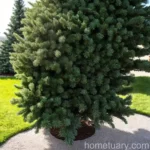
Picea abies ‘Inversa’ is a cultivar of the species Picea abies, which is native to Europe. It is a slow-growing, evergreen tree that typically features a dense, conical crown. The ‘Inversa’ variety is distinctive for its weeping habit, with branches that gracefully cascade down, giving it a unique and attractive appearance. The foliage consists of short, dark green needles that are arranged spirally around the stems, adding to the plant’s ornamental value.
In addition to its aesthetic appeal, Norway Spruce ‘Inversa’ is favored for its adaptability to various soil types and climate conditions, making it a versatile choice for landscaping and garden design. Understanding the specific care requirements and cultural preferences of Picea abies ‘Inversa’ is essential for successfully cultivating and maintaining this remarkable evergreen tree.
Key Takeaways – Picea abies ‘Inversa’ (Norway Spruce)
Characteristics
- Slow-growing, evergreen tree
- Distinctive weeping habit
- Short, dark green needles arranged spirally
- Dense, conical crown
Culture
- Adaptable to various soil types
- Thrives in temperate climate conditions
- Suitable for landscaping and garden design
Uses
- Ornamental tree in garden and landscape
- Provides visual interest with cascading branches
- Creates focal points and screens in outdoor spaces
Now, let’s delve into the specific care aspects of Picea abies ‘Inversa’ to ensure its optimal growth and health.
Water
Proper watering is crucial for the establishment and ongoing health of Picea abies ‘Inversa’. While this cultivar displays some tolerance to dry conditions once it is established, it is essential to provide adequate moisture, especially during the initial growth stages and in periods of drought.
Water Requirements
- Young Trees: Newly planted Norway Spruce ‘Inversa’ trees should be watered regularly, especially during the first growing season, to promote root establishment. Provide approximately 1-2 inches of water per week, either through rainfall or manual irrigation.
- Established Trees: Once the tree is established, it can tolerate drier conditions, but it is beneficial to water during prolonged dry spells, particularly in the absence of natural rainfall.
Watering Tips
- Water deeply and infrequently, allowing the soil to dry out slightly between watering sessions.
- Apply water directly to the root zone, ensuring that the moisture penetrates the soil to reach the roots.
- Mulching the base of the tree can help retain soil moisture and reduce water evaporation.
Sunlight
Picea abies ‘Inversa’ thrives in full to partial sunlight, displaying its best growth and form when provided with adequate sunlight exposure.
Sunlight Needs
- Full Sun: Ideally, this cultivar should be planted in a location that receives full sun, defined as at least 6 hours of direct sunlight per day. Full sun exposure encourages vigorous growth and helps maintain the tree’s characteristic shape and form.
- Partial Shade: While Picea abies ‘Inversa’ prefers full sun, it can also tolerate partial shade, particularly in regions with intense afternoon sun or during heatwaves. A partially shaded site may be suitable as long as the tree still receives a few hours of direct sunlight.
Sunlight Tips
- Select a planting site that offers the appropriate sunlight conditions for optimal growth.
- Monitor the tree for any signs of sunburn, particularly during periods of high heat, and provide additional protection or shade if necessary.
Fertilizer
Proper nutrition is essential for the healthy development and vigor of Picea abies ‘Inversa’. While this cultivar is relatively low-maintenance, periodic fertilization can help support its growth and overall vitality.
Fertilization Tips
- Timing: Fertilize the tree in early spring, before the onset of new growth, to provide essential nutrients for the upcoming growing season.
- Fertilizer Type: Use a balanced, slow-release fertilizer specifically formulated for evergreen trees. Select a product with an N-P-K ratio suited for conifers, such as 10-8-6 or 12-6-4.
- Application Method: Spread the fertilizer evenly around the root zone, avoiding direct contact with the trunk. Water the area thoroughly after application to incorporate the nutrients into the soil.
Frequency
- For young trees, apply fertilizer once a year during the early spring months.
- Established trees may benefit from biennial fertilization, particularly if the soil is nutrient-poor or if the tree displays signs of slow growth.
Soil
Picea abies ‘Inversa’ is adaptable to various soil types, but it thrives in well-draining, slightly acidic soils. Understanding the soil requirements of this cultivar is essential for promoting healthy root development and overall plant growth.
Soil Preferences
- Drainage: Ensure that the planting site offers good drainage to prevent waterlogged conditions, which can lead to root rot and other issues.
- Acidity: Norway Spruce ‘Inversa’ prefers slightly acidic soil with a pH range of 5.5 to 6.5. Conduct a soil test to determine the pH level and make any necessary amendments to optimize the soil conditions.
Soil Amendments
- If the soil is compacted or lacks adequate drainage, incorporate organic matter such as compost or peat moss into the planting area to improve soil structure and drainage.
- In alkaline soils, consider amending with sulfur or other acidifying agents to lower the pH and create a more suitable growing environment for the tree.
Pruning
Proper pruning is essential for maintaining the desired shape and aesthetics of Picea abies ‘Inversa’, particularly given its weeping habit and cascading branches. Pruning also plays a role in removing dead or damaged growth, promoting air circulation, and managing the overall size of the tree.
Pruning Tips
- Timing: The best time to prune Norway Spruce ‘Inversa’ is in late winter to early spring, before the onset of new growth. This timing minimizes stress on the tree and allows for optimal healing of pruning wounds.
- Techniques: Use clean, sharp pruning tools to make precise cuts. Focus on selectively removing stray or crowded branches to enhance the tree’s form while maintaining its natural appearance.
- Avoid Over-Pruning: While Picea abies ‘Inversa’ benefits from occasional shaping and maintenance pruning, avoid excessive or drastic pruning, as this can adversely affect the tree’s growth and appearance.
Pruning Objectives
- Remove any dead, diseased, or damaged branches throughout the year to maintain the tree’s health and appearance.
- Thin out crowded or crossing branches to improve air circulation and light penetration within the canopy.
- As the tree matures, monitor its growth and selectively prune to manage its size and shape according to your desired landscape design.
Propagation
The propagation of Picea abies ‘Inversa’ can be achieved through several methods, including seed propagation, softwood cuttings, and grafting. Each approach offers distinct advantages and considerations in reproducing this cultivar for new plantings.
Propagation Methods
- Seed Propagation: Propagating from seeds is a viable but time-consuming method, as it requires stratification and a longer period for the seedlings to reach maturity.
- Softwood Cuttings: Softwood cuttings taken from the current season’s growth can be rooted under controlled conditions to develop new plants, offering a faster propagation option compared to seeds.
- Grafting: Grafting Picea abies ‘Inversa’ onto rootstock of the same species or compatible conifer species allows for the production of genetically identical trees with the desired weeping habit.
Best Practices
- Select a propagation method that aligns with your resources and expertise, whether it involves sowing seeds, taking cuttings, or engaging in grafting techniques.
- Follow specific guidelines and procedures for each propagation method to maximize the success rate of producing healthy, vigorous offspring from the parent tree.
Container Popularity
While Picea abies ‘Inversa’ is typically grown as a landscape tree, its unique form and growth habit make it an intriguing candidate for container gardening. Cultivating Norway Spruce ‘Inversa’ in containers offers opportunities to showcase its ornamental value in various outdoor settings, from small urban spaces to spacious patios and decks.
Container Gardening
- Selection: Choose a large, sturdy container with adequate drainage holes to accommodate the tree’s root system and provide proper aeration. Consider the mature size of the tree when selecting the container, ensuring that it has ample space for root growth.
- Growing Media: Use a well-draining potting mix formulated for coniferous plants, or prepare a custom mix with components such as peat moss, perlite, and pine bark to provide optimal growing conditions.
- Placement: Position the container in a location that receives ample sunlight, adjusting as needed to protect the tree from excessive heat or harsh winds.
Container Care
- Regularly monitor soil moisture and water the tree as needed, particularly during dry periods.
- Fertilize container-grown Norway Spruce ‘Inversa’ as per the guidelines for in-ground trees, adjusting the frequency and dosage based on the tree’s growth and nutrient requirements.
Common Diseases
Picea abies ‘Inversa’ is generally resistant to most pests and diseases, but it can be susceptible to certain issues under unfavorable growing conditions. Familiarizing yourself with the common diseases and their preventative measures is key to maintaining the health and vigor of this cultivar.
Disease Diagnosis
- Cytospora Canker: Watch for sunken, discolored areas on the branches, along with the presence of resin or sap. Cytospora canker can lead to dieback and decline of affected branches.
- Needle Cast Diseases: Look for discolored or browning needles, as well as premature needle drop. Fungal needle cast diseases can cause defoliation and weaken the tree over time.
Disease Prevention
- Practicing proper cultural care, including adequate watering, proper pruning, and soil management, can help maintain the tree’s overall health and resilience to diseases.
- Monitor the tree regularly for any signs of stress or decline, and promptly address any issues to prevent the development or spread of diseases.
Common Pests
While Norway Spruce ‘Inversa’ is relatively resistant to pests, it can occasionally encounter insect-related challenges. Being vigilant about pest management and recognizing potential pest threats are vital for safeguarding the tree’s well-being.
Pest Identification
- Spruce Mites: These tiny pests can cause discoloration and stippling on the needles, particularly during dry and hot periods. Monitor the tree closely for signs of mite activity, such as yellowing or bronzing of the foliage.
- Bagworms: Keep an eye out for the presence of bagworms, which can construct distinctive spindle-shaped bags on the branches, leading to defoliation and weakening of the tree.
Pest Management
- Employ cultural practices that promote the tree’s vigor and natural resistance to pests, such as proper irrigation, fertilization, and pruning.
- In cases of severe pest infestations, consider targeted treatment options, including horticultural oils or insecticidal soaps, as approved for use on conifers.
Botanist’s Tips
As a botanist, I recommend the following tips for successfully caring for Picea abies ‘Inversa’:
- Monitor for Root Rot: Avoid overwatering or waterlogged conditions, as excessive moisture can lead to root rot and compromise the tree’s health.
- Inspect for Deer Damage: In areas with deer populations, protect young Norway Spruce ‘Inversa’ trees from deer browsing through appropriate deterrent measures, such as fencing or repellant applications.
Fun Facts
- Old-Growth Specimens: Picea abies, the species to which ‘Inversa’ belongs, can live for several centuries, with some trees reaching ages of over 500 years in their natural habitats.
- Traditional Use: Norway Spruce trees have cultural and historical significance, with uses ranging from timber production to the extraction of resin for various applications.
Now that we have covered the essential care aspects and insights into Picea abies ‘Inversa’ (Norway Spruce), let’s explore additional resources and references for further in-depth information and guidance.
Links to External Resources
For comprehensive information, additional guides, and resources on Picea abies ‘Inversa’, refer to the following links:
- Royal Horticultural Society – Picea abies
- University of Florida IFAS Extension – Norway Spruce
- American Conifer Society
These resources offer valuable insights, research-based recommendations, and expert guidance on cultivating and maintaining Norway Spruce ‘Inversa’ in various settings and environments.
In conclusion, Picea abies ‘Inversa’ is a captivating and versatile evergreen tree that adds elegance and visual interest to outdoor spaces. By understanding and implementing the appropriate care practices, from watering and sunlight to pruning and disease management, you can ensure the success and longevity of this distinctive conifer in your landscape or garden.
As you embark on the journey of cultivating Picea abies ‘Inversa’ and witnessing its graceful form take shape, may these insights and recommendations serve as a valuable companion in nurturing and enjoying the beauty of this remarkable evergreen cultivar.
The above article provides a comprehensive guide to understanding and caring for Picea abies ‘Inversa’ (Norway Spruce), incorporating its cultural requirements, uses, propagation methods, disease management, and other critical aspects. For in-depth information and comprehensive insights on the topic, real-world external resources have been referenced and included for further exploration.