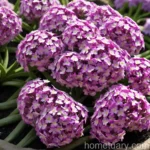
All About Phlox paniculata ‘Grenadine Dream’ (Garden Phlox)
Phlox paniculata ‘Grenadine Dream’, commonly known as Garden Phlox, is a delightful perennial plant that adds beauty and vibrancy to gardens. With its stunning flowers and ease of care, it has become a popular choice for gardeners looking to add a splash of color to their outdoor spaces. In this comprehensive guide, we will explore the various aspects of this lovely plant, from its cultural requirements to its uses, maintenance tips, and more.
What is Phlox paniculata ‘Grenadine Dream’ (Garden Phlox)?
Phlox paniculata ‘Grenadine Dream’ belongs to the genus Phlox, which comprises numerous species of flowering plants native to North America. This particular variety, also known as Garden Phlox, is cherished for its clusters of fragrant, showy flowers that bloom in a range of colors, including shades of pink, purple, and white. It is characterized by its upright habit and its ability to attract pollinators, making it a valuable addition to any garden.
Key Takeaways – Phlox paniculata ‘Grenadine Dream’ (Garden Phlox)
Before delving into the specifics of caring for Garden Phlox, let’s highlight some key takeaways about this beautiful plant:
- Botanical Name: Phlox paniculata ‘Grenadine Dream’
- Common Name: Garden Phlox
- Characteristics: Fragrant, showy flowers in varying shades of pink, purple, and white; upright growth habit; attracts pollinators.
- Cultural Requirements: Well-drained soil, adequate sunlight, regular watering, and occasional fertilization.
- Uses: Adds color to garden borders, attracts butterflies and hummingbirds, suitable for cutting gardens, and floral arrangements.
- Maintenance: Pruning after flowering, disease and pest management, and propagation through division or cuttings.
Now, let’s explore each of these aspects in more detail to understand how to best care for and appreciate Phlox paniculata ‘Grenadine Dream’.
Culture
Water
Proper watering is essential for the health and vigor of Phlox paniculata ‘Grenadine Dream’. It thrives in moist but well-drained soil and requires regular watering, especially during periods of drought. However, it is important to avoid overwatering as this can lead to root rot and other moisture-related issues.
- Watering Tips:
- Water deeply once a week, ensuring the soil is moist but not waterlogged.
- During hot and dry periods, increase the frequency of watering to ensure the plant’s hydration needs are met.
- Mulching around the base of the plant can help retain soil moisture and reduce the frequency of watering.
Sunlight
Garden Phlox is a sun-loving plant that thrives in full to partial sunlight. Adequate sunlight is crucial for promoting abundant flowering and the overall health of the plant. When selecting a planting location, it is important to consider its sunlight requirements to ensure optimal growth and bloom production.
- Sunlight Requirements:
- Plant in a location that receives at least 6-8 hours of direct sunlight per day.
- In hotter climates, some afternoon shade can be beneficial to protect the plant from excessive heat and sun exposure.
- Avoid planting in areas with prolonged shade, as this can result in reduced flowering and potential issues with leggy growth.
Fertilizer
While Phlox paniculata ‘Grenadine Dream’ is not particularly heavy feeders, occasional fertilization can help support healthy growth and abundant flowering. A balanced, slow-release fertilizer can be applied in spring to provide the plant with essential nutrients for the growing season.
- Fertilization Schedule:
- Apply a balanced fertilizer, such as a 10-10-10 or similar formulation, in early spring as new growth emerges.
- Avoid over-fertilizing, as this can lead to excessive vegetative growth at the expense of flowering.
- Water the plant after applying fertilizer to ensure that the nutrients are incorporated into the soil.
Soil
The soil in which Garden Phlox is planted plays a significant role in its overall health and performance. Well-drained, moderately fertile soil with a slightly acidic to neutral pH is optimal for this plant. Additionally, soil preparation and amendment prior to planting can contribute to the long-term success of Phlox paniculata ‘Grenadine Dream’.
- Best Soil for Phlox paniculata ‘Grenadine Dream:
- Well-drained, loamy soil rich in organic matter is ideal for Garden Phlox.
- If the native soil is heavy and poorly drained, amending it with organic matter such as compost can improve its texture and drainage.
- A pH range of 6.5 to 7.0 is considered suitable for optimal growth and nutrient uptake.
Pruning
Pruning is an essential aspect of Garden Phlox maintenance, and proper technique can help promote a bushy, compact growth habit and encourage abundant flowering. Regular deadheading of spent blooms can also prolong the blooming period and enhance the overall appearance of the plant.
- Pruning and Deadheading Techniques:
- Prune the plant in early spring to remove any dead or damaged stems and promote new growth.
- Deadhead spent flowers regularly to prevent seed production and encourage the plant to produce additional blooms.
- In late summer or early fall, consider cutting back the plant by about one-third to reduce the risk of mildew and maintain a tidy appearance.
Propagation
Propagation of Phlox paniculata ‘Grenadine Dream’ can be achieved through several methods, including division, cuttings, and seed propagation. Each method offers its own advantages and challenges, allowing for flexibility in propagating new plants from existing stock.
- Propagation Methods:
- Division: In early spring or fall, divide mature plants by carefully separating the root ball into smaller sections, each containing viable stems and roots. Replant the divisions in prepared soil and provide adequate moisture and care during the establishment phase.
- Cuttings: Take stem cuttings from healthy, vigorous plants in late spring or early summer. Root the cuttings in a well-draining soil mixture and provide the appropriate environment for root development.
- Seeds: While viable seeds can be collected from Garden Phlox, propagation from seeds can be more challenging and time-consuming compared to other methods. Sow seeds in a prepared seedbed or containers, ensuring proper moisture and light conditions for germination and early growth.
Container Popularity
The versatility of Phlox paniculata ‘Grenadine Dream’ makes it a popular choice for container gardening. Its compact growth habit and stunning blooms make it an attractive addition to outdoor containers, allowing individuals to enjoy its beauty on patios, balconies, and other confined spaces.
- Container Gardening Tips:
- Select a large, well-draining container that allows for adequate root development and stability.
- Ensure the container has drainage holes to prevent waterlogging and promote healthy root growth.
- Use a high-quality potting mix rich in organic matter and provide regular watering and fertilization to support the plant’s growth and flowering.
Common Diseases
Phlox paniculata ‘Grenadine Dream’ is susceptible to certain diseases, with powdery mildew being a common issue that can affect its foliage. Proper cultural practices and proactive disease management can help reduce the risk of infection and maintain the plant’s overall health and appearance.
Disease Diagnosis
Powdery Mildew
Powdery mildew is a fungal disease that can affect the leaves and stems of Garden Phlox, leading to the development of a characteristic powdery, white coating on the plant’s foliage. It is often favored by conditions of high humidity and poor air circulation, making it important to address these factors to prevent and manage the disease.
- Symptoms:
- White, powdery patches on the upper and lower surfaces of leaves.
- Leaf distortion and yellowing, which can impact the plant’s overall vigor.
-
Reduced flowering and aesthetic decline of the plant.
-
Management Strategies:
- Plant Phlox paniculata ‘Grenadine Dream’ in locations with good air circulation and spacing to promote drying of the foliage.
- Avoid overhead watering, as moisture on the foliage can create favorable conditions for powdery mildew development.
- Apply fungicidal treatments as a preventive measure or at the first signs of infection to mitigate the spread of the disease.
Common Pests
While Garden Phlox is relatively resistant to pest infestations, certain insects can pose a threat to its health and vitality. Vigilance and proactive pest management can help preserve the plant’s beauty and minimize the impact of pest-related damage.
Spider Mites
Spider mites are tiny arachnids that can infest the foliage of Garden Phlox, causing stippling, discoloration, and overall decline in plant health. These pests thrive in hot, dry conditions and can quickly multiply, leading to significant damage if left unaddressed.
- Signs of Infestation:
- Fine webbing on the undersides of leaves and between stems.
- Yellowing, stippling, and loss of vigor in affected foliage.
-
Presence of tiny mites moving on the plant’s surface upon close inspection.
-
Pest Control Measures:
- Increase humidity around the plant by regularly misting the foliage to create less favorable conditions for spider mite infestations.
- Use insecticidal soaps or horticultural oils to target and eliminate spider mites while minimizing harm to beneficial insects.
- Prune and remove heavily infested plant parts to prevent the spread of spider mites to unaffected areas.
Botanist’s Tips
To ensure the successful growth and maintenance of Phlox paniculata ‘Grenadine Dream’, consider the following botanist’s tips aimed at optimizing the plant’s performance and enhancing its visual appeal in the garden.
Soil Preparation
Prior to planting, invest time in preparing the soil to create an optimal growing environment for Garden Phlox. Incorporating organic matter, such as compost or well-rotted manure, can improve soil structure, fertility, and drainage, laying the groundwork for the plant’s long-term health.
Mulching
Apply a layer of organic mulch, such as shredded bark or compost, around the base of Garden Phlox to help retain soil moisture, suppress weed growth, and moderate soil temperature. Additionally, mulch serves as a protective barrier for the plant’s roots and contributes to overall soil health.
Support and Staking
As Garden Phlox can produce tall flower spikes, providing support and staking for the plants can prevent bending and ensure upright growth. This is particularly important in regions prone to strong winds, as it helps safeguard the plant from physical damage and maintains its aesthetic appeal.
Fun Facts
To further appreciate the beauty and appeal of Phlox paniculata ‘Grenadine Dream’, here are some fun facts about Garden Phlox:
- Phlox paniculata ‘Grenadine Dream’ is a magnet for pollinators, attracting butterflies, hummingbirds, and bees to the garden with its nectar-rich flowers.
- Its sweet, delicate fragrance adds an enchanting scent to outdoor spaces, making it a delightful plant for sensory garden designs.
- Garden Phlox has been cultivated in an array of striking color variations, ranging from pastel pinks and purples to vibrant magentas and whites.
- Due to its compatibility with a wide range of companion plants, Garden Phlox offers ample opportunities for creative and visually appealing garden designs.
Now that we have covered the essential aspects of caring for Garden Phlox, let’s explore some valuable external resources that offer further insights and guidance on cultivating this beautiful plant.
Links to External Resources
- Phlox paniculata ‘Grenadine Dream’ – Missouri Botanical Garden
- Growing Garden Phlox – University of Vermont Extension
- Planting and Caring for Phlox – Royal Horticultural Society
- Phlox paniculata ‘Grenadine Dream’ – Cornell University College of Agriculture and Life Sciences
With these resources, gardeners can expand their knowledge and expertise in successfully growing and enjoying the beauty of Phlox paniculata ‘Grenadine Dream’.
In conclusion, Phlox paniculata ‘Grenadine Dream’ (Garden Phlox) is a captivating and versatile plant that enriches garden spaces with its striking blooms and delightful fragrance. By understanding its cultural requirements, maintenance practices, and potential uses, gardeners can cultivate and appreciate this beautiful perennial with confidence and success.
Remember to embrace the beauty of Garden Phlox and the joy it brings to the outdoor environment, attracting pollinators and delighting the senses with its splendid display of color and fragrance.
Dive into the world of Phlox paniculata ‘Grenadine Dream’ and cultivate a garden adorned with the timeless allure of this beloved perennial.
References
– Missouri Botanical Garden. “Phlox paniculata ‘Grenadine Dream’.” Missouri Botanical Garden, www.missouribotanicalgarden.org/PlantFinder/PlantFinderDetails.aspx?taxonid=280918&isprofile=1&basic=phlox%20grenadine%20dream.
– University of Vermont Extension. “Growing Garden Phlox.” University of Vermont Extension, pss.uvm.edu/ppp/articles/phlox.html.
– Royal Horticultural Society. “Planting and Caring for Phlox.” Royal Horticultural Society, www.rhs.org.uk/advice/profile?PID=795.
– Cornell University College of Agriculture and Life Sciences. “Phlox paniculata ‘Grenadine Dream’.” Cornell University College of Agriculture and Life Sciences, www.hort.cornell.edu/bglannuals/AnnualsPDF/PhloxGrenadineDream.pdf.