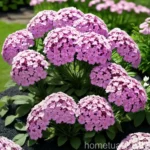
Phlox subulata ‘Red Wings’ (Creeping Phlox): A Versatile and Stunning Groundcover
Plants are not only essential for our survival but also add beauty and tranquility to our surroundings. Among the vast array of plant species, Phlox subulata ‘Red Wings’, commonly known as Creeping Phlox, stands out as a versatile and stunning groundcover. In this comprehensive guide, we will delve into the characteristics, cultivation, and various uses of this wonderful plant, along with tips and best practices to help you grow and maintain it successfully.
What is Phlox subulata ‘Red Wings’?
Phlox subulata ‘Red Wings’ is a low-growing, spreading perennial plant that belongs to the Polemoniaceae family. It is native to the eastern and central regions of the United States. The common name “Creeping Phlox” is derived from its characteristic spreading growth habit, making it an ideal groundcover plant. The specific epithet “subulata” refers to the awl-shaped leaves of the plant. The variety name ‘Red Wings’ is indicative of the vibrant and eye-catching red flowers that adorn this cultivar.
Key Takeaways – Phlox subulata ‘Red Wings’ (Creeping Phlox)
Before we dive into the details of cultivating and caring for Phlox subulata ‘Red Wings’, let’s take a quick look at the key takeaways:
- Plant Name: Phlox subulata ‘Red Wings’ (Creeping Phlox)
- Characteristics: Low-growing, spreading habit; vibrant red flowers; evergreen foliage.
- Cultivation: Well-drained soil; full sun to partial shade; moderate water requirements.
- Uses: Groundcover, border plant, rock gardens, containers, erosion control, landscaping.
Now, let’s explore each aspect of this plant in detail, starting with its cultural requirements.
Culture
Cultivating and caring for Phlox subulata ‘Red Wings’ requires an understanding of its specific cultural needs. By providing the right growing conditions, you can ensure the optimal health and growth of this beautiful plant.
Uses
Phlox subulata ‘Red Wings’ offers a myriad of uses in various landscaping and gardening applications. Its versatility and stunning visual appeal make it a popular choice for different purposes. Some common uses of this plant include:
- Groundcover
- Border plant
- Rock gardens
- Containers
- Erosion control
Water
Watering Requirements: Phlox subulata ‘Red Wings’ prefers moderate moisture levels. It is important to provide regular watering, especially during dry periods, to promote healthy growth and vibrant blooms. However, it is crucial to avoid overwatering, as excessive moisture can lead to root rot and other issues.
Sunlight
Sun Requirements: This plant thrives in full sun to partial shade. When grown in full sun, it tends to produce more abundant blooms and maintains a compact growth habit. In regions with hot summers, providing some afternoon shade can help protect the plant from excessive heat and prevent leaf scorching.
Fertilizer
Fertilization: Phlox subulata ‘Red Wings’ benefits from a balanced, slow-release fertilizer applied in early spring. A fertilization regimen that includes a high-phosphorus fertilizer can promote vigorous blooming and overall plant health. However, it is important to follow the recommended application rates to avoid excessive fertilization, which can lead to excessive foliage growth at the expense of flowers.
Soil
Soil Requirements: Well-drained soil is essential for the successful cultivation of Phlox subulata ‘Red Wings’. It thrives in slightly acidic to neutral soil with good drainage. Amending the soil with organic matter, such as compost or well-rotted manure, can help improve soil structure and fertility, providing an ideal growing medium for this plant.
Pruning
Pruning Practices: Pruning Phlox subulata ‘Red Wings’ primarily involves deadheading spent flowers to promote continuous blooming and maintain a tidy appearance. Additionally, light shearing of the plant after the initial flowering period can help encourage new growth and rejuvenate the plant’s appearance. It is important to avoid cutting back into old wood, as this can affect the plant’s ability to produce new growth.
Propagation
Propagation Methods: Creeping Phlox can be propagated through division or stem cuttings. Division is typically conducted in early spring or early fall, during the plant’s active growth periods. Stem cuttings can be taken in late spring or early summer and rooted in a well-draining medium to establish new plants. Both methods can yield successful propagation results when executed with proper care and attention.
Container Popularity
Container Gardening: Phlox subulata ‘Red Wings’ is well-suited for container gardening, where its compact growth habit and vibrant blooms can add visual interest to patio areas, balconies, and outdoor living spaces. When grown in containers, it is important to ensure adequate drainage and provide proper care to maintain the plant’s health and vigor.
Common Diseases
Disease Resistance: Phlox subulata ‘Red Wings’ exhibits good resistance to many common plant diseases. However, it is susceptible to issues such as powdery mildew, which can occur under conditions of high humidity and poor air circulation. Proper spacing, adequate sunlight, and good airflow can help minimize the risk of disease development.
Disease Diagnosis
Identifying Diseases: When diagnosing potential diseases in Phlox subulata ‘Red Wings’, it is important to inspect the plant for symptoms such as powdery white patches on the leaves, which are indicative of powdery mildew. Additionally, any signs of abnormal discoloration, wilting, or unusual growth patterns should be carefully observed and diagnosed to implement appropriate treatment measures.
Common Pests
Pest Management: While Creeping Phlox is relatively resistant to pest infestations, it can occasionally face issues with aphids, spider mites, and other common garden pests. Regular monitoring of the plant for pest activity, along with prompt intervention using environmentally friendly pest control methods, can help mitigate potential pest damage and protect the plant’s vitality.
Botanist’s Tips
As a botanist, I’ve had the privilege of studying and cultivating a wide variety of plant species, including Phlox subulata ‘Red Wings’. Based on my experience and expertise, here are some valuable tips for growing and maintaining this exceptional plant:
- Choose a well-drained planting site to prevent waterlogged conditions, which can be detrimental to the plant’s health.
- Provide sufficient spacing between individual plants to allow for proper air circulation and minimize the risk of disease development.
- Monitor the plant for signs of stress, such as wilting or discoloration, and take proactive measures to address any underlying issues.
- Consider incorporating Creeping Phlox into mixed plantings to create dynamic and visually appealing landscapes.
Fun Facts
In addition to its remarkable beauty and garden value, Phlox subulata ‘Red Wings’ has some interesting and lesser-known characteristics that make it an intriguing plant to cultivate. Here are a few fun facts about this captivating groundcover:
- The name “Phlox” is derived from the Greek word for “flame,” which is a reference to the vibrant colors of the plant’s flowers.
- Creeping Phlox is known for its ability to attract pollinators such as butterflies, bees, and hummingbirds, making it a valuable addition to wildlife gardens.
- The evergreen foliage of Phlox subulata ‘Red Wings’ provides year-round visual interest, adding structure and color to garden landscapes even outside the blooming season.
- This plant is often used for erosion control on slopes and embankments, where its spreading growth habit helps stabilize the soil and prevent runoff.
Links to External Resources
For further information and resources on Phlox subulata ‘Red Wings’ and related topics, you may find the following links helpful:
- University of Maryland Extension: Growing Phlox subulata
- The American Phytopathological Society: Common Diseases of Phlox
- North Carolina State University Extension: Insect Pests of Ornamental Plants
- Royal Horticultural Society: Propagating Phlox by Division
- Missouri Botanical Garden: Tips for Growing Groundcover Plants
By exploring these resources, you can expand your knowledge and skills in cultivating and caring for Creeping Phlox, as well as gain insights into related topics such as disease management, pest control, and propagation techniques.
In conclusion, Phlox subulata ‘Red Wings’ (Creeping Phlox) stands out as a versatile and visually striking plant that offers numerous benefits for landscaping and garden design. By understanding its specific cultural requirements, uses, and maintenance practices, you can unlock the full potential of this remarkable groundcover and create captivating outdoor spaces enriched by its vibrant blooms and evergreen foliage. Whether used as a groundcover, border plant, or container specimen, Phlox subulata ‘Red Wings’ adds an enchanting touch to gardens and landscapes, making it a valuable asset for plant enthusiasts and gardeners alike.