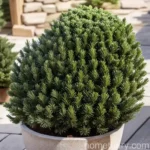
Picea abies ‘Little Gem’ (Norway Spruce)
Picea abies ‘Little Gem’, commonly known as Norway spruce, is a beautiful and versatile evergreen tree that has gained popularity in landscaping and garden design. Its compact size, slow growth, and ornamental features make it a favorite among gardeners and landscapers. This article will provide an in-depth look at the characteristics, care tips, cultivation, and uses of Picea abies ‘Little Gem’ to help you make the most of this stunning tree in your outdoor spaces.
What is Picea abies ‘Little Gem’?
Picea abies ‘Little Gem’ is a cultivar of the Norway spruce, a species of evergreen conifer native to Northern, Central, and Eastern Europe. This dwarf variety is prized for its compact size, dense foliage, and graceful, pyramid-shaped form. It belongs to the Pinaceae family and is a popular choice for gardens, parks, and commercial landscapes.
Key Takeaways – Picea abies ‘Little Gem’ (Norway Spruce)
Before delving into the details of caring for Picea abies ‘Little Gem’, let’s highlight some key points about this charming evergreen tree:
- Plant Type: Evergreen tree
- Scientific Name: Picea abies ‘Little Gem’
- Common Name: Norway spruce ‘Little Gem’
- Mature Height: 5 to 8 feet
- Mature Spread: 3 to 5 feet
- Growth Rate: Slow
- Sunlight: Full sun to partial shade
- Watering Needs: Moderate
- Soil Type: Well-draining, acidic
- USDA Hardiness Zones: 3-7
- Uses: Hedge, specimen tree, ornamental landscaping
- Container Friendly: Yes
Now that we have an overview of Picea abies ‘Little Gem’, let’s explore the specific aspects of its care and cultivation.
Culture
Water
Picea abies ‘Little Gem’ requires regular watering, especially during its establishment phase. Once established, it is tolerant of drought conditions, but consistent moisture is still beneficial for its health and growth. Ensure that the soil is well-draining to prevent waterlogged conditions, which can lead to root rot.
Watering Frequency:
– Establishment Phase: Water deeply 2-3 times per week during dry periods.
– Mature Trees: Water deeply once every 1-2 weeks during prolonged dry spells.
Sunlight
This dwarf variety of Norway spruce thrives in full sun to partial shade. While it can tolerate some shade, providing it with adequate sunlight will promote dense, healthy growth and vibrant foliage. When grown in partial shade, ensure that the tree still receives several hours of direct sunlight each day.
Sunlight Requirements:
– Full Sun: 6-8 hours of direct sunlight per day.
– Partial Shade: 4-6 hours of direct sunlight per day.
Fertilizer
Proper fertilization is essential for maintaining the vigor and appearance of Picea abies ‘Little Gem’. An annual application of a balanced, slow-release fertilizer formulated for acid-loving plants will provide the essential nutrients for robust growth and lush foliage.
Fertilizer Application:
– Timing: Apply fertilizer in early spring before new growth emerges.
– Amount: Follow the manufacturer’s recommendations based on the tree’s size and age.
– Method: Spread the fertilizer evenly on the soil surface, avoiding direct contact with the trunk.
Soil
Picea abies ‘Little Gem’ thrives in well-draining, acidic soil. It is important to ensure that the soil pH is within the optimal range for the tree to efficiently uptake nutrients from the soil. A slightly acidic soil pH between 5.5 and 6.5 is ideal for this evergreen.
Soil Requirements:
– pH Range: 5.5-6.5
– Composition: Well-draining, loamy soil with good aeration.
– Amendments: Organic matter such as compost or peat moss can be added to improve soil structure and acidity if needed.
Pruning
Pruning is an important aspect of maintaining the attractive form and density of Picea abies ‘Little Gem’. Regular pruning can help remove dead or damaged branches, maintain a compact shape, and enhance air circulation within the canopy.
Pruning Tips:
– Timing: Prune in late winter or early spring before new growth begins.
– Tools: Use sharp, clean pruning shears or loppers for precise cuts.
– Technique: Remove dead, diseased, or crossing branches, and lightly shape the tree as needed.
– Caution: Avoid heavy pruning, as Norway spruce does not regenerate foliage on old wood.
Propagation
Picea abies ‘Little Gem’ can be propagated through several methods, including seed sowing, cuttings, and grafting. Each method has its own requirements and success rates, allowing gardeners and nurseries to propagate this desirable cultivar for landscaping and ornamental purposes.
Propagation Methods:
– Seed Sowing: Collect and sow fresh seeds in a seed-starting mix in early spring and provide the necessary conditions for germination.
– Cuttings: Take semi-hardwood cuttings in summer and root them in a moist, well-draining medium to produce new plants.
– Grafting: Use specialized techniques to graft Picea abies ‘Little Gem’ onto suitable rootstocks to ensure uniform growth and desired traits.
Container Popularity
Picea abies ‘Little Gem’ is well-suited for container cultivation, making it a popular choice for urban gardens, patios, and small outdoor spaces. Its compact size, slow growth, and ornamental appeal make it an excellent candidate for adding greenery and visual interest to container gardens and landscape designs.
Container Considerations:
– Size: Choose a container that accommodates the tree’s mature size and allows for adequate root development.
– Drainage: Ensure that the container has drainage holes to prevent waterlogging.
– Soil: Use a well-draining potting mix formulated for acid-loving plants.
– Placement: Position the container in a location that provides the necessary sunlight and shelter from harsh winds.
Common Diseases
Picea abies ‘Little Gem’ is generally resilient to most diseases, but it can be susceptible to certain fungal infections and environmental stressors. Being proactive in maintaining proper cultural practices and promptly addressing any signs of disease can help in preventing and managing common issues that may affect the tree’s health.
Disease Diagnosis
Common diseases that may affect Picea abies ‘Little Gem’ include:
- Needle Cast: Characterized by browning and premature shedding of needles, often caused by fungal pathogens such as Rhizosphaera or Stigmina.
- Canker Diseases: Result in sunken, discolored areas on the bark, often caused by fungal pathogens that enter through wounds or stressed areas on the tree.
- Root Rot: Caused by waterlogged soil and poorly draining conditions, leading to root damage and decline in the tree’s health.
- Rust Diseases: Manifest as orange, yellow, or brown pustules on the needles and can cause defoliation if left untreated.
Early diagnosis of these diseases is crucial for implementing appropriate management strategies and preventing the spread of infections to other plants in the vicinity.
Common Pests
While Picea abies ‘Little Gem’ is relatively resistant to pests, certain insects can pose a threat to its health and appearance. Being aware of the potential pests and their characteristic signs can aid in timely intervention and protection of the tree from infestations.
Pest Identification
Notable pests that may affect Picea abies ‘Little Gem’ include:
- Spruce Spider Mites: These tiny arachnids can cause stippling and discoloration of the needles, leading to a weakened and unattractive appearance of the tree.
- Adelgids: Soft-bodied insects that can cause needle discoloration and deformation, particularly on new growth.
- Spruce Gall Adelgids: Cause the formation of abnormal growths or galls on the new shoots, affecting the tree’s aesthetic appeal.
Regular monitoring of the tree’s foliage and prompt action upon detecting pest activity can help in effectively managing infestations and minimizing potential damage.
Botanist’s Tips
As a plant scientist, I would like to offer the following additional tips and insights for successfully cultivating and caring for Picea abies ‘Little Gem’:
- Soil Testing: Conduct a soil test prior to planting to assess the pH and nutrient levels, and make any necessary amendments to create an optimal growing environment for the tree.
- Mulching: Apply a layer of organic mulch around the base of the tree to conserve soil moisture, regulate soil temperature, and suppress weed growth.
- Winter Protection: In regions with harsh winters, consider providing winter protection for young trees to shield them from desiccating winds and extreme cold.
- Companion Planting: Select companion plants that complement the size, form, and color of Picea abies ‘Little Gem’ while also considering their cultural requirements and spatial compatibility.
Fun Facts
- The Norway spruce (Picea abies) is the tallest and fastest-growing conifer in Europe, with some specimens reaching heights of over 200 feet.
- Picea abies ‘Little Gem’ is an excellent choice for small gardens, rockeries, and Japanese-style gardens due to its compact size and graceful form.
- The aromatic foliage of Norway spruce has been used in traditional medicine and aromatherapy for its therapeutic properties.
Links to External Resources
Here are some reliable external resources for further information on Picea abies ‘Little Gem’ and related topics:
- Planting and Care of Picea abies (Norway Spruce)
- Integrated Pest Management for Conifers
- Container Gardening Basics
By following these resources, gardeners and enthusiasts can expand their knowledge and expertise in cultivating and maintaining Picea abies ‘Little Gem’ and other coniferous trees.
In conclusion, Picea abies ‘Little Gem’ is a captivating and versatile evergreen tree that enriches outdoor spaces with its year-round beauty and low-maintenance nature. By understanding its cultural needs, uses, and potential challenges, individuals can foster healthy, thriving specimens that contribute to the aesthetic appeal of gardens, landscapes, and urban environments. Whether planted as a specimen tree, used in container gardens, or incorporated into mixed borders, the charm of Picea abies ‘Little Gem’ is sure to captivate and inspire all who encounter it.
Remember, as with any plant, it’s always important to consult with local experts or extension services to ensure that your specific climate and growing conditions are suitable for Picea abies ‘Little Gem’ before planting.
Happy gardening!
Now that you have all these details about the Norway Spruce it will be easy to make decisions based on facts. Have fun planting!