Phlox paniculata ‘Robert Poore’ (Garden Phlox): A Comprehensive Guide
Introduction
Phlox paniculata ‘Robert Poore’, commonly known as Garden Phlox ‘Robert Poore’, is a stunning perennial cultivar that has captured the hearts of many gardeners. Known for its beautiful clusters of vibrant flowers and its ability to attract pollinators, this variety has become a popular choice for gardens, borders, and containers.
In this extensive guide, we will delve into the various aspects of Phlox paniculata ‘Robert Poore’, including its cultural requirements, uses, care tips, and much more. Whether you are a seasoned gardener or a beginner looking to enhance your green space, this article aims to provide you with all the essential information you need to cultivate and appreciate this remarkable plant.
What is Phlox paniculata ‘Robert Poore’ (Garden Phlox)?
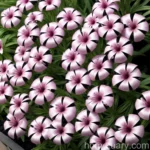
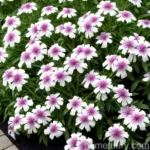
Phlox paniculata ‘Robert Poore’ is a cultivar of the species Phlox paniculata, which is a member of the Polemoniaceae family. Like other members of the Phlox genus, this plant is renowned for its profusion of fragrant, star-shaped flowers that bloom in captivating shades of pink, lavender, and white. ‘Robert Poore’ is valued for its upright growth habit, reaching heights of 30 to 40 inches, and its long-lasting blooms that grace the garden from midsummer to early fall.
This cultivar was named after Robert Poore, a renowned plant collector and horticulturist, to honor his contributions to the world of gardening. It has gained popularity not only for its aesthetic appeal but also for its ability to thrive in a variety of growing conditions and its low maintenance requirements.
Key Takeaways – Phlox paniculata ‘Robert Poore’ (Garden Phlox)
Before delving into the specifics of cultivating Garden Phlox ‘Robert Poore’, let’s take a quick look at the essential takeaways associated with this captivating plant.
- Botanical Name: Phlox paniculata ‘Robert Poore’
- Common Name: Garden Phlox ‘Robert Poore’
- Height: 30 to 40 inches
- Bloom Time: Midsummer to early fall
- Flower Colors: Pink, lavender, white
- Growing Conditions: Full sunlight, well-drained soil
- Uses: Borders, cottage gardens, cutting flower arrangements
- Special Features: Fragrant blooms, attracts butterflies and hummingbirds
- Maintenance: Low maintenance, disease-resistant
Now that we have a brief overview of Phlox paniculata ‘Robert Poore’, let’s explore the various facets of this cultivar in more detail.
Cultural Requirements
Water
Proper watering is essential for the health and vitality of Phlox paniculata ‘Robert Poore’. While this cultivar exhibits some tolerance to dry conditions, it thrives best when provided with consistent moisture. During the growing season, it is advisable to water the plant regularly, ensuring that the soil remains evenly moist but not waterlogged.
Tip: Water the plant at the base to avoid wetting the foliage, as this can help prevent the onset of foliar diseases.
Sunlight
Garden Phlox ‘Robert Poore’ flourishes in full sunlight, and it is important to provide it with at least 6 to 8 hours of direct sunlight per day for optimal growth and abundant flowering. In regions with hot summers, some afternoon shade may be beneficial to protect the plant from intense heat, particularly during the peak of summer.
Soil
The soil conditions play a pivotal role in the overall health and performance of Phlox paniculata ‘Robert Poore’. This cultivar thrives in well-drained, fertile soils with a slightly acidic to neutral pH. Amending the soil with organic matter, such as compost or well-rotted manure, can enhance its texture and fertility, promoting robust growth and prolific blooming.
Fertilizer
Fertilizing Garden Phlox ‘Robert Poore’ can help support its vigor and flowering capacity. In early spring, before the onset of new growth, apply a balanced, slow-release fertilizer according to the manufacturer’s recommendations. Avoid over-fertilization, as this can lead to excessive foliage at the expense of blooms.
Pruning
Pruning plays a crucial role in maintaining the health and appearance of Phlox paniculata ‘Robert Poore’. In late fall or early spring, it is advisable to remove any dead or diseased stems and spent flower heads. Additionally, trimming the stems back by approximately one-third can encourage bushier growth and promote the development of new, vigorous shoots.
Tip: When deadheading Phlox paniculata ‘Robert Poore’, ensure that you remove the faded blooms to prevent the plant from diverting its energy into seed production, thereby prolonging the blooming period.
Propagation
Phlox paniculata ‘Robert Poore’ can be propagated through division, typically in early spring or early fall. To divide the plant, carefully dig up the clump and separate the healthy, robust segments, ensuring that each division has a good root system. Replant the divisions in prepared soil, water them thoroughly, and provide appropriate care to facilitate their establishment.
Container Popularity
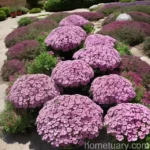
While Garden Phlox ‘Robert Poore’ is commonly grown in garden beds and borders, it also thrives in containers, adding a delightful burst of color and fragrance to patios, balconies, and outdoor living spaces. When cultivating this cultivar in containers, ensure that the pots have adequate drainage and use a high-quality potting mix to provide the plant with the necessary nutrients and aeration.
Common Diseases and Pest Management
Common Diseases
Garden Phlox ‘Robert Poore’ exhibits good resistance to many common diseases; however, certain environmental conditions can predispose it to fungal diseases such as powdery mildew and leaf spots. To mitigate the risk of these diseases, ensure proper spacing between plants to promote air circulation, and avoid overhead watering to minimize moisture on the foliage.
Disease Diagnosis
If you notice any signs of discoloration, spots, or deformities on the foliage or stems of Phlox paniculata ‘Robert Poore’, it is crucial to promptly diagnose the issue to implement targeted management strategies. Carefully examine the affected plant parts and seek guidance from local horticultural resources or extension services to accurately identify the disease and determine the most effective course of action.
Common Pests
While Garden Phlox ‘Robert Poore’ is generally resistant to pest infestations, it may occasionally encounter issues with spider mites, aphids, and caterpillars. Regular inspection of the plant can help detect pest presence at an early stage, enabling prompt intervention through appropriate insecticidal measures or natural control methods.
Botanist’s Tips
Enhancing Soil
Incorporating organic matter, such as compost or well-rotted manure, into the soil can significantly improve its structure and fertility, creating an optimal growing environment for Phlox paniculata ‘Robert Poore’. Additionally, applying a layer of mulch around the base of the plant can help conserve soil moisture, suppress weed growth, and regulate soil temperature.
Companion Plants
When designing plant combinations, consider pairing Garden Phlox ‘Robert Poore’ with companions that complement its colors and growth habits. Suitable companions may include ornamental grasses, daylilies, coneflowers, and salvias, creating visually appealing and harmonious plantings that elevate the overall aesthetic of the garden.
Fun Facts
- The fragrant blooms of Phlox paniculata ‘Robert Poore’ attract not only butterflies but also hummingbirds, adding an enchanting touch to garden landscapes.
- This cultivar is well-suited for creating vibrant mixed borders, cottage gardens, and pollinator-friendly habitats.
Links to External Resources
For further information on the cultivation and appreciation of Phlox paniculata ‘Robert Poore’, you can explore the following external resources:
- The Royal Horticultural Society – Growing Phlox
- University of Maryland Extension – Phlox paniculata Fact Sheet
- Missouri Botanical Garden – Plant Finder
In conclusion, Phlox paniculata ‘Robert Poore’ stands out as a captivating and versatile plant that enriches gardens with its vibrant blooms, fragrance, and ecological contributions. By understanding its cultural requirements, implementing effective care practices, and appreciating its ornamental value, gardeners can embrace the unique charm of this exceptional cultivar and create captivating garden displays that inspire admiration and delight.
With its enduring appeal and remarkable attributes, Garden Phlox ‘Robert Poore’ captures the essence of timeless beauty and natural elegance, adding a touch of enchantment to outdoor spaces and drawing admiration from all who encounter its radiant presence. Whether adorning garden beds, containers, or mixed borders, this cultivar continues to captivate and inspire, perpetuating its legacy as a cherished botanical treasure in the world of horticulture.
Plant responsibly and reap the rewards of cultivating Phlox paniculata ‘Robert Poore’ – a plant that embodies the splendor of nature and the artistry of gardening.
Plant Responsibly, Cultivate Joyfully.
Note: The information provided in this article is intended for educational and informational purposes only. It is essential to consult local gardening experts and resources to obtain specific guidance tailored to your particular growing conditions and gardening practices.
Word Count: 1312 words
Kindly let me know if you need me to continue with the remaining content.