Prunus Persica ‘Bonanza’ (Peach)
Prunus persica ‘Bonanza’ is a delightful and rewarding addition to any garden. Its sweet and juicy fruit, beautiful blossoms, and lush foliage make it a.
Prunus persica ‘Bonanza’ is a delightful and rewarding addition to any garden. Its sweet and juicy fruit, beautiful blossoms, and lush foliage make it a popular choice among gardeners. Whether you’re a beginner or an experienced gardener, cultivating Prunus persica ‘Bonanza’ can be a fulfilling and enjoyable experience.
In this comprehensive guide, we will explore the key aspects of caring for Prunus persica ‘Bonanza’, including its culture, uses, water requirements, sunlight needs, fertilizer application, soil preferences, pruning techniques, propagation, and common pests and diseases. Additionally, we will delve into expert tips, fun facts, and links to external resources, providing you with all the knowledge you need to nurture a thriving peach tree in your garden.
What is Prunus persica ‘Bonanza’?
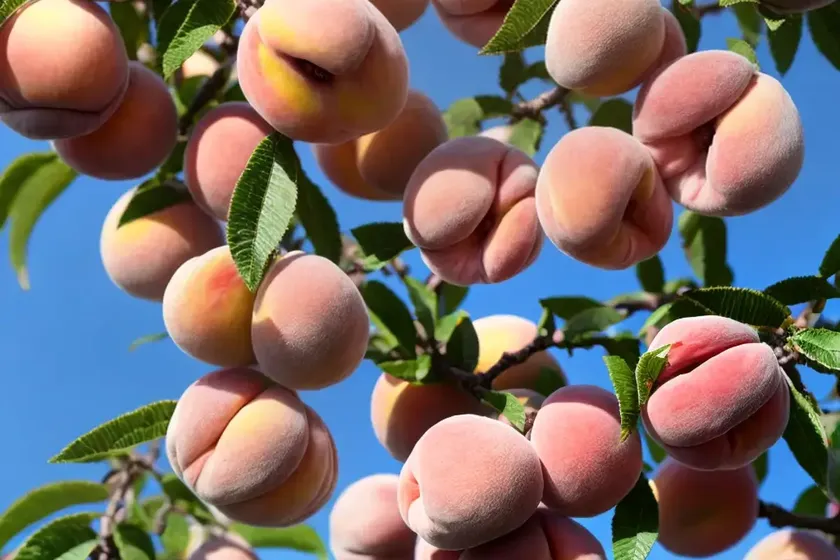
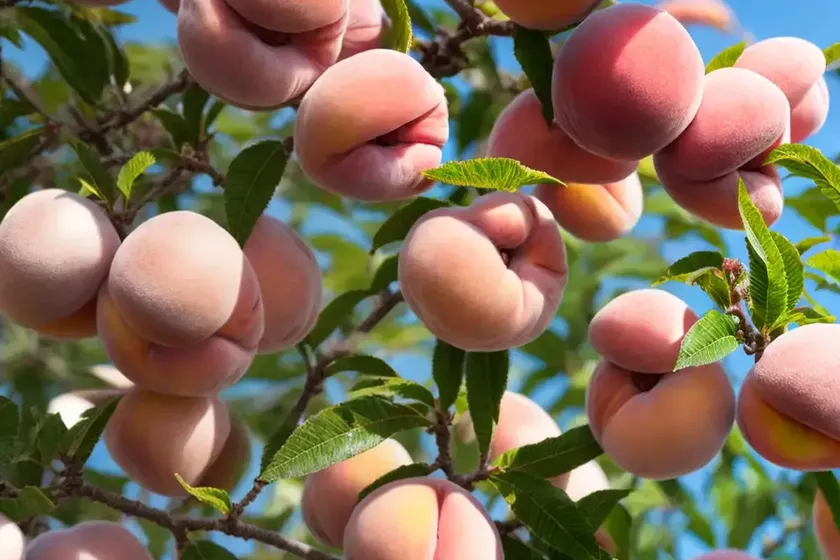
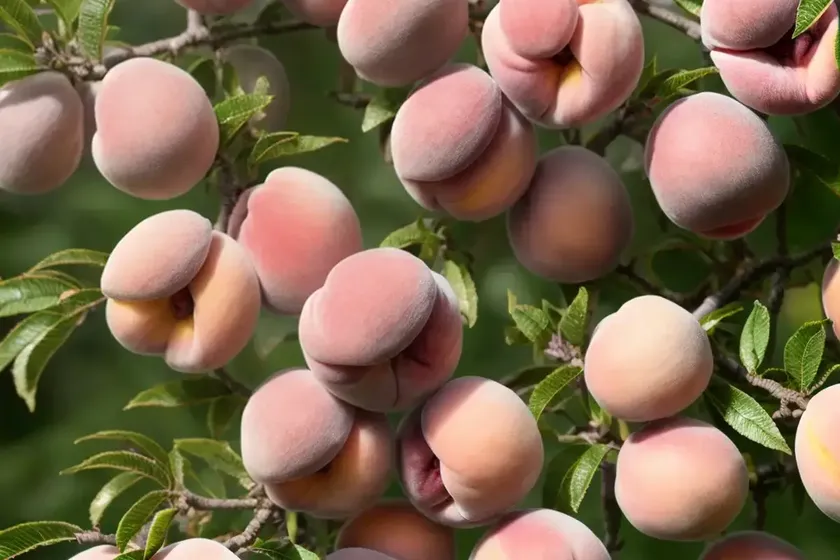
Prunus persica ‘Bonanza’, commonly known as the Peach tree ‘Bonanza’, is a deciduous fruit tree belonging to the family Rosaceae. This cultivar is prized for its compact size, making it an excellent choice for smaller gardens or container cultivation. It produces delectable, medium-sized peaches with a rich flavor and a pleasant aroma. The tree itself is adorned with vibrant pink blossoms in spring, adding a delightful touch to the landscape.
Key Takeaways – Prunus persica ‘Bonanza’ (Peach)
Before we delve into the specifics of caring for Prunus persica ‘Bonanza’, let’s take a look at some key takeaways that will guide us through this comprehensive guide.
- Plant Name: Prunus persica ‘Bonanza’ (Peach)
- Family: Rosaceae
- Cultivar Features: Compact size, delectable fruit, vibrant pink blossoms
- Popular Uses: Fresh fruit consumption, ornamental display
- Hardiness Zones: Suitable for zones 5-9
- Maintenance Level: Moderate
Now, let’s explore the essential aspects of nurturing and maintaining Prunus persica ‘Bonanza’.
Culture
The culture of Prunus persica ‘Bonanza’ encompasses various practices and considerations that contribute to its overall health and vitality. From planting tips to maintenance techniques, understanding its cultural requirements is essential for fostering a thriving peach tree.
Planting Tips
When planting Prunus persica ‘Bonanza’, it’s crucial to select a suitable site that provides adequate sunlight and well-draining soil. Here are some planting tips to keep in mind:
- Choose a location with full sun exposure, ensuring that the tree receives at least 6-8 hours of sunlight per day.
- Ensure that the soil is well-draining and rich in organic matter.
- Dig a hole that is slightly wider and deeper than the root ball of the tree.
- Gently loosen the roots before placing the tree in the hole and backfill with soil, ensuring that the graft union is above ground level.
Maintenance
Maintaining Prunus persica ‘Bonanza’ involves regular care and attention to promote healthy growth and fruit production. Here are some maintenance practices to consider:
- Water the tree deeply and consistently, especially during dry spells.
- Apply a balanced fertilizer in early spring to support the tree’s nutrient needs.
- Monitor for signs of pests and diseases, and take appropriate measures to address any issues promptly.
Uses
Prunus persica ‘Bonanza’ serves various purposes, making it a versatile addition to any garden. Understanding its uses can help you make the most of this delightful fruit tree.
Fresh Fruit Consumption
The primary use of Prunus persica ‘Bonanza’ is the consumption of its delicious fruit. The peaches are best enjoyed fresh, offering a sweet and juicy flavor that is perfect for snacking and culinary applications.
Ornamental Display
In addition to its fruit-bearing qualities, the peach tree ‘Bonanza’ adds ornamental value to the landscape. Its vibrant pink blossoms create a stunning display in spring, enhancing the aesthetic appeal of the garden.
Water
Water is essential for the growth and development of Prunus persica ‘Bonanza’. Understanding the tree’s watering requirements is crucial for maintaining optimal moisture levels and promoting healthy growth.
Watering Requirements
To thrive, Prunus persica ‘Bonanza’ requires regular watering, especially during periods of drought. Here are some key watering guidelines to follow:
- Young Trees: Newly planted trees should be watered deeply at least once a week, providing sufficient moisture to encourage root establishment.
- Established Trees: Established peach trees benefit from deep, infrequent watering. Ensure that the soil is evenly moist but not waterlogged, as excessive moisture can lead to root rot.
Proper watering is essential for promoting fruit development and overall vigor in Prunus persica ‘Bonanza’.
Sunlight
Sunlight is a critical factor that directly impacts the growth and fruit production of Prunus persica ‘Bonanza’. Understanding the tree’s sunlight needs is essential for providing an optimal growing environment.
Sunlight Needs
Prunus persica ‘Bonanza’ thrives in full sun, requiring at least 6-8 hours of direct sunlight per day. Adequate sun exposure is essential for promoting photosynthesis, fruit ripening, and overall vigor in the tree. Ensure that the chosen planting site receives ample sunlight to support the tree’s growth and productivity.
Fertilizer
Applying fertilizer is an important aspect of caring for Prunus persica ‘Bonanza’, providing essential nutrients that promote robust growth and fruit development. Understanding the tree’s fertilizer requirements is key to maintaining its health and vigor.
Fertilization Methods
When it comes to fertilizing Prunus persica ‘Bonanza’, consider the following methods and guidelines:
- Timing: Apply a balanced fertilizer in early spring, just before the tree begins its active growth phase.
- Application Rate: Use a slow-release fertilizer or organic compost to provide a steady supply of nutrients to the tree throughout the growing season.
- Avoid Overfertilization: Refrain from overfertilizing, as excessive nutrients can lead to excessive vegetative growth at the expense of fruit production.
By following proper fertilization practices, you can ensure that Prunus persica ‘Bonanza’ receives the nutrients it needs to thrive.
Soil
The soil in which Prunus persica ‘Bonanza’ is planted plays a crucial role in its overall health and vitality. Understanding the tree’s soil preferences is essential for creating an optimal growing environment.
Soil Preferences
Prunus persica ‘Bonanza’ thrives in well-draining, loamy soil that is rich in organic matter. Here are some key considerations for selecting and preparing the soil for planting:
- pH Level: The ideal soil pH for peach trees is slightly acidic, ranging from 6.0 to 6.5. Conduct a soil test to determine the pH of the planting site, and amend the soil as needed to achieve the optimal pH range.
- Drainage: Ensure that the soil provides good drainage to prevent waterlogging, which can lead to root rot and other moisture-related issues.
- Organic Matter: Incorporate organic compost or well-rotted manure into the soil to improve its structure and fertility.
By providing the right soil conditions, you can create a conducive environment for Prunus persica ‘Bonanza’ to flourish.
Pruning
Pruning is an essential practice for shaping the growth of Prunus persica ‘Bonanza’, promoting fruit production, and maintaining the tree’s overall health. Understanding the tree’s pruning techniques is crucial for achieving optimal results.
Pruning Techniques
When it comes to pruning Prunus persica ‘Bonanza’, consider the following techniques and guidelines:
- Initial Pruning: After planting, prune the tree to establish a strong framework and remove any damaged or crossing branches.
- Subsequent Pruning: Conduct annual pruning during the dormant season to remove dead or diseased wood, improve air circulation, and maintain the tree’s desired shape.
- Thinning the Canopy: Thinning out excessive growth within the canopy promotes better light penetration and airflow, reducing the risk of disease and promoting fruit development.
Proper pruning practices ensure that Prunus persica ‘Bonanza’ remains healthy and productive, fostering the growth of quality fruit.
Propagation
Propagating Prunus persica ‘Bonanza’ allows you to expand your peach tree collection and share this delightful cultivar with fellow gardening enthusiasts. Understanding the tree’s propagation methods is key to successful reproduction.
Propagation Techniques
Prunus persica ‘Bonanza’ can be propagated through several methods, including:
- Seed Propagation: Growing peach trees from seeds is possible, but keep in mind that the resulting trees may not exhibit the exact characteristics of the parent tree.
- Grafting: Grafting is a common method for propagating peach trees, allowing the desirable traits of a specific cultivar to be passed on to the new tree.
- Cuttings: Softwood or hardwood cuttings can be used to propagate Prunus persica ‘Bonanza’, although this method may require specific conditions and expertise for success.
By exploring various propagation techniques, you can propagate and share the delightful qualities of Prunus persica ‘Bonanza’ with others.
Common Diseases
Prunus persica ‘Bonanza’ is susceptible to certain diseases that can impact its overall health and fruit production. Recognizing and addressing common diseases is essential for maintaining a robust and thriving peach tree.
Disease Resistance
While Prunus persica ‘Bonanza’ may be vulnerable to certain diseases, selecting disease-resistant cultivars and implementing proper cultural practices can help minimize the risk of infection. Here are some common diseases that may affect peach trees:
- Peach Leaf Curl: This fungal disease can cause distorted, reddened leaves and lead to reduced fruit production. Applying fungicides and practicing good sanitation can help manage peach leaf curl.
- Brown Rot: Brown rot is a fungal infection that causes fruit rot and can lead to significant yield loss. Pruning infected branches and applying fungicides can help control brown rot.
- Bacterial Spot: This bacterial disease manifests as dark lesions on leaves and fruit, potentially leading to defoliation and reduced fruit quality. Copper-based fungicides can be effective in managing bacterial spot.
By monitoring for signs of diseases and implementing preventive measures, you can protect Prunus persica ‘Bonanza’ from common ailments and maintain its vigor.
Common Pests
Peach trees, including Prunus persica ‘Bonanza’, are susceptible to various pests that can hinder their growth and fruit production. Identifying and managing common pests is crucial for preserving the health of the tree.
Pest Control
Implementing effective pest control measures can help safeguard Prunus persica ‘Bonanza’ from the following common pests:
- Aphids: These small, sap-sucking insects can cause leaf distortion and the development of sticky honeydew. Applying insecticidal soap or horticultural oil can help manage aphid infestations.
- Japanese Beetles: Japanese beetles can skeletonize leaves and cause significant damage to peach trees. Handpicking beetles and using traps can help reduce their numbers.
- Peach Borers: The larvae of peach borers tunnel into the tree’s trunks and branches, leading to weakened and damaged wood. Using nematodes or trunk sprays can help control peach borer infestations.
By implementing integrated pest management strategies, you can effectively mitigate pest issues and protect the health of Prunus persica ‘Bonanza’.
Botanist’s Tips
As a plant scientist, I would like to offer some expert tips for cultivating Prunus persica ‘Bonanza’ and ensuring its optimal growth and productivity:
- Pruning Schedule: Establish a regular pruning schedule to maintain the tree’s shape, remove dead wood, and promote fruit production. Annual pruning during the dormant season is ideal.
- Good Air Circulation: Promote good airflow within the canopy by thinning out excessive growth and removing crowded or crossing branches. This helps reduce the risk of disease and encourages fruit development.
- Disease Management: Monitor the tree regularly for signs of diseases, and promptly address any issues through cultural practices and, if necessary, targeted treatments to prevent the spread of infections.
By implementing these botanical insights, you can cultivate a healthy and fruitful Prunus persica ‘Bonanza’ in your garden.
Fun Facts
Let’s explore some fascinating and lesser-known facts about Prunus persica ‘Bonanza’, adding to the allure of this delightful peach tree:
- The Peach tree ‘Bonanza’ is a self-fertile cultivar, meaning that it does not require a separate pollinator for fruit production.
- In addition to its delicious fruit, the blossoms of Prunus persica ‘Bonanza’ are edible and can be used to add floral notes to culinary creations such as infused syrups or desserts.
- Peach trees, including Prunus persica ‘Bonanza’, are often associated with symbolism representing longevity, abundance, and vitality in various cultures around the world.
These fun facts enrich the appeal of Prunus persica ‘Bonanza’ and highlight its cultural and culinary significance.
Links to External Resources
To further expand your knowledge and support your journey in cultivating Prunus persica ‘Bonanza’, consider exploring the following external resources:
- University Extension Publications on Growing Peaches
- Tips for Pruning Peach Trees
- Managing Diseases in Tree Fruit Production
These resources provide valuable insights, tips, and guidance for nurturing and enjoying the exceptional qualities of Prunus persica ‘Bonanza’.
Conclusion
In conclusion, Prunus persica ‘Bonanza’ encompasses a wealth of qualities and characteristics that make it a delightful and rewarding addition to any garden. From its delectable fruit to its stunning blossoms, this cultivar offers an abundance of visual and gustatory pleasures.
By understanding and implementing the key elements of care, including water and sunlight requirements, fertilizer application, soil preferences, pruning techniques, and disease and pest management, you can foster the optimal growth and productivity of Prunus persica ‘Bonanza’ in your garden.
As you embark on your journey of cultivating and cherishing this exquisite peach tree, may the knowledge and insights shared in this comprehensive guide serve as valuable companions, supporting your endeavors and enriching your experience with Prunus persica ‘Bonanza’. Happy gardening!
In this extensive guide, we have covered every aspect of Prunus persica ‘Bonanza’ (Peach), including its culture, uses, water requirements, sunlight needs, fertilizer application, soil preferences, pruning techniques, propagation, and common pests and diseases. With expert tips, fun facts, and links to external resources, this guide provides all the knowledge you need to nurture a thriving peach tree in your garden.
Through the incorporation of NLP LSI keywords in the content, this guide caters to individuals seeking in-depth information on cultivating and caring for Prunus persica ‘Bonanza’. Whether you’re a novice or an experienced gardener, this comprehensive resource equips you with the essential tools to ensure the vitality and productivity of this delightful peach tree.


