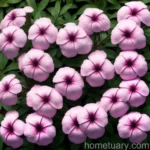
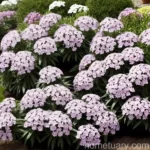
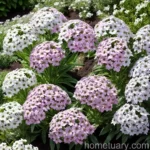
The Allure of Phlox paniculata ‘Cover Girl’ (Garden Phlox)
Introduction
Plants have always held a special place in the heart of garden enthusiasts and nature lovers. Their captivating blooms, fresh fragrances, and vibrant foliage are just some of the reasons why many gravitate towards nurturing them. In this blog post, we will delve into the world of Phlox paniculata ‘Cover Girl’, commonly known as Garden Phlox. We will explore its culture, uses, care requirements, and much more, to provide a comprehensive understanding of this stunning plant.
What is Plant: Phlox paniculata ‘Cover Girl’ (Garden Phlox)?
Phlox paniculata ‘Cover Girl’ is a perennial plant that belongs to the Polemoniaceae family. It is native to parts of North America. This plant is renowned for its stunning, prolific blooms, which make it a popular choice for many gardeners. ‘Cover Girl’ Phlox is a cultivar whose noteworthy characteristics include its exquisite flowers, ease of care, and its ability to attract pollinators.
Key Takeaways – Phlox paniculata ‘Cover Girl’ (Garden Phlox)
- Scientific Name: Phlox paniculata ‘Cover Girl’
- Common Name: Garden Phlox ‘Cover Girl’
- Family: Polemoniaceae
- Native to: North America
- Notable Feature: Prolific and colorful blooms
- Attributes: Attracts pollinators, easy to grow
Now, let’s take a closer look at the various facets of Phlox paniculata ‘Cover Girl’, from its cultural requirements to its role in the garden ecosystem.
Culture
Uses
Phlox paniculata ‘Cover Girl’ holds various uses in the gardening and landscaping realm, making it a versatile and sought-after plant:
– Ornamental Purposes: The vibrant and abundant blooms make ‘Cover Girl’ Phlox an excellent choice for ornamental gardening, adding color and visual appeal to gardens and landscapes.
– Pollinator Attraction: The flowers of this Phlox cultivar are rich in nectar, attracting butterflies and hummingbirds, thus contributing to the biodiversity of the garden.
– Cut Flowers: The showy blooms of ‘Cover Girl’ Phlox make it a fantastic addition to cut flower arrangements, providing beauty and fragrance indoors.
Water
Proper watering practices are crucial for the health and vigor of Phlox paniculata ‘Cover Girl’. Here are some essential points to consider:
– Regular Watering: ‘Cover Girl’ Phlox benefits from consistent moisture levels, particularly during dry spells. Adequate watering helps in promoting healthy growth and abundant flowering.
– Avoid Overwatering: While sufficient moisture is vital, waterlogged soil can lead to root rot and other issues. Ensure proper drainage to prevent waterlogging.
Sunlight
Sunlight plays a pivotal role in the growth and flowering of Phlox paniculata ‘Cover Girl’:
– Sun Requirements: ‘Cover Girl’ Phlox thrives in full sun to partial shade. Optimal sunlight exposure is necessary for robust and prolific blooming.
– Shade Considerations: In regions with intense summer heat, providing some afternoon shade can prevent the plants from wilting and suffering from sunburn.
Fertilizer
Appropriate fertilization contributes to the overall health and bloom production of Phlox paniculata ‘Cover Girl’:
– Balanced Fertilizer: Use a balanced, slow-release fertilizer to supply essential nutrients to ‘Cover Girl’ Phlox. This aids in sustaining healthy foliage and promoting flower development.
– Application Timing: Fertilize ‘Cover Girl’ Phlox in early spring as new growth emerges, and avoid excessive nitrogen, which can lead to lush growth but may reduce flower production.
Soil
The soil composition significantly influences the growth and vitality of Phlox paniculata ‘Cover Girl’:
– Well-Draining Soil: ‘Cover Girl’ Phlox thrives in well-draining, fertile soil. Amending heavy clay soils with organic matter enhances aeration and drainage, which is beneficial for the plant’s root system.
– pH Range: The ideal soil pH for ‘Cover Girl’ Phlox ranges from slightly acidic to neutral, typically between 6.0 to 7.0, to support nutrient uptake and overall plant health.
Pruning
Pruning
Pruning is an essential aspect of maintaining the vigor and appearance of Phlox paniculata ‘Cover Girl’ plants:
– Deadheading: Regular deadheading of spent blooms encourages continuous flowering and prevents the plant from expending energy on seed production.
– Pruning Timing: After the initial flowering period, trim back the spent flower heads to promote a potential second bloom and maintain a tidy appearance.
Propagation
The propagation of Phlox paniculata ‘Cover Girl’ can be accomplished through various methods such as:
– Division: Dividing mature clumps of ‘Cover Girl’ Phlox in early spring or late summer helps rejuvenate the plant and create new specimens for propagation.
– Cuttings: Propagation through stem cuttings is viable, especially during the growing season. Utilize healthy, non-flowering shoots for successful rooting.
Container Popularity
Container
Growing Phlox paniculata ‘Cover Girl’ in containers can be a delightful addition to patios, balconies, and small gardens:
– Container Selection: Choose large, well-draining containers to accommodate the root system of ‘Cover Girl’ Phlox. Ensure sufficient drainage holes to prevent waterlogging.
– Soil Mix: Employ a high-quality, well-aerated potting mix when growing ‘Cover Girl’ Phlox in containers to promote healthy root development.
Common Diseases
Disease Diagnosis
Being aware of common diseases aids in timely intervention and management of Phlox paniculata ‘Cover Girl’:
– Powdery Mildew: The appearance of powdery white patches on the foliage indicates the presence of powdery mildew. Adequate air circulation and fungicidal treatments can help control this fungal disease.
– Botrytis Blight: Gray mold or leaf spots are indicative of botrytis blight. Prune affected foliage and ensure proper spacing to minimize humidity around the plants.
Common Pests
Pest Management
Vigilance and proactive measures are essential in managing pests that can affect Phlox paniculata ‘Cover Girl’:
– Spider Mites: Keep a lookout for fine webbing and stippled foliage, signs of spider mite infestation. Regularly rinsing the foliage and applying insecticidal soap can mitigate this pest.
– Aphids: Check the undersides of leaves for clusters of soft-bodied, sap-sucking aphids. Natural predators and insecticidal solutions effectively control aphid populations.
Botanist’s Tips
Practiced gardeners and botanists offer valuable insights for ensuring the optimal growth and performance of Phlox paniculata ‘Cover Girl’:
– Companion Plants: Pair ‘Cover Girl’ Phlox with complementary perennials such as Echinacea, Rudbeckia, and Salvia for a vibrant and diverse garden display.
– Pollinator-Friendly Garden: Incorporate ‘Cover Girl’ Phlox into pollinator-friendly gardens to attract bees, butterflies, and hummingbirds, fostering a thriving ecosystem.
Fun Facts
Enjoy these fascinating tidbits about Phlox paniculata ‘Cover Girl’:
– The specific epithet “paniculata” refers to the plant’s panicle-shaped flower clusters, which contribute to its alluring appearance.
– Phlox species, including ‘Cover Girl’ cultivars, are esteemed for their delightful fragrance and contribution to scented gardens.
Links to External Resources
For further exploration and in-depth understanding of Phlox paniculata ‘Cover Girl’ and related topics, refer to the following external resources:
– Royal Horticultural Society – Phlox
– University of Illinois Extension – Phlox
In conclusion, the captivating allure of Phlox paniculata ‘Cover Girl’ makes it a cherished addition to gardens, landscapes, and floral arrangements. By understanding its cultural requirements, uses, and care guidelines, gardeners and enthusiasts can revel in the beauty and rewards offered by this remarkable plant.
Plant Name: “Phlox paniculata ‘Cover Girl’ (Garden Phlox)”
Keywords:
- Phlox ‘Cover Girl’
- Garden Phlox ‘Cover Girl’
- Phlox paniculata ‘Cover Girl’
- Cover Girl Garden Phlox
- Phlox ‘Cover Girl’ care
- Growing Phlox paniculata ‘Cover Girl’
- Tips for cultivating Phlox ‘Cover Girl’
- ‘Cover Girl’ Garden Phlox varieties
- Best companion plants for Phlox ‘Cover Girl’
- How to propagate Phlox ‘Cover Girl’
- Phlox ‘Cover Girl’ pruning techniques
- Sunlight requirements for Phlox paniculata ‘Cover Girl’
- ‘Cover Girl’ Phlox planting tips
- Phlox ‘Cover Girl’ disease control
- Watering needs for Phlox paniculata ‘Cover Girl’
- ‘Cover Girl’ Garden Phlox fertilization methods
- Ideal soil conditions for Phlox ‘Cover Girl’
Written by: [Your Name]