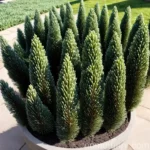
Picea abies ‘Acrocona’ (Norway Spruce)
Picea abies ‘Acrocona’, commonly known as the Norway Spruce, is a captivating conifer that has gained popularity in landscaping and horticulture due to its stunning features and adaptability. In this blog post, we will explore the various aspects of Picea abies ‘Acrocona’, including its culture, uses, environmental requirements, care, and maintenance.
What is Picea abies ‘Acrocona’ (Norway Spruce)?
Picea abies ‘Acrocona’ is a variety of Norway Spruce, which is a species of spruce native to Northern, Central and Eastern Europe. It is an evergreen conifer that belongs to the Pinaceae family. The ‘Acrocona’ variety is particularly renowned for its distinctive and ornamental cones that appear at an early age, adding a unique charm to the tree.
Characteristics of Picea abies ‘Acrocona’
- Scientific Name: Picea abies ‘Acrocona’
- Common Name: Norway Spruce
- Family: Pinaceae
- Type: Conifer
- Foliage: Evergreen
- Native Range: Northern, Central and Eastern Europe
- Notable Feature: Ornamental cones at an early age
- Growth Habit: Conical, pyramidal
Key Takeaways – Picea abies ‘Acrocona’ (Norway Spruce)
Culture
Picea abies ‘Acrocona’ has certain cultural needs and preferences in order to thrive and display its full splendor. Understanding its culture is essential for nurturing a healthy and vibrant tree.
- Water: Adequate and consistent moisture is crucial, especially during the establishment phase. Once established, it is moderately drought-tolerant.
- Sunlight: It thrives in full sun to partial shade, preferring a site with some protection from harsh afternoon sun in hot climates.
- Soil: Well-drained, acidic soils are ideal. Heavy clay soils should be amended with organic matter to improve drainage.
- Pruning: Regular and minimal pruning may be necessary to maintain the desired shape and remove any damaged or diseased branches.
- Propagation: It can be propagated from seeds or softwood cuttings, with seeds requiring cold stratification for germination.
Uses
Picea abies ‘Acrocona’ has several potential uses in landscaping and horticulture, making it a versatile and valuable addition to gardens, parks, and natural areas.
- Landscape Tree: It serves as an excellent ornamental tree, providing a striking focal point in the landscape with its upright, conical form and unique cones.
- Privacy Screening: Its dense evergreen foliage makes it well-suited for creating privacy screens and windbreaks.
- Erosion Control: It can be employed to stabilize slopes and prevent soil erosion due to its extensive root system and adaptable nature.
- Wildlife Habitat: The dense foliage of the Norway Spruce provides shelter for birds and small mammals, contributing to the biodiversity of the ecosystem.
Water
Water is a vital element in the care of Picea abies ‘Acrocona’, and understanding its water requirements is essential for maintaining a healthy and thriving tree.
Sunlight
Sunlight plays a crucial role in the development and growth of Picea abies ‘Acrocona’. Understanding its sunlight preferences is essential for creating an optimal environment for the tree.
Fertilizer
Proper fertilization can contribute to the health and vigor of Picea abies ‘Acrocona’. Knowing the fertilizer needs of the tree is important for promoting optimal growth.
Soil
The soil in which Picea abies ‘Acrocona’ is planted significantly influences its overall health and development. Understanding its soil preferences is essential for creating an optimal growing environment.
Pruning
Pruning is a vital aspect of caring for Picea abies ‘Acrocona’, ensuring its structural integrity and aesthetic appeal. Implementing proper pruning techniques is essential for the tree’s well-being.
Propagation
Understanding the propagation methods for Picea abies ‘Acrocona’ is crucial for expanding its presence and cultivating new trees. Incorporating suitable propagation techniques is important for successful reproduction.
Container
Growing Picea abies ‘Acrocona’ in containers presents unique opportunities and challenges. Understanding the specific considerations for container growth is essential for cultivating healthy and thriving trees.
Popularity
The popularity of Picea abies ‘Acrocona’ in landscaping and horticulture reflects its unique characteristics and appeal. Understanding the factors contributing to its popularity provides valuable insights into its widespread cultivation.
Common Diseases
Picea abies ‘Acrocona’ is susceptible to certain diseases that can impact its health and appearance. Recognizing these common diseases and implementing appropriate measures is crucial for disease management.
Disease Diagnosis
Diagnosing diseases affecting Picea abies ‘Acrocona’ involves identifying symptoms and understanding the causal agents. Accurate disease diagnosis is essential for initiating effective treatment strategies.
Common Pests
Pests can pose a threat to the health and vitality of Picea abies ‘Acrocona’, necessitating proactive pest management strategies. Identifying common pests and implementing suitable control measures is essential for preserving the tree’s well-being.
Botanist’s Tips
Botanist’s insights and tips for cultivating and caring for Picea abies ‘Acrocona’ offer valuable guidance for enthusiasts and horticulturists. Incorporating expert tips can contribute to the successful growth and maintenance of the tree.
Fun Facts
Discovering intriguing and little-known facts about Picea abies ‘Acrocona’ adds depth to our understanding and appreciation of this remarkable conifer. Uncovering fun facts about the tree enriches the overall experience of engaging with it.
Links to External Resources
Accessing additional resources and information about Picea abies ‘Acrocona’ from reputable sources allows for comprehensive exploration and learning. Utilizing external links enhances the scope of knowledge regarding the tree.
As a plant scientist, delving into the intricate details and aspects of Picea abies ‘Acrocona’ provides valuable insights into its unique characteristics and requirements. By addressing its cultural needs, uses, environmental preferences, care, and maintenance, the aim is to empower enthusiasts and horticulturists with the knowledge and understanding required for successful cultivation and appreciation of this captivating conifer.