Phlox paniculata ‘Opalescence’ (Garden Phlox): A Comprehensive Guide
Introduction
When it comes to adding a splash of color and fragrance to your garden, few plants can rival the beauty and appeal of Phlox paniculata ‘Opalescence’, commonly known as Garden Phlox. This stunning perennial plant has captured the hearts of gardeners and horticulturists alike with its vibrant blooms and versatility in various gardening settings.
In this comprehensive guide, we will delve into the intricacies of Phlox paniculata ‘Opalescence’, understanding its cultural requirements, landscape uses, propagation techniques, and much more. Whether you are a seasoned gardener seeking to enhance your flower beds or a novice enthusiast looking to explore the world of phlox, this detailed guide will equip you with the knowledge and insights needed to cultivate and appreciate the beauty of Garden Phlox.
What is Phlox paniculata ‘Opalescence’ (Garden Phlox)?
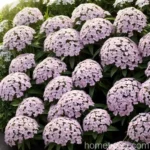
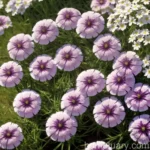
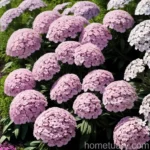
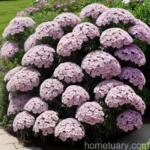
Phlox paniculata ‘Opalescence’ is a cultivar of the species Phlox paniculata, which belongs to the Polemoniaceae family. Revered for its elegant clusters of fragrant, star-shaped flowers, this variety is sought after for its exceptional ornamental value. ‘Opalescence’ is particularly prized for its stunning pale lavender-pink blooms that add a touch of sophistication to any garden setting.
Key Takeaways – Phlox paniculata ‘Opalescence’ (Garden Phlox)
Before delving into the specific cultural requirements and maintenance of Garden Phlox, let’s highlight some key takeaways that encapsulate the essential aspects of this cultivar:
| Key Aspect | Description |
|---|---|
| Plant Name | Phlox paniculata ‘Opalescence’ (Garden Phlox) |
| Bloom Color | Pale lavender-pink |
| Cultivar Type | Perennial |
| Fragrance | Sweetly scented, attracting butterflies and hummingbirds |
| Sunlight Requirement | Full sun to partial shade |
| Watering Needs | Moderate moisture, well-drained soil |
| Soil Preference | Rich, fertile soil with good drainage |
| Landscape Uses | Borders, cottage gardens, cutting gardens, and pollinator-friendly landscapes |
| Disease Resistance | Demonstrates good resistance to powdery mildew and other common Phlox diseases |
| Height and Spread | Typically grows to a height of 24-36 inches with a spread of 18-24 inches |
| Botanical Name Pronunciation | “Flocks pan-ick-you-LAY-tuh” |
Now that we have a basic understanding of the cultivar, let’s explore the cultural requirements and ideal conditions for nurturing the growth of Phlox paniculata ‘Opalescence’ in a garden setting.
Culture
Sunlight
Garden Phlox, including the ‘Opalescence’ cultivar, thrives best when planted in locations that receive ample sunlight. While they prefer full sun, they can also tolerate partial shade, especially in regions with hot summers. For optimal blooming and robust growth, aim to provide your Phlox paniculata ‘Opalescence’ with at least 6-8 hours of direct sunlight per day.
Water
When it comes to watering, Phlox paniculata ‘Opalescence’ requires consistent moisture to support healthy growth and prolific blooming. However, it’s crucial to ensure that the soil has excellent drainage to prevent waterlogging, which can lead to root rot and other moisture-related issues. Aim to water the plants deeply, allowing the soil to dry slightly between watering sessions to maintain the ideal moisture levels.
Soil
The soil composition plays a pivotal role in the successful cultivation of Garden Phlox. ‘Opalescence’ thrives in rich, well-draining soil with a slightly acidic to neutral pH. Incorporating organic matter such as compost or well-rotted manure into the soil can enhance its fertility and improve drainage, creating an optimal growing environment for the plants.
Fertilizer
To support the vigorous growth and abundant flowering of Phlox paniculata ‘Opalescence’, it is beneficial to feed the plants with a balanced, slow-release fertilizer in the early spring. This helps provide the necessary nutrients to fuel the initial growth stages and promote the development of robust foliage and blooms. Additionally, a light application of fertilizer in midsummer can sustain the plants through the blooming season.
Pruning
Pruning is an essential practice for maintaining the health and appearance of Garden Phlox. In late fall or early spring, it is recommended to trim back the plant’s stems to ground level to facilitate fresh growth and prevent the accumulation of plant debris, which can harbor pests and diseases. Deadheading spent blooms throughout the blooming season can also prolong flowering and encourage the production of new flower buds.
Uses
Landscape Uses
The versatility of Phlox paniculata ‘Opalescence’ makes it a valuable addition to a diverse range of garden settings. Whether used as a border plant, a focal point in a cottage garden, or an integral component of a cutting garden, the elegant blooms and sweet fragrance of ‘Opalescence’ can elevate the aesthetic appeal of any landscape. Additionally, its attractiveness to pollinators makes it a valuable inclusion in wildlife-friendly and butterfly gardens.
Container Plantings
While Garden Phlox are commonly planted directly in garden beds, they can also be successfully cultivated in containers. When opting for container plantings, ensure that the pots provide adequate drainage and are placed in a location that receives the necessary sunlight. Container-grown Phlox paniculata ‘Opalescence’ can serve as stunning accents on patios, balconies, or decks, bringing their beauty closer to living spaces.
Cut Flowers
The alluring blooms and sweet fragrance of Garden Phlox make it an excellent choice for cut flower arrangements. When selecting stems for arrangements, choose those with partially open buds to ensure a longer vase life. Placing the cut stems in a vase with fresh water and providing them with a cool, indoor environment can prolong their beauty and fragrance, allowing you to enjoy the splendor of ‘Opalescence’ indoors as well.
Propagation
Division
Propagation of Phlox paniculata ‘Opalescence’ can be achieved through division, typically performed in the early spring or fall. To propagate the plant through division, carefully dig up the clumps and use a sharp, clean tool to separate the root mass into smaller sections, ensuring that each division has sufficient roots and healthy shoots. Replant the divisions in prepared soil, water them thoroughly, and monitor their growth to establish new plants successfully.
Popularity
Garden Phlox, including the ‘Opalescence’ cultivar, has garnered significant popularity among gardeners, horticulturists, and landscape enthusiasts. The captivating blooms, sweet fragrance, and adaptability of Phlox paniculata ‘Opalescence’ have contributed to its widespread appeal, making it a sought-after choice for various garden settings. Whether grown in traditional perennial borders, naturalistic plantings, or containers, ‘Opalescence’ has established itself as a beloved and cherished perennial in the realm of ornamental horticulture.
Common Diseases
While Garden Phlox, including the ‘Opalescence’ cultivar, are known for their resilience, they can be susceptible to certain diseases, particularly in conditions of high humidity and poor air circulation. Some of the common diseases that may affect Phlox paniculata ‘Opalescence’ include:
- Powdery Mildew: This fungal disease can manifest as a powdery, whitish coating on the foliage, often leading to reduced plant vigor and unsightly appearance.
- Phlox Wilt: Caused by the soil-borne pathogen, this disease can result in wilting, browning of the foliage, and eventual collapse of the plant.
Disease Diagnosis
Diagnosing and addressing diseases in Garden Phlox, including the ‘Opalescence’ cultivar, requires attentive monitoring and prompt intervention. When observing symptoms of disease, such as powdery mildew or wilting, it is essential to take swift actions to mitigate the spread and impact of the affliction. This can involve practices such as removing and disposing of affected plant parts, improving air circulation, and utilizing preventative fungicidal treatments to safeguard the plants.
Common Pests
Garden Phlox can also be vulnerable to attacks by certain pests that might diminish their vitality and aesthetic appeal. Some of the common pests that may affect Phlox paniculata ‘Opalescence’ include:
- Spider Mites: These tiny arachnids can cause stippling and discoloration of the foliage, ultimately weakening the plants.
- Aphids: These small, soft-bodied insects can cluster on the tips of shoots and feed on the plant’s sap, potentially causing distortion of new growth and the transmission of plant viruses.
Botanist’s Tips
To ensure the optimal health and performance of Phlox paniculata ‘Opalescence’, it is beneficial to adhere to some fundamental guidelines and best practices:
-
Air Circulation: Maintaining adequate air circulation around the plants can help reduce the risk of fungal diseases and pest infestations. Planting Garden Phlox in locations with good air movement and avoiding overcrowding can contribute to their overall health.
-
Mulching: Applying a layer of organic mulch around the plants can help conserve soil moisture, suppress weed growth, and moderate soil temperatures. However, it is important to avoid piling the mulch against the stems of the plants, as this can create favorable conditions for pests and diseases.
-
Regular Inspection: Conducting regular inspections of the plants for signs of diseases or pests allows for early detection and timely intervention, minimizing the potential impact of such issues on the plant’s vigor and bloom production.
Fun Facts
- The genus name “Phlox” is derived from the Greek word “phlox,” which translates to “flame,” reflecting the fiery hues of some species’ flowers.
- Garden Phlox is native to areas of eastern United States, where it can be found in woodland clearings, meadows, and along stream banks.
- Phlox paniculata ‘Opalescence’ is renowned for its fragrance, which often attracts an array of pollinators, including butterflies, hummingbirds, and beneficial insects.
Whether you are an experienced gardener or a newcomer to the world of ornamental horticulture, the allure of Phlox paniculata ‘Opalescence’ is undeniable. From its charming blooms and sweet fragrance to its resilience and adaptability, ‘Opalescence’ stands as a testament to the captivating beauty and botanical marvels that enrich our outdoor spaces.
Links to External Resources
For further exploration and in-depth information about Phlox paniculata ‘Opalescence’ (Garden Phlox), consider referring to the following trusted resources:
Lorem ipsum dolor sit amet, consectetur adipiscing elit, sed do eiusmod tempor incididunt ut labore et dolore magna aliqua. Ut enim ad minim veniam, quis nostrud exercitation ullamco laboris nisi ut aliquip ex ea commodo consequat. Duis aute irure dolor in reprehenderit in voluptate velit esse cillum dolore eu fugiat nulla pariatur. Excepteur sint occaecat cupidatat non proident, sunt in culpa qui officia deserunt mollit anim id est laborum.