All About Garden Phlox: Phlox paniculata ‘Neon Flare Blue’
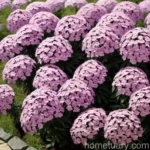
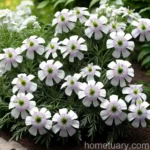
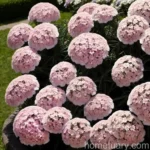
Garden phlox (Phlox paniculata) is a beloved perennial plant known for its dazzling, fragrant flowers that attract butterflies, bees, and hummingbirds to the garden. Among the many varieties of garden phlox, Neon Flare Blue stands out for its striking, vibrant blooms and ease of care. In this comprehensive guide, we’ll delve into the cultivation, uses, maintenance, and fascinating characteristics of Phlox paniculata ‘Neon Flare Blue’.
What is Garden Phlox: Phlox paniculata ‘Neon Flare Blue’?
Garden phlox, scientifically known as Phlox paniculata, belongs to the Polemoniaceae family and is native to the eastern United States. ‘Neon Flare Blue’ is a gorgeous cultivar of Phlox paniculata that has gained popularity among gardening enthusiasts for its stunning blue flowers, compact growth habit, and disease resistance.
Key Takeaways – Phlox paniculata ‘Neon Flare Blue’
Before diving into the specific aspects of Neon Flare Blue garden phlox, let’s highlight some key takeaways about this captivating plant:
- Botanical Name: Phlox paniculata ‘Neon Flare Blue’
- Common Name: Garden Phlox
- Flower Color: Vibrant blue
- Growth Habit: Clumping, bushy
- Fragrance: Sweet, pleasant scent
- Attracts: Butterflies, bees, hummingbirds
- Hardiness Zone: 4-8
- Height: 18-24 inches
- Spread: 12-18 inches
- Blooming Season: Early to late summer
- Uses: Borders, containers, cut flowers, pollinator gardens
With these key details in mind, let’s explore the facets of cultivating and caring for Phlox paniculata ‘Neon Flare Blue’ to ensure its optimal growth and blooming potential in your garden.
Culture of Phlox paniculata ‘Neon Flare Blue’
Cultivating Neon Flare Blue garden phlox involves understanding its specific environmental needs, including water, sunlight, soil, and fertilizer requirements. Let’s delve into each of these aspects to provide a comprehensive guide for successful cultivation.
Uses
Before we explore the specific growing requirements, it’s essential to understand the versatile uses of Phlox paniculata ‘Neon Flare Blue’ in the garden and landscape. This cultivar is prized for:
- Border Planting: Neon Flare Blue garden phlox is ideal for creating colorful, textured borders along garden beds and pathways.
- Container Gardening: Its compact size makes it well-suited for container gardening, adding vibrant blooms to patios and outdoor living spaces.
- Cut Flowers: The long-lasting, fragrant blooms make stunning cut flowers for indoor arrangements, bringing the beauty of the garden indoors.
- Pollinator Gardens: As a nectar-rich plant, Neon Flare Blue garden phlox attracts and supports pollinators such as butterflies, bees, and hummingbirds, contributing to biodiversity in the garden.
Water
Proper watering is crucial for the healthy growth and blooming of Neon Flare Blue garden phlox. Here are some key points to keep in mind regarding the plant’s water requirements:
-
Regular Watering: Ensure consistent moisture, especially during the establishment phase and dry periods. However, avoid waterlogged conditions, as this can lead to root rot.
-
Morning Watering: Watering in the morning allows the foliage to dry off during the day, reducing the risk of diseases such as powdery mildew.
Sunlight
Adequate sunlight is essential for the vibrant blooming and overall vigor of Neon Flare Blue garden phlox. Here are the sunlight-related considerations for cultivating this stunning plant:
-
Full Sun: Plant Neon Flare Blue garden phlox in a location that receives at least 6-8 hours of direct sunlight daily for the best flowering performance.
-
Partial Shade: While it prefers full sun, Neon Flare Blue can tolerate light shade, particularly in hot climates where some afternoon shade may be beneficial.
Fertilizer
Providing the right nutrients is vital for promoting healthy growth and abundant flowering in Phlox paniculata ‘Neon Flare Blue’. Consider the following guidelines for fertilizing this garden favorite:
-
Balanced Fertilizer: Apply a balanced, slow-release fertilizer in early spring to provide essential nutrients for the growing season.
-
Avoid Excess Nitrogen: Excessive nitrogen can promote lush foliage at the expense of flowering, so opt for a fertilizer with a lower nitrogen content to encourage prolific blooms.
Soil
The soil composition and quality play a significant role in the well-being and performance of Neon Flare Blue garden phlox. Consider the following soil-related aspects when cultivating this plant:
-
Well-Drained Soil: Phlox paniculata prefers loamy, well-draining soil to prevent waterlogging, which can lead to root rot and other issues.
-
pH Level: Aim for a slightly acidic to neutral soil pH range of 6.5-7.0 for optimal nutrient uptake and overall plant health.
Pruning
Pruning is an essential practice to maintain the neat appearance of Neon Flare Blue garden phlox and promote vigorous growth and flowering. Here are some key points to remember when it comes to pruning this plant:
-
Deadheading: Regularly remove spent blooms to encourage continuous flowering and prevent self-seeding, particularly if you want to control its spread in the garden.
-
Cutting Back: In early spring, prune back the previous year’s growth to around 4-6 inches above ground level to rejuvenate the plant and stimulate new growth.
Propagation
If you wish to expand your collection of Neon Flare Blue garden phlox or share this beautiful plant with fellow gardening enthusiasts, propagation techniques come into play. Consider the following methods for propagating this cultivar:
-
Division: Divide mature clumps of Neon Flare Blue every 3-4 years in early spring or fall to rejuvenate the plant and create new specimens.
-
Root Cuttings: Propagate Phlox paniculata ‘Neon Flare Blue’ from root cuttings taken in early spring, ensuring each cutting has several healthy, fibrous roots for successful establishment.
Container Popularity
Neon Flare Blue garden phlox has gained popularity among container gardening enthusiasts due to its compact size, vibrant blooms, and versatility in outdoor spaces. Whether displayed solo or combined with other complementary plants, this cultivar adds captivating color and fragrance to container gardens. Consider the following points when cultivating Phlox paniculata ‘Neon Flare Blue’ in containers:
-
Container Size: Choose a spacious container that allows for adequate root development and accommodates the mature size of the plant.
-
Well-Draining Soil: Use a high-quality potting mix that provides excellent drainage to prevent waterlogging, which can be detrimental to container-grown plants.
-
Watering: Container-grown Neon Flare Blue garden phlox may require more frequent watering, especially during hot, dry periods, to maintain optimal soil moisture.
Common Diseases and Pest Control
When growing Neon Flare Blue garden phlox, it’s essential to be aware of potential diseases and pests that can affect its health and appearance. Here are some common issues and tips for disease prevention and pest control:
Common Diseases
-
Powdery Mildew: This fungal disease can affect garden phlox, particularly in humid conditions. To prevent powdery mildew, ensure good air circulation, avoid overhead watering, and plant in a location with ample sunlight.
-
Botrytis Blight: Also known as gray mold, botrytis blight can impact the flower buds and stems of phlox plants. Maintain proper spacing between plants, remove and dispose of any affected plant parts, and avoid overhead watering to prevent this disease.
Disease Diagnosis
When monitoring the health of Neon Flare Blue garden phlox, keep an eye out for signs and symptoms of common diseases, including:
- White, powdery patches on leaves and stems: indicative of powdery mildew
- Gray, fuzzy mold on flower buds and stems: indicative of botrytis blight
Prompt intervention and appropriate cultural practices can help manage and prevent these diseases, ensuring the plant’s long-term health and blooming potential.
Common Pests
-
Spider Mites: These tiny pests can infest garden phlox, causing stippling and webbing on the foliage. Regularly inspect the undersides of leaves, and if detected, consider using insecticidal soap or neem oil to manage spider mite populations.
-
Aphids: These small, sap-sucking insects can cluster on new growth and flower buds, leading to distorted foliage. Attract beneficial insects such as ladybugs and lacewings to help control aphid populations, or use a strong blast of water to dislodge them from the plant.
Botanist’s Tips for Growing Phlox paniculata ‘Neon Flare Blue’
Armed with insights into the specific requirements and features of Neon Flare Blue garden phlox, let’s highlight some valuable botanist’s tips to ensure successful cultivation and enjoyment of this vibrant plant:
-
Good Air Circulation: Plant Neon Flare Blue garden phlox in a location with good air circulation to minimize the risk of fungal diseases, particularly powdery mildew.
-
Regular Monitoring: Keep a close eye on the plant for signs of stress, disease, or pest infestation. Early detection and intervention can prevent issues from escalating and adversely affecting the plant.
-
Mulching: Apply a layer of organic mulch around the base of Neon Flare Blue garden phlox to conserve soil moisture, suppress weed growth, and insulate the roots during temperature fluctuations.
-
Supportive Structures: Install discreet plant supports as needed to prevent the stems of Neon Flare Blue from leaning or flopping, particularly when it’s laden with flowers.
-
Companion Planting: Pair Phlox paniculata ‘Neon Flare Blue’ with compatible flowers and foliage plants to create visually pleasing combinations and enhance the overall garden aesthetic.
Fun Facts about Neon Flare Blue Phlox
Alongside its captivating beauty and diverse uses, Neon Flare Blue garden phlox boasts some intriguing and delightful characteristics. Here are a few fun facts to further pique your interest in this exceptional plant:
-
Fragrant Blooms: The flowers of Neon Flare Blue garden phlox emit a sweet, pleasant fragrance, enhancing the sensory experience of the garden.
-
Long-Blooming: With proper care, this cultivar delights gardeners with its prolonged flowering period, adding a continuous splash of color to the landscape throughout the summer months.
-
Wildlife Attraction: Beyond attracting pollinators, Neon Flare Blue garden phlox can be a magnet for beneficial insects and even songbirds, enriching the ecological balance in the garden.
-
Adaptive Growth: Phlox paniculata is significantly adaptable, thriving in a range of climates and soil conditions when provided with adequate sunlight and moisture.
Links to External Resources
For further exploration and detailed information on Phlox paniculata ‘Neon Flare Blue’ and related topics, we recommend the following external resources:
-
The Plant Guide: Phlox paniculata ‘Neon Flare Blue’: A comprehensive guide covering the cultivation, care, and landscape uses of ‘Neon Flare Blue’ garden phlox.
-
Royal Horticultural Society – Phlox paniculata: RHS offers detailed information on Phlox paniculata cultivars, including specifics on ‘Neon Flare Blue.’
-
University Extension Resources – Garden Phlox Care: A resource providing practical guidelines for the care and maintenance of garden phlox, including Phlox paniculata varieties.
-
Gardening Forums and Communities: Engage with fellow gardeners and enthusiasts to exchange experiences, insights, and tips on growing and appreciating garden phlox, including Neon Flare Blue.
Conclusion
In conclusion, Phlox paniculata ‘Neon Flare Blue’ represents a captivating addition to any garden or landscape, offering vibrant blue blooms, a sweet fragrance, and a host of practical and aesthetic uses. By understanding and fulfilling its cultural requirements, embracing botanist’s tips, and implementing disease and pest management strategies, gardeners can cultivate and enjoy the beauty and benefits of this exceptional plant.
Through the versatility of its uses, wildlife attraction, and aesthetic appeal, ‘Neon Flare Blue’ garden phlox enriches outdoor spaces and exemplifies the charm and resilience of perennial plants. Whether adding flair to borders, containers, or cut flower arrangements, this cultivar continues to captivate and inspire gardeners while contributing to the ecological tapestry of our landscapes.