Pyrus Communis ‘Red Clapp’s Favorite’ (European Pear)
The Pyrus communis ‘Red Clapp’s Favorite’ (European Pear) is a popular variety of pear tree that is favored for its excellent fruit quality and abundant.
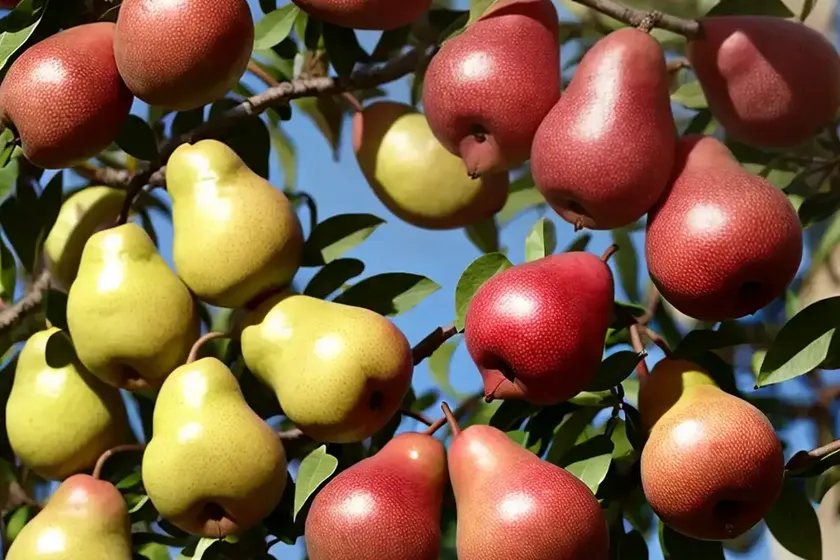
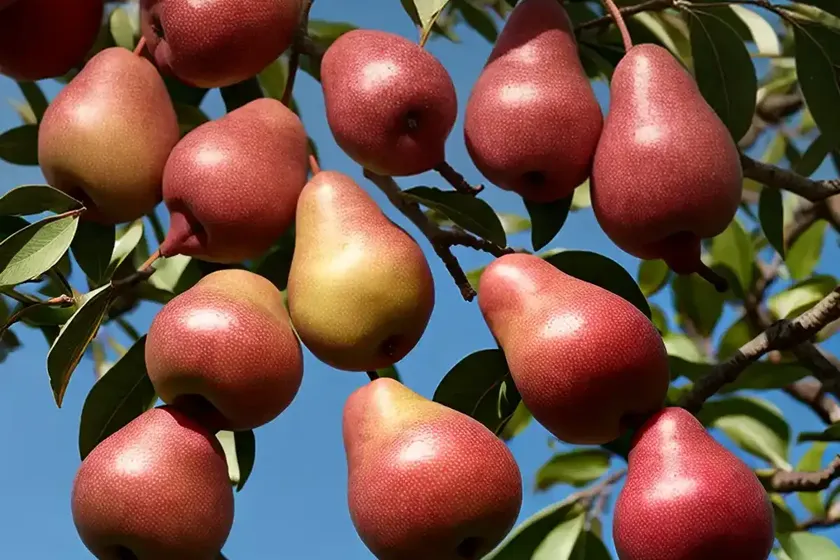
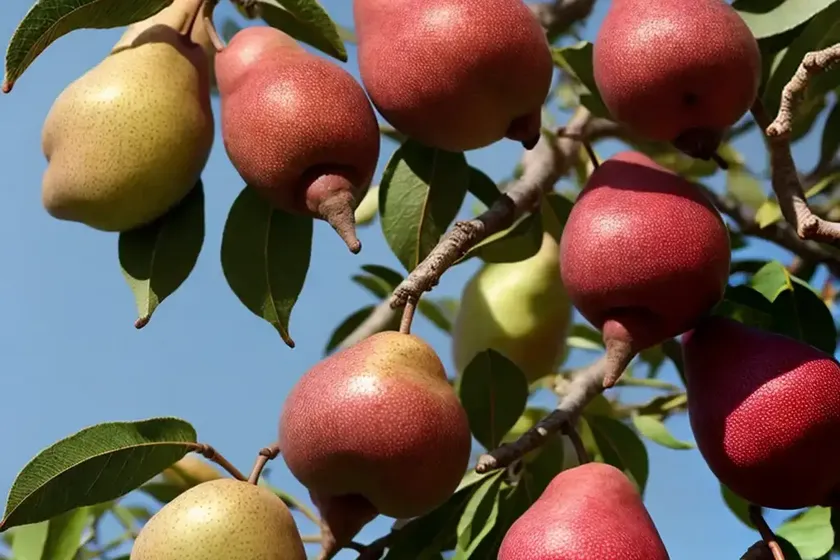
The Pyrus communis ‘Red Clapp’s Favorite’ (European Pear) is a popular variety of pear tree that is favored for its excellent fruit quality and abundant harvest. In this comprehensive guide, we will explore the cultural requirements, uses, care, propagation, and other important aspects of this pear tree. Whether you are a gardening enthusiast or a professional horticulturist, this guide will provide you with valuable insights into growing and maintaining the Pyrus communis ‘Red Clapp’s Favorite’ variety.
What is Pyrus communis ‘Red Clapp’s Favorite’?
The Pyrus communis ‘Red Clapp’s Favorite’ is a cultivar of the European Pear (Pyrus communis), which is a species of pear native to Central and Eastern Europe and Southwest Asia. This particular variety is known for its exceptional fruit quality, making it a popular choice for home orchards and commercial cultivation.
Key Takeaways – Pyrus communis ‘Red Clapp’s Favorite’ (European Pear)
Before delving into the specific aspects of growing and caring for the Pyrus communis ‘Red Clapp’s Favorite’, let’s highlight some key takeaways about this cultivar:
- Plant Name: Pyrus communis ‘Red Clapp’s Favorite’ (European Pear)
- Characteristics: Exceptional fruit quality, high yield, and attractive appearance
- Cultural Uses: Home orchards, commercial cultivation, landscaping
- Climate Requirements: Moderate to cool climate, requires adequate winter chilling
- Care Needs: Regular watering, full sunlight, well-drained soil, annual pruning
- Propagation: Grafting, budding
- Common Pests: Fire blight, pear psylla, codling moth
- Common Diseases: Rust, scab, leaf spot
- Harvesting Time: Late summer to early fall
Now that we have established an overview of the Pyrus communis ‘Red Clapp’s Favorite’, let’s explore each aspect in more detail.
Culture
Uses
The Pyrus communis ‘Red Clapp’s Favorite’ has a wide range of uses, making it a versatile tree in various settings:
- Home Orchards: This variety is highly favored by home gardeners due to its delicious fruit and relatively easy care requirements. It can be grown as a standalone tree or as part of a mixed fruit orchard.
- Commercial Cultivation: Many orchards and fruit farms cultivate the ‘Red Clapp’s Favorite’ for its marketable qualities. The fruits are suitable for fresh consumption and various culinary uses.
- Landscaping: The ornamental value of the tree, enhanced by its beautiful blossoms in spring and colorful foliage in fall, makes it an attractive addition to landscape designs.
Water
Proper watering is essential for the health and productivity of the Pyrus communis ‘Red Clapp’s Favorite’ tree. While it is important to ensure consistent soil moisture, overwatering should be avoided to prevent waterlogged conditions and root rot.
- Established Trees: During the growing season, established trees benefit from deep watering once every 7-10 days, or as needed to maintain soil moisture.
- Young Trees: Newly planted or young trees require more frequent watering, especially during hot and dry periods. Water should reach the root zone to encourage deep root establishment.
Sunlight
Like most fruit-bearing trees, the European Pear thrives in full sunlight. Adequate sunlight exposure is crucial for promoting robust growth, flowering, and fruit development. When selecting a site for planting, ensure that the tree will receive at least 6-8 hours of direct sunlight daily.
Fertilizer
Proper fertilization contributes to the overall health and productivity of the Pyrus communis ‘Red Clapp’s Favorite’. Before applying fertilizers, it is advisable to conduct a soil test to determine the specific nutrient needs of the tree. Generally, a balanced fertilizer with a higher ratio of nitrogen in early spring and a balanced fertilizer formula in late fall can support healthy growth and fruit production.
- NPK Ratio: A general recommendation for pear trees is a nitrogen-phosphorus-potassium (NPK) ratio of 10-10-10 or similar balanced formulation.
- Organic Fertilizers: Organic options such as compost, well-rotted manure, and bone meal can also be beneficial for supplying essential nutrients to the soil.
Soil
The Pyrus communis ‘Red Clapp’s Favorite’ thrives in well-drained, loamy soil with a slightly acidic to neutral pH. The ideal soil type should offer good drainage to prevent waterlogging, which can lead to root diseases. A soil rich in organic matter promotes healthy root development and vigorous growth.
- Soil Preparation: Before planting, it is beneficial to amend the soil with organic matter such as compost or well-rotted manure to enhance soil structure and fertility.
- Drainage Considerations: If the soil has poor drainage, raised beds or mounds can be created to improve aeration and prevent water accumulation around the roots.
Pruning
Regular pruning is an essential aspect of managing the growth, shape, and productivity of the Pyrus communis ‘Red Clapp’s Favorite’ tree. Pruning helps to remove dead or diseased wood, improve air circulation, and maintain an open canopy for proper light penetration.
- Timing: The best time for pruning European Pear trees is during late winter to early spring, before the onset of new growth.
- Techniques: Pruning techniques for pear trees include removing crossing or crowded branches, thinning out excess growth, and shaping the canopy for a balanced structure.
- Sanitization: It is important to use sanitized pruning tools to prevent the spread of diseases between cuts.
Propagation
The propagation of Pyrus communis ‘Red Clapp’s Favorite’ can be achieved through various methods, with grafting and budding being the most common approaches.
- Grafting: The technique of grafting involves joining a shoot or bud from the desired cultivar onto a compatible rootstock, which then grows to form a new tree.
- Budding: Budding, another form of grafting, entails the placement of a single bud from the desired variety onto a rootstock, allowing it to develop into a new shoot.
Container Popularity
While European Pear trees are primarily grown in orchards and landscapes, container cultivation is also feasible, particularly for those with limited outdoor space.
Container
- Container Size: Select a large container with sufficient depth and drainage holes to accommodate the growth of the pear tree.
- Soil Mix: Use a well-draining potting mix suitable for fruit trees, and consider adding organic matter to promote root health.
Common Diseases
Disease Diagnosis
Common Pests
Botanist’s Tips
Fun Facts
Links to External Resources
When exploring the world of Pyrus communis ‘Red Clapp’s Favorite’ (European Pear), it is valuable to consult reliable external resources for further information. Here are some recommended links to deepen your knowledge:
- University Extension Services: Many university extension services offer comprehensive guides and resources on fruit tree cultivation, including European Pears.
- Horticultural Societies: Horticultural societies and associations often provide educational materials and expert insights on growing and caring for fruit trees.
In this extensive guide, we have delved into the unique characteristics, cultural requirements, uses, and care aspects of the Pyrus communis ‘Red Clapp’s Favorite’ (European Pear). By understanding the specific needs of this cultivar, you can cultivate and enjoy the bountiful harvests of this exceptional pear variety. Whether you are planning to plant a home orchard, enhance your landscape, or expand your horticultural knowledge, the ‘Red Clapp’s Favorite’ offers an enriching and rewarding experience for enthusiasts and professionals alike.


