

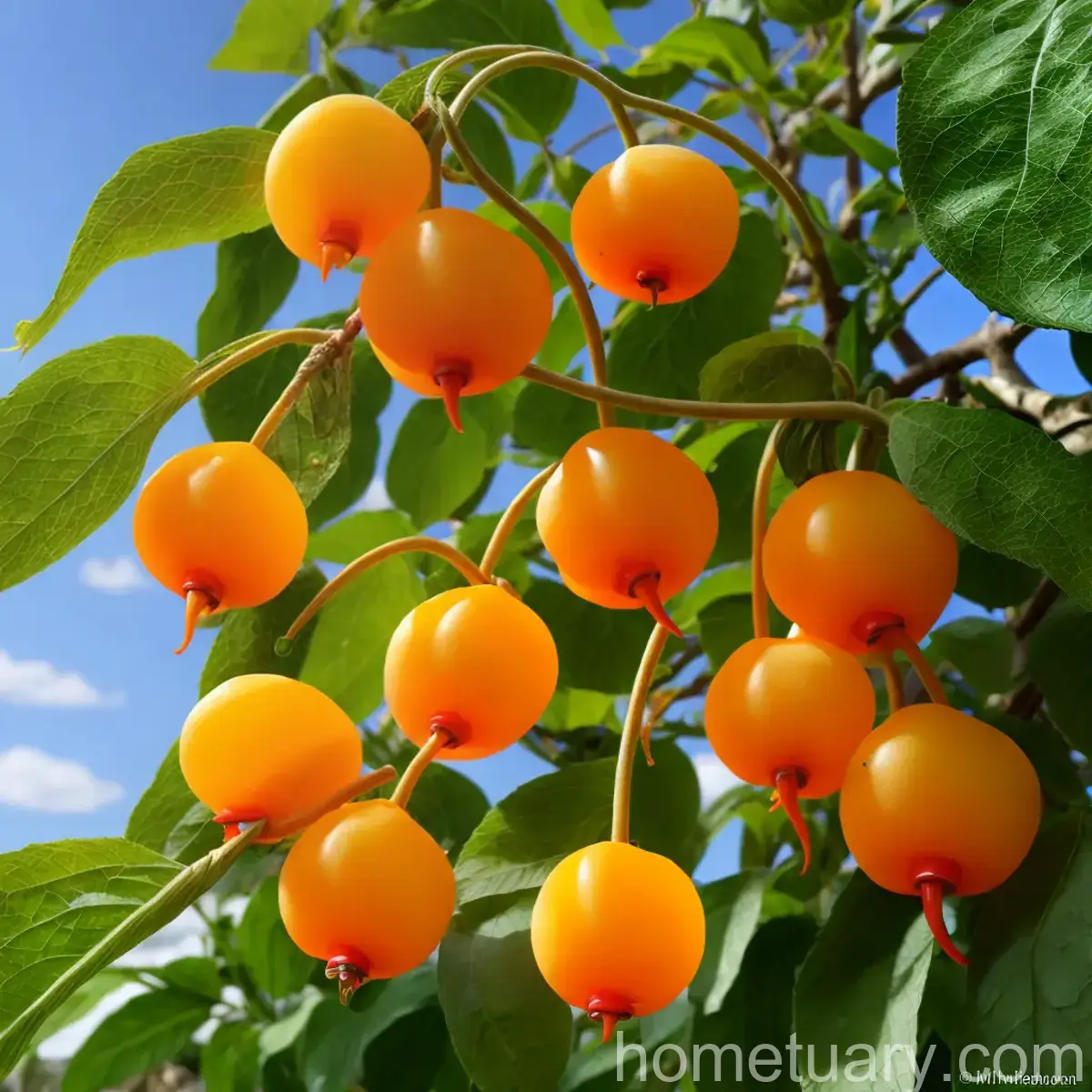
The Fascinating Peruvian Ground-Cherry (Physalis peruviana)
Introduction to the Peruvian Ground-Cherry
The Peruvian ground-cherry, scientifically known as Physalis peruviana, is a remarkable plant with a rich history and a wide array of cultural and culinary uses. This perennial plant belongs to the nightshade family, Solanaceae, and is native to the high-altitude regions of South America. Although it is called a “cherry,” the fruit is, in fact, a relative of the tomato. The plant is also commonly referred to as the “Peruvian golden berry.”
The popularity of Physalis peruviana has soared in recent years due to its exceptional nutritional benefits, distinctive taste, and versatility in both the kitchen and garden. In this comprehensive guide, we will delve into the multifaceted aspects of the Peruvian ground-cherry, ranging from its cultural significance to its optimal growing conditions and health benefits.
Key Takeaways – Peruvian Ground-Cherry (Physalis peruviana)
Before delving into the depths of the Peruvian ground-cherry, let’s summarize the key takeaways that will be discussed in this guide:
- Culture: Understand the cultural significance and historical uses of Physalis peruviana
- Uses: Explore the diverse uses of the Peruvian ground-cherry in various domains
- Water: Learn about the water requirements for cultivating Physalis peruviana
- Sunlight: Discover the optimal sunlight conditions for growing healthy Peruvian ground-cherries
- Fertilizer: Understand the fertilization needs of Physalis peruviana to promote robust growth
- Soil: Explore the ideal soil characteristics for cultivating Peruvian ground-cherries
- Pruning: Learn the techniques for effectively pruning Physalis peruviana
- Propagation: Uncover the various methods for propagating Peruvian ground-cherry plants
- Container: Understand the potential and challenges of cultivating Physalis peruviana in containers
- Popularity: Gain insights into the rising popularity of the Peruvian ground-cherry worldwide
- Common Diseases: Identify the common diseases that afflict Physalis peruviana and their management
- Disease Diagnosis: Learn to diagnose and address diseases that affect Peruvian ground-cherry plants
- Common Pests: Identify and manage the common pests that can threaten Physalis peruviana plants
- Botanist’s Tips: Discover valuable tips and insights from experienced botanists for successful cultivation
- Fun Facts: Uncover some fascinating and lesser-known facts about the Peruvian ground-cherry
What is the Peruvian Ground-Cherry (Physalis peruviana)?
The Peruvian ground-cherry, or Physalis peruviana, is a perennial plant with a fascinating history and an array of cultural and culinary significance. Let’s embark on an exploration of its various dimensions, from its cultural roots to its culinary uses and cultivation requirements.
Culture
Physalis peruviana holds significant cultural importance in the regions where it is native. In South American folklore, the plant has been linked to various traditions and stories, often revered for its golden-colored fruit. The significance of the fruit extends beyond its culinary uses, symbolizing prosperity and abundance in many traditional ceremonies and celebrations.
Uses
The uses of Physalis peruviana are multifaceted, encompassing culinary, medicinal, and ornamental applications. The succulent golden berries, enclosed in a delicate papery husk, are prized for their unique sweet-tart flavor, making them a popular addition to jams, pies, and desserts. Furthermore, the high pectin content of the fruit makes it an excellent candidate for preserves and sauces.
Beyond its culinary appeal, Physalis peruviana has a range of medicinal applications in traditional medicine. The plant has been utilized for its purported anti-inflammatory and antioxidant properties, contributing to its prominence in herbal remedies.
Water
Understanding the water requirements of Physalis peruviana is crucial for the successful cultivation of this plant. While the Peruvian ground-cherry is relatively resilient and drought-tolerant once established, it thrives in consistently moist soil, particularly during the fruiting stage. Providing regular, even moisture, without waterlogging the soil, is key to promoting healthy growth and abundant fruit production in Physalis peruviana.
Sunlight
Physalis peruviana thrives in full sun to partial shade, exhibiting optimal growth and fruit production under these conditions. A minimum of six hours of direct sunlight per day is ideal for ensuring robust plant development and bountiful harvests of the golden berries.
Fertilizer
A well-balanced fertilizer regimen is essential for the successful cultivation of Physalis peruviana. Incorporating a high-quality, balanced fertilizer, with an emphasis on potassium, phosphorus, and a moderate amount of nitrogen, can bolster plant vigor and fruit production. However, excessive nitrogen can lead to lush foliage at the expense of fruiting, so a balanced approach is crucial.
Soil
The optimal soil characteristics for cultivating Physalis peruviana include well-draining, fertile soil with a slightly acidic to neutral pH. Loamy or sandy-loam soil types are well-suited for this plant, promoting healthy root development and preventing waterlogging. Amending the soil with organic matter, such as compost, can further enhance its fertility and texture, creating an optimal environment for Physalis peruviana.
Pruning
Pruning plays a pivotal role in maintaining the health and productivity of Physalis peruviana plants. Regular maintenance pruning, involving the removal of dead or diseased branches, can prevent the spread of diseases and enhance air circulation within the canopy. Additionally, selectively pruning overcrowded or non-productive branches can redirect the plant’s energy towards fruit development, resulting in higher yields of golden berries.
Propagation
The propagation of Physalis peruviana can be achieved through several methods, including seed propagation, division of rhizomes, and stem cuttings. Each approach offers unique advantages, allowing growers to expand their Peruvian ground-cherry crop through these diverse propagation techniques. It’s crucial to select healthy, disease-free plant material for propagation to ensure the vigor and resilience of the resulting offspring.
Container
The cultivation of Physalis peruviana in containers presents both opportunities and challenges. While containers offer portability and flexibility in terms of plant placement, they necessitate vigilant attention to watering, fertilizing, and soil conditions. Selecting a well-draining, nutrient-rich potting mix and providing adequate space for root development are essential considerations when cultivating Peruvian ground-cherry in containers.
Popularity
The popularity of Physalis peruviana has experienced a notable upsurge in recent years, owing to its exceptional nutritional profile and versatile uses. With increasing awareness of its health benefits and culinary appeal, the Peruvian ground-cherry has garnered attention from chefs, home gardeners, and health enthusiasts, leading to its widespread cultivation and consumption in various regions across the globe.
Common Diseases
Physalis peruviana is susceptible to certain diseases, such as early blight and powdery mildew, which can adversely impact plant health and fruit production if left unchecked. Employing preventive measures, such as crop rotation, adequate spacing, and diligent monitoring for signs of disease, can reduce the likelihood of disease incidence and preserve the vitality of Peruvian ground-cherry plants.
Disease Diagnosis
Accurately diagnosing and addressing diseases that affect Physalis peruviana is essential for mitigating their impact and restoring plant health. By familiarizing themselves with common symptoms and disease patterns, growers can swiftly identify and implement appropriate intervention strategies, such as targeted fungicidal treatments or cultural practices that bolster plant resilience.
Common Pests
Several pests pose a threat to the well-being of Physalis peruviana, including aphids, whiteflies, and spider mites. Monitoring for pest activity, employing natural predators, and implementing cultural controls, such as regular pruning and sanitation, can minimize pest infestations and safeguard the vitality of Peruvian ground-cherry plants without resorting to harsh chemical interventions.
Botanist’s Tips
Seasoned botanists offer valuable insights and tips for cultivating Physalis peruviana successfully, drawing on their expertise and experience to guide growers in optimizing their Peruvian ground-cherry crop. These tips encompass various aspects, from soil preparation and fertility management to pest control and the timing of harvest, providing a comprehensive framework for achieving robust plant growth and bountiful fruit yields.
Fun Facts
Uncover some intriguing and lesser-known facts about the Peruvian ground-cherry, shedding light on its historical significance, ecological adaptations, and cultural symbolism. These fun facts offer a delightful glimpse into the captivating world of Physalis peruviana, enriching our understanding of this exceptional plant and its enduring allure.
Conclusion
The Peruvian ground-cherry, or Physalis peruviana, stands as a testament to nature’s diversity and cultural resonance. From its remarkable uses in the kitchen and traditional medicine to its precise cultivation requirements and resilience in the face of challenges, this plant embodies a rich tapestry of cultural, culinary, and horticultural significance.
By delving into the intricacies of Physalis peruviana, we gain an appreciation for its adaptive prowess, nutritional bounty, and enduring appeal. Whether grown for its delectable golden berries, esteemed for its cultural symbolism, or admired for its ecological adaptations, the Peruvian ground-cherry enchants and nourishes in equal measure, elevating our understanding of the natural world and its myriad wonders.
References
- [1] “Physalis peruviana: A Review of Its Ethnobotany, Phytochemistry, and Pharmacology”, by Maryam Moghaddam, et al. (2019), Frontiers in Pharmacology, https://www.frontiersin.org/articles/10.3389/fphar.2019.00980/full
- [2] “Goldenberry (Physalis peruviana L.): Current Knowledge and Future Prospects for Sustainable Production and Commercialization”, by Yennes Yarce, et al. (2015), Agronomy, https://www.mdpi.com/2073-4395/5/3/353/htm
- [3] “Golden Berry (Physalis peruviana L.)”, by Susana Finkel and José Andrés Polanía (2003), Crop Production Science in Horticulture, https://www.taylorfrancis.com/books/9780429112589/chapters/10.1201/9781422028668-49




