Big-laurel (Magnolia Grandiflora)
The towering, evergreen beauty of the Big-Laurel tree, scientifically known as Magnolia grandiflora, has captured the hearts of plant enthusiasts and.
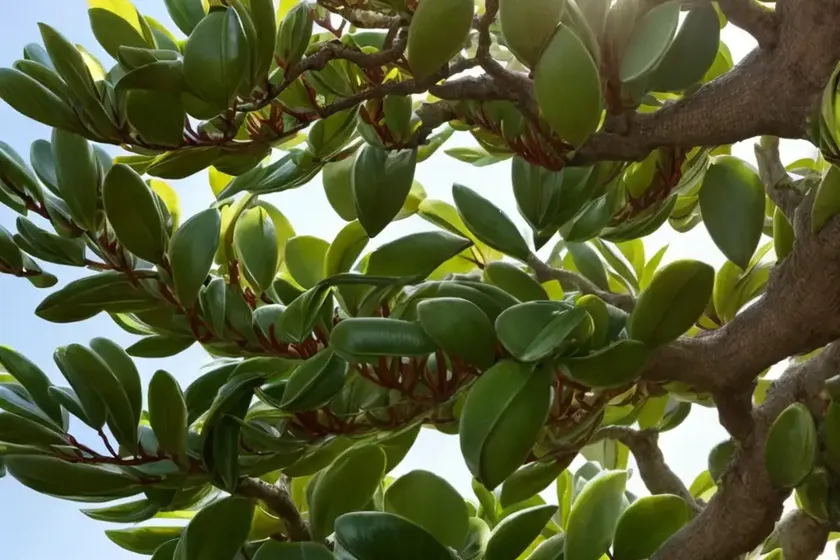
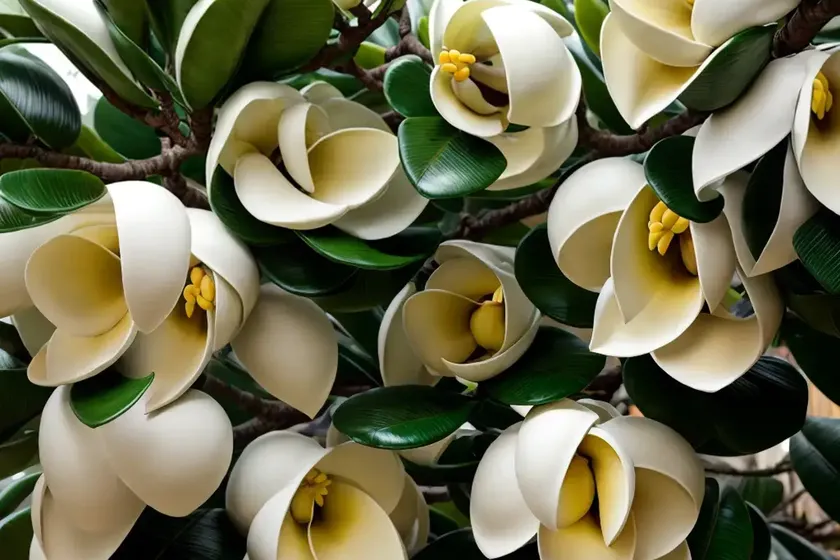
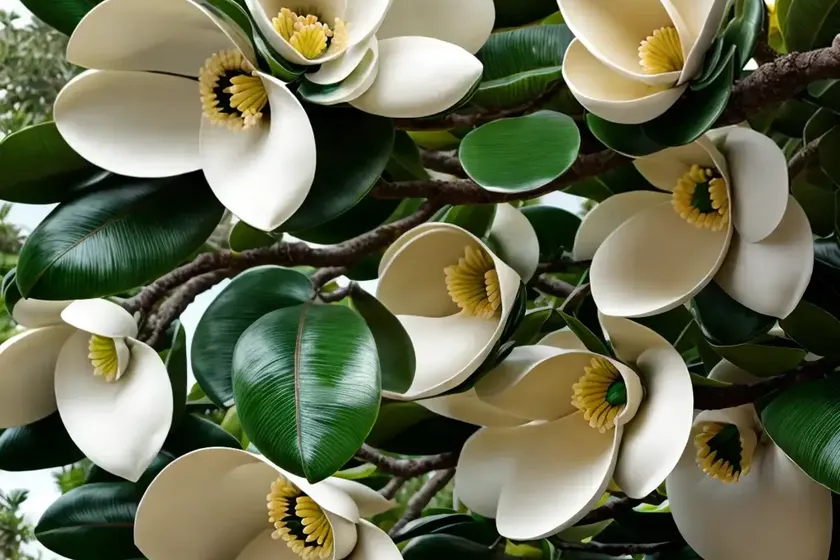
The towering, evergreen beauty of the Big-Laurel tree, scientifically known as Magnolia grandiflora, has captured the hearts of plant enthusiasts and horticulturists alike. This majestic species, native to the southeastern United States, is celebrated for its magnificent foliage, large fragrant flowers, and cultural significance, making it an iconic and revered part of the botanical world.
In this extensive guide, we will delve into the world of Magnolia grandiflora, exploring its characteristics, cultivation, uses, and much more. Whether you are an avid gardener, a nature enthusiast, or a botany student, this comprehensive resource is designed to provide you with valuable insights into the captivating realm of the Big-Laurel tree.
What is Big-Laurel (Magnolia grandiflora)?
Magnolia grandiflora, commonly referred to as the Big-Laurel, bull bay, laurel magnolia, or Southern magnolia, is a species of flowering plant in the family Magnoliaceae. This magnificent evergreen tree is characterized by its glossy, leathery leaves, which emit a delightful fragrance, and its large, showy, creamy-white flowers that exude an enchanting aroma.
The Big-Laurel tree is native to the southeastern United States, primarily found in regions stretching from North Carolina to Florida and west to Texas. It thrives in a variety of habitats, from coastal plains to upland forests, and has also been naturalized in several other regions with suitable climates.
Magnolia grandiflora has found widespread acclaim not only for its ornamental value but also for its historical, cultural, and ecological significance. This iconic tree has been an integral part of Southern landscapes and has made a significant impact on literature, folklore, and art, cementing its status as a beloved emblem of the American South.
Key Takeaways – Big-Laurel (Magnolia grandiflora)
Cultural Significance
The Big-Laurel tree holds immense cultural significance, rooted in its association with the American South. It has inspired poets, artists, and storytellers for generations, serving as a symbol of elegance, resilience, and natural splendor. The tree’s enduring presence in Southern landscapes has contributed to its revered status as a cherished botanical icon.
Ornamental Value
Magnolia grandiflora is prized for its ornamental attributes, featuring lush, glossy foliage and stunning, fragrant flowers. It is a beloved choice for gardeners and landscapers seeking to enrich their outdoor spaces with a touch of timeless beauty and aromatic allure.
Ecological Importance
Apart from its aesthetic appeal, the Big-Laurel tree plays a vital role in supporting local biodiversity, providing habitat and sustenance for a diverse array of wildlife. Its large, waxy leaves, prominent flowers, and durable wood create a valuable ecosystem within its natural range.
Historical Legacy
With a rich historical legacy, Magnolia grandiflora has been revered by various cultures and societies throughout the ages. Its presence in literature, folklore, and traditions underscores its enduring influence and significance in human history.
Landscape Versatility
The Big-Laurel tree’s versatility extends to its role in landscaping, where it can be utilized in various settings, ranging from residential gardens and public parks to commercial landscapes and institutional grounds. Its adaptability and striking appearance make it a versatile and sought-after addition to diverse environments.
Now that we have gained a deeper understanding of the significance and appeal of Magnolia grandiflora, let’s venture into the intricacies of its cultivation, care, and utilization in horticulture.
Culture
Cultivating Magnolia grandiflora requires an understanding of its environmental preferences and growth habits. By acknowledging its cultural needs, enthusiasts and horticulturists can create optimal conditions for the Big-Laurel tree to thrive and display its full splendor.
Uses
Magnolia grandiflora boasts a diverse range of uses, spanning from ornamental and landscaping purposes to traditional and medicinal applications. Understanding the multiple ways in which the tree can be utilized enables enthusiasts to appreciate its multifaceted significance.
Water
Watering practices are crucial for the successful cultivation of Magnolia grandiflora, and maintaining appropriate soil moisture levels is vital for its health and vigor. By implementing effective watering strategies, the tree can flourish and exhibit its characteristic vitality.
Sunlight
Sunlight plays a pivotal role in the Big-Laurel tree’s growth and development, influencing factors such as flowering, foliage density, and overall vigor. Understanding its sunlight requirements is essential for creating suitable growing environments.
Fertilizer
Proper fertilization is essential for enhancing the growth, health, and ornamental value of Magnolia grandiflora. By providing the tree with the necessary nutrients, enthusiasts can bolster its overall well-being and aesthetic appeal.
Soil
Understanding the soil requirements of Magnolia grandiflora is fundamental to establishing favorable growing conditions. By selecting or amending the soil composition, enthusiasts can create an environment conducive to the tree’s prosperity.
Pruning
Pruning practices are instrumental in maintaining the health, shape, and aesthetics of the Big-Laurel tree. Employing appropriate pruning techniques ensures the tree’s continued vitality and enhances its visual appeal.
Propagation
Understanding the various methods of propagation empowers enthusiasts to propagate Magnolia grandiflora effectively, whether for personal enjoyment or commercial cultivation. Exploring propagation techniques provides valuable insights into the tree’s reproductive biology and propagation potential.
Container Popularity
The versatility of Magnolia grandiflora extends to its popularity in container gardening, where it can thrive in confined spaces or be utilized for specific design and ornamental purposes. Understanding its successful cultivation in containers broadens its horticultural appeal.
Container Common Diseases
While container-grown Magnolia grandiflora offers numerous advantages, it is also susceptible to specific diseases that can affect its growth and overall health. By identifying and addressing common container diseases, enthusiasts can safeguard the tree’s well-being.
Disease Diagnosis
Recognizing and diagnosing diseases that affect Magnolia grandiflora is crucial for implementing timely and effective interventions. Understanding the symptoms and characteristics of common diseases facilitates the management of potential health issues.
Common Pests
Pest infestations can pose a threat to the health and vitality of Magnolia grandiflora, making pest management an essential aspect of its care. Identifying common pests and implementing control measures is vital for safeguarding the tree’s well-being.
Botanist’s Tips
Insights from botanists and horticultural experts can offer valuable guidance on the cultivation, care, and appreciation of Magnolia grandiflora. By leveraging expert advice and best practices, enthusiasts can foster the tree’s growth and maximize its ornamental value.
Fun Facts
Exploring intriguing and lesser-known facts about Magnolia grandiflora enriches our appreciation of this remarkable species. From historical anecdotes to botanical curiosities, these fun facts offer captivating insights into the Big-Laurel tree’s captivating world.
Now that we have examined the cultural, environmental, and care-related aspects of Magnolia grandiflora, it is essential to further explore its characteristics and roles in horticulture and beyond.
Links to External Resources
To supplement the information provided in this guide, I have curated a selection of external resources that offer valuable insights into the cultivation, care, and appreciation of Magnolia grandiflora:
- Magnolia grandiflora: Planting and Care Guide
- Landscaping with Magnolia grandiflora: Design Tips and Ideas
- Southern Magnolia: Cultural Significance and Historical References
- The Magnolia in Art and Literature: Symbolism and Representation
These resources provide comprehensive insights into the various aspects of Magnolia grandiflora, ranging from practical cultivation guidance to cultural and historical significance.
In the following sections, we will delve deeper into the intricacies of the Big-Laurel tree’s characteristics, including its foliage, flowers, ecological interactions, and more, offering a holistic portrayal of this magnificent species.
Plant Name: Big-Laurel (Magnolia grandiflora)
Magnolia grandiflora Care and Cultivation
Cultivating Magnolia grandiflora requires a nuanced understanding of its growth requirements, environmental preferences, and specific care practices. By delving into the key considerations for its successful cultivation, enthusiasts can foster the tree’s health and ornamental appeal.
Magnolia grandiflora Planting Tips
Planting Magnolia grandiflora necessitates thoughtful consideration of the planting site, soil preparation, and post-planting care. By adhering to recommended planting tips, enthusiasts can establish a strong foundation for the tree’s growth and establishment.
Magnolia grandiflora Growing Conditions
The growing conditions crucial for Magnolia grandiflora encompass factors such as sunlight, soil moisture, temperature, and environmental suitability. Understanding the specific growing conditions enables enthusiasts to create an optimal environment for the tree’s well-being.
Big-Laurel Tree Care and Maintenance
Ongoing care and maintenance practices play a pivotal role in preserving the health, vigor, and ornamental value of the Big-Laurel tree. By implementing proactive care strategies, enthusiasts can ensure the tree’s long-term vitality and underpin its enduring beauty.
Big-Laurel Tree Pruning Techniques
Pruning techniques tailored to the unique growth habits and characteristics of the Big-Laurel tree are essential for maintaining its health, shape, and ornamental appeal. Employing appropriate pruning techniques fosters the tree’s visual allure and overall stature.
Magnolia grandiflora Landscape Uses
The diverse landscape uses of Magnolia grandiflora encompass its role in residential, commercial, institutional, and public settings, where its ornamental and environmental contributions are highly valued. Exploring its landscape uses highlights its versatile applications in diverse settings.
Big-Laurel Tree Landscape Design
Incorporating Magnolia grandiflora into landscape designs calls for creative vision, environmental consideration, and an appreciation of the tree’s aesthetic and ecological attributes. Integrating the tree into landscape designs enhances the overall beauty and functionality of outdoor spaces.
Magnolia grandiflora Flowering Season
The remarkable flowering season of Magnolia grandiflora, characterized by large, fragrant blossoms, is a key highlight of its ornamental value. Understanding the timing and duration of the flowering season enables enthusiasts to anticipate and revel in the tree’s captivating floral display.
Big-Laurel Tree Pollinators
The role of pollinators in facilitating the reproductive success of Magnolia grandiflora underscores the tree’s ecological interactions and dependence on specific pollinator species. Exploring its pollinators offers insights into the intricate web of ecological relationships surrounding the tree.
Magnolia grandiflora Wildlife Habitat
The Big-Laurel tree serves as a vital wildlife habitat, providing food, shelter, and nesting sites for a diverse array of wildlife species. Understanding its role as a wildlife habitat emphasizes its ecological value and broader contributions to local ecosystems.
Big-Laurel Tree Medicinal Uses
The medicinal uses of Magnolia grandiflora hold historical and cultural significance, with traditional applications rooted in indigenous knowledge and herbal medicine. Exploring its medicinal uses offers a glimpse into the tree’s multifaceted roles in human history and health traditions.
Historical Significance of Magnolia grandiflora
Magnolia grandiflora’s historical significance is intertwined with various cultural, societal, and historical contexts, reflecting its enduring influence and symbolism. Delving into its historical significance illuminates its rich legacy and esteemed place in human history.
Big-Laurel Tree Symbolism
As a symbol of elegance, perseverance, and natural splendor, Magnolia grandiflora embodies profound symbolism in cultural, literary, and artistic expressions. Exploring its symbolism offers a deeper understanding of the tree’s enduring significance and universal appeal.
Cultural References of Magnolia grandiflora
Magnolia grandiflora’s cultural references span diverse traditions, beliefs, and artistic expressions, reflecting its enduring appeal and resonance within human culture. Examining its cultural references unveils the multifaceted ways in which the tree has permeated various facets of cultural expression.
Big-Laurel Tree Folklore
Folklore and folk traditions surrounding Magnolia grandiflora illuminate its mystical, symbolic, and practical significance in folklore and oral traditions. Exploring its folklore offers captivating insights into the tree’s enduring presence in cultural narratives and beliefs.
Magnolia grandiflora Symbolism in Art
The representation and symbolism of Magnolia grandiflora in art have been a recurring motif, epitomizing its grace, beauty, and cultural symbolism. Exploring its depiction in art provides a window into the enduring artistic appeal and symbolism of the tree.
Big-Laurel Tree Natural Habitat
The natural habitat of Magnolia grandiflora encompasses a range of ecosystems, from coastal plains to upland forests, where it thrives and contributes to the ecological fabric of its native range. Understanding its natural habitat expands our appreciation of the tree’s evolutionary and ecological context.
Magnolia grandiflora Climate Suitability
The climate suitability of Magnolia grandiflora relates to its adaptability and resilience in varying climatic conditions, influencing its geographical distribution and horticultural potential. Understanding its climate suitability provides insights into its environmental preferences and range.
Big-Laurel Tree Native Range
The native range of Magnolia grandiflora spans specific regions of the southeastern United States, where it has established its presence and ecological importance. Exploring its native range offers a glimpse into the tree’s natural distribution and historical context.
Magnolia grandiflora Leaf Characteristics
The unique leaf characteristics of Magnolia grandiflora, featuring glossy, leathery foliage, contribute to its ornamental appeal and ecological functions. Understanding its leaf morphology enhances our appreciation of the tree’s distinct botanical traits.
Big-Laurel Tree Bark Texture
The bark texture of Magnolia grandiflora offers distinct visual and tactile qualities, adding to its overall aesthetic allure and natural charm. Exploring its bark texture highlights the tree’s tactile appeal and enduring presence in the natural landscape.
Magnolia grandiflora Root System
The root system of Magnolia grandiflora plays a fundamental role in its anchorage, nutrient uptake, and overall vitality, underpinning its resilience and growth. Understanding its root system sheds light on the tree’s belowground adaptations and ecological interactions.
Big-Laurel Tree Water Requirements
The water requirements of Magnolia grandiflora are crucial for maintaining optimal soil moisture levels and supporting its physiological functions. By acknowledging its water requirements, enthusiasts can ensure the tree’s hydration and vitality.
Magnolia grandiflora Pests
Pest management forms an integral part of caring for Magnolia grandiflora, safeguarding the tree from potential pest infestations and their detrimental effects. Understanding its common pests enables enthusiasts to protect the tree’s health and ornamental value.
Big-Laurel Tree Companion Plants
Companion planting with Magnolia grandiflora involves selecting suitable plant partners to create harmonious and visually appealing garden compositions. Exploring its companion plants offers insights into compatible species and design possibilities.
Magnolia grandiflora Propagation Methods
Understanding the various methods of propagating Magnolia grandiflora is essential for expanding its horticultural presence and genetic diversity. Exploring its propagation methods unveils the tree’s reproductive biology and propagation potential.
Big-Laurel Tree Hybridization
Hybridization efforts involving Magnolia grandiflora have contributed to the development of unique cultivars and genetic diversity within the species. Examining its hybridization highlights the tree’s adaptability and breeding potential in horticulture.
Magnolia grandiflora Garden Uses
Magnolia grandiflora’s garden uses encompass its role as a focal point, backdrop, or ornamental element within diverse garden settings, where its distinctive attributes enrich the outdoor environment. Exploring its garden uses offers practical insights into its horticultural versatility.
Big-Laurel Tree Winter Hardiness
The winter hardiness of Magnolia grandiflora reflects its ability to withstand cold temperatures and adverse winter conditions, shaping its ecological range and horticultural applications. Understanding its winter hardiness sheds light on its adaptability and resilience in colder climates.
Magnolia grandiflora Pruning Techniques
Pruning techniques tailored to the growth habits and characteristics of Magnolia grandiflora are essential for maintaining its health, shape, and ornamental appeal. Employing appropriate pruning techniques enhances the tree’s visual allure and overall stature.
Big-Laurel Tree Container Gardening
Cultivating Magnolia grandiflora in containers offers innovative and space-saving opportunities for incorporating the tree into diverse garden and landscape settings. Exploring its container gardening potential expands its horticultural adaptability and appeal.
Magnolia grandiflora Disease Resistance
Understanding the disease resistance of Magnolia grandiflora enables enthusiasts to select resilient cultivars and implement preventive measures against common diseases. Exploring its disease resistance highlights the tree’s adaptability and genetic robustness.
Big-Laurel Tree Fertilization Tips
Optimal fertilization practices contribute to the growth, vigor, and ornamental value of Magnolia grandiflora, promoting its health and resilience. By following recommended fertilization tips, enthusiasts can enhance the tree’s overall well-being and aesthetic appeal.
Magnolia grandiflora Wind Tolerance
The wind tolerance of Magnolia grandiflora influences its adaptability to open landscapes and coastal environments, shaping its ecological niche and horticultural considerations. Understanding its wind tolerance offers insights into its environmental resilience and landscape suitability.
Big-Laurel Tree Shade Tolerance
The shade tolerance of Magnolia grandiflora determines its adaptability to shaded environments and influences its landscape applications. Exploring its shade tolerance provides insights into its ecological flexibility and horticultural potential in diverse settings.
Magnolia grandiflora Ornamental Features
The ornamental features of Magnolia grandiflora, including its foliage, flowers, and overall growth habit, contribute to its visual appeal and horticultural value. Examining its ornamental features unveils the tree’s aesthetic allure and diverse applications in garden and landscape designs.
Big-Laurel Tree Specimen Planting
Specimen planting with Magnolia grandiflora accentuates its unique beauty and ornamental significance, allowing it to stand out as a focal point within garden compositions. Exploring its specimen planting possibilities offers creative and horticultural insights.
Magnolia grandiflora Leaf Shedding Patterns
The leaf shedding patterns of Magnolia grandiflora, influenced by seasonal and environmental factors, contribute to its growth rhythm and ecological interactions. Understanding its leaf shedding patterns enriches our comprehension of the tree’s life cycle and botanical characteristics.
Big-Laurel Tree Storm Resistance
The storm resistance of Magnolia grandiflora reflects its ability to withstand adverse weather conditions and the associated challenges. Exploring its storm resistance underscores the tree’s adaptability and resilience in unpredictable environmental conditions.
Magnolia grandiflora Wood Uses
The wood of Magnolia grandiflora has cultural, artisanal, and utilitarian applications, reflecting its historical and practical significance. Understanding its wood uses offers a glimpse into the tree’s economic and cultural contributions.


