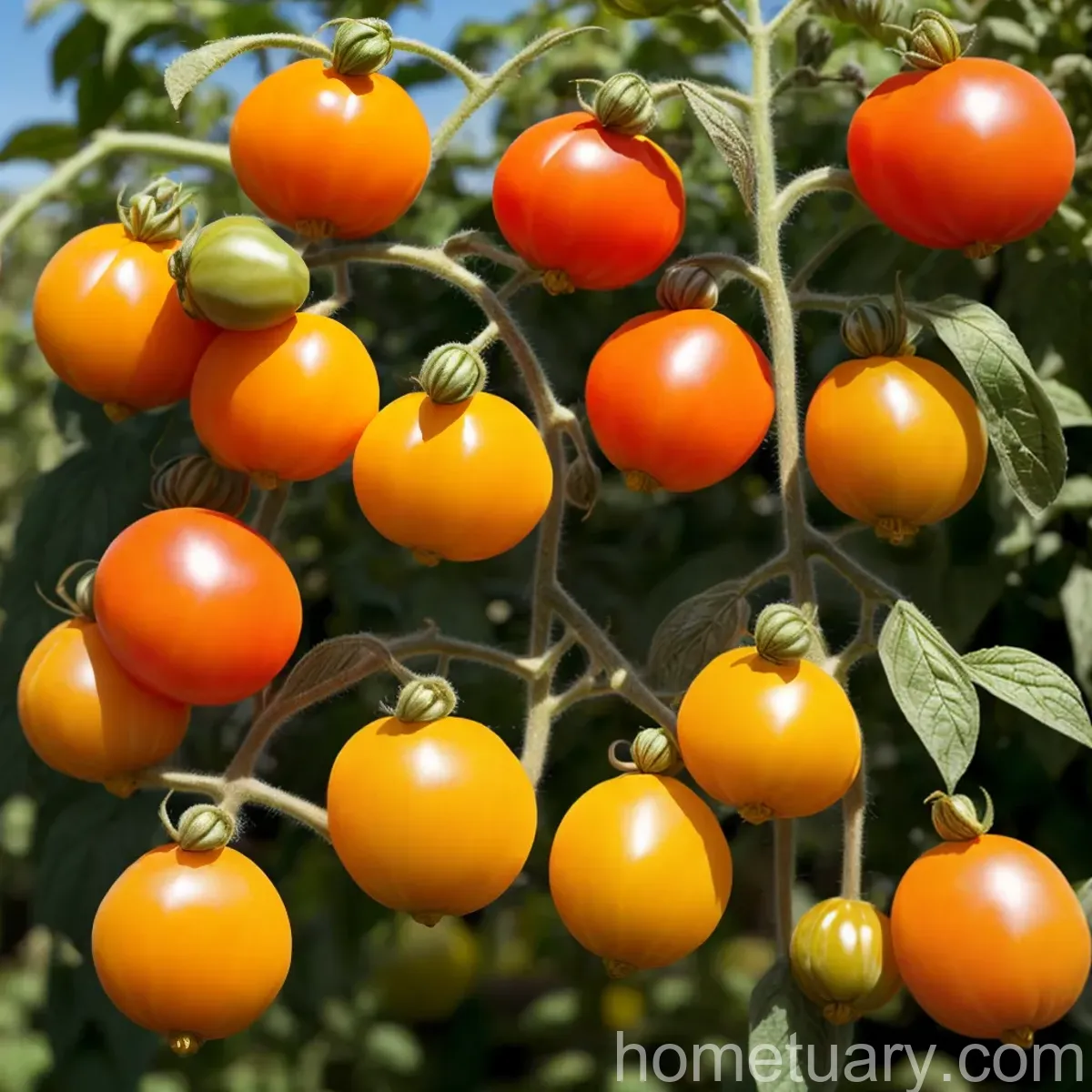
Plant Scientist Blog: Exploring the World of Husk Tomatoes (Physalis philadelphica)
In this blog post, we will delve into the fascinating world of husk tomatoes, scientifically known as Physalis philadelphica. Also referred to as tomatillos, ground cherries, or Mexican husk tomatoes, this plant belongs to the nightshade family, which includes popular plants like tomatoes, potatoes, and peppers. We will explore the culture, uses, cultivation techniques, and various aspects related to the care of husk tomatoes. This blog will serve as a comprehensive guide for both gardeners and plant enthusiasts who are interested in learning more about this intriguing plant.
What is a Plant: Husk Tomatoes (Physalis philadelphica)
Husk tomatoes (Physalis philadelphica) are small, round fruits encased in papery husks. These husk tomatoes are native to Mexico and have been cultivated for centuries for their culinary use and medicinal properties. The fruit resembles a small tomato and is commonly used in various culinary dishes, particularly in Mexican and Central American cuisine. The tomatillo plant, as it is also known, has a sprawling growth habit and produces lantern-like papery husks that enclose the developing fruits.
Husk Tomato Varieties
Husk tomatoes (Physalis philadelphica) have various cultivars and varieties that differ in fruit size, flavor, and maturity. Some popular varieties include ‘Toma Verde,’ ‘Rio Grande Verde,’ and ‘Purple.’ Each variety offers unique characteristics and flavors, adding diversity to the cultivation of husk tomatoes.
Plant Family
Belonging to the Solanaceae family, Physalis philadelphica is closely related to commonly known plants such as tomatoes (Solanum lycopersicum), peppers (Capsicum annuum), and eggplants (Solanum melongena). This plant family is known for its economically important vegetable and spice crops, making husk tomatoes a valuable addition to this group.
Plant Characteristics
Husk tomatoes exhibit unique growth habits, with sprawling stems and characteristic papery husks that envelop the developing fruits. The plant’s growth and development are influenced by various factors, including sunlight, water, and soil quality.
Key Takeaways – Husk Tomatoes (Physalis philadelphica)
Before delving into the detailed aspects of husk tomato cultivation, it’s essential to grasp some key takeaways about this fascinating plant. Understanding its cultural significance, uses, and basic care requirements will provide a solid foundation for successful cultivation.
Culture
In Mexican and Central American cultures, husk tomatoes hold immense culinary and cultural significance. They are essential ingredients in traditional dishes, including salsas, sauces, and stews. The plant’s cultural importance extends to its role in folk medicine and traditional healing practices.
Uses
Husk tomatoes are particularly valued for their culinary applications. The tart, citrusy flavor of the fruits adds a unique dimension to various dishes. From creating flavorsome salsas and sauces to incorporating them into salads and main dishes, husk tomatoes offer versatile culinary uses.
Cultivation Techniques
Water
Proper watering is essential for the healthy growth of husk tomato plants. The plants require consistent moisture, particularly during the flowering and fruit development stages. However, it’s crucial to avoid waterlogged conditions to prevent root rot. A well-draining soil is beneficial for maintaining adequate moisture levels while preventing water stagnation.
Sunlight
Husk tomatoes thrive in full sun, requiring at least 6-8 hours of sunlight daily for optimal growth and fruit production. Adequate sunlight exposure promotes robust growth, flowering, and fruit set, leading to a bountiful harvest.
Fertilizer
Applying a balanced fertilizer when planting husk tomatoes can provide essential nutrients for healthy growth. A fertilizer with higher phosphorus content can support fruit development and overall plant vigor. Additionally, supplementing with organic matter such as compost can enhance soil fertility and nutrient availability.
Soil
Well-draining, fertile soil is paramount for husk tomato cultivation. A slightly acidic to neutral pH range of 6.0-7.0 is optimal for nutrient uptake by the plants. Amending the soil with organic matter can improve its structure and fertility, creating an ideal growing medium for husk tomatoes.
Pruning
Pruning Methods
Pruning can help manage the growth and fruit production of husk tomato plants. Removing excessive vegetative growth and thinning out crowded branches can improve air circulation and light penetration, reducing the risk of diseases and promoting fruit development.
Propagation
Husk tomatoes can be propagated from seeds, cuttings, or transplants. Seed propagation is the most common method and requires starting the seeds indoors before transplanting them into the garden. Selecting high-quality seeds from reputable sources can ensure strong, healthy seedlings for successful propagation.
Container Gardening
Growing husk tomatoes in containers is a viable option for individuals with limited garden space. Choosing a sizable container with adequate drainage and providing proper support for the sprawling vines can facilitate successful container cultivation.
Popularity
Husk tomatoes have gained popularity beyond their native region, captivating the interest of home gardeners, chefs, and culinary enthusiasts around the world. Their unique flavor and culinary versatility have contributed to their growing popularity in diverse cuisines.
Common Diseases and Pests
Disease Diagnosis
Husk tomatoes are susceptible to certain diseases, including fungal infections and bacterial diseases. Common issues such as early blight and powdery mildew can affect the plant’s foliage and fruit, necessitating timely diagnosis and management to prevent widespread damage.
Common Pests
Pests such as aphids, tomato hornworms, and flea beetles can pose challenges to husk tomato plants. Regular monitoring and prompt intervention with natural predators or organic pest control methods can help mitigate pest infestations.
Botanist’s Tips
Cultivation Tips
Understanding the specific requirements of husk tomato plants, including their need for ample sunlight, well-draining soil, and regular moisture, is crucial for successful cultivation. Additionally, providing support for the sprawling vines and practicing proper pruning techniques are valuable cultivation tips.
Growing Indoors
For individuals in regions with shorter growing seasons or limited outdoor space, growing husk tomatoes indoors can be a rewarding endeavor. Indoor cultivation requires adequate light exposure, proper container selection, and attention to temperature and humidity levels.
Fun Facts
- Husk tomatoes are known for their unique method of fruit development within papery husks, giving them a lantern-like appearance during maturation.
- The tomatillo fruit is a rich source of essential nutrients, including vitamins A and C, and contributes to a well-rounded diet.
- The use of husk tomatoes in traditional Mexican cuisine dates back to ancient civilizations, reflecting their enduring culinary legacy.
- The plant’s botanical characteristics, such as its sprawling growth habit and distinctive papery husks, contribute to its ornamental appeal in home gardens.
Links to External Resources
To further enrich your knowledge and exploration of husk tomatoes (Physalis philadelphica), the following external resources can provide valuable insights, tips, and additional information:
- Botanical Illustrations of Physalis philadelphica
- Culinary Uses of Husk Tomatoes in Mexican Cuisine
- Medicinal Properties of Physalis philadelphica
- Gardeners’ Forum: Growing Tomatillos
- Pest and Disease Management in Husk Tomatoes
In conclusion, the cultivation and care of husk tomatoes (Physalis philadelphica) offer a rewarding experience for gardeners and plant enthusiasts. By understanding the plant’s cultural significance, culinary uses, and specific cultivation techniques, individuals can successfully grow and enjoy the bountiful fruits of this intriguing plant. From incorporating them into delectable dishes to appreciating their ornamental value, husk tomatoes enrich the world of horticulture with their unique charm and versatility. Happy gardening!