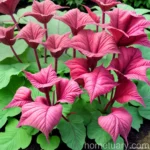
Platterleaf (Coccoloba uvifera): A Comprehensive Plant Care Guide
In the world of landscaping and gardening, the Platterleaf (Coccoloba uvifera) stands out as an exceptional choice. Renowned for its resilience and beauty, this plant has become a favorite among gardening enthusiasts and landscape designers. In this comprehensive plant care guide, we will dive deep into all aspects of the Platterleaf, including its culture, uses, care requirements, propagation methods, common diseases, and much more. Whether you are a seasoned gardener or just starting with your green thumb endeavors, this guide will provide you with valuable insights into nurturing and enjoying the Platterleaf plant to its fullest potential.
What is Platterleaf (Coccoloba uvifera)?
The Platterleaf, scientifically known as Coccoloba uvifera, is a species of flowering plant in the buckwheat family, Polygonaceae. This evergreen tree is native to coastal areas of the Caribbean, Central America, and south Florida. It’s commonly found in coastal dunes, sandy beaches, and maritime forests, where it plays a crucial role in stabilizing sand and preventing erosion. The Platterleaf is characterized by its large, round, and leathery leaves that provide an exotic tropical appeal. It bears small, red-purple fruits that are a valuable food source for wildlife, including birds and mammals.
Key Takeaways – Platterleaf (Coccoloba uvifera)
Before we delve into the nitty-gritty of Platterleaf care, let’s take a quick look at the key takeaways that will guide us through this comprehensive plant care guide.
- Plant Name: Platterleaf (Coccoloba uvifera)
- Common Names: Seagrape, Baygrape, Coccoloba
- Family: Polygonaceae
- Native Habitat: Coastal areas of the Caribbean, Central America, and south Florida
- Foliage: Large, round, leathery leaves
- Fruits: Small, red-purple, edible fruits
- Role: Erosion control, wildlife food source
Now that we have a basic understanding of what the Platterleaf is, let’s move on to understand how to care for this exceptional plant.
Culture
Uses
The Platterleaf holds significant value in various landscaping and environmental conservation applications. Its uses include but are not limited to:
- Erosion Control: The extensive root system and tough foliage of the Platterleaf make it a valuable asset in preventing soil erosion, especially in coastal areas.
- Wildlife Habitat: The fruits of the Platterleaf serve as a food source for a range of wildlife, supporting biodiversity in coastal ecosystems.
- Landscape Ornament: With its attractive foliage and fruits, the Platterleaf makes for an eye-catching addition to any landscape, especially in coastal and tropical-themed gardens.
Water
As a coastal native, the Platterleaf exhibits good tolerance to salt spray and sandy soils. However, it still requires regular watering, especially during its establishment period. Once it has developed a strong root system, it can withstand periods of drought well. It’s essential to provide adequate moisture during dry spells to ensure optimal growth and fruit production.
Sunlight
Platterleaf plants thrive in full sunlight, making them an ideal choice for sunny coastal landscapes. They can tolerate partial shade, but to encourage robust growth and fruiting, it’s best to plant them in locations where they receive ample sunlight.
Fertilizer
In terms of fertilizer, the Platterleaf doesn’t demand much. A balanced, slow-release fertilizer applied in spring can suffice to support healthy growth. It’s important to avoid excessive fertilization, as this can lead to lush foliage with reduced fruit production.
Soil
The Platterleaf performs best in well-drained, sandy, or loamy soils. While it can adapt to various soil types, ensuring good drainage is crucial to prevent root rot and other moisture-related issues. The plant’s coastal origins make it well-suited to sandy soils with low nutrient content.
Pruning
Pruning is not a significant requirement for Platterleaf plants. However, occasional pruning to control their size and shape or to remove dead or damaged branches can be beneficial. It’s best to undertake any pruning during the plant’s dormant period to minimize stress and promote vigorous regrowth.
Propagation
The propagation of the Platterleaf can be achieved through seeds or stem cuttings. The process involves the following steps:
- Seed Propagation: Collect the ripe fruits and extract the seeds. Sow the seeds in well-draining soil and maintain consistently moist conditions until germination occurs.
- Stem Cuttings: Select a healthy, non-flowering stem and cut it into sections of around 6 inches. Remove the lower leaves and plant the cuttings in a suitable rooting medium. Ensure adequate moisture and warmth for successful root development.
Container Popularity
While the Platterleaf is often grown as a landscape specimen, it also has a place in container gardening. Its ornamental foliage and relatively compact size make it an attractive choice for patio planters, especially in coastal or tropical-themed container gardens.
Common Diseases
Platterleaf plants are generally resilient and not highly susceptible to diseases. However, they can experience issues such as root rot if subjected to excessively wet conditions. Proper soil drainage and watering practices can help prevent such issues.
Disease Diagnosis
Should you notice any signs of decline in your Platterleaf, it’s important to closely examine the plant for symptoms. Discolored, wilting, or dropping leaves, mushy stems, and a musty odor around the roots can indicate potential diseases. Prompt action to address the underlying causes, such as overwatering or poor drainage, is crucial to prevent further deterioration.
Common Pests
The hardy nature of the Platterleaf generally deters many common pests. However, occasional encounters with aphids or scale insects may occur. Regular inspections of the foliage and stems can help in early pest detection. If infestations are observed, mild soapy water sprays or horticultural oils can often effectively manage the pests.
Botanist’s Tips
- Coastal Adaptation: Utilize the Platterleaf in coastal landscaping projects to promote soil stabilization and provide habitat for coastal wildlife.
- Minimal Pruning: While the Platterleaf can be pruned for shaping, it generally requires minimal maintenance, making it an easy-care addition to a garden or landscape.
- Wildlife Attraction: Make the most of the Platterleaf’s wildlife-attracting qualities by including it in wildlife-friendly garden designs.
Fun Facts
- The name “Coccoloba” is derived from the Greek “kokkolobis,” which means “like a berry,” a nod to the plant’s distinctive fruits.
- Platterleaf plants are known to attract a variety of bird species, especially during the fruiting season, adding a lively touch to garden spaces.
- In addition to its ecological and aesthetic value, the Platterleaf has been traditionally used in herbal medicine for various therapeutic purposes.
Now that we have explored the essential aspects of Platterleaf care, let’s dive into some additional resources and references for further insights.
Links to External Resources
For further information on Platterleaf (Coccoloba uvifera) and related topics, the following external resources can be valuable references:
- National Tropical Botanical Garden – “Coccoloba uvifera”
- University of Florida IFAS Extension – “Seagrape”
- USDA NRCS – “Coccoloba uvifera”
- The Royal Horticultural Society – “Coccoloba uvifera”
By leveraging these resources, enthusiasts and professionals can gather in-depth knowledge about the Platterleaf plant and how to cultivate and care for it effectively.
In this comprehensive plant care guide, we have delved into the intricacies of nurturing the striking Platterleaf (Coccoloba uvifera). From its cultural significance to its propagation methods and potential challenges, we have covered a range of topics essential for anyone seeking to bring out the best in this coastal gem. With a touch of dedication and the right knowledge, you can create thriving and visually captivating landscapes infused with the distinct beauty of the Platterleaf. Whether it’s erosion control, wildlife habitat creation, or simply adding a tropical allure to your garden, the Platterleaf stands ready to fulfill its role with grace and resilience.