Chinese Lantern (Physalis alkekengi) Plant Care Guide

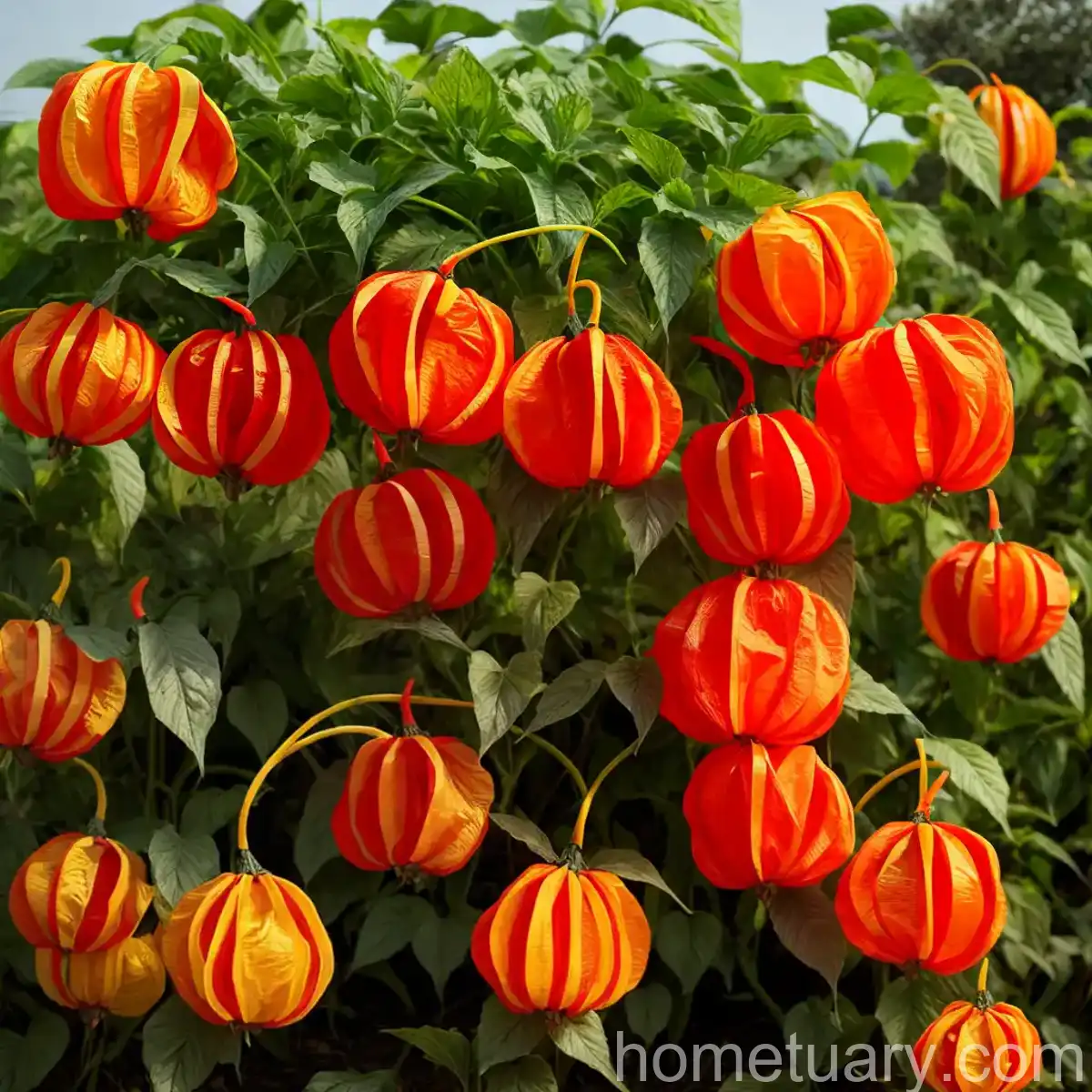
Chinese lantern plant, scientifically known as Physalis alkekengi, is a fascinating and unique addition to any garden or landscape. With its bright orange papery husks and decorative appeal, the Chinese lantern plant is not only visually stunning but also carries cultural, medicinal, and historical significance. In this comprehensive care guide, we will explore everything you need to know to cultivate and care for the Chinese lantern plant, from its cultural uses to seasonal care and pest control. Let’s delve into the world of Physalis alkekengi and unlock the secrets to nurturing this extraordinary plant.
What is the Chinese Lantern (Physalis alkekengi)?
The Chinese lantern plant, or Physalis alkekengi, is a herbaceous perennial that belongs to the nightshade family, Solanaceae. Originating from regions in southern Europe, southeastern Asia, and Japan, this plant is characterized by its distinctive lantern-like husk that encases the fruit, giving rise to its common name. The bright orange to red husks, technically called calyces, enclose small edible fruits, also known as Physalis, within the lantern-like structure.
Key Takeaways – Chinese Lantern (Physalis alkekengi)
Before we delve into the specific care instructions for the Chinese lantern plant, let’s summarize the key takeaways for this unique and culturally significant plant:
- Culture:
- The Chinese lantern plant holds significant cultural and historical importance, being used in traditional Chinese medicine and folklore.
- Uses:
- It is valued for its ornamental qualities in landscaping and gardens and also holds medicinal properties.
- Water:
- The plant should be watered consistently, ensuring that the soil does not dry out completely.
- Sunlight:
- Chinese lantern plants thrive in full sunlight, requiring at least 6-8 hours of direct sunlight per day.
- Fertilizer:
- They benefit from a balanced, all-purpose fertilizer applied during the growing season.
- Soil:
- Well-draining, fertile soil is ideal for promoting healthy growth and fruit production.
- Pruning:
- Pruning can help manage the plant’s growth and maintain its shape and aesthetic appeal.
- Propagation:
- They can be propagated through seeds or root division, providing an opportunity to expand your plant collection.
- Container Popularity:
- Chinese lantern plants grow well in containers, making them suitable for urban and small-space gardening.
- Common Diseases and Pests:
- Understanding the potential diseases and pests and their control methods is crucial for maintaining plant health.
With these essential points in mind, let’s explore each aspect of Chinese lantern plant care in detail.
Culture of the Chinese Lantern Plant
The Chinese lantern plant holds cultural significance beyond its ornamental value. It has been used in traditional Chinese medicine for its medicinal properties and is also deeply rooted in folklore and mythology.
Uses
The Physalis alkekengi plant has several uses, making it a versatile and multi-purpose addition to gardens and landscapes:
- Ornamental Value:
- The decorative husks of the Chinese lantern plant make it a popular choice for decorative purposes, including dried floral arrangements and fall decorations.
- Medicinal Properties:
- In traditional Chinese medicine, various parts of the Chinese lantern plant have been used for their medicinal properties, believed to have anti-inflammatory and diuretic effects, among other potential health benefits.
Growing Conditions and Care Guide
To cultivate a thriving Chinese lantern plant, it is essential to understand its specific requirements in terms of water, sunlight, fertilizer, soil, and other care practices.
Water
Proper watering is crucial for the health and vitality of the Chinese lantern plant. Here are some key considerations for watering this unique plant:
- Consistent Moisture:
- Chinese lantern plants prefer consistently moist soil. They should not be allowed to dry out completely, especially during periods of active growth and fruit development.
- Avoid Waterlogging:
- While maintaining moisture is important, it is equally essential to ensure that the soil is well-draining to prevent waterlogging, which can lead to root rot and other issues.
Sunlight
Sunlight plays a pivotal role in the growth and blooming of the Chinese lantern plant. Adequate sunlight ensures vigorous growth and vibrant displays of the distinctive lantern-like husks. Here’s what you need to know about providing the right sunlight conditions for your Chinese lantern plants:
- Full Sun Exposure:
- Chinese lantern plants thrive in full sunlight, requiring at least 6-8 hours of direct sunlight per day. Position them in a location where they can receive ample sunlight to support healthy growth and fruit development.
Fertilizer
Fertilizing the Chinese lantern plant can support its growth and fruit production. Choosing the right type of fertilizer and applying it at the appropriate times are essential for promoting the plant’s overall health and vitality.
- Balanced Fertilizer:
- Use a balanced, all-purpose fertilizer with equal proportions of nitrogen, phosphorus, and potassium to provide essential nutrients for the plant’s growth and fruit development.
- Application Timing:
- Apply fertilizer in early spring before new growth begins, and consider a second application in mid-summer to support continued growth and fruiting.
Soil
The soil composition and quality significantly impact the Chinese lantern plant’s health and productivity. Providing the right soil conditions can contribute to robust growth and plentiful fruit production.
- Well-Draining Soil:
- Plant Chinese lanterns in well-draining, fertile soil that promotes healthy root development and prevents waterlogged conditions.
- pH Level:
- The ideal soil pH for Chinese lantern plants ranges from 6.0 to 7.0, providing a slightly acidic to neutral environment for optimal growth.
Pruning Techniques for Chinese Lantern Plants
Pruning is a beneficial practice for managing the growth, shape, and overall appearance of the Chinese lantern plant. By adopting the right pruning techniques, you can enhance the plant’s aesthetic appeal and encourage vigorous growth.
Pruning Guidelines:
- Deadheading:
- Remove spent flowers by deadheading to encourage continuous blooming and prolong the plant’s ornamental display.
- Shape Maintenance:
- Prune the plant to maintain its desired shape and size, promoting a neat and tidy appearance in the garden or landscape.
- Branch Management:
- Trim back overly long or unruly branches to encourage a more compact and manageable growth habit.
Propagation of Chinese Lantern Plants
Propagating Chinese lantern plants provides an opportunity to expand your plant collection and share the beauty of this unique species with others. There are several effective methods for propagating Physalis alkekengi, including seeds and root division.
Propagation Techniques
- Seeds:
- Collect seeds from mature Chinese lantern fruits and sow them in suitable growing medium to germinate new plants.
- Root Division:
- Divide established plants by carefully separating the root systems and replanting the divisions to create new Chinese lantern plant specimens.
Chinese Lantern Plant Cultivation in Containers
Chinese lantern plants are well-suited for container cultivation, making them an excellent choice for urban and small-space gardening. With the right container and care practices, you can enjoy the beauty of Physalis alkekengi even in limited garden spaces.
Container Requirements
- Size and Depth:
- Choose a container that provides ample space for the plant’s roots and allows for unrestricted growth. A depth of at least 12 inches is generally recommended for accommodating the Chinese lantern plant’s root system.
- Drainage Holes:
- Ensure that the container has adequate drainage holes to prevent waterlogging and maintain proper soil moisture levels.
- Soil Selection:
- Use a well-draining, high-quality potting mix to provide a suitable growing medium for Chinese lantern plants in containers.
Popularity of Chinese Lantern Plants in Containers
The Chinese lantern plant’s appeal and adaptability make it a popular choice for container gardening. Its eye-catching lantern-like husks add a touch of uniqueness to container displays, making it a sought-after option for both seasoned and novice gardeners.
Benefits of Container Cultivation
- Decorative Displays:
- Chinese lantern plants in containers create striking and decorative displays, particularly when the lanterns begin to develop their distinct orange color.
- Space-Saving:
- Container cultivation allows gardeners with limited space to enjoy the beauty and cultural significance of the Chinese lantern plant, making it an ideal choice for urban and small gardens.
Common Diseases of Chinese Lantern Plants
Understanding the potential diseases that can affect Chinese lantern plants is crucial for effectively maintaining their health and vitality. By recognizing common diseases early and implementing appropriate control measures, you can safeguard your plants from potential damage.
Disease Diagnosis
- Powdery Mildew:
- Powdery mildew can affect Chinese lantern plants, presenting as a powdery white covering on the leaves and stems. Ensure proper airflow and consider fungicidal treatments if necessary.
- Gray Mold (Botrytis):
- Botrytis, or gray mold, may develop in cool, humid conditions, causing fuzzy gray growth on the plant. Prune affected areas and promote better air circulation to mitigate its impact.
Common Pests Affecting Chinese Lantern Plants
In addition to diseases, Chinese lantern plants may also face challenges from various pests that can impact their health and ornamental value. Identifying and managing these pests is essential for preserving the plant’s vitality.
Pest Control
- Aphids:
- Monitor for aphid infestations, particularly on the undersides of leaves, and use insecticidal soap or neem oil to control their populations.
- Whiteflies:
- Whiteflies can be managed through the application of insecticidal sprays or by introducing natural predators such as beneficial insects to the garden.
Botanist’s Tips for Growing Chinese Lantern Plants
As a botanist, I’ve gained valuable insights into the specific care requirements and growth habits of the Chinese lantern plant. Here are some expert tips to help you cultivate and care for your Physalis alkekengi successfully.
Expert Recommendations
- Winter Protection:
- In regions with harsh winters, provide additional protection for Chinese lantern plants by mulching around the base to insulate the roots and prevent frost damage.
- Harvesting:
- If you plan to harvest the lanterns for decorative use, allow the fruits to mature fully on the plant before harvesting to ensure vibrant color and longevity in decorative displays.
Fun Facts about Chinese Lantern Plants
Discover the fascinating and intriguing aspects of the Chinese lantern plant with these fun and remarkable facts that showcase its cultural, historical, and botanical significance.
Intriguing Tidbits
- Symbolic Significance:
- The Chinese lantern plant holds symbolic importance in various cultures, representing good fortune, prosperity, and protection, adding an extra layer of significance to its ornamental appeal.
- Herbal Remedies:
- In addition to its ornamental and culinary uses, Chinese lantern plants have been utilized in traditional herbal remedies for various ailments and health conditions.
Links to External Resources
Expand your knowledge and delve deeper into the world of Chinese lantern plants by exploring reputable external resources that offer valuable information and insights about this captivating species.
- The Royal Horticultural Society (RHS): https://www.rhs.org.uk/plants/17853/i-physalis-alkekengi-i/details
- University of Maryland Extension – Home and Garden Information Center: https://extension.umd.edu/hgic/topics/chinese-lantern
Conclusion
Cultivating and caring for the Chinese lantern plant, or Physalis alkekengi, offers a multifaceted and enriching horticultural experience. From its cultural uses to ornamental appeal, medicinal properties, and intricate folklore, the Chinese lantern plant embodies a rich tapestry of significance and charm. By applying the insights and guidelines presented in this comprehensive care guide, you can nurture healthy, vibrant, and visually captivating Chinese lantern plants, enhancing the beauty and cultural heritage of your garden or landscape. Embrace the allure of the Chinese lantern plant and embark on a rewarding journey of discovery and cultivation with this remarkable species.
References
- “Chinese Lantern Plant (Physalis alkekengi)” Royal Horticultural Society (RHS). Available online: https://www.rhs.org.uk/plants/17853/i-physalis-alkekengi-i/details
- “Chinese Lantern” University of Maryland Extension – Home and Garden Information Center. Available online: https://extension.umd.edu/hgic/topics/chinese-lantern