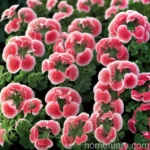
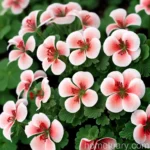
Pelargonium ‘Imperial Butterfly’ (Scented leaf Angel Pelargonium)
Pelargonium ‘Imperial Butterfly’, commonly known as Scented leaf Angel Pelargonium, is a delightful and fragrant plant that belongs to the Pelargonium genus. Renowned for its vibrant blooms and aromatic foliage, this species is a favorite amongst gardeners and plant enthusiasts. In this comprehensive guide, we will delve into the various aspects of caring for Pelargonium ‘Imperial Butterfly’, including its culture, uses, water and sunlight requirements, fertilization, soil conditions, pruning techniques, propagation methods, container gardening, common diseases, pest control, and more.
What is Pelargonium ‘Imperial Butterfly’?
Pelargonium ‘Imperial Butterfly’ is a stunning cultivar that belongs to the Pelargonium genus, which is part of the Geraniaceae family. This species is prized for its vibrant and colorful flowers, as well as its aromatic foliage that releases a delightful scent when touched.
This plant is characterized by its intricate leaf patterns, which resemble delicate butterfly wings, thereby giving rise to its name. It features deeply lobed leaves that are adorned with an array of stunning hues, making it a visually striking addition to any indoor or outdoor space.
Pelargoniums are often referred to as geraniums, although they are distinct from the true geraniums, which belong to the Geranium genus. The Pelargonium genus encompasses a diverse range of species, including both scented and decorative varieties, each offering unique characteristics and growing requirements.
Key Takeaways – Pelargonium ‘Imperial Butterfly’ (Scented leaf Angel Pelargonium)
- Common Name: Pelargonium ‘Imperial Butterfly’
- Scientific Name: Pelargonium ‘Imperial Butterfly’
- Family: Geraniaceae
- Genus: Pelargonium
- Type: Perennial
- Growth Habit: Upright and bushy
- Foliage: Scented, intricate leaf patterns resembling butterfly wings
- Flowers: Vibrant and colorful, aromatic
- Uses: Ornamental, aromatic, medicinal
Now that we have explored the basic overview of Pelargonium ‘Imperial Butterfly’, let’s delve into the various aspects of its cultivation and care.
Culture
Cultivating Pelargonium ‘Imperial Butterfly’ involves providing the ideal growing conditions to ensure its optimal development. From suitable soil types to pruning and propagation, understanding the cultural requirements is essential for successful cultivation.
Uses
Pelargonium ‘Imperial Butterfly’ boasts a multitude of uses, making it a versatile and prized addition to gardens and indoor spaces. Its common uses include:
- Ornamental Purpose: With its vibrant blossoms and intricately patterned leaves, Pelargonium ‘Imperial Butterfly’ serves as a visually captivating ornamental plant.
- Aromatic Qualities: The scented foliage of this species emanates a delightful fragrance, making it suitable for aromatherapy and potpourri production.
- Medicinal Uses: Pelargonium species are known for their potential medicinal properties, especially in traditional medicine practices. The leaves and flowers may be used for their antimicrobial and anti-inflammatory properties.
- Culinary Purposes: The leaves of certain Pelargonium cultivars are utilized as flavoring agents in culinary applications, adding a unique twist to various dishes and beverages.
Water
Proper watering is crucial for the health and vitality of Pelargonium ‘Imperial Butterfly’. While these plants are relatively drought-tolerant, they still require regular watering, especially during the growing season. Here are the key points to consider regarding watering:
- Watering Needs: Pelargonium ‘Imperial Butterfly’ generally requires moderate watering. It is important to thoroughly water the plant when the top inch of the soil becomes dry.
- Frequency: During the active growing period, it is advisable to water the plant 2-3 times per week, ensuring that the soil is sufficiently moist without becoming waterlogged.
- Soil Moisture: It is essential to maintain a balance and avoid extremes, as overly dry or waterlogged soil can adversely affect the plant’s health.
Sunlight
Providing adequate sunlight is essential for the robust growth and blooming of Pelargonium ‘Imperial Butterfly’. Understanding the sunlight requirements is imperative to ensure the plant’s overall well-being.
- Sunlight Exposure: This species thrives in full sun to partial shade. Optimal exposure to sunlight encourages abundant blooming and promotes healthy foliage.
- Indoor Cultivation: When grown indoors, it is advisable to place the plant in a location that receives bright, indirect sunlight for several hours per day.
- Outdoor Placement: For outdoor cultivation, choose a spot that offers a balance of direct sunlight and partial shade, especially during the intense midday hours.
Fertilizer
Applying the right fertilizer can greatly enhance the growth and blooming of Pelargonium ‘Imperial Butterfly’. Selecting an appropriate fertilizer and following a suitable fertilization schedule is key to maximizing the plant’s potential.
- Fertilizer Type: A balanced, all-purpose fertilizer with a slightly higher potassium content is recommended for Pelargonium ‘Imperial Butterfly’.
- Application Frequency: Fertilize the plant every 4-6 weeks during the growing season, typically from spring to early fall, to provide the necessary nutrients for robust growth and prolific blooming.
- Application Method: Gently work the fertilizer into the soil around the plant, ensuring even distribution and avoiding direct contact with the foliage to prevent potential damage.
Soil
The right soil composition is vital for the healthy development of Pelargonium ‘Imperial Butterfly’. Understanding the ideal soil conditions and employing appropriate soil amendments is crucial for ensuring the plant’s vitality.
- Soil Type: Well-draining, nutrient-rich soil with a slightly acidic to neutral pH (around 6.0 to 7.0) is best suited for this species. Avoid heavy clay soils and overly compacted substrates.
- Amendments: Incorporating organic matter such as compost, peat moss, or well-rotted manure can improve soil structure and fertility, promoting optimal growth and blooming.
- Container Cultivation: When growing Pelargonium ‘Imperial Butterfly’ in containers, ensure that the potting mix is well-draining and enriched with organic matter to support healthy root development.
Pruning
Pruning is an essential aspect of Pelargonium ‘Imperial Butterfly’ care, as it helps maintain the plant’s shape, remove spent blooms, and encourage new growth and flowering. Employing appropriate pruning techniques is crucial for the overall health and appearance of the plant.
- Deadheading: Regularly deadhead the faded flowers by removing them at the base of the stem. This practice promotes continuous blooming and prevents seed formation, redirecting the plant’s energy into producing new flowers.
- Cleanup: Remove any yellowed or diseased foliage, as well as leggy or excessively woody stems, to maintain a tidy and healthy appearance.
- Pruning Frequency: Prune the plant as needed throughout the growing season, focusing on shaping and rejuvenating the growth for a compact and bushy form.
Propagation
Propagating Pelargonium ‘Imperial Butterfly’ allows for the expansion of your plant collection or the sharing of its beauty with others. Understanding the propagation methods and employing the appropriate techniques is essential for successful reproduction.
- Propagation Techniques: Pelargonium ‘Imperial Butterfly’ can be propagated through stem cuttings or division. Stem cuttings are a popular and effective method, involving taking 3-4 inch cuttings from the healthy, non-flowering stems and rooting them in a suitable propagation medium.
- Optimal Timing: Spring is generally the best time for taking cuttings, as the plant is actively growing and readily produces new roots.
- Rooting Conditions: Provide the cuttings with a moist, well-draining rooting medium and keep them in a warm, bright location. Encourage root development by maintaining consistent moisture levels and ensuring adequate air circulation around the cuttings.
Container
Growing Pelargonium ‘Imperial Butterfly’ in containers offers flexibility and convenience, allowing you to easily move and showcase the plant in various locations. Employing the right container and implementing proper container gardening practices is crucial for successful cultivation.
- Container Selection: Choose a well-draining container with sufficient drainage holes, ensuring that it is spacious enough to accommodate the plant’s root system and allow for future growth.
- Potting Mix: Utilize a high-quality, well-draining potting mix enriched with organic matter when planting in containers. Avoid compacted or water-retentive soils, as they can lead to root rot and other issues.
- Container Maintenance: Regularly check the moisture levels in the container and water the plant as needed. Furthermore, consider repotting the plant into a slightly larger container when its roots outgrow the current pot.
Popularity
Pelargonium ‘Imperial Butterfly’ is a popular choice among gardeners and plant enthusiasts due to its captivating appearance and aromatic qualities. With its vibrant blooms, intricate foliage, and delightful fragrance, this species has garnered a devoted following and is often featured in both indoor and outdoor settings.
Common Diseases
While Pelargonium ‘Imperial Butterfly’ is generally a resilient plant, it is important to be aware of potential diseases that may affect its health. Common diseases that may impact this species include:
- Powdery Mildew: This fungal disease appears as a white, powdery coating on the plant’s foliage. It thrives in humid conditions and can be controlled through proper air circulation, reduced humidity, and fungicidal treatments if necessary.
- Botrytis Blight: Also known as gray mold, this disease causes grayish-brown spots on the leaves and flowers. It thrives in moist conditions and can be prevented by avoiding overhead watering and maintaining proper ventilation.
- Leaf Spot: Leaf spot diseases present as dark, water-soaked lesions on the leaves, potentially leading to defoliation. Proper sanitation, removal of infected foliage, and fungicidal treatments can mitigate the spread of this disease.
Understanding the symptoms and preventative measures for these diseases is essential for safeguarding the health and vigor of Pelargonium ‘Imperial Butterfly’.
Disease Diagnosis
Diagnosing diseases in Pelargonium ‘Imperial Butterfly’ involves careful observation and prompt action to address any potential issues. The following steps can aid in disease diagnosis:
- Visual Inspection: Regularly examine the plant for any unusual spots, discoloration, or abnormalities on the foliage and flowers.
- Symptom Recognition: Familiarize yourself with the common symptoms of diseases that affect Pelargoniums, such as powdery mildew, botrytis blight, and leaf spot, to facilitate early detection.
- Consultation: If you notice any concerning symptoms, consider seeking the expertise of a plant pathologist or horticulturist to accurately diagnose and address the issue.
Common Pests
In addition to diseases, Pelargonium ‘Imperial Butterfly’ may be susceptible to various pests that can affect its health and appearance. Common pests that may target this species include:
- Aphids: These small, soft-bodied insects feed on the plant’s sap, leading to distorted growth and potential virus transmission. Control measures include insecticidal soaps and natural predators such as ladybugs.
- Spider Mites: These arachnids can cause stippling and webbing on the foliage, weakening the plant over time. Regularly inspect the undersides of leaves and employ miticides if an infestation is detected.
- Whiteflies: Whiteflies can cause yellowing of the foliage and transmit viral diseases. Practices such as releasing beneficial insects and using reflective mulches can help deter whitefly infestations.
Vigilant monitoring and proactive pest management are crucial for preventing infestations and preserving the overall health of Pelargonium ‘Imperial Butterfly’.
Botanist’s Tips
As a plant scientist, I would like to share the following tips for successfully cultivating and caring for Pelargonium ‘Imperial Butterfly’:
- Regular Maintenance: Engage in consistent monitoring and maintenance practices, including watering, fertilizing, and pest management, to uphold the plant’s health and vitality.
- Optimal Growing Conditions: Strive to provide the ideal growing environment, encompassing suitable light exposure, well-draining soil, and appropriate cultural practices to support the plant’s flourishing.
- Pruning Techniques: Apply proper pruning methods to encourage a bushy growth habit and promote continuous blooming, ensuring that the plant remains visually appealing.
- Disease Prevention: Implement preventive strategies, such as promoting good air circulation and avoiding overwatering, to minimize the risk of diseases and maintain the plant’s vigor.
Fun Facts
To further appreciate the uniqueness of Pelargonium ‘Imperial Butterfly’, here are some intriguing fun facts about this charming species:
- The intricate leaf patterns of Pelargonium ‘Imperial Butterfly’ are reminiscent of delicate butterfly wings, adding to its visual allure.
- The scented foliage releases a delightful fragrance when gently touched, making it a sensory delight in gardens and indoor spaces.
- Certain Pelargonium species have a rich historical and cultural significance, with some varieties being utilized in traditional medicine and perfumery.
Links to External Resources
For additional information on Pelargonium ‘Imperial Butterfly’ and related topics, you may find the following external resources helpful:
- Royal Horticultural Society – Pelargonium Care Guide
- University of Maryland Extension – Pelargonium Propagation Guide
- American Society for the Prevention of Cruelty to Animals – Pet-Safe Plants
In conclusion, Pelargonium ‘Imperial Butterfly’ is a captivating and versatile plant that offers a wealth of ornamental, aromatic, and potential medicinal benefits. By understanding its cultural requirements, addressing common diseases and pests, and harnessing optimal growing conditions, you can cultivate and enjoy the beauty of this delightful species in your garden or indoor space. Whether you are drawn to its vibrant blossoms, aromatic foliage, or historical significance, Pelargonium ‘Imperial Butterfly’ is a wonderful addition to any plant lover’s collection.
Taking a thoughtful and attentive approach to caring for this species will undoubtedly reward you with a flourishing and visually enchanting garden gem that delights the senses and enhances your botanical experience.
Happy gardening!
Keywords: Pelargonium ‘Imperial Butterfly’ care, Scented leaf Angel Pelargonium, Pelargonium ‘Imperial Butterfly’ characteristics, How to grow Pelargonium ‘Imperial Butterfly’, Best practices for Pelargonium ‘Imperial Butterfly’, Pelargonium ‘Imperial Butterfly’ varieties, Pelargonium ‘Imperial Butterfly’ planting guide, Pelargonium ‘Imperial Butterfly’ propagation, Pelargonium ‘Imperial Butterfly’ pruning, Pelargonium ‘Imperial Butterfly’ watering needs, Pelargonium ‘Imperial Butterfly’ sunlight requirements, Soil requirements for Pelargonium ‘Imperial Butterfly’, Pelargonium ‘Imperial Butterfly’ disease prevention, Pelargonium ‘Imperial Butterfly’ pest control, Pelargonium ‘Imperial Butterfly’ fertilization, Pelargonium ‘Imperial Butterfly’ companion plants, Pelargonium ‘Imperial Butterfly’ indoor gardening, Pelargonium ‘Imperial Butterfly’ outdoor gardening, Pelargonium ‘Imperial Butterfly’ container gardening, Pelargonium ‘Imperial Butterfly’ landscape design, Pelargonium ‘Imperial Butterfly’ seasonal care, Pelargonium ‘Imperial Butterfly’ flower colors, Pelargonium ‘Imperial Butterfly’ fragrance, Pelargonium ‘Imperial Butterfly’ growth habits, Pelargonium ‘Imperial Butterfly’ medicinal uses, Pelargonium ‘Imperial Butterfly’ culinary uses, Pelargonium ‘Imperial Butterfly’ essential oil, Pelargonium ‘Imperial Butterfly’ benefits, Pelargonium ‘Imperial Butterfly’ symbolism, Pelargonium ‘Imperial Butterfly’ common problems, Pelargonium ‘Imperial Butterfly’ pruning techniques, Pelargonium ‘Imperial Butterfly’ root development, Pelargonium ‘Imperial Butterfly’ seasonal blooming, Pelargonium ‘Imperial Butterfly’ leaf variegation, Pelargonium ‘Imperial Butterfly’ water tolerance, Pelargonium ‘Imperial Butterfly’ humidity preferences, Pelargonium ‘Imperial Butterfly’ heat resistance, Pelargonium ‘Imperial Butterfly’ cold hardiness, Pelargonium ‘Imperial Butterfly’ drought tolerance, Pelargonium ‘Imperial Butterfly’ soil pH requirements, Pelargonium ‘Imperial Butterfly’ container size, Pelargonium ‘Imperial Butterfly’ leaf thickness, Pelargonium ‘Imperial Butterfly’ disease resistance, Pelargonium ‘Imperial Butterfly’ leaf texture, Pelargonium ‘Imperial Butterfly’ seed saving, Pelargonium ‘Imperial Butterfly’ bloom period, Pelargonium ‘Imperial Butterfly’ leaf shape, Pelargonium ‘Imperial Butterfly’ root system, Pelargonium ‘Imperial Butterfly’ flower arrangement, Pelargonium ‘Imperial Butterfly’ garden maintenance