Pelargonium Tomentosum (Peppermint Geranium)
Pelargonium tomentosum, commonly known as Peppermint Geranium, is a delightful and versatile plant that offers a plethora of uses and benefits. This.
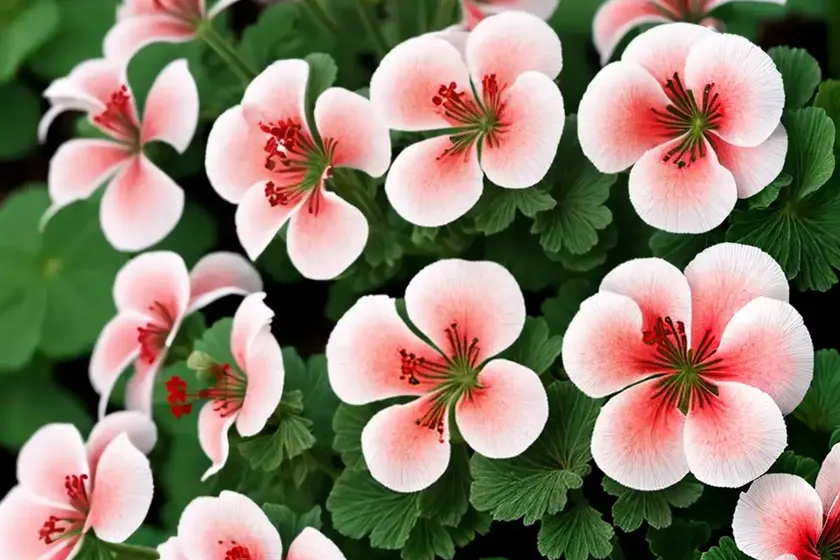
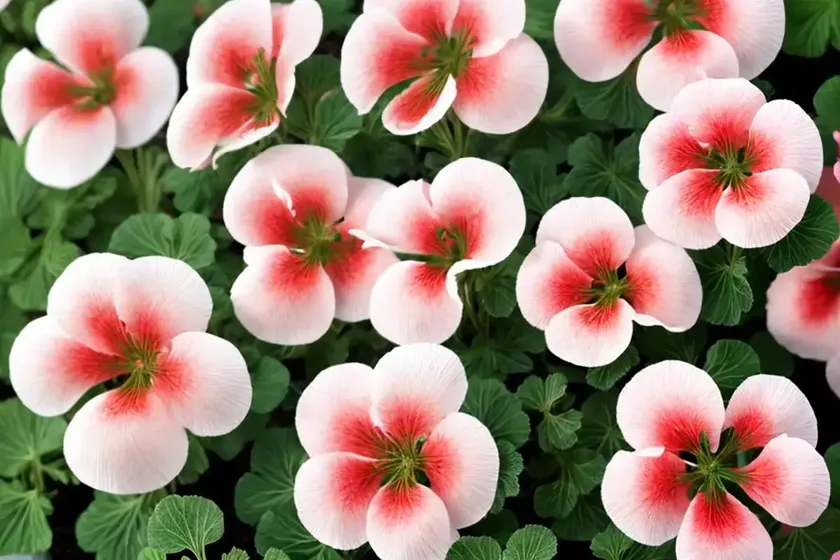
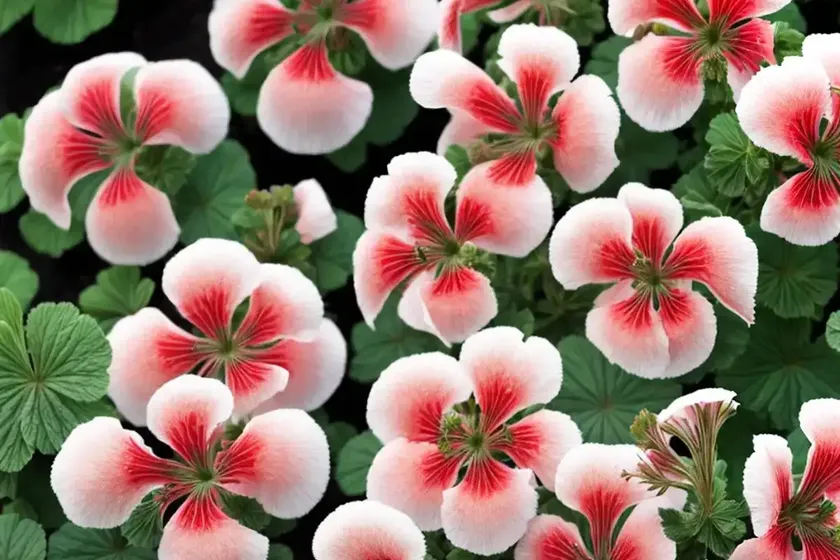
Pelargonium tomentosum, commonly known as Peppermint Geranium, is a delightful and versatile plant that offers a plethora of uses and benefits. This species belongs to the Pelargonium genus and is prized for its aromatic foliage and attractive flowers. In this comprehensive guide, we will dive deep into the world of Pelargonium tomentosum, exploring its characteristics, cultivation, uses, care requirements, and much more.
What is Pelargonium tomentosum?
Pelargonium tomentosum is a species of flowering plant in the Geraniaceae family, originating from South Africa. It is a perennial subshrub that typically grows to a height of 1 to 2 feet and spreads about 2 to 3 feet. The plant is known for its soft, fuzzy, and aromatic leaves, which release a delightful peppermint scent when touched or brushed against.
The flowers of Pelargonium tomentosum are also quite charming, with clusters of small, bright white blossoms that add to the plant’s ornamental appeal. Its distinctive foliage and pleasant fragrance make it a popular choice for both indoor and outdoor cultivation.
Now that we have a general understanding of Pelargonium tomentosum, let’s delve into its key characteristics and explore the various aspects of its care, uses, and maintenance.
Key Takeaways – Pelargonium tomentosum (Peppermint Geranium)
Before we delve deeper into the specific aspects of Peppermint Geranium, let’s outline the key takeaways that we will be covering in this comprehensive guide:
- Plant Name: Pelargonium tomentosum (Peppermint Geranium)
- Cultivation: Understanding the cultural requirements for optimal growth.
- Uses: Exploring the diverse applications of Pelargonium tomentosum.
- Care: Discussing the essential care guidelines for maintaining a healthy plant.
- Propagation: Exploring methods for multiplying Peppermint Geranium.
- Container Gardening: Tips for cultivating Pelargonium tomentosum in containers.
- Popular Varieties: Highlighting some of the popular cultivars of Peppermint Geranium.
- Common Diseases and Pests: Identifying and managing potential threats to the plant’s health.
- Botanist’s Tips: Expert recommendations for growing and caring for Pelargonium tomentosum.
- Fun Facts: Uncovering interesting and lesser-known facts about the species.
Without further ado, let’s embark on a comprehensive exploration of Pelargonium tomentosum, from its cultural requirements to its potential uses and everything in between.
Culture
The cultural requirements of Pelargonium tomentosum play a pivotal role in determining the plant’s health, growth, and overall performance. Understanding its specific needs in terms of water, sunlight, soil, and fertilizer is essential for creating an environment where the plant can thrive. Let’s delve into each of these cultural aspects in detail.
Water
Proper watering is crucial for maintaining the health and vigor of Peppermint Geranium. Like many other members of the Pelargonium genus, Pelargonium tomentosum prefers a well-draining soil mix and does not tolerate waterlogged conditions. Here are some essential watering guidelines for nurturing healthy Pelargonium tomentosum:
- Frequency: Water the plant thoroughly when the top inch of the soil feels dry to the touch. It’s important to strike a balance and avoid allowing the soil to completely dry out between waterings, as well as preventing it from becoming excessively wet.
- Watering Technique: When watering, aim to moisten the entire root ball evenly. Avoid overwatering, as this can lead to root rot and other moisture-related issues.
- Seasonal Variations: Adjust the frequency of watering based on seasonal changes. During the growing season, which typically spans from spring to early fall, the plant may require more frequent watering, while reduced watering is advisable during the dormant period in winter.
Sunlight
Pelargonium tomentosum thrives in bright, indirect light. In its natural habitat, it grows in areas with partial shade, making it well-suited for cultivation in locations with dappled sunlight or filtered light. Here are some key considerations regarding sunlight requirements for Peppermint Geranium:
- Indoor Cultivation: When growing Pelargonium tomentosum indoors, place the plant near a south- or west-facing window where it can receive ample but indirect sunlight. Avoid exposing it to harsh, direct sunlight, especially during the hottest hours of the day.
- Outdoor Cultivation: For outdoor cultivation, position the plant in a location that receives morning sun and afternoon shade. This allows the plant to benefit from sunlight while avoiding the intense midday rays.
Proper sunlight exposure encourages robust growth and helps maintain the plant’s compact shape, making it crucial to provide suitable lighting conditions for Pelargonium tomentosum.
Fertilizer
Fertilizing Pelargonium tomentosum is essential for supplying the plant with the necessary nutrients to support healthy growth and prolific blooming. When it comes to fertilization, it’s important to provide a balanced approach that avoids excessive application, which can lead to nutrient imbalances and potential harm to the plant. Here are some guidelines for fertilizing Peppermint Geranium:
- Fertilizer Type: Use a balanced, all-purpose liquid fertilizer or a slow-release granular fertilizer suitable for flowering plants. Look for formulations with a balanced NPK ratio to provide essential nutrients without promoting excessive vegetative growth.
- Application Frequency: During the growing season, apply fertilizer to Pelargonium tomentosum every 4 to 6 weeks to support its active growth and blooming. Reduce or suspend fertilization during the dormant period in winter to align with the plant’s reduced metabolic activity.
- Application Technique: Apply the fertilizer according to the instructions on the product label, and ensure that it is distributed evenly over the soil surface. Water the plant lightly after fertilization to help the nutrients penetrate the root zone.
Proper fertilization contributes to the overall health and vitality of Pelargonium tomentosum, promoting lush foliage and abundant flowering.
Soil
The choice of soil mix is a critical factor in providing an optimal growing medium for Pelargonium tomentosum. The ideal soil blend should offer good drainage, aeration, and sufficient organic matter to support the plant’s nutrient needs. Here are some key considerations for selecting and preparing the right soil mix for Peppermint Geranium:
- Well-Draining Mix: Use a well-draining potting mix with a blend of peat moss, perlite, and coarse sand. This type of mix allows excess water to drain freely, preventing waterlogging and the associated risks of root rot.
- pH Level: Aim for a slightly acidic to neutral pH range, ideally between 6.0 and 7.0, to create a favorable soil environment for Pelargonium tomentosum.
- Amendment with Organic Matter: To enhance the soil’s fertility and structure, consider amending the potting mix with a small amount of well-rotted compost or organic matter. This can provide a slow-release source of nutrients and promote beneficial microbial activity in the soil.
By selecting a suitable soil mix and ensuring proper drainage, gardeners can create an environment that supports the healthy growth and development of Peppermint Geranium.
Pruning
Pruning is an essential aspect of Pelargonium tomentosum care, contributing to the plant’s overall appearance, health, and flowering performance. Regular pruning helps to shape the plant, remove dead or damaged growth, and encourage the production of fresh foliage and flowers. Here are some key guidelines for pruning Peppermint Geranium:
- Deadheading: Remove spent flowers promptly to encourage continuous blooming and prevent the development of seeds. This stimulates the plant to redirect its energy into producing new flower buds, contributing to an extended and prolific blooming period.
- Trimming Leggy Growth: If the plant begins to exhibit leggy or straggly growth, consider lightly trimming the stems to promote a more compact and bushy form. Focus on cutting back to just above a set of healthy leaves or nodes to encourage new growth.
- Thinning Overcrowded Growth: Periodically thin out overcrowded or tangled growth to improve air circulation and light penetration within the plant. This practice helps reduce the risk of fungal diseases and promotes overall plant health.
Pruning Pelargonium tomentosum should be performed thoughtfully and selectively to maintain the plant’s natural form while enhancing its aesthetic and functional qualities.
Propagation
Propagation is a rewarding way to multiply Pelargonium tomentosum and create new plants for personal enjoyment or sharing with fellow gardening enthusiasts. Several methods can be used to propagate Peppermint Geranium successfully, allowing gardeners to expand their plant collection and preserve the desirable traits of specific cultivars. Let’s explore some common propagation techniques for Pelargonium tomentosum:
Stem Cutting Propagation
Stem cuttings are a popular and reliable method for propagating Pelargonium tomentosum, offering a straightforward approach to creating new plants with genetic consistency. Here’s a basic overview of the stem cutting propagation process:
- Selecting Cuttings: Choose healthy, non-flowering stems for the cuttings, preferably with a length of 3 to 4 inches. Look for sections of the stem that are free from disease or damage and feature several sets of leaves.
- Preparing Cuttings: Use a clean, sharp pair of pruning shears to take the cuttings, making a diagonal cut just below a node or set of leaves. Remove the lower leaves from the cutting, leaving 2 to 3 sets of leaves at the upper portion.
- Rooting Medium: Prepare a well-draining rooting medium, such as a mix of perlite and peat moss, in a small container or propagation tray. Water the medium slightly to settle it and create a suitable environment for rooting.
- Inserting Cuttings: Make a small hole or slit in the rooting medium and insert the lower end of the cutting, ensuring that at least one set of nodes is buried in the medium. Gently firm the medium around the cutting to provide stability.
- Rooting Environment: Place the container of cuttings in a warm, bright location with indirect light. Maintain consistent moisture in the rooting medium by lightly watering as needed, avoiding overwatering that can lead to rotting.
With proper care and attention, the stem cuttings should develop a healthy root system over the course of several weeks, at which point they can be transplanted into individual pots for further growth.
Seed Propagation
While less commonly utilized than stem cuttings, propagation from seeds offers an alternative method for multiplying Pelargonium tomentosum and introducing genetic diversity. Here’s an overview of the seed propagation process:
- Seed Selection: Obtain high-quality seeds from a reliable source, ensuring that they are fresh and viable. Selecting seeds from desirable cultivars can contribute to the development of new and unique plant variations.
- Sowing Seeds: Sow the seeds in a shallow tray or individual seedling pots filled with a well-draining seed-starting mix. Gently press the seeds into the surface of the soil without covering them, as they require light for germination.
- Moisture and Temperature: Keep the soil consistently moist but not waterlogged, using a misting spray bottle to provide gentle moisture to the seeds and soil. Place the sowing container in a warm and bright location, maintaining a consistent temperature range favorable for germination.
- Seedling Care: Once the seedlings emerge, continue to provide them with ample light and maintain appropriate moisture levels. As the seedlings develop and establish a robust root system, they can be transplanted into individual pots for further growth.
Propagation from seeds offers an exciting opportunity to explore the diversity and potential of Pelargonium tomentosum, producing new plants with unique traits and characteristics.
With a solid understanding of the propagation methods available, gardeners can explore the most suitable approach for multiplying Peppermint Geranium and expanding their collection of these charming plants.
Container Popularity
Pelargonium tomentosum’s compact growth habit and ornamental features make it a popular choice for container gardening. Cultivating Peppermint Geranium in containers offers several advantages, allowing gardeners to showcase the plant’s beauty and fragrance in various settings. Here are some reasons why Pelargonium tomentosum is widely favored for container cultivation:
- Decorative Display: The lush foliage and aromatic appeal of Pelargonium tomentosum make it an excellent addition to both indoor and outdoor container displays. Its compact size and attractive flowers enhance the visual appeal of any container garden or plant arrangement.
- Fragrance and Aesthetic Appeal: Placing Pelargonium tomentosum in a container near seating areas or outdoor living spaces allows individuals to enjoy its delightful fragrance and charming appearance up close.
- Space Optimization: Container cultivation is an ideal solution for gardeners with limited outdoor space, as it allows them to grow Peppermint Geranium without the need for extensive garden beds or planting areas.
- Versatile Placement: The portability of containers provides the flexibility to position Pelargonium tomentosum in various locations, such as porches, patios, balconies, and windowsills, to fully appreciate its beauty and aroma.
Opting to cultivate Pelargonium tomentosum in containers opens up a world of creative possibilities for integrating this delightful plant into diverse indoor and outdoor settings.
Common Diseases and Disease Diagnosis
Like many other plants, Pelargonium tomentosum is susceptible to certain diseases and health issues that can impact its growth and overall condition. Understanding the common diseases and learning to recognize the signs and symptoms is crucial for implementing timely interventions and preserving the plant’s well-being. Let’s explore the typical diseases that may affect Peppermint Geranium and how to diagnose them:
Powdery Mildew
Powdery mildew is a fungal disease that can affect Pelargonium tomentosum, manifesting as a powdery white or gray coating on the leaves, stems, and flowers. It thrives in conditions of high humidity and limited air circulation, often developing in warm, dry environments. Here are some key features and diagnostic clues for powdery mildew in Peppermint Geranium:
- Appearance: Look for a powdery, white to gray coating on the upper and lower leaf surfaces, as well as on the stems and flowers. The affected areas may exhibit stunted growth and distortion.
- Diagnostic Tip: If the plant is kept in a location with poor air circulation and high humidity, it is more susceptible to powdery mildew. Monitor the plant for signs of the characteristic powdery growth to facilitate early intervention.
Botrytis Blight
Botrytis blight, also known as gray mold, is a fungal disease that can affect Pelargonium tomentosum, particularly in conditions of high moisture and poor air circulation. It presents as a fuzzy gray mold that spreads rapidly and can affect various parts of the plant. Here’s how to recognize and diagnose Botrytis blight in Peppermint Geranium:
- Characteristics: Look for fuzzy, gray mold on the leaves, flowers, and stems, often accompanied by visible decay and browning of the affected tissues.
- Diagnostic Tip: Botrytis blight thrives in overly moist conditions and can be exacerbated by excessive watering or high humidity. Regularly inspect the plant for signs of gray mold, especially during periods of cool, damp weather.
Leaf Spot Diseases
Various leaf spot diseases caused by fungal or bacterial pathogens can affect Pelargonium tomentosum, leading to the development of unsightly spots, discoloration, and weakening of the foliage. Timely recognition and response to leaf spot diseases are crucial for preventing their spread and minimizing damage. Here are some key diagnostic indicators for leaf spot diseases in Peppermint Geranium:
- Symptoms: Look for the appearance of small, circular, or irregular spots on the leaves, often accompanied by discoloration, browning, or yellowing of the affected areas.
- Diagnostic Tip: Keep the plant in an environment with good air circulation and moderate humidity, as leaf spot diseases are favored by damp, stagnant conditions. Regularly inspect the foliage for signs of spot formation.
Diagnosis and Management Strategies
In addition to the specific symptoms associated with common diseases, keep an eye out for signs of stress, wilting, and abnormal growth in Pelargonium tomentosum. If you notice any unusual features or abnormal changes in the plant’s appearance, it is advisable to conduct a thorough inspection and consider potential disease-related issues.
Upon identifying symptoms indicative of a potential disease, take the following steps to diagnose and address the problem:
- Visual Evaluation: Inspect the plant thoroughly, focusing on the appearance of the foliage, stems, and flowers. Look for any unusual growth patterns, discoloration, or abnormal textures that may indicate a health issue.
- Research and Reference: Refer to reliable plant disease resources or consult with local gardening experts to gain insights into common diseases affecting Pelargonium tomentosum and their distinctive symptoms.
- Isolation and Treatment: If a disease is suspected, promptly isolate the affected plant from other nearby specimens to prevent the potential spread of the issue. Consider applying appropriate fungicidal or bactericidal treatments following the manufacturer’s instructions.
By being vigilant about disease symptoms and implementing timely interventions, gardeners can safeguard the health and vitality of Pelargonium tomentosum, minimizing the impact of common diseases.
Common Pests
In addition to diseases, Peppermint Geranium may also encounter various pest-related challenges that can affect its growth and overall well-being. Identifying common pests and understanding their behaviors can aid in implementing effective pest management strategies. Let’s explore some of the typical pests that may target Pelargonium tomentosum and how to address these issues.
Aphids
Aphids are small, soft-bodied insects that may infest Pelargonium tomentosum, causing damage by feeding on the plant’s sap and transmitting viral diseases. An infestation of aphids can result in stunted growth, distortion of new growth, and the development of a sticky substance known as honeydew. Here’s how to recognize and address an aphid infestation in Peppermint Geranium:
- Identification: Look for clusters of small, pear-shaped insects on the young, tender shoots and undersides of the leaves. Aphids may appear in various colors, including green, yellow, or black, depending on the species.
- Control Measures: Use a strong blast of water or insecticidal soap to dislodge and remove aphids from the plant. Consider introducing natural predators, such as ladybugs or lacewings, to help control the aphid population.
Spider Mites
Spider mites are tiny arachnids that can inflict damage on Peppermint Geranium by puncturing the plant cells and extracting their contents, leading to speckled or stippled foliage and weakening of the plant. These pests are often found on the undersides of the leaves and may produce fine webbing in severe infestations. Here’s how to identify and manage spider mite infestations in Pelargonium tomentosum:
- Detection: Look for the presence of tiny mites, often reddish or yellowish in color, on the undersides of the leaves, along with visible webbing. Spider mite damage usually manifests as a stippling of the foliage and the development of fine webs in severe cases.
- Management: Intervene early by using a


