Pelargonium Sidoides (African Geranium)
Pelargonium sidoides, also known as African Geranium, is a plant species that has been recognized for its medicinal properties for centuries. It is native.
Introduction
Pelargonium sidoides, also known as African Geranium, is a plant species that has been recognized for its medicinal properties for centuries. It is native to South Africa and belongs to the Geraniaceae family. This plant has gained significant attention due to its traditional uses in African medicine and its potential health benefits. In this comprehensive guide, we will delve into the various aspects of Pelargonium sidoides, including its cultural requirements, uses, propagation, common diseases, and much more.
What is Pelargonium sidoides (African Geranium)?
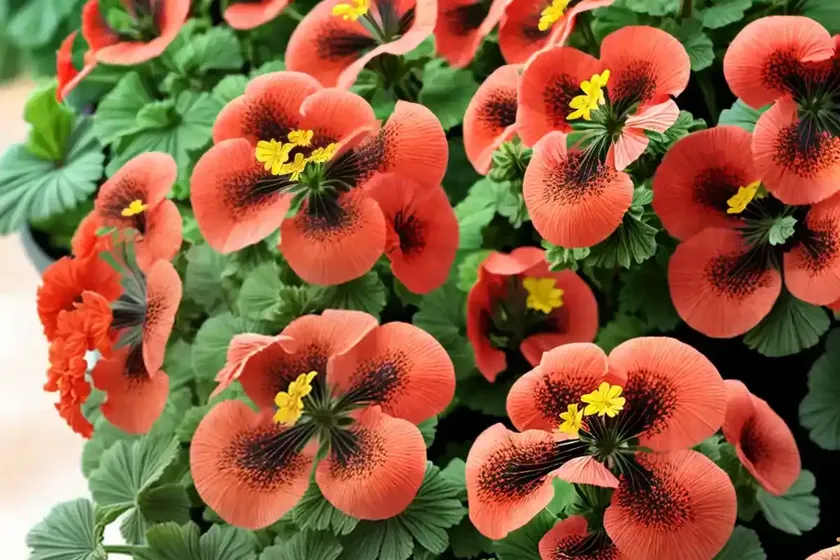
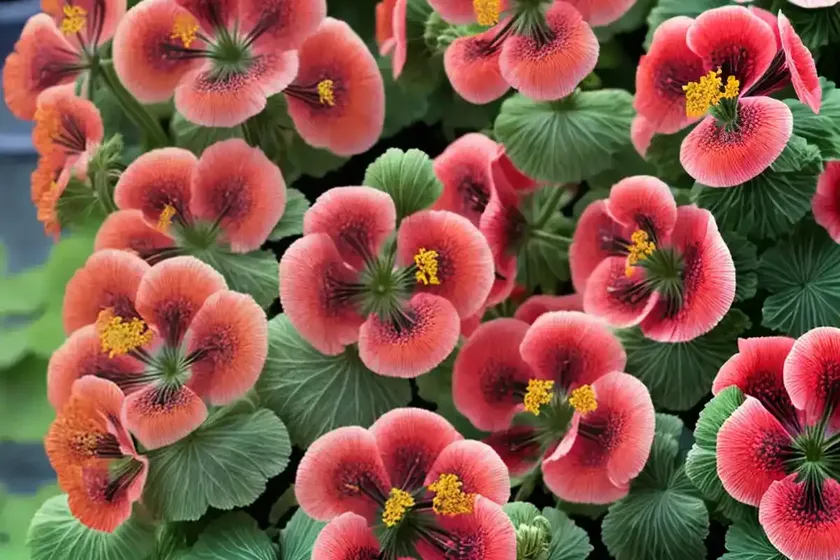
Pelargonium sidoides is a perennial herbaceous plant that is characterized by its striking dark green leaves and vibrant pink to red flowers. It typically grows in rocky grasslands and is well-adapted to the diverse climatic conditions of South Africa.
Key Takeaways
Let’s start by exploring some key takeaways about Pelargonium sidoides:
- Plant Name: Pelargonium sidoides, commonly known as African Geranium, is an herbaceous perennial plant that is native to South Africa.
- Plant Family: Pelargonium sidoides belongs to the Geraniaceae family, which comprises flowering plants known for their ornamental and medicinal value.
- Medicinal Properties: African Geranium has been traditionally used in African medicine for its respiratory and immune-supporting properties.
- Cultural Significance: The plant holds cultural significance and has been incorporated into various traditional healing practices in South Africa.
- Respiratory Health Benefits: Pelargonium sidoides is commonly used to alleviate symptoms of respiratory infections, colds, and flu.
Having understood the significance of this plant, let’s delve deeper into various aspects of African Geranium.
Culture of Pelargonium sidoides
The successful cultivation of Pelargonium sidoides requires careful attention to its cultural requirements, including water, sunlight, soil, and fertilization.
Water
African Geranium thrives in moderately moist soil. It is essential to water the plant regularly, allowing the top inch of soil to dry out between waterings. Overwatering should be avoided to prevent waterlogged conditions, which may lead to root rot.
Sunlight
Pelargonium sidoides prefers bright, indirect light. It can also tolerate partial shade, making it suitable for indoor cultivation in regions with limited sunlight.
Fertilizer
Fertilize African Geranium with a balanced liquid fertilizer during the growing season to support healthy growth and flowering. However, it is important to avoid over-fertilization, as this can lead to excessive vegetative growth at the expense of flower production.
Soil
Well-draining and loamy soil with a slightly acidic to neutral pH is ideal for Pelargonium sidoides. A mix of potting soil, perlite, and coarse sand can provide the appropriate drainage and aeration for the plant.
Uses of Pelargonium sidoides
The traditional uses of Pelargonium sidoides extend to various medicinal and cultural applications. Let’s explore the diverse uses of African Geranium:
Medicinal Uses
African Geranium has been valued for its medicinal properties, especially in the treatment of respiratory conditions such as bronchitis, sinusitis, and the common cold. The plant’s roots and leaves are utilized to prepare herbal remedies that support respiratory health and immune function.
Traditional Healing Practices
In traditional African medicine, Pelargonium sidoides has been incorporated into remedies for respiratory infections and to alleviate symptoms of coughs, congestion, and sore throats. Its role in traditional healing practices reflects the cultural significance of the plant within indigenous communities.
Herbal Supplements
Extracts of Pelargonium sidoides are used to formulate herbal supplements that promote respiratory wellness. These supplements are available in various forms, including capsules and tinctures, and are sought after for their potential immune-supporting benefits.
Herbal Teas and Tinctures
The leaves and roots of Pelargonium sidoides can be used to prepare herbal teas and tinctures, providing a convenient and natural way to benefit from the plant’s therapeutic properties. These preparations are often consumed to alleviate respiratory discomfort and promote overall well-being.
Pruning Pelargonium sidoides
Pruning plays a crucial role in maintaining the health and appearance of African Geranium. Proper pruning techniques help to shape the plant, encourage bushier growth, and remove dead or damaged foliage.
Pruning Guidelines
When pruning Pelargonium sidoides, it is important to:
– Remove spent flowers to encourage continuous blooming.
– Trim back leggy growth to promote a compact and attractive form.
– Cut away any dead or yellowing leaves to maintain plant hygiene.
Pruning should be carried out with clean and sharp gardening shears to minimize the risk of damage to the plant.
Propagation of Pelargonium sidoides
The propagation of Pelargonium sidoides can be accomplished through several methods, including seed sowing, stem cuttings, and division. Each propagation technique offers unique advantages and is suitable for different circumstances.
Seed Sowing
While Pelargonium sidoides can be grown from seeds, this method is less commonly used due to the slow and unpredictable germination of the seeds. However, it offers the opportunity to cultivate new genetic variations of the plant.
Stem Cuttings
Propagation from stem cuttings is a popular method for reproducing Pelargonium sidoides. Select healthy stems and trim them to create cuttings with at least two nodes. These cuttings can be rooted in a moist, well-draining potting mix to establish new plants.
Division
Dividing mature Pelargonium sidoides plants is an effective way to increase their numbers. This method involves carefully separating the plant into smaller sections, each with a portion of the root system, and replanting them to establish independent individuals.
Growing Pelargonium sidoides in Containers
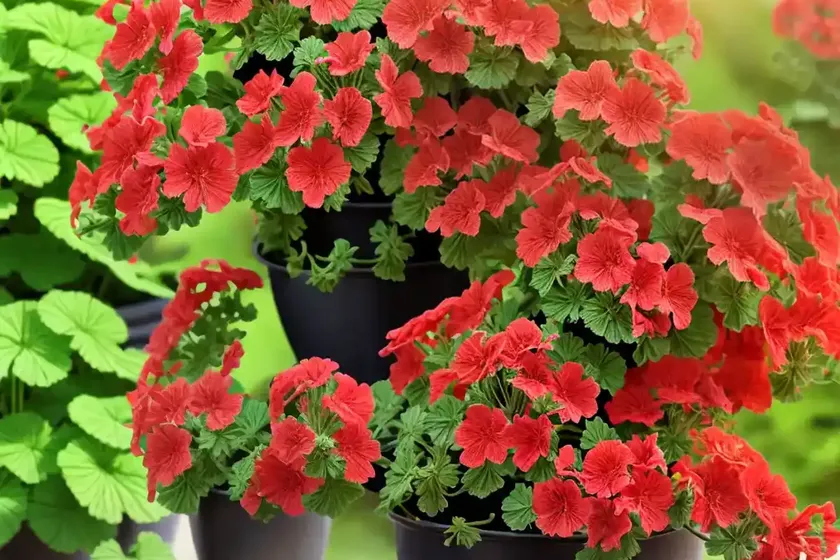
African Geranium can be successfully grown in containers, making it a versatile option for both indoor and outdoor cultivation. When growing Pelargonium sidoides in containers, certain considerations should be taken into account to ensure optimal growth and development.
Container Selection
Select a container with adequate drainage holes to prevent waterlogging. The container should be slightly larger than the plant’s current root system, providing room for growth while avoiding an excessively large pot that can retain excess moisture.
Potting Mix
Choose a well-draining and nutrient-rich potting mix to support the growth of Pelargonium sidoides in containers. A mix of peat moss, perlite, and compost can provide the necessary structure and fertility for the plant.
Watering and Maintenance
When growing African Geranium in containers, it is important to monitor soil moisture closely. Water the plant when the top inch of the soil feels dry, and adjust the watering frequency based on environmental conditions and the plant’s growth stage.
Sunlight Requirements
Place the container in a location that receives bright, indirect light, such as near a south-facing window or on a sunny outdoor patio. Rotate the container periodically to ensure uniform exposure to sunlight, promoting balanced growth.
Popularity of Pelargonium sidoides
Pelargonium sidoides has gained popularity not only for its ornamental value but also for its traditional uses in herbal medicine. The plant’s broad spectrum of health benefits and its resilience in diverse environmental conditions have contributed to its widespread recognition.
Ornamental Appeal
The vibrant flowers and lush foliage of Pelargonium sidoides make it an attractive addition to garden landscapes, balconies, and indoor spaces. Its visual appeal has captured the interest of gardening enthusiasts and horticultural societies.
Medicinal Significance
The plant’s longstanding use in traditional African medicine, coupled with emerging scientific evidence supporting its therapeutic properties, has contributed to its increasing popularity as a natural remedy for respiratory health and immune support.
Herbal Supplements and Remedies
The availability of Pelargonium sidoides-based herbal supplements, teas, and tinctures in health food stores, pharmacies, and online markets has further elevated the plant’s popularity as a natural alternative for promoting well-being.
Global Recognition
The recognition of Pelargonium sidoides extends beyond its native regions, with its cultivation and use expanding to diverse geographical areas. The plant’s global recognition highlights its potential to address health-related challenges using natural and traditional approaches.
Common Diseases of Pelargonium sidoides
Pelargonium sidoides, like other plants, is susceptible to certain diseases and health issues that can impact its growth and vitality. By understanding these diseases and their causes, effective preventive measures and treatment strategies can be implemented to safeguard the plant’s well-being.
Disease Diagnosis and Management
Some common diseases that affect Pelargonium sidoides include:
1. Botrytis Blight: This fungal disease, caused by Botrytis cinerea, can lead to gray mold on the plant’s leaves and flowers. It thrives in cool and humid conditions and can be managed by improving air circulation and avoiding overhead watering.
-
Pythium Root Rot: Pythium species are responsible for this soil-borne disease, which causes root rot and wilting in affected plants. Proper soil drainage and the use of fungicide treatments can help manage and prevent Pythium infections.
-
Powdery Mildew: Powdery mildew, caused by various fungal species, can lead to the formation of powdery white patches on the plant’s foliage. It is favored by humid conditions and can be addressed through cultural practices and fungicidal treatments.
Preventive Measures
To prevent diseases in Pelargonium sidoides, it is important to:
– Provide adequate air circulation around the plant.
– Avoid overhead watering and excessive humidity.
– Inspect new plant acquisitions for signs of disease before introducing them to the garden.
Common Pests Affecting Pelargonium sidoides
Pests pose a threat to the health and appearance of Pelargonium sidoides, potentially causing foliage damage, inhibited growth, and diminished flowering. Identifying and managing common pests is essential to safeguard the plant from infestations.
Pest Identification
Some common pests that affect Pelargonium sidoides include:
1. Aphids: These small, soft-bodied insects feed on the plant’s sap, leading to distorted growth and the accumulation of honeydew. They can be controlled through the application of insecticidal soaps or neem oil.
-
Spider Mites: Spider mites are tiny arachnids that can cause stippling and webbing on the plant’s foliage. Miticides and regular misting can help manage and deter spider mite infestations.
-
Whiteflies: Whiteflies are small, white insects that congregate on the undersides of leaves and can weaken the plant through sap feeding. Yellow sticky traps and insecticidal treatments are effective in controlling whitefly populations.
Integrated Pest Management
Implementing integrated pest management (IPM) practices, which involve monitoring, cultural interventions, and targeted interventions, can help address pest issues while minimizing the reliance on chemical control methods.
Botanist’s Tips for Pelargonium sidoides
As a plant scientist with a keen interest in Pelargonium sidoides, I would like to share some valuable tips for cultivating and caring for African Geranium. These insights are based on extensive research and practical experience with the plant:
-
Moderate Watering: Maintain moderate soil moisture levels for Pelargonium sidoides, allowing the soil to dry out slightly between waterings to prevent waterlogged conditions.
-
Optimal Sunlight: Provide the plant with bright, indirect light, while protecting it from intense midday sun to avoid leaf scorching.
-
Well-Draining Soil: Ensure that the soil or potting mix used for African Geranium allows excess water to drain freely, preventing waterlogged roots.
-
Pruning for Vigor: Regular pruning promotes bushier growth and enhances flowering in Pelargonium sidoides, contributing to the plant’s overall vitality.
-
Disease Vigilance: Monitor the plant for signs of diseases such as botrytis blight and powdery mildew, and promptly address any issues to prevent their spread.
-
Pest Surveillance: Regularly inspect the plant for common pests such as aphids and spider mites, and employ proactive measures to prevent infestations.
-
Cultural Appreciation: Explore the rich cultural and medicinal history of Pelargonium sidoides, gaining an appreciation for its significance in traditional healing practices.
Fun Facts about Pelargonium sidoides
Delving into the realm of fun and intriguing facts about Pelargonium sidoides adds an enjoyable dimension to our understanding of this remarkable plant. Let’s uncover some captivating facts about African Geranium:
- The specific epithet “sidoides” in the plant’s scientific name is derived from the Greek word “sidus,” meaning “star,” which references the star-shaped leaves of the species.
- Pelargonium sidoides has been used by the Zulu, Basotho, and Xhosa people of South Africa as a traditional remedy for coughs, respiratory ailments, and stomach complaints.
- The phytochemical composition of Pelargonium sidoides includes unique active compounds such as umckalin, which contributes to its therapeutic properties.
- African Geranium is not only valued for its medicinal uses but also for its ornamental appeal, making it a sought-after species in garden cultivation.
- In addition to its uses in traditional medicine, Pelargonium sidoides has potential applications in the fields of herbal supplements, natural remedies, and botanical research.
Conclusion
In conclusion, Pelargonium sidoides, or African Geranium, stands as a plant of multifaceted significance, encompassing cultural, medicinal, and horticultural dimensions. Its role in traditional healing practices, coupled with its potential health benefits, has propelled it to global recognition and popularity. By understanding the cultural uses, propagation techniques, and maintenance practices associated with Pelargonium sidoides, we can appreciate and promote the rich heritage and therapeutic potential of this remarkable plant.
As we continue to explore the diverse realms of plant science and traditional medicine, the enduring legacy of Pelargonium sidoides serves as a testament to the profound connections between plants, human health, and cultural heritage. Embracing the wisdom of botanical traditions and scientific inquiry, we embark on a journey of discovery and appreciation for the remarkable world of African Geranium.
References
- National Center for Biotechnology Information. Pelargonium sidoides: An overview of in vitro and in vivo toxicological data.
https://pubmed.ncbi.nlm.nih.gov/19514880/ - South African National Biodiversity Institute. Pelargonium sidoides. https://www.sanbi.org/
- New World Encyclopedia. Pelargonium sidoides. https://www.newworldencyclopedia.org/
- The Plant List. Pelargonium sidoides. http://www.theplantlist.org/
- Traditional and Modern Uses of African Plants. Patrick Maundu, Grace W. Ngugi, and Christine S. Kabuye. CABI, 2009.


