Pelargonium Peltatum ‘Temprano Salmon’ (Ivy Geranium)
Ivy geranium, scientifically known as Pelargonium peltatum ‘Temprano Salmon’, is a popular and versatile flowering plant that belongs to the Geraniaceae.
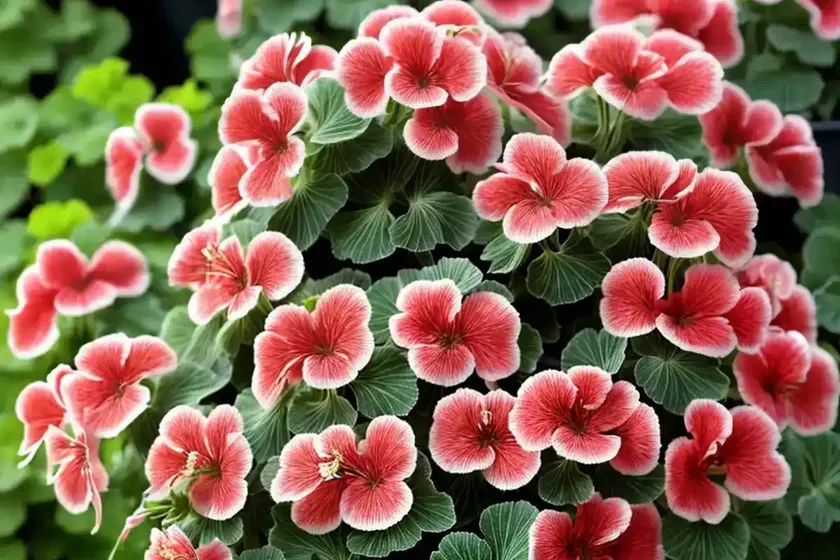
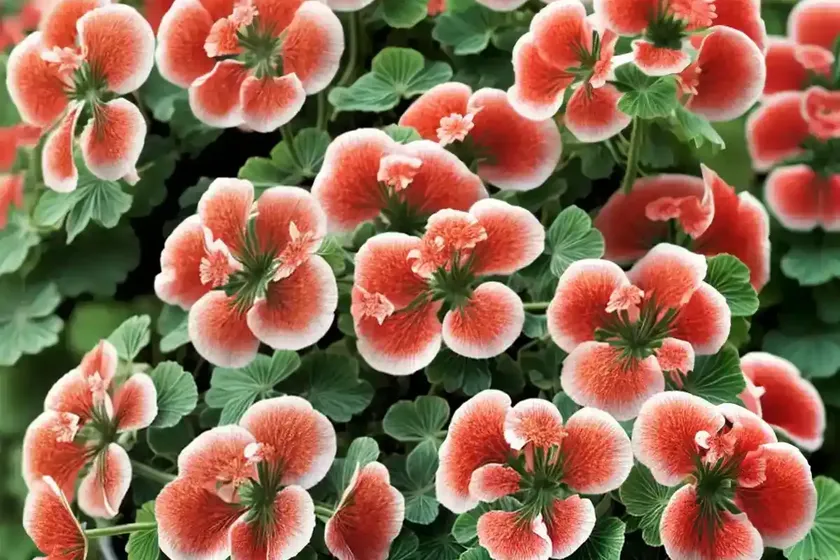
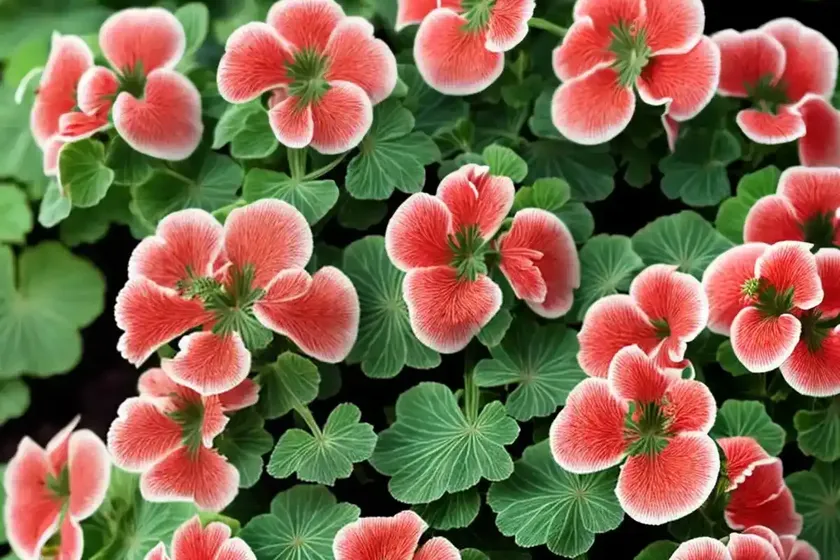
Ivy geranium, scientifically known as Pelargonium peltatum ‘Temprano Salmon’, is a popular and versatile flowering plant that belongs to the Geraniaceae family. It is cherished for its trailing habit, vibrant flowers, and ability to thrive in various environmental conditions. As a plant scientist, I am thrilled to take you on a comprehensive journey through the fascinating world of Ivy geraniums. From its cultivation to its unique traits and potential uses, we will explore every aspect of this remarkable plant.
Key Takeaways: Pelargonium peltatum ‘Temprano Salmon’ (Ivy Geranium)
Before delving into the intricate details of Ivy geranium, let’s address some key takeaways and essential aspects of this plant.
- Scientific Name: Pelargonium peltatum ‘Temprano Salmon’
- Common Name: Ivy Geranium
- Family: Geraniaceae
- Trailing Habit: Ivy geraniums are renowned for their trailing growth habit, making them ideal for hanging baskets, containers, and window boxes.
- Flower Color: The ‘Temprano Salmon’ variety exhibits stunning salmon-colored flowers, adding a splash of color to any garden or landscape.
- Versatility: Ivy geraniums are valued for their adaptability to different growing conditions and their potential for both outdoor and indoor cultivation.
- Cultural Uses: This plant holds considerable value in horticulture, landscaping, and ornamental gardening, contributing to its widespread popularity.
Now, let’s embark on a comprehensive exploration of Pelargonium peltatum ‘Temprano Salmon’, covering its culture, uses, care requirements, and more.
What is Pelargonium peltatum ‘Temprano Salmon’ (Ivy Geranium)?
Pelargonium peltatum, commonly known as Ivy geranium, is a species of flowering plant native to southern Africa. It is a member of the Pelargonium genus and is treasured for its elegant trailing vines and profusion of colorful blooms. The ‘Temprano Salmon’ variety specifically captivates with its salmon-hued flowers that create a striking visual display in gardens, balconies, and various other settings.
Plant Characteristics
Ivy geraniums are revered for their distinct features, which contribute to their widespread acclaim among gardeners and plant enthusiasts. Some key characteristics of Pelargonium peltatum ‘Temprano Salmon’ include:
- Trailing Vines: The plant exhibits a trailing growth habit, which makes it an excellent choice for hanging baskets, cascading over walls, and adorning elevated structures.
- Flower Clusters: It produces abundant clusters of delicate, five-petaled flowers that form a graceful cascade, creating a captivating visual impact.
- Foliage: The foliage of Ivy geraniums is typically glossy and deeply lobed, adding an attractive backdrop to the profusion of blooms.
- Color Variations: While the ‘Temprano Salmon’ variety boasts salmon-hued blossoms, Ivy geraniums are available in a spectrum of vibrant colors, including various shades of pink, red, white, and purple.
- Versatility: Ivy geraniums are versatile plants, suited for a range of gardening applications, from container cultivation to landscaping and ground cover purposes.
Culture
Water
Watering is a crucial aspect of Ivy geranium care, as it directly impacts the plant’s health and flowering performance. Proper watering practices maintain the plant’s vigor and promote a bountiful blooming season.
- Moisture Requirements: Ivy geraniums prefer moderately moist soil. It is essential to avoid overwatering, which can lead to root rot, and under-watering, which may result in reduced flowering and stunted growth.
- Watering Frequency: The frequency of watering depends on environmental conditions, such as temperature and humidity. As a general guideline, ensure that the soil is evenly moist without becoming waterlogged.
Sunlight
Sunlight is a vital factor influencing the growth, blooming, and overall well-being of Ivy geraniums. By understanding the sunlight requirements of these plants, you can create an optimal environment for their cultivation.
- Light Exposure: Ivy geraniums thrive in full sun to partial shade. In regions with intense heat, providing some afternoon shade can prevent sunscald and maintain the plant’s vitality.
- Indoor Cultivation: When grown indoors, ensure that Ivy geraniums receive adequate sunlight by placing them near a bright, sunlit window or supplementing natural light with fluorescent grow lights.
Fertilizer
Fertilization plays a pivotal role in sustaining the vigor and flowering capacity of Pelargonium peltatum ‘Temprano Salmon’. By supplying essential nutrients, you can ensure the plant’s robust growth and prolific blooming.
- Balanced Fertilizer: Apply a balanced, water-soluble fertilizer formulated for flowering plants. This provides the necessary nutrients, including nitrogen, phosphorus, and potassium, to support Ivy geraniums’ overall health.
- Application Frequency: Fertilize Ivy geraniums every two to four weeks during the growing season, reducing the frequency to once a month in fall and winter when the plant’s metabolic activity slows down.
Soil
The choice of soil directly impacts the plant’s growth, root development, and nutrient uptake. Understanding the soil preferences of Ivy geraniums is essential for creating an optimal growing environment.
- Well-Draining Medium: Ivy geraniums thrive in well-draining, loamy soil that promotes good aeration and prevents waterlogging. A mixture of peat moss, perlite, and compost can enhance drainage and create an ideal growing medium.
- Soil pH: Maintain a slightly acidic to neutral soil pH, ranging between 6.0 and 7.0, to facilitate nutrient availability and root absorption.
Pruning
Pruning is an essential aspect of Ivy geranium care, contributing to the plant’s overall appearance, health, and flowering performance. By implementing proper pruning techniques, you can shape the plant, remove spent blooms, and encourage new growth.
- Deadheading: Regular deadheading of faded flowers promotes continuous blooming by redirecting the plant’s energy into producing new flower buds. Pinch or snip off spent blooms close to the stem to encourage a lush and floriferous display.
- Thinning and Shaping: Periodically thin out excessive growth and shape the plant to maintain an attractive, well-balanced appearance. This also enhances air circulation, reducing the risk of disease and promoting overall plant health.
Propagation
Propagation offers the opportunity to multiply Ivy geraniums and expand your collection. Several methods, including stem cuttings and division, can be employed to propagate these plants successfully.
- Stem Cuttings: Propagate Ivy geraniums from softwood or semi-hardwood stem cuttings. Select healthy, non-flowering shoots and place them in a well-draining rooting medium. Provide the cuttings with adequate moisture and warmth to facilitate root development.
- Division: Established plants can also be divided, particularly if they have developed multiple stems. Gently separate the root ball into sections and pot them individually to establish new plants.
Container Popularity
Ivy geraniums are immensely popular for container cultivation, primarily due to their trailing habit and profusion of blooms. Incorporating Ivy geraniums into containers and hanging baskets offers a versatile and elegant solution for enhancing various spaces, including:
- Patios and Balconies: Adorn outdoor living spaces with trailing Ivy geraniums, elevating the visual appeal and creating a vibrant and inviting ambiance.
- Window Boxes: Lining window sills and ledges with cascading Ivy geraniums adds a charming and picturesque touch to buildings, enhancing their aesthetic allure.
- Indoor Décor: Utilize Ivy geraniums to introduce a touch of nature and floral beauty into interior spaces, brightening rooms and creating a lively atmosphere.
Common Diseases
While Ivy geraniums are relatively resilient plants, they are susceptible to certain diseases that can compromise their health and vitality. Awareness of common diseases and their prevention is vital for effectively safeguarding the plants.
- Botrytis Blight: Botrytis cinerea, a fungal pathogen, can cause gray mold on Ivy geraniums, particularly in humid and damp conditions. Ensure adequate air circulation and avoid overhead watering to minimize the risk of botrytis blight.
- Powdery Mildew: Erysiphe polygoni, the causal agent of powdery mildew, can affect Ivy geraniums, leading to a powdery white coating on the plant’s foliage. Employ fungicidal treatments and maintain proper plant spacing to mitigate powdery mildew infestations.
Disease Diagnosis
Diagnosing diseases affecting Ivy geraniums involves closely examining the plant’s symptoms, such as leaf discoloration, wilting, or unusual growth patterns. Identifying the specific disease and its causal agent is crucial for implementing targeted control measures.
- Symptom Analysis: Assess the plant’s overall appearance, foliage condition, and any visible signs of disease, including fungal growth, spots, or lesions.
- Pathogen Identification: Consult with a plant pathology expert or utilize diagnostic resources to identify the specific pathogen responsible for the observed symptoms.
- Treatment Strategy: Once the disease is diagnosed, implement appropriate treatment measures, such as fungicidal applications, cultural adjustments, or, in severe cases, plant removal to prevent disease spread.
Common Pests
In addition to diseases, Ivy geraniums can fall prey to various pests that can compromise their vigor and aesthetics. Understanding common pests and their control methods is crucial for preserving the plant’s health.
- Aphids: These small, soft-bodied insects can infest Ivy geraniums, causing leaf distortion and sap depletion. Employ insecticidal soap or neem oil to control aphid populations and minimize damage to the plant.
- Spider Mites: Infestations of spider mites, evidenced by stippled foliage and fine webbing, can harm Ivy geraniums. Utilize horticultural oils or miticides to manage and eradicate spider mites effectively.
By employing proactive pest monitoring and integrated pest management techniques, you can minimize pest-related issues and safeguard the well-being of Ivy geraniums.
To be continued…
References:
1. Royal Horticultural Society. (n.d.). Pelargonium (Geranium). Retrieved from https://www.rhs.org.uk/plants/popular/pelargonium
2. Ball, J. M. (2003). Ivy Geraniums for Higher Profits. Texas A&M University. Retrieved from http://publications.tamu.edu/ORNAMENTALS/PUB_IVYGERANIUMS.pdf


