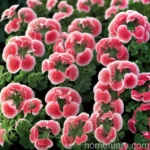
Pelargonium ‘Lord Bute’ (Regal Pelargonium): A Comprehensive Guide to Cultivation and Care
Pelargonium ‘Lord Bute’ is a stunning flowering plant belonging to the Regal Pelargonium group. Its captivating blooms, vibrant colors, and ease of cultivation make it a popular choice for gardeners and plant enthusiasts. In this comprehensive guide, we will delve into the various aspects of caring for Pelargonium ‘Lord Bute,’ including its cultural requirements, uses, water and sunlight needs, fertilizer application, soil preferences, pruning techniques, propagation methods, and common diseases and pests. Whether you are a novice gardener or an experienced horticulturist, this guide will equip you with the knowledge and insights to ensure the thriving growth of Pelargonium ‘Lord Bute’ in your garden or indoor space.
What is Pelargonium ‘Lord Bute’ (Regal Pelargonium)?
Pelargonium ‘Lord Bute’, also known as Regal Pelargonium, is a member of the Pelargonium genus, which is part of the Geraniaceae family. This group of plants is distinct from the commonly known “geraniums” and is treasured for its ornamental value, with a particular focus on its diverse and striking flowers. Pelargonium ‘Lord Bute’ is characterized by its regal bearing, intricate flower patterns, and a delightful fragrance that enhance its allure. The plant’s lush foliage and prolific blooms make it an excellent choice for adding color and vibrancy to gardens, patios, and indoor spaces.
Key Takeaways – Pelargonium ‘Lord Bute’ (Regal Pelargonium)
Before we embark on exploring the nuances of caring for Pelargonium ‘Lord Bute,’ let’s outline the key takeaways that will guide our discussion:
- Plant Name: Pelargonium ‘Lord Bute’ (Regal Pelargonium)
- Botanical Family: Geraniaceae
- Cultural Requirements: Water, sunlight, fertilizer, soil, and pruning
- Propagation: Methods for propagating Regal Pelargoniums
- Common Diseases and Pests: Identification and management
- Container Gardening: Suitable for container cultivation
- Popularity: Enthusiasts’ fascination with this plant
- Links to External Resources: Additional references and resources for in-depth exploration
Now, with a holistic overview in place, let’s delve into the specific aspects of nurturing and enjoying the beauty of Pelargonium ‘Lord Bute’.
Culture
Water
Proper watering is crucial for the health and vitality of Pelargonium ‘Lord Bute.’ The plant thrives when provided with consistent moisture while ensuring proper drainage to prevent waterlogging, which can lead to root rot. Here are some essential tips for watering Pelargonium ‘Lord Bute’:
- Frequency: Water the plant when the top layer of the soil feels dry to the touch. In hot and dry conditions, more frequent watering may be necessary, whereas reduced watering is recommended during cooler periods.
- Avoid Overhead Watering: Direct the water at the base of the plant to prevent water from accumulating on the leaves, which can contribute to fungal issues.
- Morning Watering: It is advisable to water the plant in the morning to allow excess moisture to evaporate during the day, reducing the risk of fungal diseases.
Sunlight
Pelargonium ‘Lord Bute’ thrives in bright sunlight and warm conditions. When cultivating this plant, it is important to provide adequate sunlight to ensure robust growth and profuse blooming. Consider the following sunlight requirements for Pelargonium ‘Lord Bute’:
- Full Sun: Ideally, the plant should receive at least 6-8 hours of direct sunlight daily to promote optimal flowering and overall vigor.
- Indoor Considerations: If growing the plant indoors, place it near a south or west-facing window where it can receive ample sunlight throughout the day.
- Outdoor Positioning: In outdoor settings, choose a location that offers full sun exposure, such as garden beds, borders, or patio containers.
Fertilizer
Fertilizing Pelargonium ‘Lord Bute’ plays a pivotal role in supporting its flowering potential and overall health. Selecting an appropriate fertilizer and following a consistent application schedule can significantly enhance the plant’s performance. Consider the following guidelines for fertilizing Pelargonium ‘Lord Bute’:
- Balanced Formula: Choose a well-balanced, water-soluble fertilizer with a formulation such as 10-10-10, which provides a proper mix of essential nutrients.
- Application Frequency: During the active growing season, apply fertilizer every 2-4 weeks to provide the plant with a steady supply of nutrients.
- Reduced Frequency in Winter: In the dormant phase, reduce the frequency of fertilization to once every 6-8 weeks, as the plant’s growth slows down during this period.
Soil
The choice of soil directly impacts the growth, development, and health of Pelargonium ‘Lord Bute.’ Well-draining, nutrient-rich soil that also offers good aeration is vital for ensuring the plant’s prosperity. Consider the following soil recommendations for cultivating Pelargonium ‘Lord Bute’:
- Well-Draining Mix: Use a well-draining potting mix that allows excess water to flow through while retaining the moisture necessary for the plant’s needs.
- Loose and Lightweight Soil: A blend of peat moss, perlite, and compost creates an ideal medium for growing Pelargonium ‘Lord Bute,’ ensuring sufficient air circulation around the roots.
- pH Level: The soil pH should ideally range from 6.0 to 7.5, providing a slightly acidic to neutral environment that supports nutrient uptake by the plant.
Pruning
Proper pruning is essential for maintaining the shape, promoting bushy growth, and enhancing flower production in Pelargonium ‘Lord Bute.’ Regular pruning also helps manage the plant’s size and can contribute to its overall vigor. Here are some considerations for pruning Regal Pelargoniums:
- Deadheading: Remove spent flowers to encourage the continuous production of new blooms and prevent the formation of seed heads, which can divert energy from flower production.
- Pinching Back: Pinch back the tips of the stems to encourage lateral branching and a more compact, bushy growth habit.
- Spring Pruning: In early spring, perform a more extensive pruning to remove leggy or straggly growth, shaping the plant for the upcoming growing season.
Propagation
Propagating Pelargonium ‘Lord Bute’ allows you to multiply your plant collection and share its beauty with others. Understanding the various propagation methods and the appropriate timing for each technique is crucial for successful reproduction. Consider the following propagation methods for Regal Pelargoniums:
- Stem Cuttings: Propagation through stem cuttings is a popular and reliable method for creating new plants. Select healthy, non-flowering stems and root them in a well-draining rooting medium.
- Division: As the plant matures, the root system can be divided to create multiple plants, each with its own root system and foliage.
Container
Pelargonium ‘Lord Bute’ is well-suited for container gardening, offering versatility and an opportunity to display its vibrant blooms on patios, balconies, and indoor spaces. When cultivating this plant in containers, consider the following factors:
- Pot Size: Choose a pot that provides ample space for the plant’s root system to expand, promoting healthy growth. A 10-12 inch diameter pot is generally suitable for accommodating the plant’s root structure.
- Drainage Holes: Ensure that the container has adequate drainage holes to prevent water from accumulating at the bottom, which can lead to root rot and other issues.
- Soil Mix: Use a well-draining, lightweight potting mix to provide the plant with the necessary nutrients and growing conditions.
Popularity
Pelargonium ‘Lord Bute’ has captured the attention and admiration of gardening enthusiasts and collectors due to its captivating blooms, ease of cultivation, and ornamental value. The plant’s popularity is further amplified by its adaptability to various growing conditions, making it a favorite among gardeners seeking to add vibrant colors and fragrant blooms to their green spaces.
Common Diseases
Pelargonium ‘Lord Bute’ is susceptible to certain diseases, including fungal infections and bacterial issues, which can affect its overall health and appearance. Understanding the common diseases and their symptoms is crucial for timely intervention and effective disease management. Consider the following common diseases of Pelargonium ‘Lord Bute’:
- Botrytis Blight: This fungal disease manifests as gray mold on the foliage and flowers, particularly in humid conditions. Remove affected plant parts and ensure proper air circulation to prevent its spread.
- Leaf Spot: Circular spots on the leaves, often accompanied by yellowing or browning, indicate the presence of leaf spot disease. Ensure good air circulation and avoid overhead watering to prevent this issue.
Disease Diagnosis
Diagnosing and identifying diseases affecting Pelargonium ‘Lord Bute’ is essential for implementing appropriate treatment measures and preventing the spread of infections. Visual examination of the plant’s foliage, stems, and flowers can provide valuable insights into its health status. If you notice any abnormal symptoms or signs of disease, such as discoloration, wilting, or abnormal growth, it is advisable to promptly investigate and take necessary action to address the issue.
Common Pests
Pests can pose a threat to the health and aesthetics of Pelargonium ‘Lord Bute’ and other Regal Pelargoniums. Identifying common pests and implementing suitable pest control methods is essential for safeguarding the plant from infestations. Consider the following common pests that may affect Pelargonium ‘Lord Bute’:
- Aphids: These small, soft-bodied insects often cluster on the undersides of leaves, feeding on plant sap and causing distortion of new growth.
- Spider Mites: These arachnids can cause stippling on the leaves and create fine webbing, particularly in dry conditions.
Botanist’s Tips
As a botanist or plant enthusiast, there are several tips and insights that can elevate your experience in caring for Pelargonium ‘Lord Bute’ and cultivating Regal Pelargoniums in general. Consider the following botanist’s tips for growing and enjoying the beauty of these plants:
- Species Diversity: Explore the diverse range of Regal Pelargonium varieties, each exhibiting unique flower colors, patterns, and fragrances. Embrace the variety within the group and consider collecting different cultivars to enrich your collection.
- Cultural Experimentation: Experiment with different cultivation techniques, such as varying sunlight exposure, soil formulations, and watering regimes to better understand the plant’s adaptability and preferences.
- Record Keeping: Maintain a gardening journal to track the plant’s growth, blooming patterns, and responses to different care practices, enabling you to refine your approach and optimize its care.
Fun Facts
While caring for and admiring the beauty of Pelargonium ‘Lord Bute,’ it is fascinating to explore some fun and intriguing facts about this remarkable plant:
- Historical Significance: Pelargoniums have a rich historical legacy and have been cultivated since the 17th century. The intense interest in breeding and collecting these plants has contributed to the diverse array of cultivars available today.
- Fragrance Diversity: The fragrance of Regal Pelargoniums varies among different cultivars, ranging from citrusy and spicy notes to more floral and delicate scents, adding an olfactory dimension to their appeal.
Links to External Resources
For in-depth exploration and additional information on Pelargonium ‘Lord Bute’ and Regal Pelargoniums, consider referencing the following external resources:
- Royal Horticultural Society (RHS): The RHS offers valuable insights into the cultivation and care of Pelargoniums, including detailed information on different cultivars, recommended practices, and pest and disease management.
- University Extension Programs: Many university extension programs provide comprehensive guides and fact sheets on ornamental plant cultivation, offering specific recommendations for Regal Pelargoniums and their care requirements.
- Online Gardening Communities: Engaging with online gardening forums, social media groups, and plant enthusiast communities can provide a wealth of experiential knowledge and firsthand experiences from fellow enthusiasts and horticulturists.
By thoroughly understanding the cultural requirements, propagation methods, pest and disease management, as well as the fascinating characteristics of Pelargonium ‘Lord Bute’, you can ensure the thriving growth of this captivating plant in your garden and indoor spaces. With appreciation for its vibrant blooms, lush foliage, and delightful fragrance, cultivating Pelargonium ‘Lord Bute’ becomes a gratifying endeavor that brings beauty and botanical wonder into your surroundings.