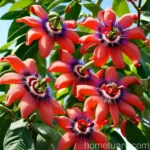
The Beauty of Passiflora vitifolia ‘Scarlet Flame’ (Red Granadilla)
Plants have a unique way of capturing our attention and adding a touch of nature’s beauty to our surroundings. Among the vast array of plants, the Passiflora vitifolia ‘Scarlet Flame’ (Red Granadilla) stands out with its vibrant red flowers, making it a captivating addition to any garden. In this comprehensive guide, we will delve into the world of Passiflora vitifolia ‘Scarlet Flame’ to uncover its cultural significance, uses, and essential care tips for cultivation.
Key Takeaways – Passiflora vitifolia ‘Scarlet Flame’ (Red Granadilla)
- Scientific Name: Passiflora vitifolia ‘Scarlet Flame’
- Common Name: Red Granadilla
- Ornamental Value: Lovely red flowers
- Climatic Preferences: Subtropical to tropical
- Indoor/Outdoor Preferences: Suited for both indoor and outdoor cultivation
- Edible Fruits: Yes
- Sunlight Needs: Prefers full to partial sun
- Soil Requirements: Well-draining, fertile soil
- Watering Frequency: Regular watering; allow soil to dry between waterings
- Pruning Schedule: Prune in late winter or early spring
- Container Gardening: Well-suited for containers with proper support
- Disease Resistance: Susceptible to some common diseases
- Pest Issues: Attracts certain pests
- Wildlife Attraction: Attracts pollinators and beneficial insects
- Fun Fact: The plant’s flowers are not only ornamental but also produce edible fruit
What is Passiflora vitifolia ‘Scarlet Flame’?
Passiflora vitifolia ‘Scarlet Flame,’ commonly known as Red Granadilla, is a stunning flowering plant recognised for its brilliant red blossoms and ornamental value. Belonging to the Passifloraceae family, this species is native to the tropical and subtropical regions of South America, including countries such as Ecuador and Colombia. The plant’s botanical name, Passiflora vitifolia, reflects its vine-like growth habit and the grape-like appearance of its leaves.
Passiflora vitifolia ‘Scarlet Flame’ is a vigorous vine that can climb and cover a trellis or pergola with its lush foliage and eye-catching flowers. It is cultivated not only for its aesthetic appeal but also for the delicious fruits it produces. Additionally, the plant serves as a valuable food source for various pollinators, making it an important contributor to local ecosystems.
Culture of Passiflora vitifolia ‘Scarlet Flame’
Understanding the cultural requirements of Passiflora vitifolia ‘Scarlet Flame’ is essential for successfully nurturing this beautiful plant. Let’s explore the key aspects of its care and cultivation.
Water
- Watering Frequency: Passiflora vitifolia ‘Scarlet Flame’ thrives with regular watering, particularly during periods of active growth. Ensure that the soil remains consistently moist but not waterlogged, and allow the top layer of the soil to dry out between waterings to prevent root rot.
- Watering Method: Apply water directly to the root zone, and consider using a soaker hose or drip irrigation to deliver water efficiently.
Sunlight
- Sun Exposure: This plant appreciates full to partial sunlight, making it well-suited for outdoor cultivation in areas with ample sunshine. Select a location with at least 6-8 hours of direct sunlight to promote healthy growth and abundant flowering.
Soil
- Soil Type: Passiflora vitifolia ‘Scarlet Flame’ thrives in well-draining, fertile soil with a slightly acidic to neutral pH. A mix of organic compost and standard potting mix can provide the ideal growing medium, ensuring good drainage while retaining essential nutrients.
Fertilizer
- Fertilizing Schedule: Feed Passiflora vitifolia ‘Scarlet Flame’ with a balanced, water-soluble fertilizer every 4-6 weeks during the growing season to support robust growth and prolific blooming. An organic fertilizer formulated for flowering vines can be an excellent choice for promoting healthy foliage and vibrant flowers.
Pruning
- Pruning Techniques: Conduct pruning in late winter or early spring to remove any damaged, overgrown, or tangled branches and encourage new growth. Trim back the vines as needed to maintain the desired size and shape, and promptly remove any dead or diseased foliage to support overall plant health.
Propagation
- Propagation Methods: Passiflora vitifolia ‘Scarlet Flame’ can be propagated through stem cuttings or seeds. When propagating using stem cuttings, select healthy, non-flowering shoots and place them in a moist, well-draining rooting medium until roots develop. Additionally, seeds can be collected from ripe fruits and sown in a seed-starting mix for new plant growth.
Uses of Passiflora vitifolia ‘Scarlet Flame’
Passiflora vitifolia ‘Scarlet Flame’ offers a myriad of uses, ranging from its ornamental value to its role as a fruit-bearing plant. Let’s explore the versatile applications of this captivating species.
Ornamental Beauty
The striking red flowers of Passiflora vitifolia ‘Scarlet Flame’ make it a sought-after ornamental plant for beautifying gardens, arbors, and trellises. Its vibrant blossoms add a touch of exotic elegance and create a focal point in any landscape, attracting admiration from both humans and pollinators.
Edible Fruits
Beyond its aesthetic appeal, Passiflora vitifolia ‘Scarlet Flame’ bears edible fruits that are not only delightful to the palate but also rich in vitamins and antioxidants. The fruits, known as Red Granadillas, are similar to passion fruits in appearance and are often used in culinary applications such as juices, desserts, and preserves.
Wildlife Habitat
The presence of Passiflora vitifolia ‘Scarlet Flame’ can contribute to the creation of a thriving wildlife habitat, attracting butterflies, bees, and other beneficial insects with its nectar-rich flowers. By supporting local pollinators and wildlife, the plant plays a vital role in maintaining ecological balance and biodiversity.
Medicinal Potential
In some traditional practices, certain parts of Passiflora vitifolia ‘Scarlet Flame’ are believed to possess medicinal properties and are used for their purported therapeutic benefits. However, it’s essential to consult healthcare professionals before using any plant-based remedies to ensure safety and efficacy.
Garden Design
With its graceful vining habit and beautiful blossoms, Passiflora vitifolia ‘Scarlet Flame’ can be incorporated into various garden designs, including tropical landscapes, cottage gardens, and exotic-themed settings. Its lush foliage and vibrant flowers lend a touch of allure to any outdoor space, enhancing the overall visual appeal.
Container Cultivation of Passiflora vitifolia ‘Scarlet Flame’
For gardening enthusiasts with limited space or those seeking to cultivate Passiflora vitifolia ‘Scarlet Flame’ indoors, container gardening offers a practical solution. With proper care and the right container setup, this captivating plant can thrive in a potted environment, adding a splash of natural beauty to patios, balconies, or indoor spaces.
When opting for container cultivation, consider the following factors to ensure the success of Passiflora vitifolia ‘Scarlet Flame’ in a confined setting:
Container Size
Choosing an appropriately sized container is crucial for providing ample space for the plant’s root system to spread and establish. Select a large container with sufficient depth and width to accommodate the vigorous growth of Passiflora vitifolia ‘Scarlet Flame’ and prevent root congestion.
Trellis Support
As a climbing vine, Passiflora vitifolia ‘Scarlet Flame’ requires adequate support to guide its growth and prevent tangling. Incorporate a sturdy trellis, obelisk, or other climbing structures within the container to facilitate the plant’s upward growth and create an attractive vertical display.
Soil Quality
Opt for a high-quality potting mix tailored for flowering vines or ornamental plants, ensuring proper aeration, drainage, and nutrient availability. Avoid using heavy or compacted soils and incorporate organic matter to enhance the soil’s texture and fertility.
Indoor Care Tips
For indoor cultivation, position Passiflora vitifolia ‘Scarlet Flame’ near a bright, sunlit window to receive sufficient natural light. Regularly monitor the plant’s moisture needs and provide consistent humidity levels to mimic its natural tropical habitat. Proper ventilation and air circulation can also mitigate potential issues related to stagnant air.
Repotting Guidelines
As Passiflora vitifolia ‘Scarlet Flame’ grows, periodic repotting may be necessary to accommodate its expanding root system and maintain optimal growing conditions. When repotting, gently untangle and prune any congested roots, and transfer the plant to a slightly larger container with fresh growing medium.
Popularity of Passiflora vitifolia ‘Scarlet Flame’
The captivating allure of Passiflora vitifolia ‘Scarlet Flame’ has earned it a dedicated following among gardening enthusiasts and horticulturists worldwide. Its vibrant red flowers, lush foliage, and versatile applications contribute to its rising popularity as an ornamental and fruit-bearing plant.
Garden Enthusiasts’ Choice
Many gardeners are drawn to the enchanting beauty of Passiflora vitifolia ‘Scarlet Flame’ and eagerly incorporate it into their outdoor landscapes, where it adds a tropical touch and enlivens garden settings with its alluring presence. The plant’s ability to attract pollinators and provide delicious fruits further enhances its appeal to gardening enthusiasts.
Horticultural Interest
Within the realm of horticulture, Passiflora vitifolia ‘Scarlet Flame’ has garnered substantial interest due to its unique characteristics and suitability for various growing conditions. Botanical gardens, nurseries, and horticultural societies often showcase this species to showcase its ornamental and horticultural significance.
Landscape Design Applications
Landscape designers and architects frequently integrate Passiflora vitifolia ‘Scarlet Flame’ into their projects to introduce a captivating visual element and infuse outdoor spaces with a dash of tropical flair. Its climbing nature and vibrant blooms make it a versatile choice for creating vertical interest and adding natural beauty to urban and suburban landscapes.
Home Gardeners’ Favorite
Among home gardeners, Passiflora vitifolia ‘Scarlet Flame’ is celebrated for its ease of cultivation, provided its basic cultural requirements are met. The enchanting sight of its red blossoms and the prospect of harvesting its delightful fruits make it a cherished addition to private gardens, allotments, and community green spaces.
Common Diseases Affecting Passiflora vitifolia ‘Scarlet Flame’
Despite its visual appeal and versatile uses, Passiflora vitifolia ‘Scarlet Flame’ is susceptible to certain diseases that can affect its health and vigor. Recognising and addressing these common plant ailments is essential for preserving the well-being of this beloved species.
Disease Diagnosis
-
Fungal Infections: Passiflora vitifolia ‘Scarlet Flame’ may experience fungal diseases such as powdery mildew, downy mildew, and leaf spot infections, potentially manifesting as powdery patches, discoloured spots, or blighted areas on the foliage. Regular monitoring and proper cultural care can help prevent the onset and spread of fungal diseases.
-
Viral Diseases: Viral infections in Passiflora vitifolia ‘Scarlet Flame’ can cause symptoms such as mottled or distorted leaves, stunted growth, and overall decline in plant health. Virus-transmitting insect pests can contribute to the spread of viral diseases, making proactive pest management crucial for disease prevention.
-
Bacterial Conditions: Bacterial diseases, including bacterial leaf spots and wilts, can affect the foliage and stems of Passiflora vitifolia ‘Scarlet Flame,’ causing characteristic necrotic lesions, leaf yellowing, and wilting. Implementing proper sanitation and avoiding overwatering can help minimise the risk of bacterial infections.
Disease Prevention Measures
-
Cultural Practices: Maintain good air circulation around the plant, avoid overhead watering, and promptly remove any affected plant parts to reduce the risk of fungal and bacterial diseases.
-
Sanitation: Regularly clean and sanitise gardening tools, containers, and work surfaces to prevent the potential spread of pathogens and reduce disease pressure within the growing environment.
-
Integrated Pest Management: Implement an integrated approach to pest management, including the use of beneficial insects, natural predators, and biological controls to mitigate vector-borne diseases and reduce insect populations.
-
Pruning Practices: Practice judicious pruning to eliminate overcrowded or unhealthy plant parts, and promptly dispose of any pruned material to prevent disease dissemination.
Common Pests Affecting Passiflora vitifolia ‘Scarlet Flame’
In addition to diseases, Passiflora vitifolia ‘Scarlet Flame’ may encounter various pests that can compromise its vitality and aesthetic appeal. Recognising and addressing these common pests is essential for protecting the plant and maintaining its overall health.
Pest Identification
-
Aphids: These small, soft-bodied insects can cluster on the undersides of leaves and excrete honeydew, leading to stunted growth and foliage distortion.
-
Spider Mites: These minuscule arachnids can cause stippling, webbing, and decline in plant health, particularly in dry and warm conditions.
-
Caterpillars: Certain caterpillar species may feed on the foliage of Passiflora vitifolia ‘Scarlet Flame,’ potentially causing noticeable leaf damage and defoliation if left unchecked.
-
Scale Insects: Scale insects can affix themselves to the stems and leaves of the plant, sucking sap and weakening its growth, sometimes leading to the development of sticky honeydew and sooty mould.
Pest Control Methods
-
Biological Controls: Introduce natural enemies of pests, such as ladybugs, lacewings, and predatory mites, to help regulate pest populations and maintain ecological balance.
-
Horticultural Oils: Utilise horticultural oils to suffocate and control soft-bodied pests like aphids and spider mites, adhering to application guidelines to avoid phytotoxicity.
-
Physical Removal: Handpick and discard larger pests such as caterpillars, and gently wipe away scale insects with a soft brush or cloth saturated with mild soapy water.
-
Neem Oil Sprays: Apply neem oil-based sprays to deter and suppress a range of pests, leveraging the natural insecticidal properties of neem to protect Passiflora vitifolia ‘Scarlet Flame’ from infestations.
Botanist’s Tips for Growing Passiflora vitifolia ‘Scarlet Flame’
As a plant scientist with a passion for Passiflora vitifolia ‘Scarlet Flame,’ I am delighted to share some expert tips for maximising the success of cultivating and caring for this enchanting species. These insights are informed by scientific knowledge and practical experience, aiming to support fellow plant enthusiasts in their horticultural ventures.
Nutrient-Rich Soil
- Encourage healthy growth and abundant flowering by providing Passiflora vitifolia ‘Scarlet Flame’ with nutrient-rich, well-draining soil. Incorporate organic compost and balanced fertilisers to maintain soil fertility and support the plant’s nutritional needs.
Vigilant Monitoring
- Regularly monitor the plant for signs of pests, diseases, and nutrient deficiencies, and promptly address any issues to prevent them from escalating and affecting the overall health of Passiflora vitifolia ‘Scarlet Flame.’
Seasonal Adjustments
- Tailor your care practices to accommodate seasonal variations, such as adjusting watering frequency, modifying fertilisation schedules, and addressing temperature fluctuations to optimise the plant’s performance throughout the year.
Training and Support
- Provide adequate structural support, such as trellises, stakes, or other vertical elements, to guide the growth of Passiflora vitifolia ‘Scarlet Flame’ and prevent tangling, especially during periods of vigorous vine expansion.
Prudent Pruning
- Practice selective pruning to maintain an open canopy, remove any tangled or diseased growth, and stimulate new shoots, thereby promoting airflow and light penetration within the plant’s framework.
Wildlife Conservation
- Embrace the role of Passiflora vitifolia ‘Scarlet Flame’ in fostering biodiversity and wildlife habitat creation, and celebrate its ecological contributions by observing the interactions between the plant and local pollinators.
Enriching the Soil
- Consider the addition of organic amendments, such as compost, aged manure, or natural mulches, to enhance soil structure, promote beneficial microbial activity, and create an optimal growing environment for Passiflora vitifolia ‘Scarlet Flame.’
Nurturing Young Plants
- Provide attentive care and nurturing to young Passiflora vitifolia ‘Scarlet Flame’ specimens, ensuring they receive the necessary support, resources, and attention to establish robust root systems and vigorous growth.
Fun Facts about Passiflora vitifolia ‘Scarlet Flame’
Discovering fascinating insights about Passiflora vitifolia ‘Scarlet Flame’ adds an extra layer of appreciation for this remarkable plant. Let’s explore some captivating tidbits and intriguing facets that contribute to the allure of this species.
Nectar-Rich Flowers
- The vibrant red blossoms of Passiflora vitifolia ‘Scarlet Flame’ produce nectar that entices pollinators and adds a splash of colour and fragrance to the surrounding environment.
Culinary Delights
- The delectable fruits of Passiflora vitifolia ‘Scarlet Flame’, known as Red Granadillas, are prized for their juicy, flavourful pulp and can be savoured fresh or incorporated into a variety of culinary creations.
Exotic Ornamentation
- Passiflora vitifolia ‘Scarlet Flame’ serves as a striking ornamental element in gardens, where its lush foliage and showy flowers embellish arbours, fences, and pergolas with a touch of tropical splendour.
Ecological Enrichment
- By attracting pollinators and supporting beneficial insect populations, Passiflora vitifolia ‘Scarlet Flame’ contributes to the balance and health of local ecosystems, exemplifying its ecological significance.
Family Connections
- As a member of the Passifloraceae family, Passiflora vitifolia ‘Scarlet Flame’ shares its lineage with other fascinating passionflower species, showcasing the rich diversity and botanical intrigue within its plant family.
Traditional Significance
- In various cultures and traditions, Passiflora vitifolia ‘Scarlet Flame’ is revered for its symbolism and associations, often embodying themes of passion, beauty, and natural abundance.
Links to External Resources
For further exploration of Passiflora vitifolia ‘Scarlet Flame’ and related topics, consider consulting the following reputable resources and references to deepen your botanical knowledge:
-
The American Passionflower – Explore the diversity and characteristics of passionflower species, including Passiflora vitifolia.
-
Royal Horticultural Society – Access trusted guidance and horticultural expertise from the Royal Horticultural Society to enhance your gardening practices.
-
[Botanical Society of America](https