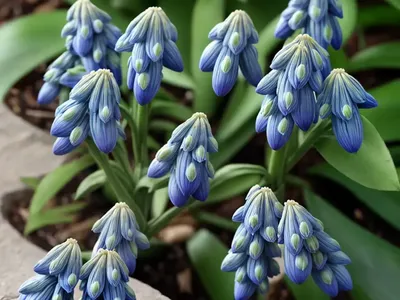
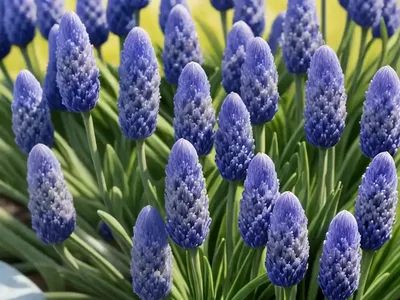
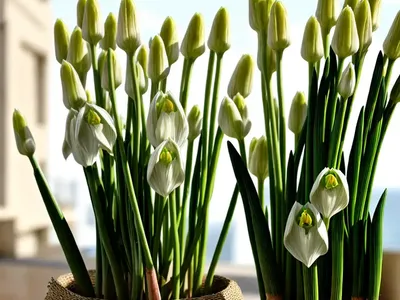
Scilla Litardierei (Amethyst Meadow Squill)
Scilla litardierei, commonly known as Amethyst Meadow Squill, is a charming perennial bulb plant that belongs to the Asparagaceae family. This exquisite.
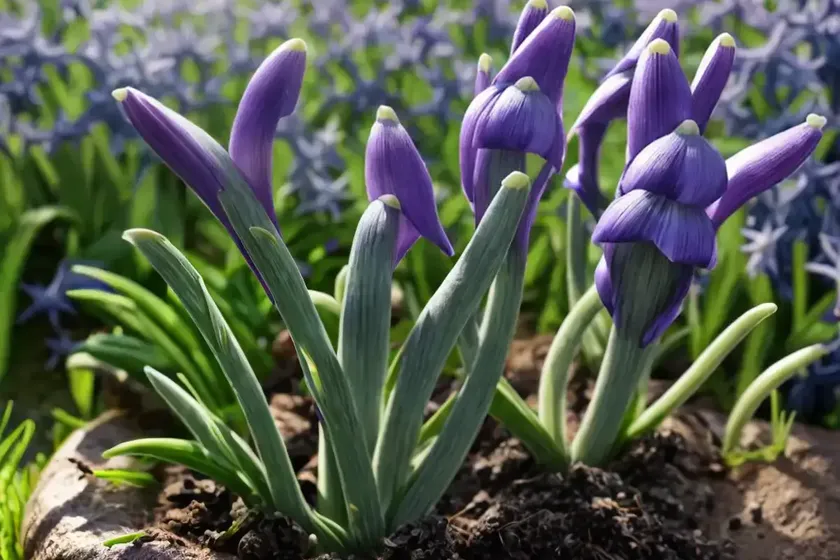
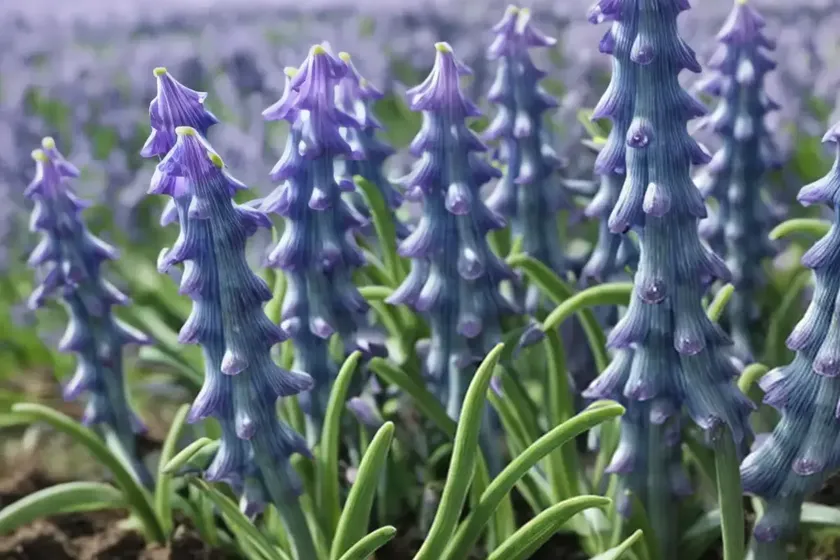
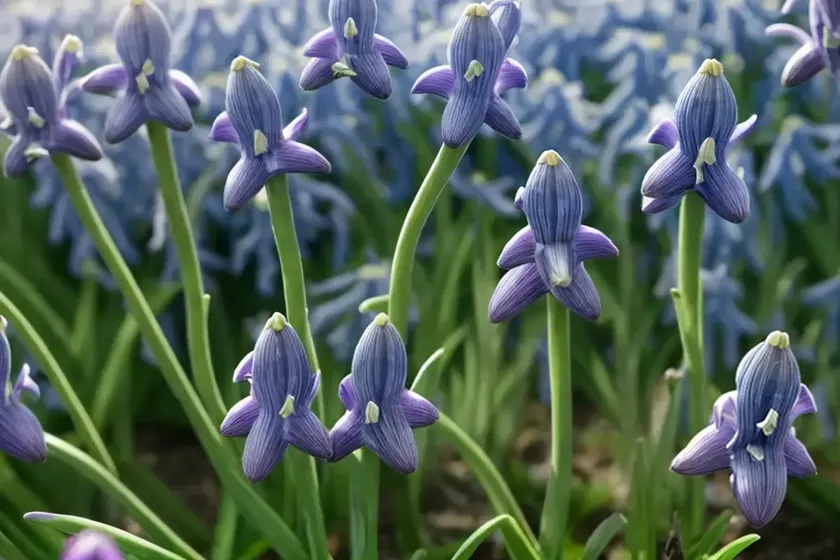
Scilla litardierei, commonly known as Amethyst Meadow Squill, is a charming perennial bulb plant that belongs to the Asparagaceae family. This exquisite plant species is native to the Caucasus region, specifically the Republic of Georgia, and is renowned for its stunning amethyst-blue flowers that bloom in early spring, adding vibrant color to gardens and landscapes. In this comprehensive guide, we will delve into the various aspects of Scilla litardierei, including its cultural requirements, uses, growing conditions, maintenance, and more.
What is Scilla litardierei (Amethyst Meadow Squill)?
Scilla litardierei is a visually captivating plant that features delicate, star-shaped blooms, each with six petals, creating a striking floral display. The species typically reaches a height of 6 to 10 inches (15 to 25 cm) and spreads slowly to form dense clusters, making it an ideal choice for naturalizing in woodland areas, meadows, or under deciduous trees.
The plant’s elongated, narrow leaves emerge in early spring, alongside the enchanting blossoms, adding to its ornamental appeal. Amethyst Meadow Squill is a resilient and low-maintenance plant, making it suitable for both beginner and seasoned gardeners.
Let’s explore the key takeaways concerning the cultivation, uses, and maintenance of Scilla litardierei.
Key Takeaways – Scilla litardierei (Amethyst Meadow Squill)
Culture
- Hardiness: Scilla litardierei is winter-hardy and can thrive in USDA Hardiness Zones 5-8.
- Growing Habit: The plant exhibits a clump-forming growth habit, gradually expanding through offsets to form eye-catching colonies of flowers.
- Toxicity: Like many members of the Asparagaceae family, Scilla litardierei contains toxins and should be handled with care to avoid ingestion or skin contact.
- Deer Resistance: The bulbs of Amethyst Meadow Squill tend to be resistant to browsing by deer, adding to its appeal in areas with high deer populations.
Uses
- Ornamental: The charming amethyst-blue flowers of Scilla litardierei make it an excellent choice for naturalizing in woodlands, borders, or rock gardens, adding a vibrant touch to the landscape.
- Cut Flowers: The captivating blooms of Amethyst Meadow Squill can be cut for floral arrangements, bringing the beauty of the outdoors into indoor spaces.
Water
- Watering: Scilla litardierei prefers moderately moist soil during the growing season but should be allowed to dry out between watering to prevent rot.
- Drainage: It is crucial to ensure well-drained soil to prevent waterlogging, which can lead to bulb and root rot.
Sunlight
- Light Requirements: This plant thrives in partial shade to full sun, making it versatile for various garden settings.
Fertilizer
- Fertilization: Applying a balanced, all-purpose fertilizer in early spring can provide the necessary nutrients for robust growth and blooming.
Soil
- Soil Type: Well-draining, humus-rich soil is ideal for Scilla litardierei, and adding organic matter can enhance soil texture and fertility.
- pH: The plant thrives in slightly acidic to neutral soil pH levels, typically in the range of 6.0-7.0.
Pruning
- Maintenance: Minimal pruning is required for Scilla litardierei, primarily to remove spent flowers and yellowing foliage after flowering.
Propagation
- Bulb Division: Propagation through bulb offsets offers a reliable method to expand the plant’s population over time.
Container Popularity
- Container Gardening: The compact size and charming blooms of Amethyst Meadow Squill make it an excellent choice for container gardening, adding a touch of color to patios, balconies, and other outdoor spaces.
Common Diseases
- Fungal Diseases: Like many bulbous plants, Scilla litardierei may be susceptible to fungal diseases, particularly in persistently wet conditions.
Disease Diagnosis
- Symptoms: Yellowing, wilting, or browning of foliage, as well as the presence of mold or mildew, can indicate potential fungal infections.
Common Pests
- Pest Resistance: Scilla litardierei is generally resistant to most pests and insect infestations due to its toxicity, which deters feeding by small mammals and insects.
Botanist’s Tips
- Naturalizing: Planting Scilla litardierei in groups or clusters can create visually stunning displays in naturalistic settings, such as woodlands or meadows.
- Companion Plants: Pairing Amethyst Meadow Squill with early-blooming perennials or spring bulbs can create captivating mixed borders and landscapes.
Fun Facts
- Cultural Significance: In the Republic of Georgia, the native habitat of Scilla litardierei, the plant holds cultural and symbolic value, often appearing in folklore and traditional stories.
For detailed insights on the aspects of Scilla litardierei, including its care requirements, cultural significance, and ecological importance, continue reading the following sections.